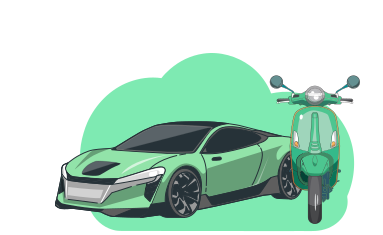
Things You Need to Know Before Modifying a Vehicle


We all know the word modification—and if you look around on the road, you’ll see plenty of modified vehicles. Vehicle modification not only gives your car a trendy, unique look but can also improve its performance. However, before jumping into the modification process, there are important things you must understand. Today, MotorGuide explains what you need to know before modifying your vehicle.
Understanding Vehicle Modification
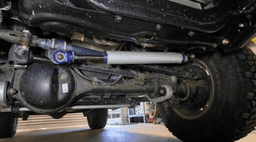
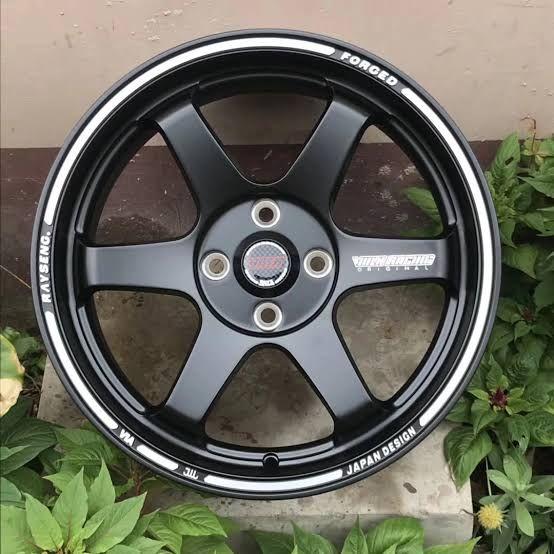
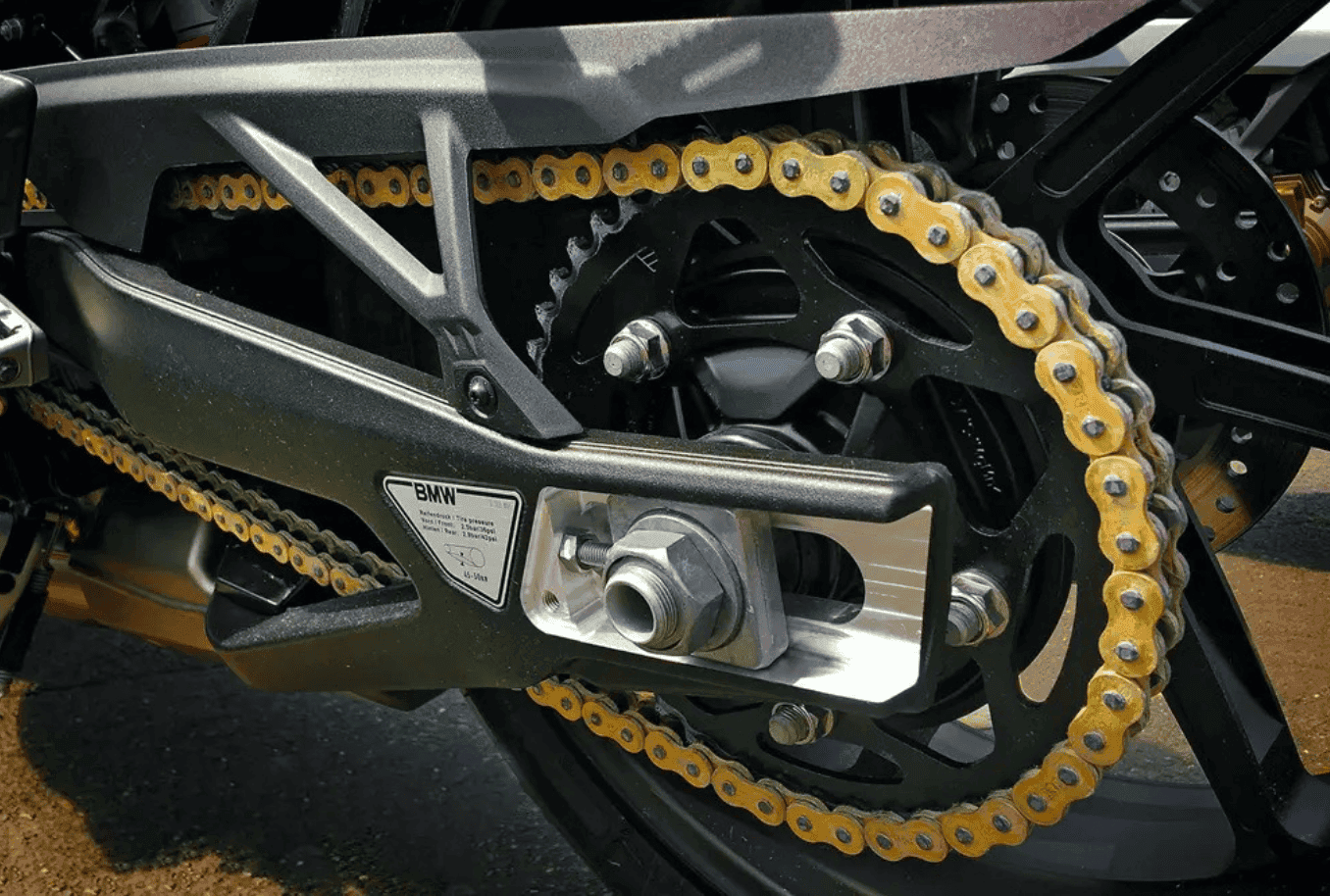
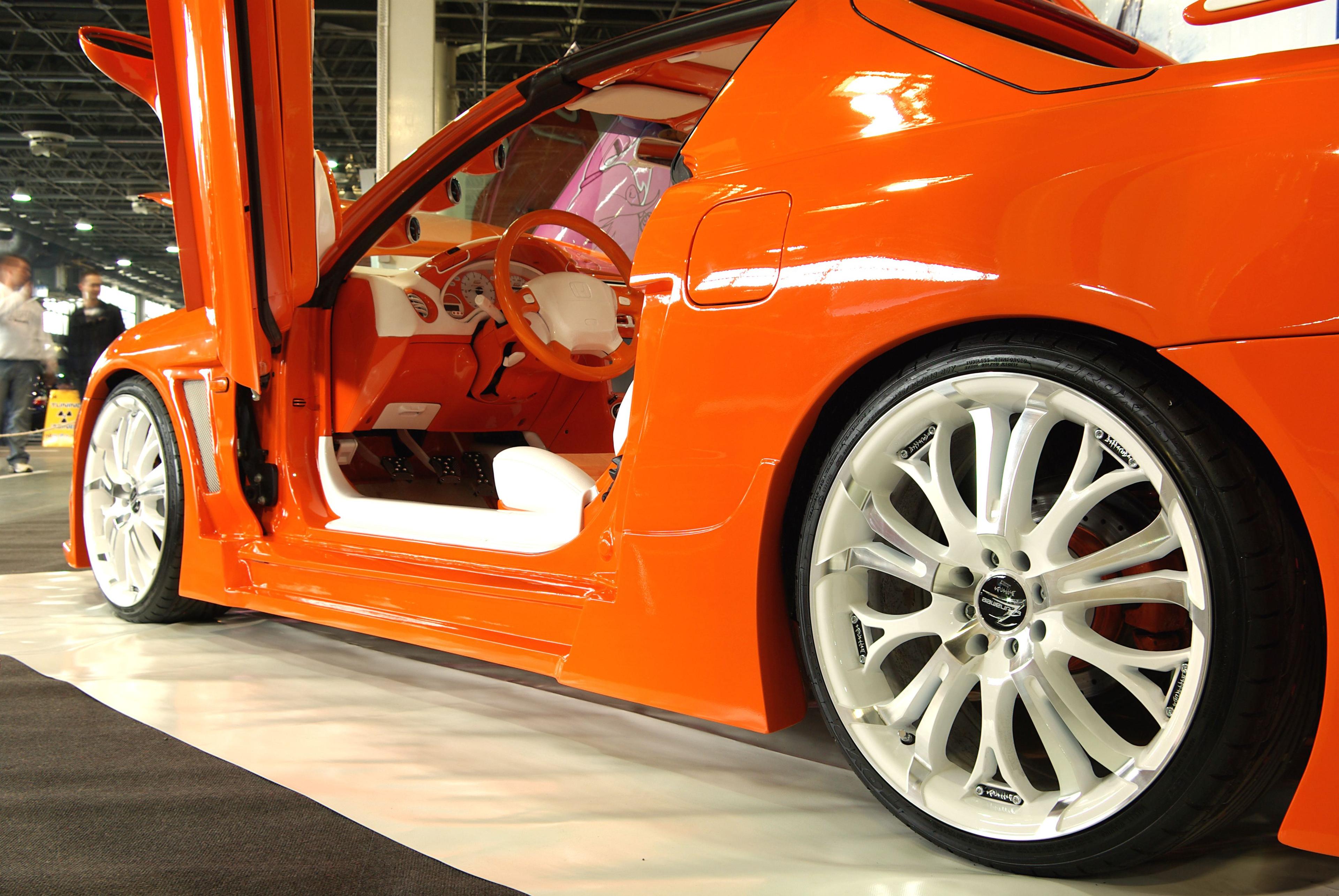
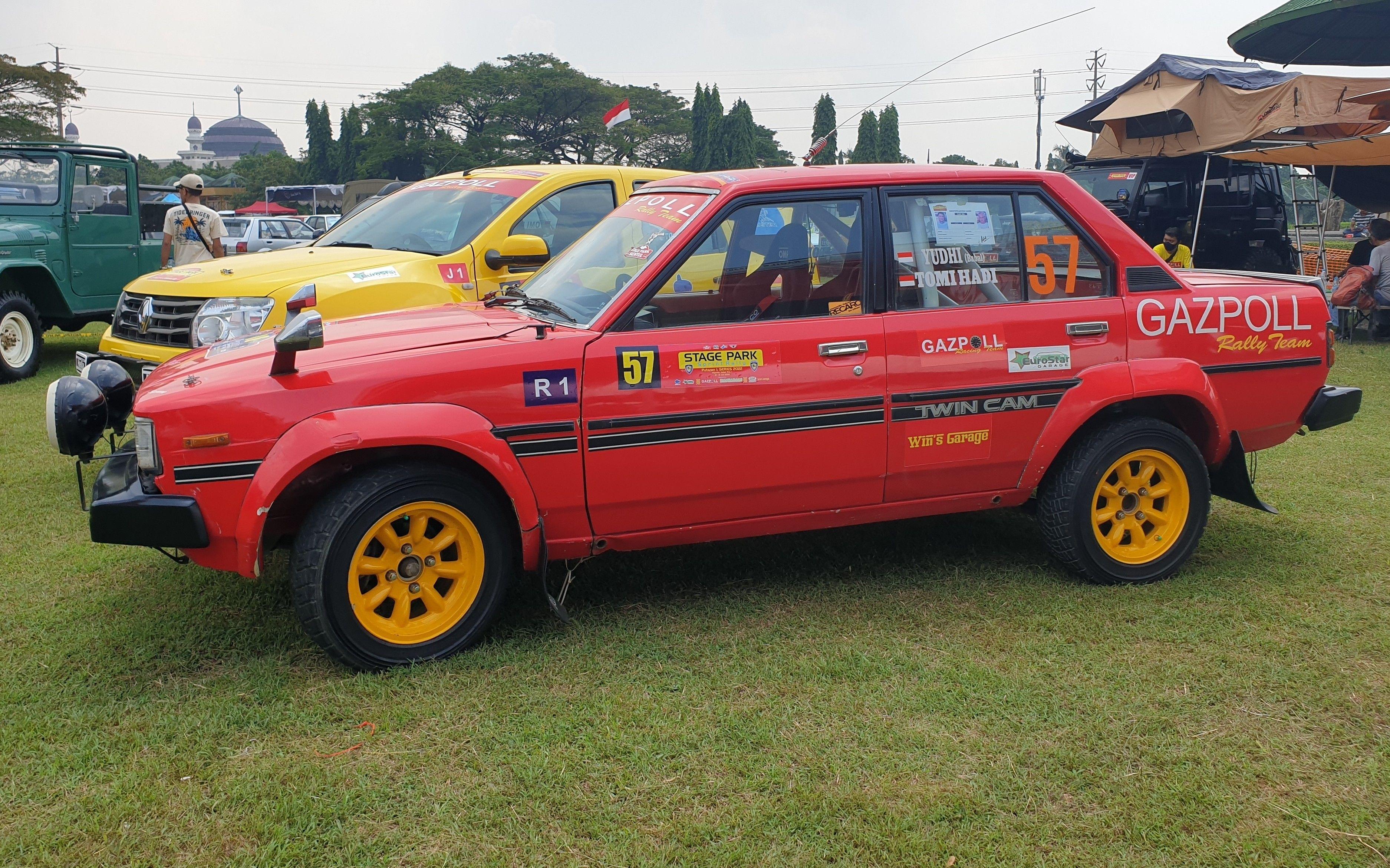
Modifying a vehicle means changing or improving its original design. This is different from simply repairing defective parts. A modification can be a small upgrade, like adding alloy wheels, or a complete transformation of the car’s appearance and performance. In fact, modifying vehicles has become a business on its own, with many owners choosing style over practicality.
1. Consider the Cost
As the saying goes, “beautiful things are expensive.” Vehicle modification is not just a hobby—it can become a costly affair. From buying aftermarket parts to hiring a skilled mechanic, the expenses add up quickly. What’s more, extensive modifications can actually reduce your vehicle’s resale value. If you ever need to sell your car, you may not get back what you spent on modifications.
2. Legal Matters
Before modifying your vehicle, it’s crucial to understand the laws related to vehicle modifications. Some modifications are permitted, while others are strictly prohibited.
Lights
Vehicle headlights must be white or yellow, and rear lights must be red. Using any other color is illegal. Neon lights are also banned since they distract other drivers and increase accident risks.
Tinted Windows
Window tints are popular among vehicle owners, but they come with regulations. At least 75% of light must pass through the front windshield and 70% through the front side windows. If not, your tinted windows are illegal.
3. Ensure Safety
Every modification should prioritize safety. An improperly installed modification can endanger both passengers and other road users. Always get your modifications done by a qualified and experienced mechanic to avoid mechanical failures or accidents.
4. Inform the Insurance Company
Any modification that alters your vehicle’s appearance or performance should be reported to your insurance company. Modifications can affect insurance premiums because they may increase the risk of accidents or theft. Failing to inform your insurer could even invalidate your policy.
✅ Final Note
Remember, modifying your vehicle means altering what the manufacturer originally designed. While modifications can be exciting, they also come with legal, financial, and safety responsibilities. So, before you make changes, consider the costs, laws, and insurance impact carefully. By keeping these things in mind, you can enjoy your modified vehicle without future regrets.

எழுதியவர்
Nipuna Marasinghe