How Changing Motorcycle Sprocket Size Affects Top Speed and Pickup

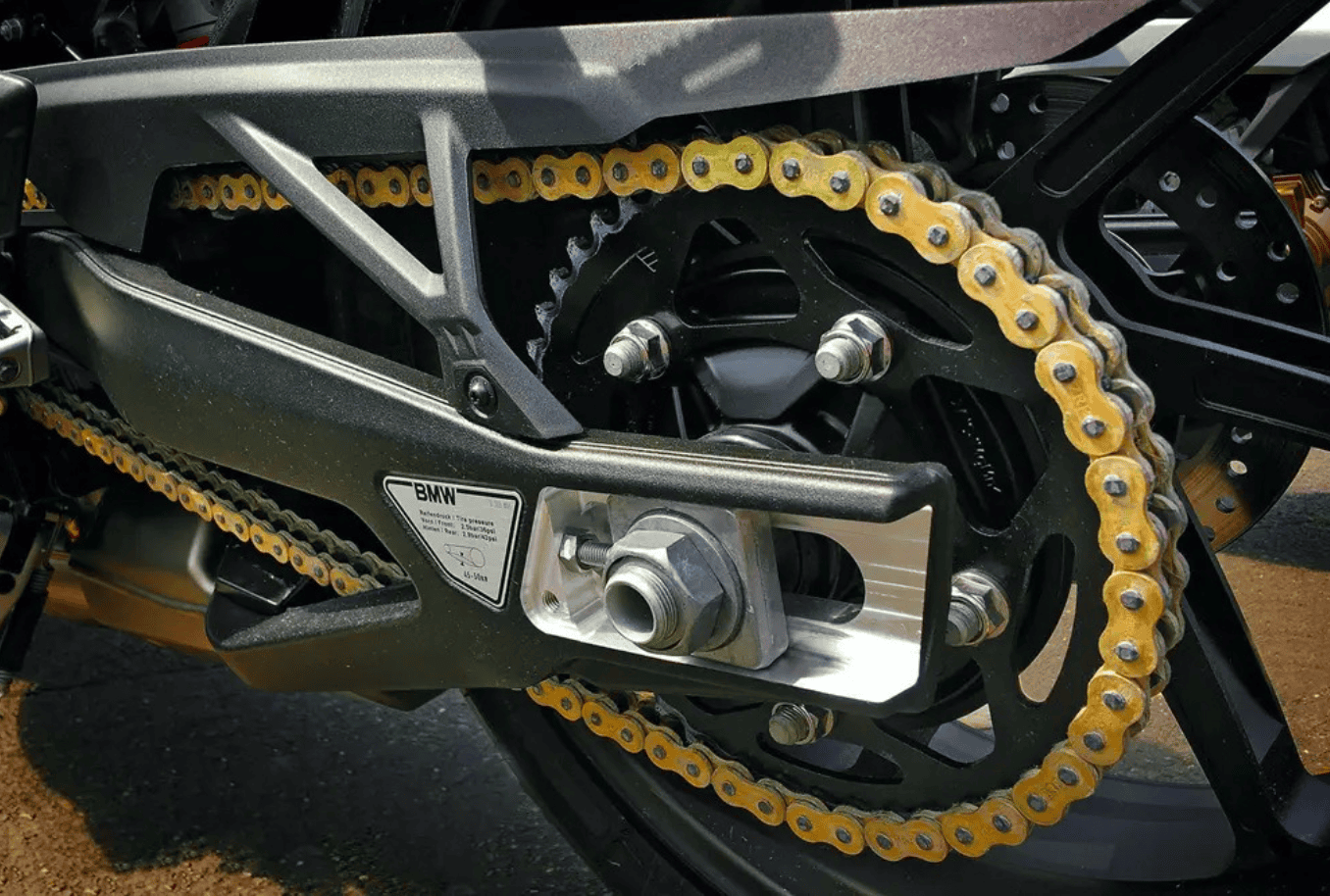
The chain and sprocket set of a bike is the main bridge that carries the engine's power to the rear wheel. Many riders change the number of teeth on their sprockets to either increase the bike's speed or increase its pulling power (Pickup). In technical terms, we call this changing the "Gearing Ratio." Today, Motor Guide explains what happens to your ride when you play around with these teeth configurations.
The Simple Theory of Sprocket Ratio
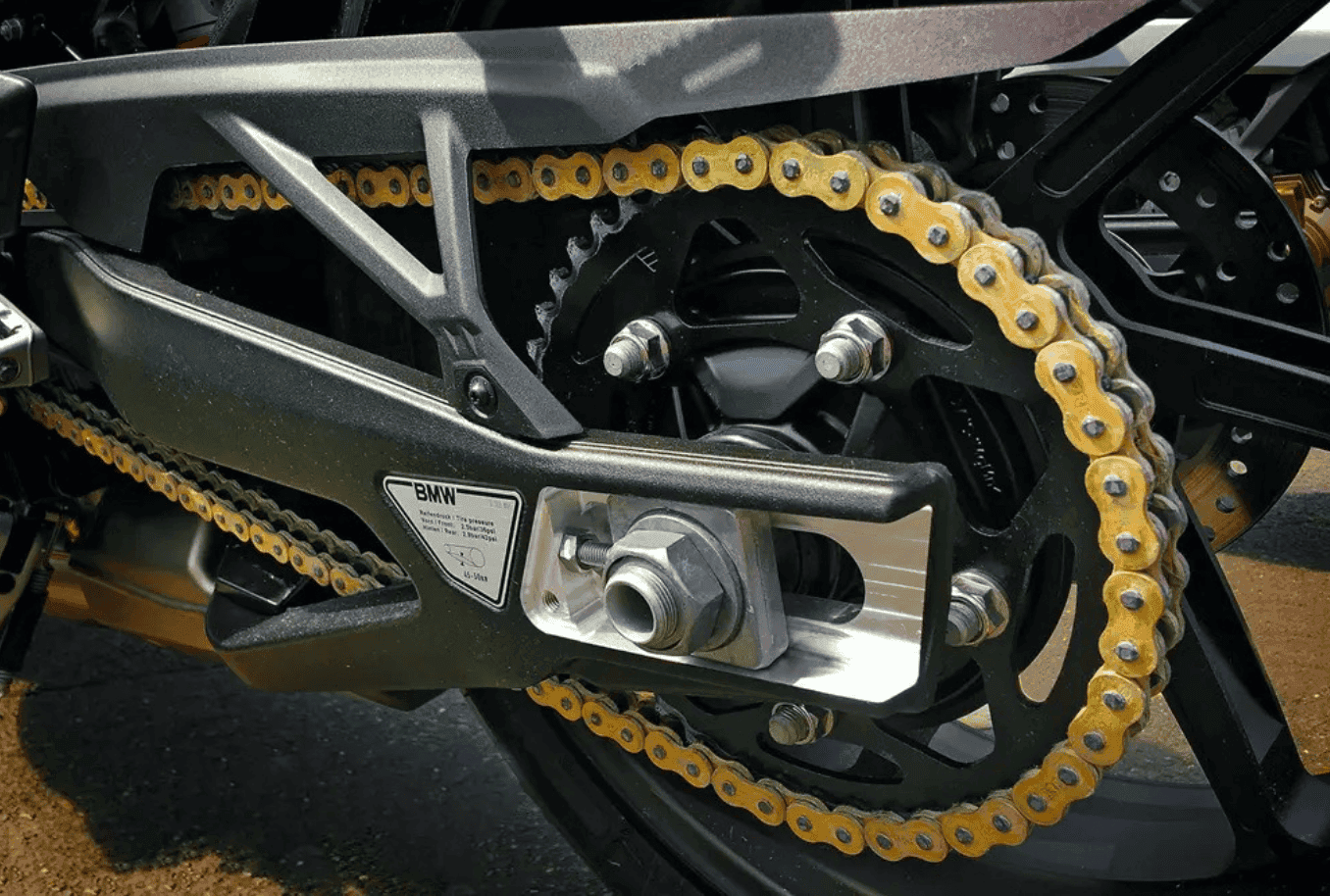
First, you need to know that a bike has two sprockets. One is the small one near the engine (Front/Engine Sprocket), and the other is the large one on the rear wheel (Rear Sprocket). The front rear sprocket ratio determines the speed and torque of the bike. If you change the tooth count on even one of these, it affects the entire gearing system of the bike, similar to shifting gears on a bicycle.
How to Increase Pickup (Acceleration)
If you want your bike to shoot forward the moment you start it—meaning you want a motorcycle acceleration sprocket change—there are two things you can do. One is to install a front sprocket with fewer teeth, or alternatively, install a rear sprocket with more teeth.
Doing this makes climbing hills easier and gives the bike the strength to carry any load. However, the trade-off you must remember here is that while your pickup increases, your "Top Speed" will decrease.
How to Increase Top Speed
If you frequently travel long distances and want to ride at a higher speed with lower RPMs, you need to go for "Tall Gearing." This means installing a front sprocket with more teeth or a rear sprocket with fewer teeth.
This allows the engine to run at high speeds without much strain. However, the disadvantage here is that the sprocket size effect speed gain comes at the cost of pickup. In traffic or when climbing a hill, the engine will struggle to pull the bike, and you will have to shift gears more frequently.
Impact on Engine and Fuel
Changing the sprocket ratio too drastically is not good for the engine. For example, if you reduce the pickup significantly to gain top speed, the engine will constantly run under a heavy "Load." This can reduce fuel efficiency and even cause the engine to overheat.
Additionally, installing the wrong sprocket size can lead to incorrect Speedometer Readings, as many bikes measure speed based on the transmission speed rather than the wheel speed.
Motor Guide Advice: If you are changing sprockets, do not change too many teeth at once. Generally, changing 1 tooth on the front sprocket is equivalent to changing about 3 teeth on the rear sprocket. Therefore, try making very small changes first.
Also, when replacing sprockets, always install a new chain as well. Putting a new sprocket on an old chain will cause it to wear out very quickly. Using a high-quality "Chain Kit" is essential for safety and durability.
Finally, engineers designed the bike with the ratio best suited for it. It is okay to make a small change according to your needs, but ensure it stays within the engine's limits. Do not shorten your engine's life by playing with sprockets unnecessarily.

எழுதியவர்
Nisaga Sandaru
A versatile and highly experienced professional, currently an Automobile undergraduate at the University of Jaffna, with strong technical expertise grounded in hands-on work as a technician with SriLankan Airlines Ground Support Equipment (GSE). Holding an Automobile NVQ Level 3 qualification, along with specialized certifications in Vehicle ECU Programming and Diagnosis, and extensive experience in arc welding and vehicle body painting, and well equipped to handle complex automotive, diagnostic, and fabrication-related tasks with a high level of competence.