What Happens to the Engine if the Radiator Fan Stops Working?


A vehicle's engine is exactly like the heart of the human body. To keep that heart healthy, maintaining the engine's temperature at the proper level is mandatory. Today at Motor Guide, we will explain the severe damage that can happen to your vehicle if the Radiator Fan stops working.
This is not just a random component; it is a primary factor that determines the lifespan of the engine.
First, let's look at the function of this radiator fan. When fuel combusts inside the engine, extreme heat is generated. To control this heat, coolant travels throughout the engine, absorbs the heat, and arrives at the radiator. As outside air flows through the radiator, this heated water cools down. When the vehicle is moving fast, the natural airflow is sufficient. But when you are stuck in traffic, or when the vehicle is parked and the engine is idling, that airflow is not enough. That is precisely when the radiator fan turns on, pulling air through the radiator to cool it down.
Engine Overheating and Initial Symptoms
If the radiator fan stops working, the very first thing that happens is the engine temperature rising beyond its limit. If you look at the "Temperature Gauge" on the dashboard, you will see it moving into the red zone. As the engine starts to heat up, the pressure of the coolant increases. Because of this high pressure, radiator hoses can burst, or the plastic components of the radiator can crack. This is exactly like a pressure cooker about to explode.
Because the fan is not working, the water heats up and starts to vaporize. Then, smoke or steam will start coming out from the radiator cap or the Reservoir Tank. If you do not stop the vehicle and let the engine cool down at this point, the resulting destruction will be unimaginable. The metal components inside an engine are manufactured to highly precise tolerances. Due to extreme heat, those metals expand and begin to grind against each other.
Cylinder Head Warping
The most serious consequence of severe overheating is Cylinder Head Warping. The cylinder head is usually made of an aluminum alloy. If its shape changes even slightly due to extreme heat, the Head Gasket located there will blow. When that happens, the oil and water inside the engine start to mix. You might have seen cases where pulling the oil dipstick reveals a white, "milkshake"-like substance. That means water and oil have mixed. If it reaches this stage, the engine will have to be completely dismantled and repaired. The cost for that is unimaginably high.
Damage to Pistons and Rings
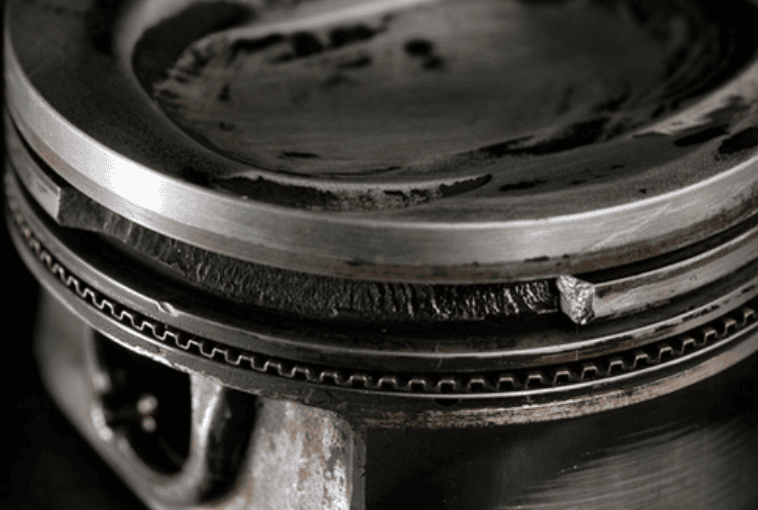
As the engine heats up, the lubricating oil film on the Piston Rings burns away. The piston then starts to scrape directly against the cylinder wall. This can cause the engine to "Seize." This means the engine gets stuck in one place and cannot rotate. If that happens, you will have to either put in a new engine or spend a massive amount of money to Overhaul the current one. Do not let such a massive destruction occur just because of a small part like a fan.
Reasons for Fan Failure and How to Check
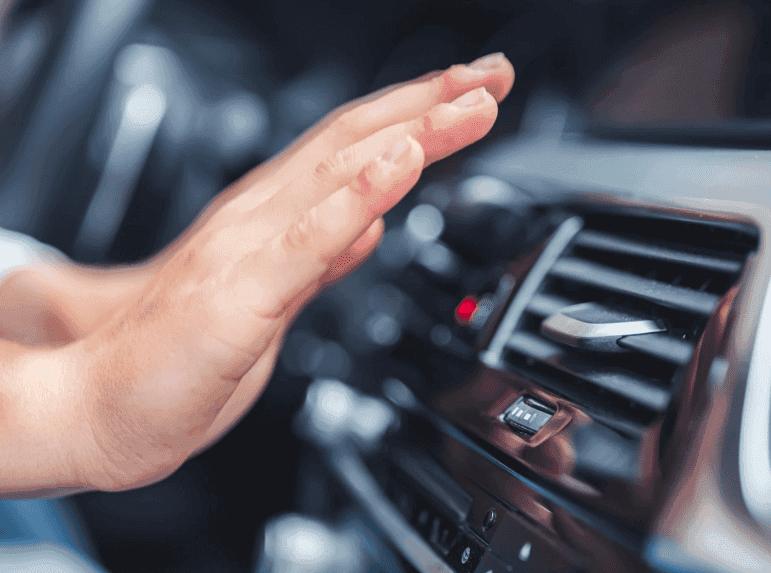
Our advice to you is to check if the fan spins a little while after starting the vehicle, or when you turn on the A/C. There can be a few main reasons why the fan might not work:
- Blown Fuse or Relay: This is a very simple issue. These can break due to a fault in the electrical circuit.
- Burnt Fan Motor: Over time, the carbon brushes in the motor can wear out, or the coil can burn, causing the fan to stop.
- Temperature Sensor Faults: If the sensor does not detect that the engine has heated up, it will not send a message to the computer (ECU) to turn on the fan.
- Wiring Issues: Connections could be broken due to animals like mice chewing on the wires.
What You Should Do
If you see the temperature gauge rising while driving, the immediate action you must take is to park the vehicle in a safe place and turn off the engine. But remember, never open the Radiator Cap while the engine is hot. If you do, the highly pressurized boiling water and steam can spray onto your face, causing severe burn injuries.
Let the engine cool down for about 30 minutes, and then check the water level. If the fan is not spinning, never continue to drive the vehicle under any circumstances. Towing the vehicle to a nearby garage is the smartest action. Do not completely destroy the engine trying to save a small amount of money.
Vehicle maintenance is an art. Just like servicing on time, paying attention to small details like this will save you both money and time. To protect the health of your engine, always be vigilant about the operation of the radiator fan.

எழுதியவர்
Nisaga Sandaru
A versatile and highly experienced professional, currently an Automobile undergraduate at the University of Jaffna, with strong technical expertise grounded in hands-on work as a technician with SriLankan Airlines Ground Support Equipment (GSE). Holding an Automobile NVQ Level 3 qualification, along with specialized certifications in Vehicle ECU Programming and Diagnosis, and extensive experience in arc welding and vehicle body painting, and well equipped to handle complex automotive, diagnostic, and fabrication-related tasks with a high level of competence.