2026 Standards for Vehicle Engine Conversions (EV Conversion)

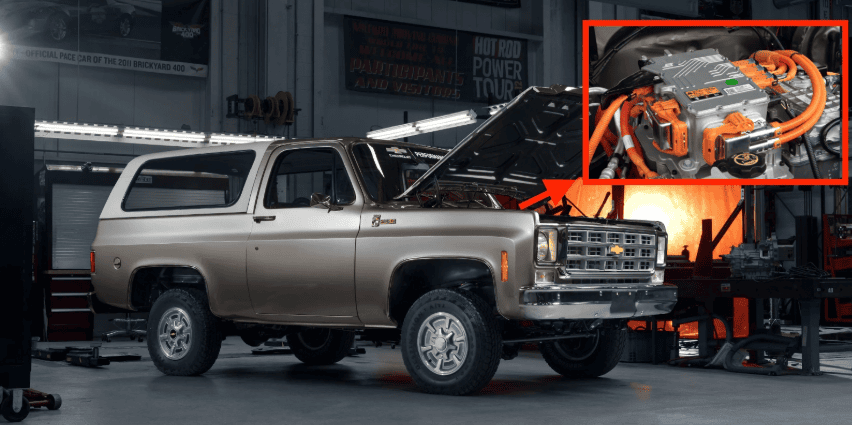
In 2026, the automotive world is changing rapidly. Specifically, due to rising fuel prices and growing concerns about environmental pollution, many people are now inclined to convert their old petrol or diesel vehicles into Electric Vehicles (EVs). However, this is not as simple as just removing an engine and bolting on a motor. As a responsible owner, you must have a thorough understanding of the rules, regulations, and technical standards imposed by the government and standardization authorities regarding this process. If this conversion isn't done precisely to standard, not only will your money be wasted, but it can also pose a massive safety threat on the road. Therefore, as professionals in this field, we at Motor Guide will explain the latest 2026 standards for EV conversions.
Pre-Approval and Weight Distribution
The very first step before undertaking an engine conversion is obtaining prior approval from the relevant authorities. In Sri Lanka, this conversion must be carried out by an institution registered with the Department of Motor Traffic (DMT). You cannot simply hand it over to a random local garage just because you feel like it.
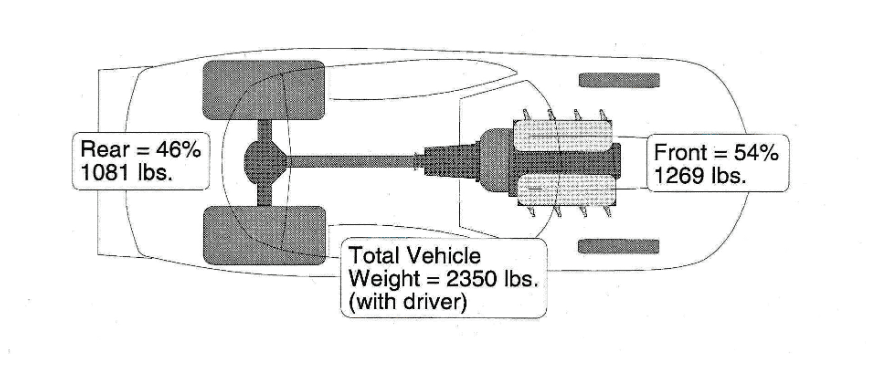
According to 2026 standards, when removing a combustion engine and installing an electric system, special attention must be given to the vehicle's Weight Distribution. A battery pack is significantly heavier than a standard petrol engine. Therefore, it is mandatory to have an engineering report detailing the maximum load the chassis can withstand and the exact locations where the batteries will be placed. If the vehicle becomes too heavy or unbalanced, the braking system and tires might fail to handle the load.
Equipment Standards: IP67 and BMS
The second most important factor is the quality of the equipment used. There are various types of motors and batteries on the market today. However, under 2026 regulations, only components with an IP67 or higher water resistance rating are permitted. Especially in a country with heavy rainfall like Sri Lanka, this protection level is mandatory to prevent electrical leaks when driving through water.
Additionally, a Battery Management System (BMS) is a compulsory component. This system constantly monitors the temperature and voltage of individual battery cells. If the battery overheats or a short circuit occurs, the BMS must have an integrated safety mechanism to automatically cut off the power supply.
Wiring and High-Voltage Cables
Next, we must discuss the standards for wiring and cables. Because an electric vehicle operates on High Voltage, standard automotive wires cannot be used. Only heavy-duty cables designated by Orange color coding are permitted for high-voltage routes. These cables must be properly insulated, routed safely, and highly heat-resistant.
The 2026 standards also clearly state that a 'Manual Service Disconnect' (MSD) switch—which completely cuts off the high-voltage electricity in the event of an accident or during maintenance—must be installed in a location easily accessible to the driver or first responders.
The Braking System (Vacuum Pumps)
The braking system is an area many overlook during an EV conversion. In a standard vehicle, the brakes rely on the vacuum generated by the combustion engine to function easily (via the brake booster). When we remove the engine, that vacuum source is lost. Therefore, according to 2026 standards, it is mandatory to install a separate Electric Vacuum Pump or an entirely Electronic Brake Booster.
Furthermore, if a 'Regenerative Braking' system is installed to increase vehicle efficiency, it must be configured in a way that it does not interfere with the reliability of the primary mechanical braking system.
Safety, Comfort, and Controllers
You must also consider passenger comfort alongside vehicle safety. Systems like the Air Conditioning (AC) and Power Steering now require separate auxiliary electric motors to function. All of these components communicate with each other through a central 'Controller'.
The software of this controller must be properly programmed. Specifically, when starting the vehicle or controlling the speed, the acceleration must be smooth without any harsh jerking. Under 2026 standards, you must pass an inspection report proving these systems operate smoothly and safely.
Motor Guide's Final Advice: Weight and Stability Test
Finally, once the conversion is complete, before you can legally drive it on public roads, the vehicle must be presented to the Department of Motor Traffic for a comprehensive 'Weight and Stability Test'. There, they will rigorously check the vehicle's balance, braking power, and the safety isolation of the electrical system. Only if it passes all these criteria will you be able to officially change the 'Fuel Type' in the vehicle's registration book to 'Electric'.
Remember, do not attempt this project using cheap, substandard parts just to save money. This is a matter of life and death for you and others on the road. A conversion done using high-quality equipment according to the correct standards will serve you trouble-free for years. Therefore, carefully consider these technical points and ensure you entrust this complex job only to a highly skilled, certified technician.

எழுதியவர்
Nisaga Sandaru
A versatile and highly experienced professional, currently an Automobile undergraduate at the University of Jaffna, with strong technical expertise grounded in hands-on work as a technician with SriLankan Airlines Ground Support Equipment (GSE). Holding an Automobile NVQ Level 3 qualification, along with specialized certifications in Vehicle ECU Programming and Diagnosis, and extensive experience in arc welding and vehicle body painting, and well equipped to handle complex automotive, diagnostic, and fabrication-related tasks with a high level of competence.