Vehicle Battery Problems and Solutions

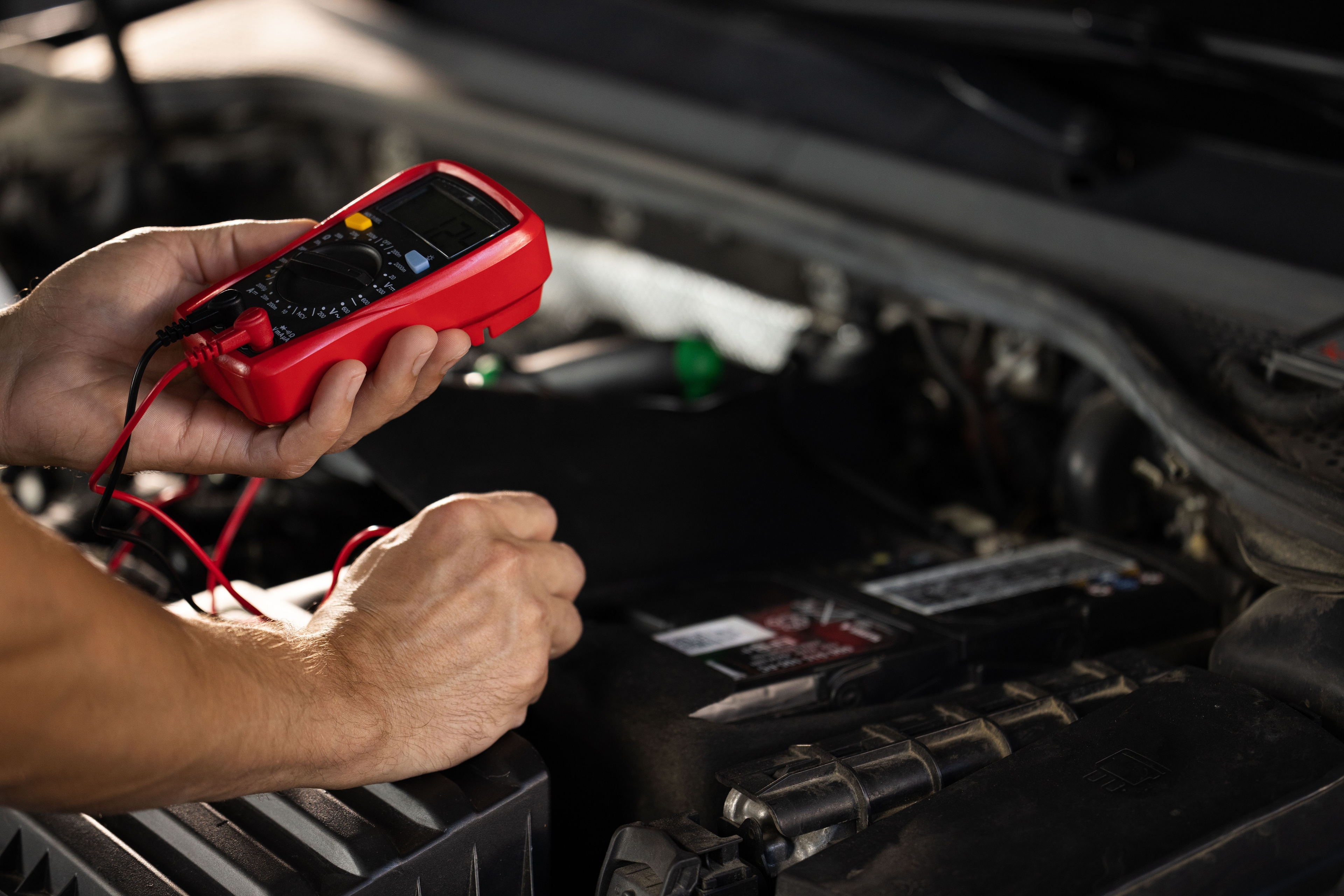
Although a vehicle's battery is small in size, it plays a crucial role in keeping your car running. Without a functioning battery, the engine cannot start — meaning the entire vehicle becomes unusable. That’s why it’s important to understand the most common vehicle battery problems and how to solve them. Today, MotorGuide brings you practical solutions to keep your battery healthy and your journeys uninterrupted.
Common Battery Problems
If your engine cranks but fails to start, there’s a strong chance your battery is dead. Here are the main causes of car battery issues:
1. Leaving the Headlights On
Your vehicle’s battery can power headlights for only a limited time. Accidentally leaving them on for hours while parked can completely drain the battery.
2. Electrical Problems
Faulty wiring or electrical issues can cause a parasitic drain, where the battery loses power even when the ignition is off. If your battery frequently fails, check for hidden electrical faults.
3. Charging System Faults
A healthy battery charges while you drive. If it keeps losing charge despite frequent driving, your alternator or charging system may be faulty.
4. Extreme Weather Conditions
Both hot and cold weather can reduce battery efficiency. Extreme temperatures can slow charging or prevent it altogether. Pay close attention to your battery’s performance during seasonal changes.
5. Frequent Short-Distance Driving
Using your vehicle for constant short trips doesn’t allow the battery to recharge fully. Over time, this weakens battery health and shortens its lifespan.
6. Corrosion
Loose or corroded battery terminals can prevent your car from starting or charging properly. Cleaning the terminals with a toothbrush or cloth can often solve this problem.
Symptoms of Battery Faults
- Headlights dimming without a clear reason
- Engine running slower than usual
- Vehicle backfiring
- A clicking sound when you turn the ignition key
Jump-Start
If your vehicle’s battery is dead, a jump-start using jumper cables and another vehicle can bring it back to life. However, this is only a temporary solution and should be done with caution. Not all vehicles are safe to jump-start, so check your manual before attempting this method.
Replacing the Battery
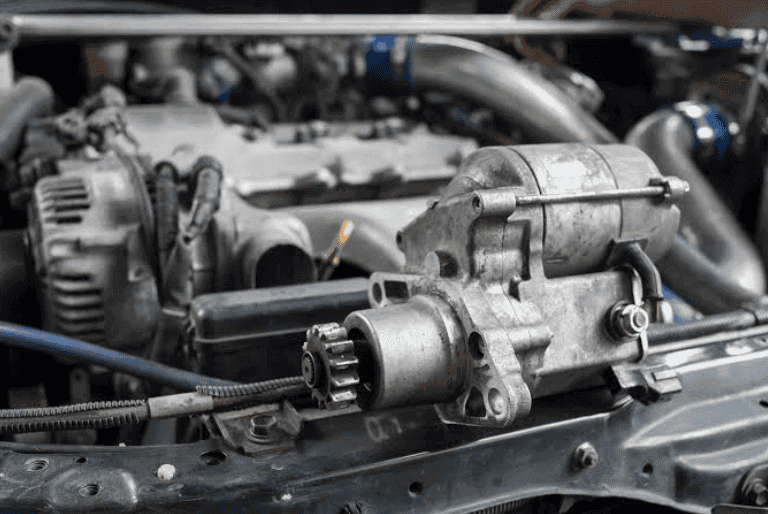
Most vehicle batteries last around 4–6 years. If your battery is frequently failing or showing signs of weakness, replacement is the safest solution. Continuing with a faulty battery can damage other systems in your car, including the alternator and starter motor.
Your vehicle’s battery is the heartbeat of your car. By understanding common vehicle battery problems and their solutions, you can avoid unexpected breakdowns and costly repairs. If your car shows any of the warning signs above, have it inspected by a professional mechanic and replace the battery if needed. Following these MotorGuide tips will ensure your battery lasts longer and your drives remain smooth.

எழுதியவர்
Nipuna Marasinghe