What is Engine Coolant?

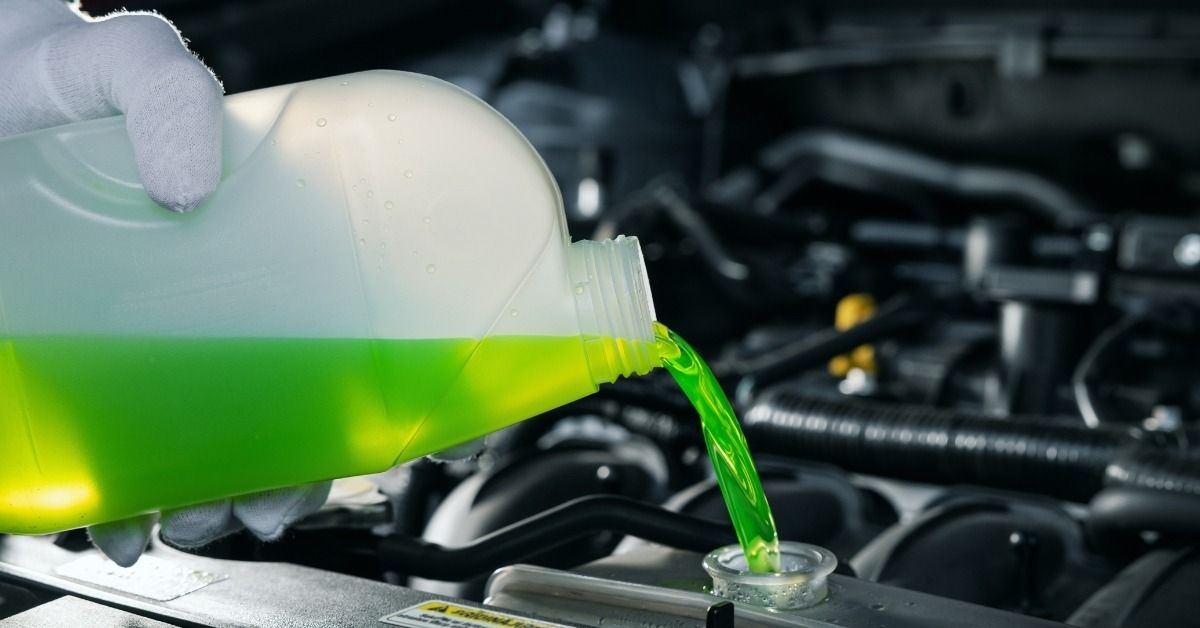
Anyone who uses a vehicle frequently hears the term "Engine Coolant." Simply put, this is a special fluid used to control overheating inside the engine. Let's discuss this in a bit more detail.
What is Engine Coolant?
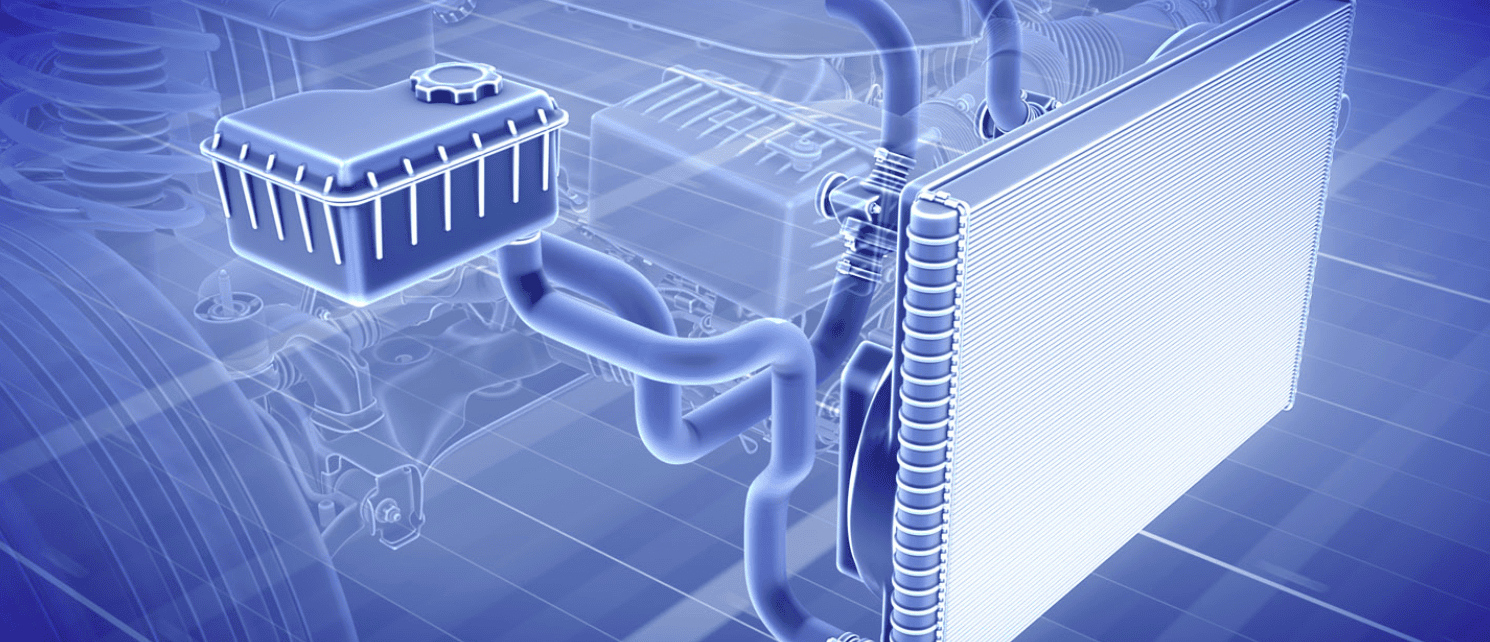
Many people think only water is put into the radiator. But actually, for an engine to function, it needs a fluid that is a mixture of water and chemicals like Ethylene Glycol or Propylene Glycol. This has properties of boiling at a higher temperature (boiling point) and freezing at a much lower temperature (freezing point) than regular water. Its main function is to absorb the excessive heat generated when the engine is running and release it outside through the radiator.
Main Services Performed by Coolant
In addition to cooling the engine, a quality coolant performs another important task. Since the internal parts of the engine are made of metal, using only regular water can quickly lead to rust or corrosion. The chemicals contained in coolant create a protective layer inside the engine to control this rusting. Also, it acts as a lubricant necessary for parts like the Water Pump to operate smoothly.
Why is Using Only Water Not Suitable?
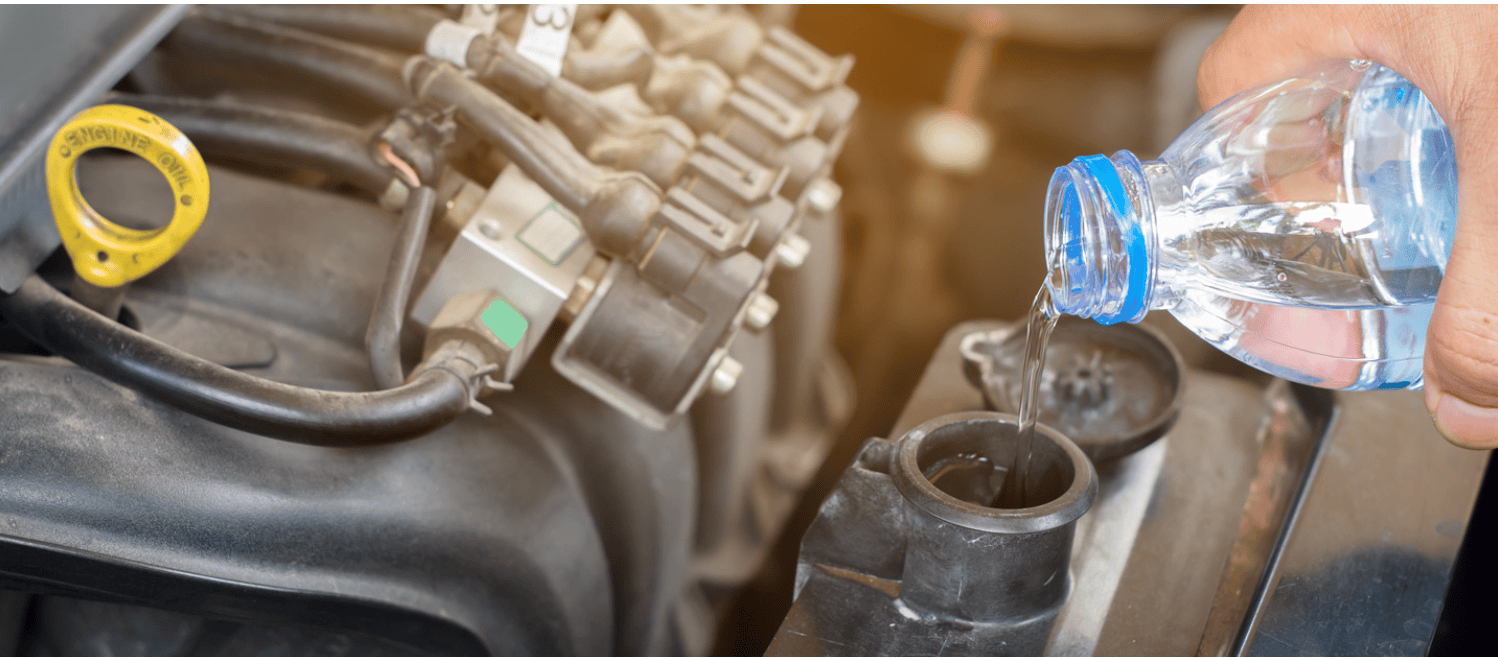
Many people in our country are used to filling the radiator with tap water. This is extremely harmful to the engine in the long run. Due to salts and minerals in tap water, "scales" form inside the radiator. Then, the water flow paths get blocked, and the engine starts to Overheat quickly. However, when using coolant, the accumulation of such impurities is minimized, thereby increasing the engine's lifespan.
How to Maintain?
Even with coolant, its chemical properties diminish over time. Therefore, it is mandatory to remove old coolant and refill (Coolant Flush) at the mileage or time interval recommended by the vehicle manufacturer (usually every 2-3 years). Also, always remember to check the level in the vehicle and use the correct type of coolant only if necessary. Since there are coolant types in different colors (green, red, blue), care must be taken not to mix different types together.
So, let's first see how to choose the coolant type suitable for your vehicle and how to change it correctly.
Choosing the Correct Coolant Type
You can see coolants in various colors (red, green, blue, pink) in the market. These colors are not just for beauty; they are to identify the chemical technology contained in each type.
- IAT (Inorganic Additive Technology): The green coolant type generally used for older vehicles. These need to be changed quickly (like every 2 years).
- OAT (Organic Acid Technology): The red or pink coolant type that comes for new vehicles (especially Japanese vehicles like Toyota, Honda). These can be used for a longer time (about 5 years or 150,000 km).
- HOAT (Hybrid OAT): The blue or yellow type commonly used for European vehicles.
Also, use the exact type mentioned in your vehicle's Owner's Manual. Never mix two types at any time, because if you do, they can react with each other, become thick like mud, and block the engine's water passages.
Steps to Change Coolant (Coolant Flush)
If you are changing the coolant in your vehicle, follow these steps:
- Wait until the engine cools down: Do not open the Radiator Cap while the engine is hot. If you do, the hot liquid can spray onto your body due to high pressure, causing severe burns.
- Remove old fluid: Loosen the "Drain Plug" at the bottom of the radiator and drain the old fluid inside into a container.
- Flushing: Fill with clean water, start the engine for a few minutes, and drain that water again. Do this two or three times until the rust and impurities inside are removed.
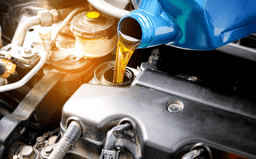
- Fill new Coolant: Now fill the radiator with new coolant. Here, there are two types: "Ready to Use" (pre-mixed with water) or "Concentrate" (you have to mix water). Generally, mixing Coolant and Distilled Water at a 50:50 ratio is the standard.
- Air Bleeding: After filling the coolant, keep the radiator cap open and start the engine. Then the air bubbles in the system will be removed. After that, add coolant again to the required level and close the cap.
Things You Should Constantly Pay Attention To
- Check the Reserve Tank: Check at least once a week if the coolant level in the plastic tank (in addition to the radiator) is between 'Full' and 'Low'.
- Don't just put water: It's okay to put a little water in an emergency, but if you constantly use only water, your engine's "Water Jacket" can rust, and the engine can be completely destroyed.
Remember, by spending a few thousand rupees and using a good coolant type, you can save lakhs of rupees that would otherwise go into engine repairs later.

எழுதியவர்
Nisaga Sandaru
A versatile and highly experienced professional, currently an Automobile undergraduate at the University of Jaffna, with strong technical expertise grounded in hands-on work as a technician with SriLankan Airlines Ground Support Equipment (GSE). Holding an Automobile NVQ Level 3 qualification, along with specialized certifications in Vehicle ECU Programming and Diagnosis, and extensive experience in arc welding and vehicle body painting, and well equipped to handle complex automotive, diagnostic, and fabrication-related tasks with a high level of competence.