Let's Learn About Timing Belts and Timing Chains

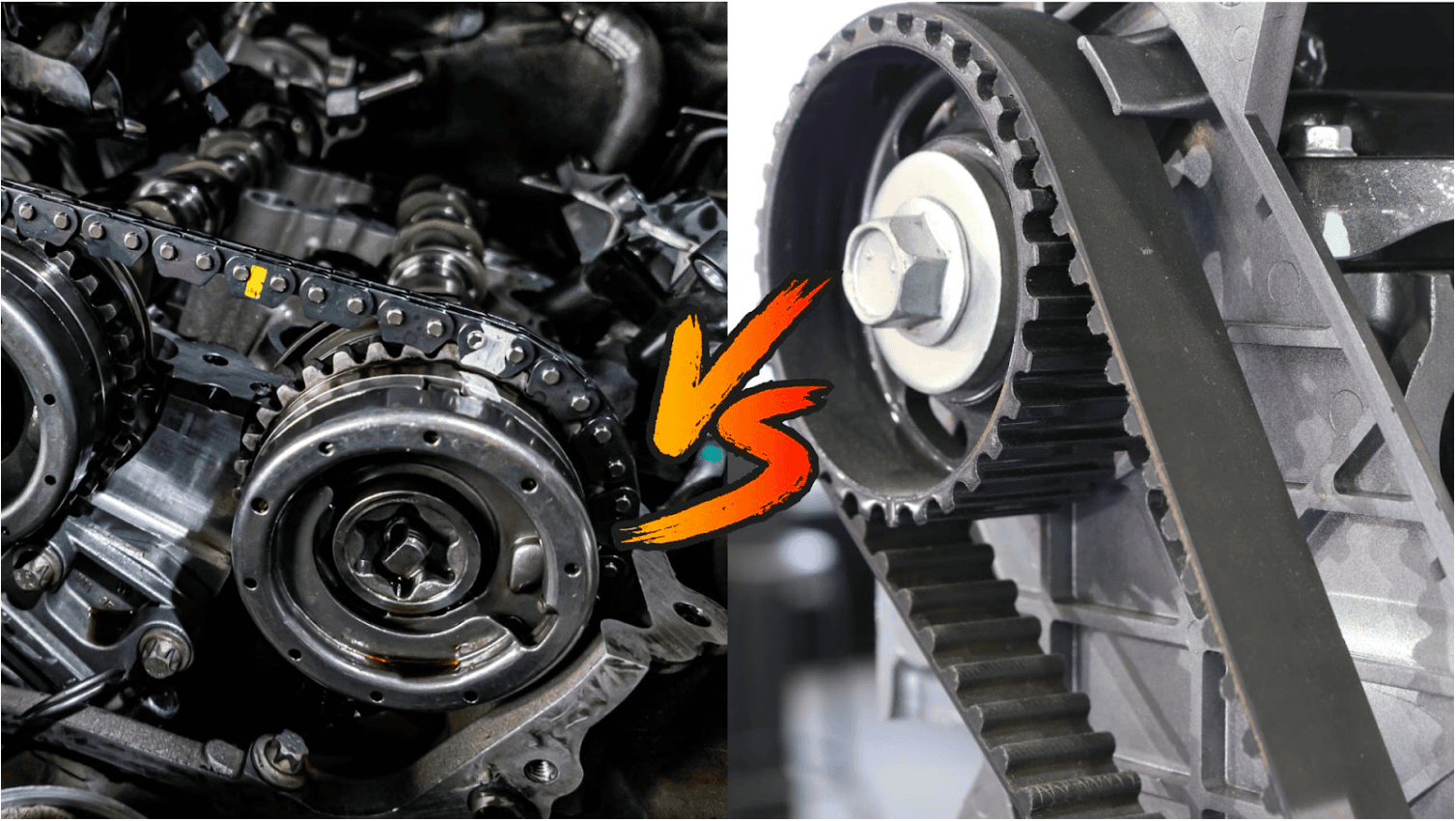
Two of the most important parts inside a vehicle engine are the Timing Belt and the Timing Chain. Simply put, these two components ensure that the top part of the engine (Valves) and the bottom part (Pistons) operate at a perfectly matching speed and time. Let's discuss this in a bit more detail.
What is the Function of the Timing System?
When Pistons move up and down inside the engine, the engine's Valves need to open and close accordingly. If the relationship between these two changes even by a fraction of a second, the piston can hit the valve, causing serious damage to the engine. That correct "timing" is maintained by this belt or chain.
Timing Belt
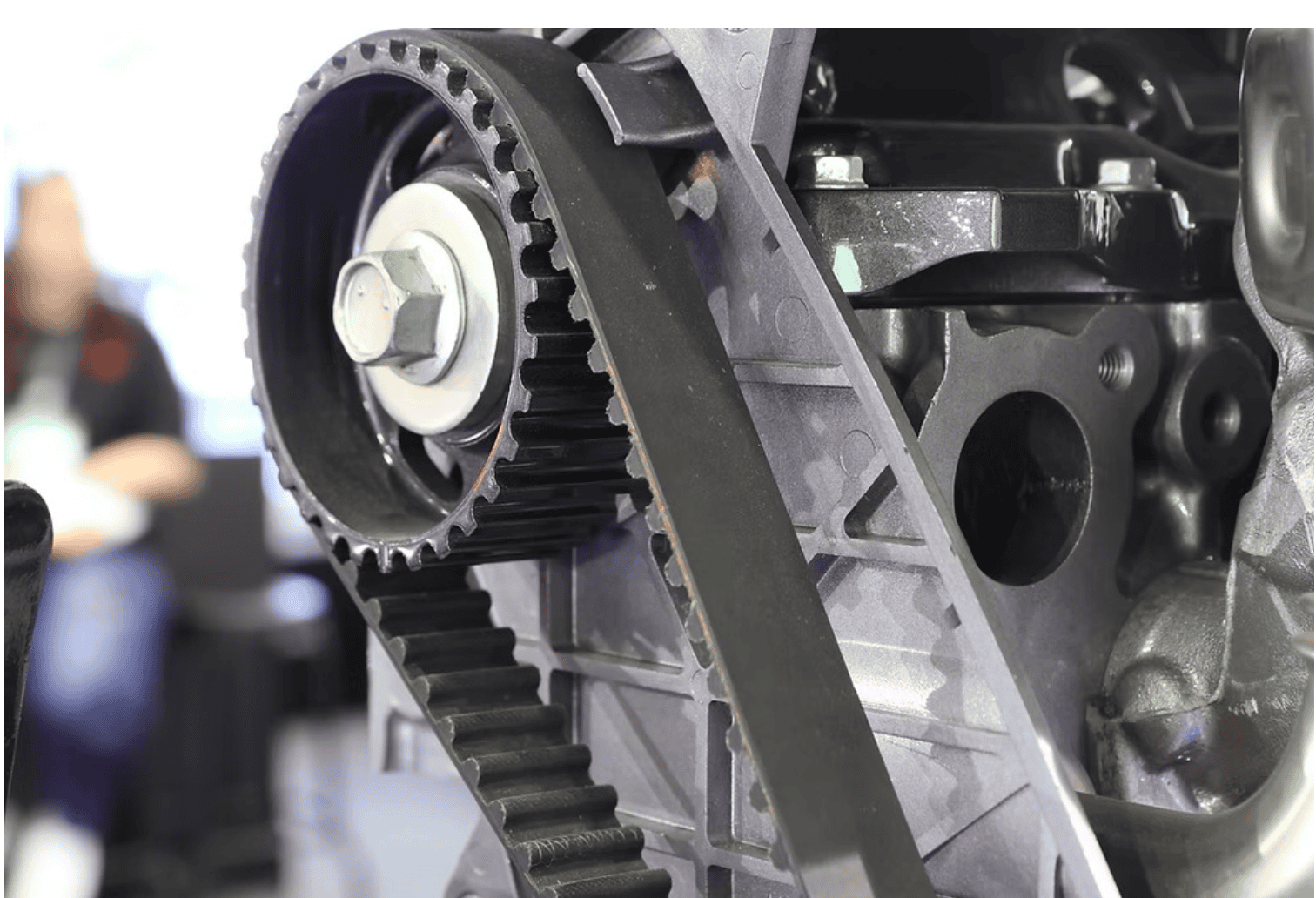
A timing belt is made of high-quality rubber and strong nylon cords. It has a toothed appearance on the outside.
- Pros: It is very quiet during operation. Also, production costs are low.
- Cons: Since it is made of rubber, it decays and cracks over time.
- Maintenance: Generally, it must be replaced every 80,000 - 100,000 km. If not, and the belt breaks suddenly, the engine can become completely disabled.
Timing Chain
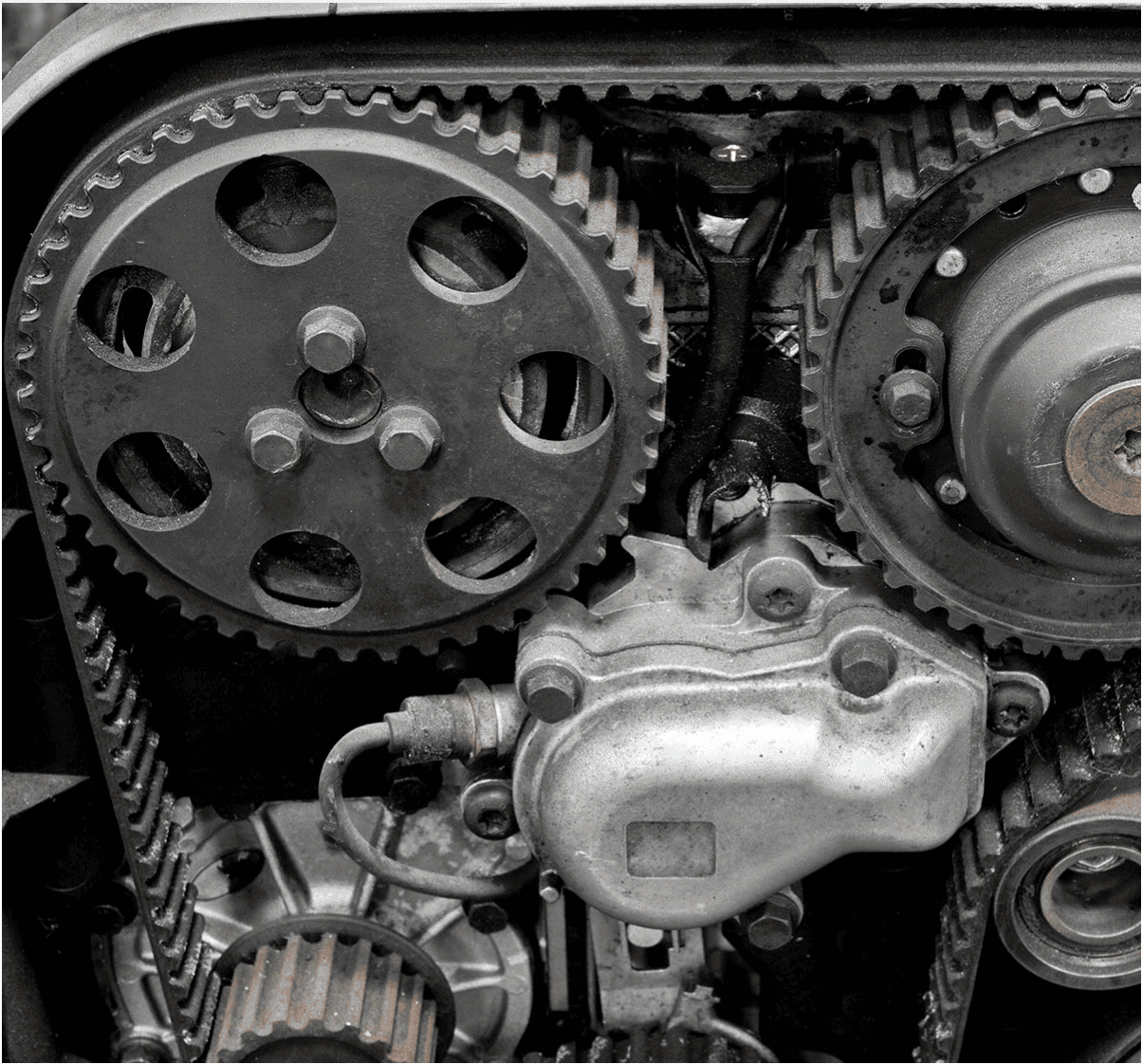
A timing chain looks exactly like a bicycle chain. It is made entirely of metal.
- Pros: It is extremely strong. Often, it does not need to be replaced from the time of vehicle manufacture until the end of the engine's life.
- Cons: It is noisier than a belt. Also, it needs to be constantly lubricated with engine oil.
- Maintenance: Even if there is no specific time to replace it, if engine oil is not changed properly, the chain can loosen (Stretch).
Which is Better?
Most new vehicles coming out now use the Timing Chain more frequently. The reason? Lower maintenance costs and higher reliability. However, if you are using a vehicle with a timing belt, never forget to replace it at the scheduled time. Because if a belt breaks, the resulting repair could cost lakhs of rupees.
Maintenance of the Timing Belt and Timing Chain is the main factor determining the lifespan of your vehicle's engine. The way these two are maintained is different. Let's look at that clearly.
Maintenance of a Timing Belt
Since a timing belt is a rubber product, replacing it on time is more important than maintaining it.
- Generally, the belt should be replaced every 80,000 to 100,000 km.
- Even if you haven't used the vehicle much, it is suitable to replace it after about 5 years because rubber decays.
- Also, check for Cracks, worn edges, or oil contamination on the belt. Oil contamination can cause the belt to slip or decay quickly.
- It is a good habit practiced by many to replace the Tensioner and Idler Pulleys as well as the Water Pump when replacing the belt. Because if these fail later, you will have to dismantle the engine again.
Maintenance of a Timing Chain
A timing chain does not need to be replaced frequently like a belt. However, its maintenance depends entirely on Engine Oil.
- The chain must always be wet with oil. If the oil gets dirty or is not changed on time, the links of the chain wear out, causing it to Stretch.
- Also, pay attention to the sound. If a metallic "clatter" or rattling sound is heard when starting or running the engine, it means the chain has become loose.
- If the plastic or metal parts (Guides) that keep the chain on the proper path are worn, they must be replaced.
Common Maintenance Advice for Both
- Dashboard Indicators: If the 'T-Belt' light on your dashboard illuminates, it means it is time to replace the belt. Do not ignore this.
- Oil Leaks: If oil is leaking from inside the engine's 'Oil Seals', fix them quickly. Because oil can cause the timing belt to decay quickly.
- Genuine Parts: Always use "Genuine" (correct manufacturer's) parts when replacing timing belts or chains. If a low-quality belt breaks, you may have to do a complete Engine Overhaul.
Also, when you buy a vehicle, if there are no records of when the timing belt was replaced, it is wiser to replace it immediately upon purchase.
எழுதியவர்
Nisaga Sandaru
A versatile and highly experienced professional, currently an Automobile undergraduate at the University of Jaffna, with strong technical expertise grounded in hands-on work as a technician with SriLankan Airlines Ground Support Equipment (GSE). Holding an Automobile NVQ Level 3 qualification, along with specialized certifications in Vehicle ECU Programming and Diagnosis, and extensive experience in arc welding and vehicle body painting, and well equipped to handle complex automotive, diagnostic, and fabrication-related tasks with a high level of competence.