How to Properly Control the Clutch of a Manual Vehicle on a Mountain Top

If you drive a manual vehicle, one of the most important skills you must master is clutch control — especially on slopes or mountain tops. Many drivers find this challenging, but understanding how the clutch works and how to use it correctly will make your driving safer and smoother. Today, MotorGuide explains how to properly control the clutch of a manual vehicle on a hill.
What Happens with the Clutch?
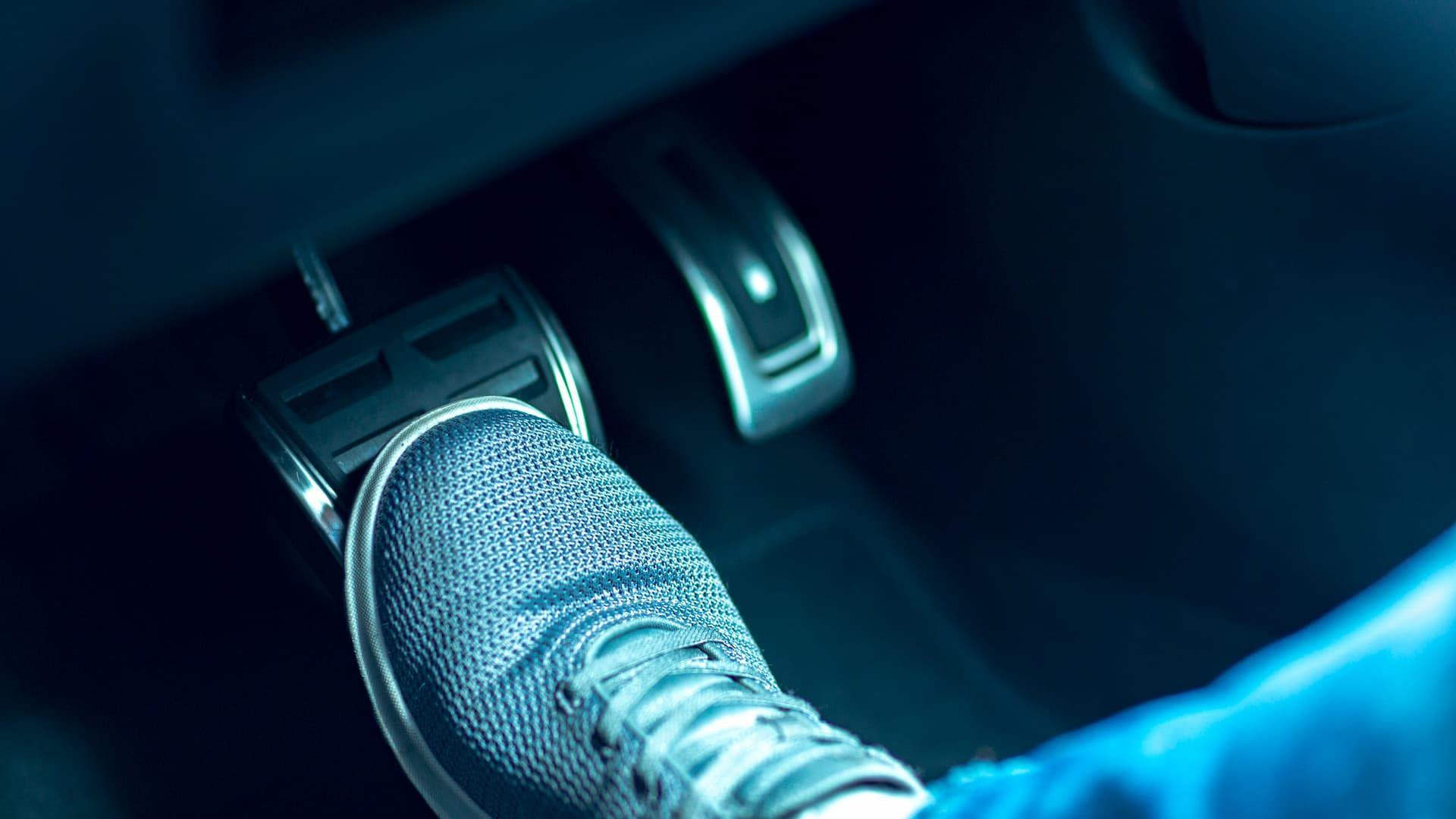
The clutch controls the connection between the engine and the wheels. When you press the clutch, the connection is cut, putting the vehicle in a neutral state. When you release it, the connection is restored, allowing the engine to transmit power to the wheels.
How to Control the Clutch on a Hill
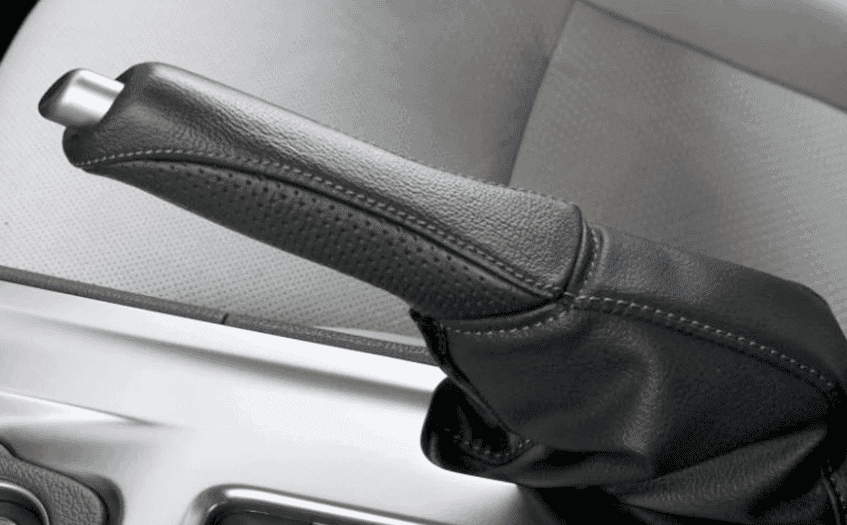
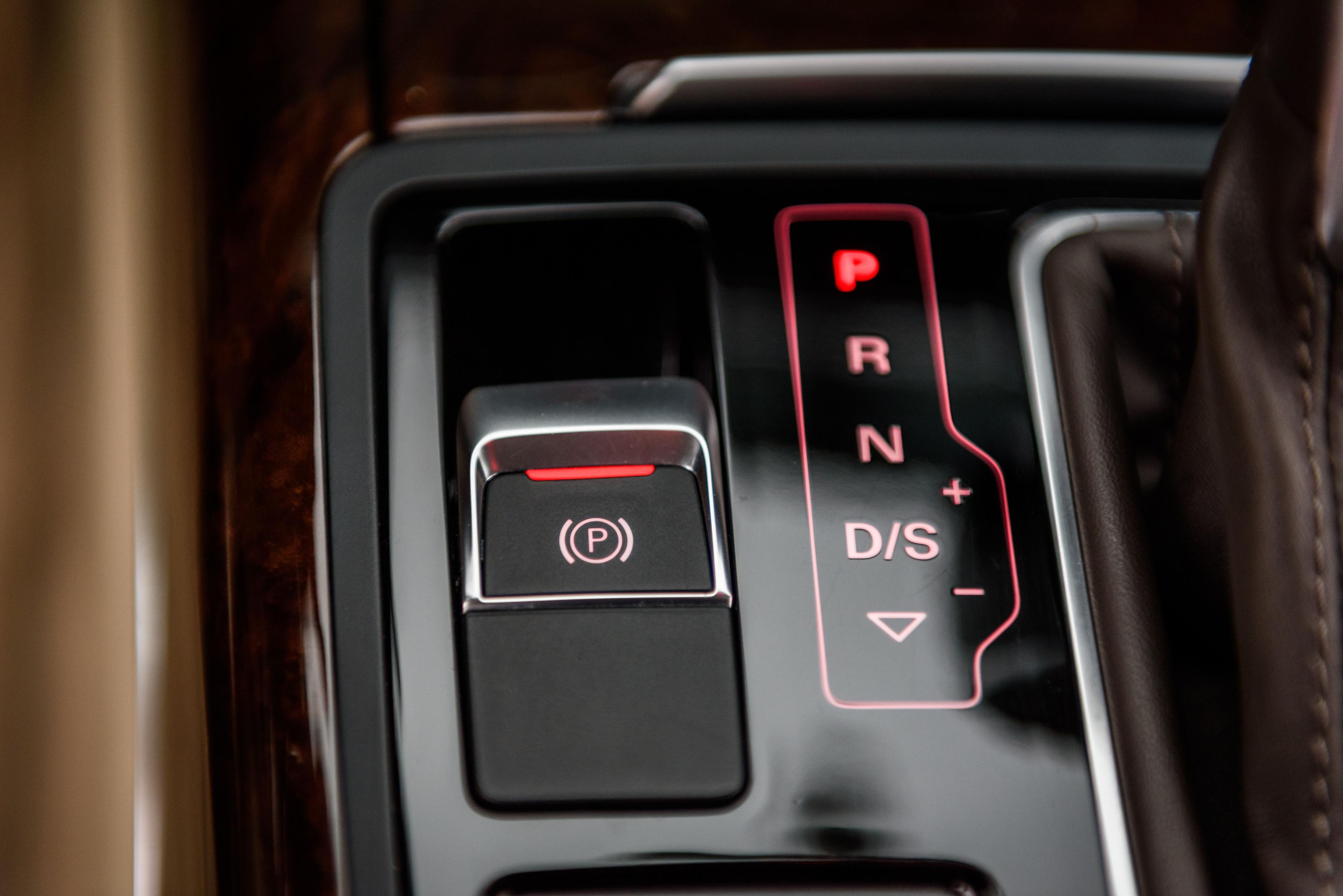
- Apply the brakes: If you stop on a slope, press both the foot brake and the hand brake while keeping the clutch pressed down.
- Find the biting point: Slowly release the clutch until you feel a vibration or hear the engine change. This is the clutch’s biting point.
- Release the hand brake: At the biting point, release the hand brake while keeping the clutch balanced.
- Release the foot brake: Slowly let go of the foot brake and check if the vehicle moves forward, backward, or stays still. If it stays still, you have reached clutch balance.
When Clutch Balance Is Not Reached
- If the vehicle rolls back after releasing the foot brake, the clutch is too low. Lift it slightly higher.
- If the vehicle moves forward suddenly, the clutch is too high. Lower it slightly.
The balance point is the position where the vehicle holds steady without rolling forward or backward.
What Is Slipping the Clutch?
Slipping the clutch means staying at or near the clutch balance point while slightly releasing it to move the vehicle. On flat roads, this technique can help you move smoothly. But on a hill, relying only on slipping the clutch is harmful — it can damage the clutch plate and pressure plate. Instead, once you reach the balance point, press the accelerator gently to move the vehicle forward safely.
Why Is It Difficult on Mountain Tops?
Many drivers struggle because they apply the accelerator before reaching the biting point. While this will move the vehicle, it puts unnecessary strain on the clutch system. The correct way is to reach the balance point first, then apply the accelerator to avoid damage and ensure a smooth start.
Situations Where Clutch Control Fails
- If you keep the foot brake pressed after balancing, the vehicle won’t move.
- Constantly riding the clutch while driving puts pressure on the clutch and damages the pressure plate.
- Overusing slipping clutch on hills leads to overheating and wear.
- Always apply the hand brake before releasing the clutch on a slope.
- Once balanced, gently press the accelerator to move forward.
- Do not rest your foot on the clutch while driving — it causes unnecessary wear.
- Practice on safe roads to build confidence with clutch control.
Now you know exactly how to manage the clutch of a manual vehicle on a mountain top. With proper technique, you can drive safely, protect your clutch system, and avoid costly repairs.

எழுதியவர்
Nipuna Marasinghe