How to Reverse a Vehicle Correctly


Reversing a car is one of the trickiest tasks for many drivers, especially beginners. Even experienced drivers sometimes feel uncertain when it comes to reversing. From the day you get your driving license to passing the practical test, reversing correctly is a skill you must master. Today, MotorGuide explains step-by-step how to reverse a vehicle safely and effectively.
See the Side Mirrors
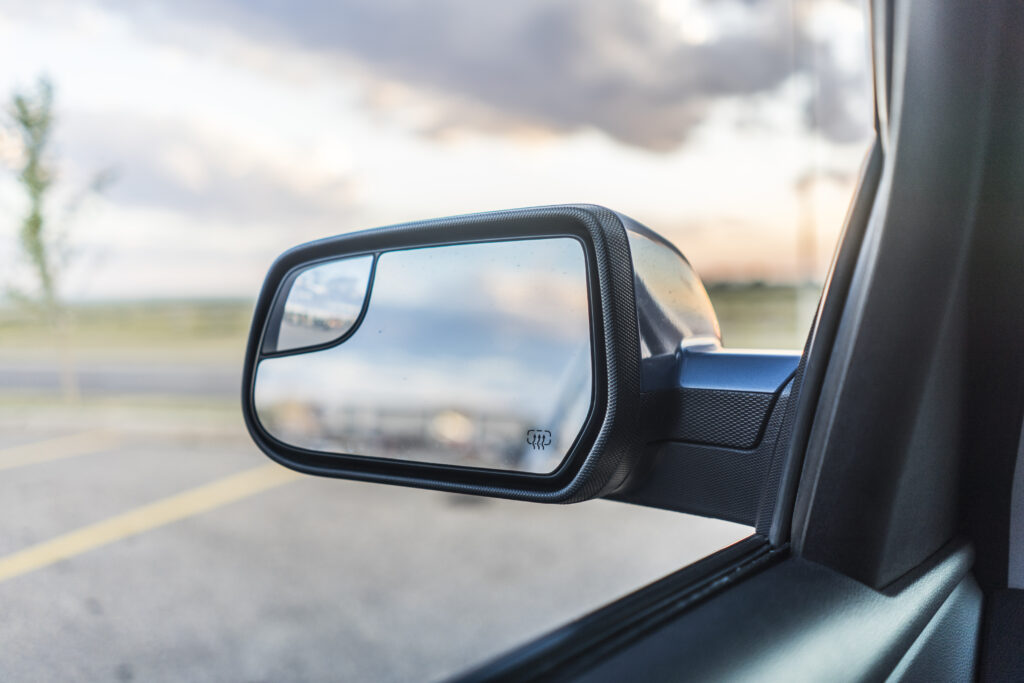
The first thing to check when reversing is your mirrors. Use both the side mirrors and the rearview mirror to monitor your surroundings. Proper mirror usage helps you avoid obstacles and judge distance. At the same time, be mindful of how you handle the steering wheel and balance the clutch:
- Clutch control: Lowering the clutch slows the vehicle, while raising it increases speed.
- Reverse gear: Always ensure the gear is in reverse—otherwise, the vehicle may move forward.
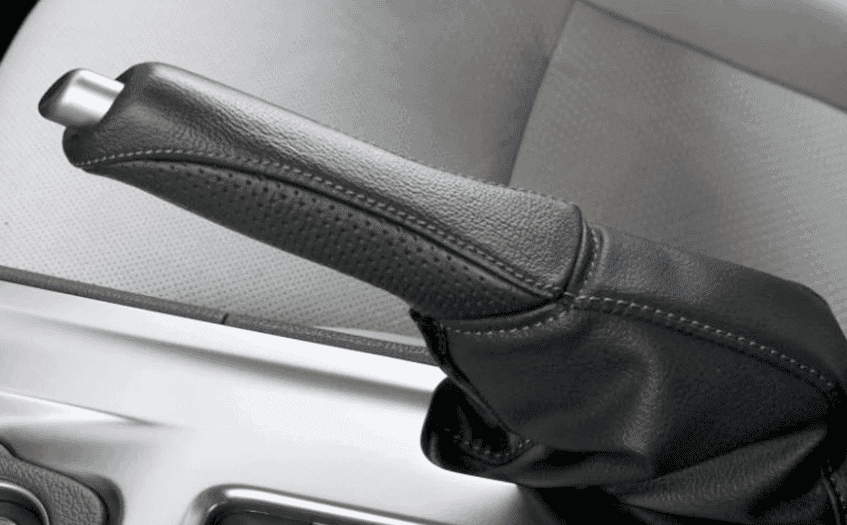
Apply the Hand Brake at the Right Time
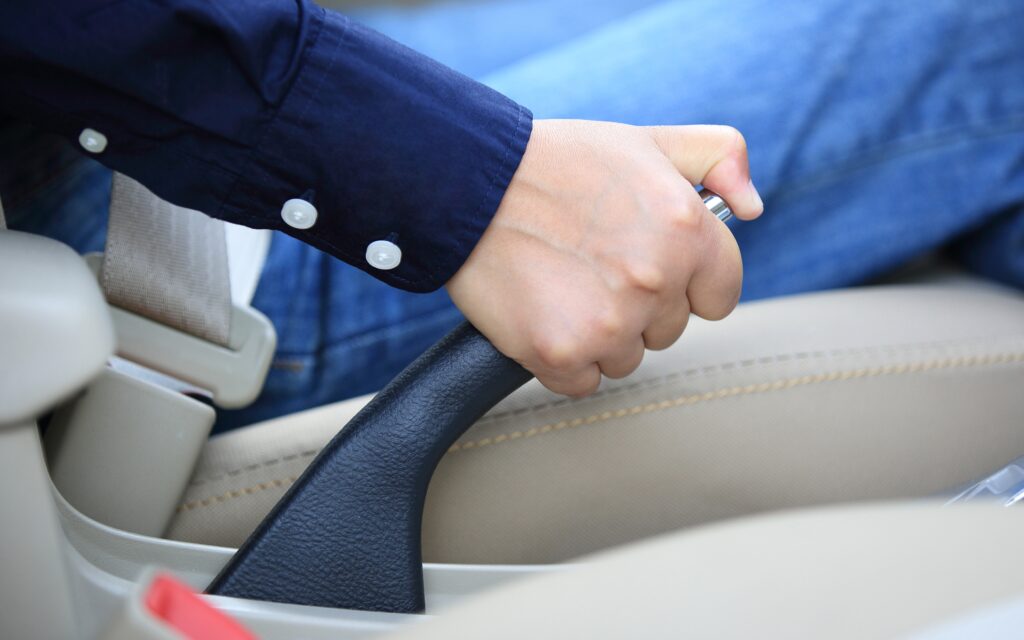
To start reversing:
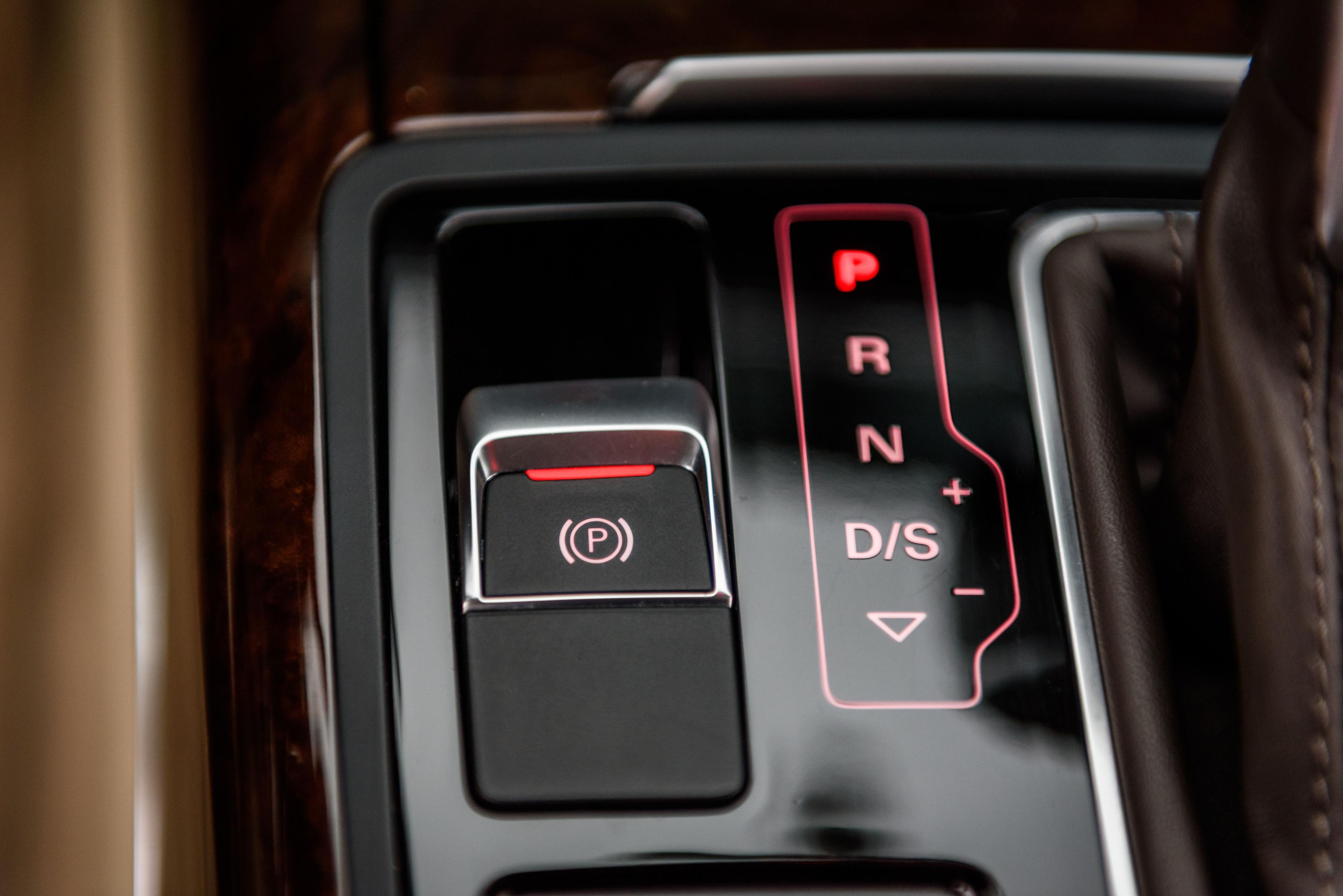
- Engage reverse gear and select the clutch bearing position.
- When you hear the vehicle slightly shake, apply the hand brake to keep it steady.
- Balance the clutch so the car doesn’t roll forward or backward unintentionally.
On flat surfaces, use clutch control to move at low speed. The accelerator should only be used when extra power is required.
When Reversing 90 Degrees

Reversing into a 90-degree turn requires extra steering control. As a guide:
- Turn the steering wheel two full turns in the direction you want to reverse.
- For example, if reversing left, turn the wheel completely to the left.
- Keep checking your mirrors throughout the maneuver.
Reverse Carefully
When reversing, always combine clutch control and brake use to manage speed. Some key tips include:
- If reversing to the left, watch the left side mirror; if reversing right, focus on the right side mirror.
- Always look behind you to ensure safety.
- Once the vehicle is straightened, turn the wheel two full turns in the opposite direction to align the car.
The vehicle’s speed depends entirely on how you control the clutch. With practice, you’ll gain confidence and reverse smoothly without hesitation.
Reversing a car is not just about moving backward—it’s about control, observation, and safety. By mastering mirror usage, clutch control, and steering techniques, you can reverse confidently in any situation. So next time you feel nervous about reversing, remember these tips from MotorGuide.

எழுதியவர்
Nipuna Marasinghe