Is the Engine Number on Your Vehicle Different?

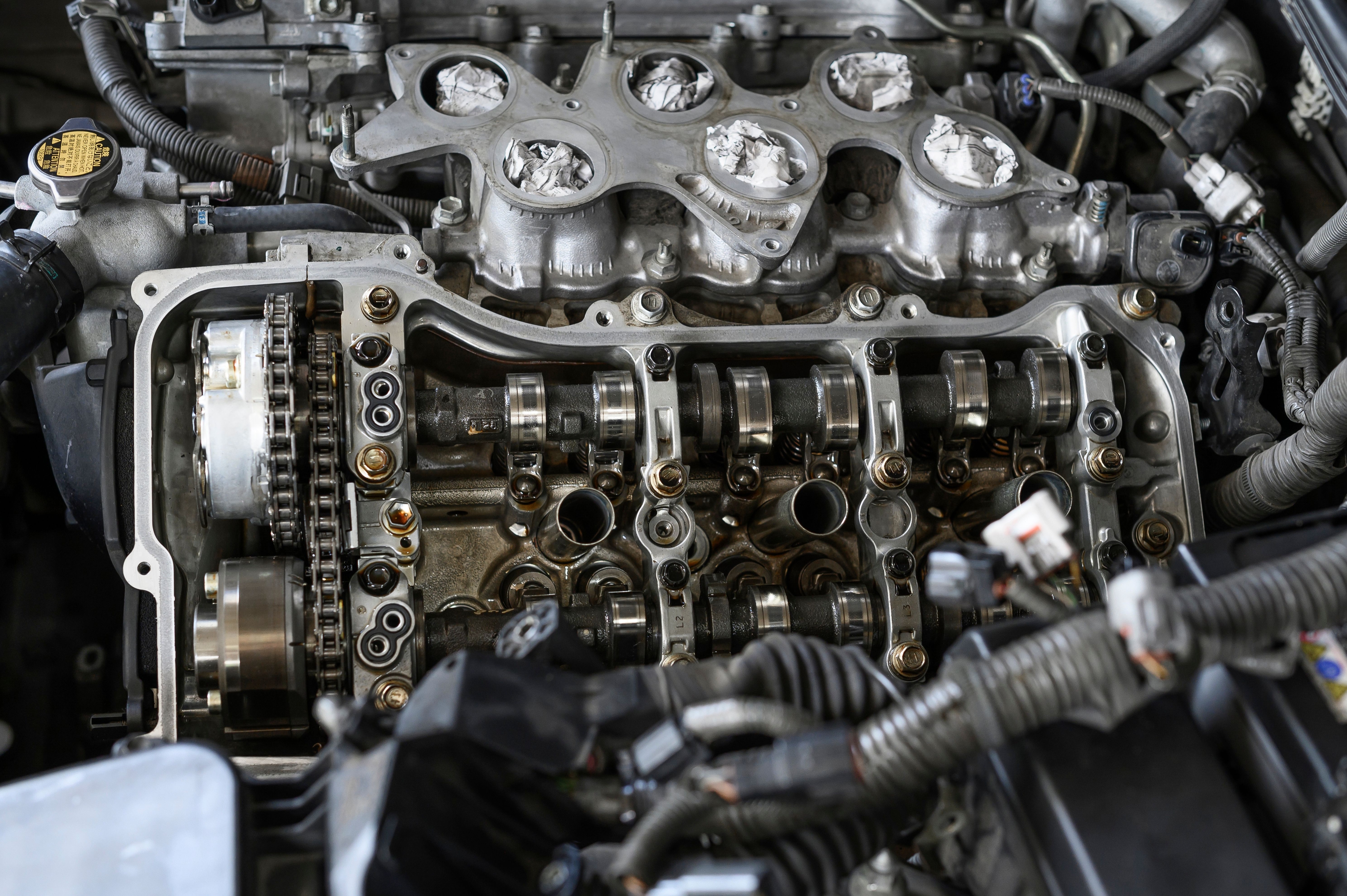
Many vehicles currently running in Sri Lanka face issues with mismatched or incorrect engine numbers. As the vehicle owner, you are responsible for ensuring the accuracy of your vehicle’s engine number. It is common for a new engine to be installed when the old one wears out. However, some people fail to register the new engine legally. Instead, they simply update the engine number in the registration book to match the newly installed engine. While this may seem like a quick fix, it can cause serious legal and financial problems in the future. Today, MotorGuide explains what happens if the engine number of your vehicle is incorrect or illegally changed.
Disadvantages of Changing the Engine Number
Installing an engine without approval and altering the engine number is considered illegal assembly. Such vehicles are not eligible for financial facilities like bank loans or leasing. This is because appraisal reports, required for financing, specifically mention whether an engine number is locally stamped. Financial companies refuse facilities if they find irregularities. Additionally, insurance companies may reject claims if the engine number does not match the registration certificate. Buyers who notice mismatched or altered engine numbers may also refuse to purchase the vehicle.
Printing Errors
In some cases, minor discrepancies between the engine number on the registration certificate and the number on the vehicle may occur due to printing errors. Common mistakes include confusing the letter “I” with the number “1” or the letter “O” with “0.” Such errors can be corrected easily through the Registrar of Motor Vehicles (RMV).
Department Errors
Vehicles registered between 2002 and 2005 often show mismatched engine numbers due to departmental practices. During this period, only the first symbol of the engine number was recorded in the registration certificate. For example, numbers starting with “H” or “J” may not appear in full. This was because engines were treated as spare parts at that time. Fortunately, such errors can also be corrected by applying to the RMV.
If You Have a New Engine
If your vehicle has a new engine, the engine number on the vehicle may differ from what is printed in the registration certificate. This is a common situation, and you can legally update the details through the RMV. However, if the engine number was registered illegally, the error cannot be corrected, as it falls under the category of illegal assembly.
As you can see, mismatched engine numbers can cause multiple problems—from rejected financial facilities to denied insurance claims and reduced resale value. If you install a new engine, always register it legally with the RMV. And before buying a vehicle, make sure to check the clarity and authenticity of the engine number to avoid future complications.

எழுதியவர்
Nipuna Marasinghe