New Standards for School Transport Services Introduced in 2026

We are now in 2026. By this time, the government has introduced a series of extremely strict and formal standards for the school transport service in Sri Lanka—that is, the vans and buses that take our children to school. As Motor Guide, we see this as something that should have happened a long time ago. Child safety is not something to be trifled with. Under the new school transport safety rules Sri Lanka has implemented, let us explain what these regulations are and how to prepare a vehicle for them.
Mechanical Status and Fitness Certificate
According to the new 2026 law, every vehicle providing school services must undergo a full Mechanical Inspection by a government-approved institution every six months. During this inspection, special attention is paid to the efficiency of the braking system, the condition of the tires, and engine emissions. The inspection, which was previously done once a year, has been shortened to six months because we cannot leave any room for mechanical faults in a vehicle carrying children.
Furthermore, the installation of Speed Governors in every vehicle is now mandatory. The maximum speed limits at which a school van can travel in urban areas and side roads are now strictly controlled under these new regulations.
GPS and Smart Tracking Systems
It is now mandatory for every school transport vehicle to have a GPS tracker connected to the government's central system. This is a key part of the school van regulations 2026. This does not just allow parents to see where their child is via an app; if the vehicle deviates from the designated route or is driven at excessive speeds, it instantly notifies the authorities.
Thanks to this technology, drivers are driving more responsibly than ever before. Additionally, having a CCTV camera system inside the vehicle has now been recommended under the new standards.
Vehicle Color and Interior Facilities
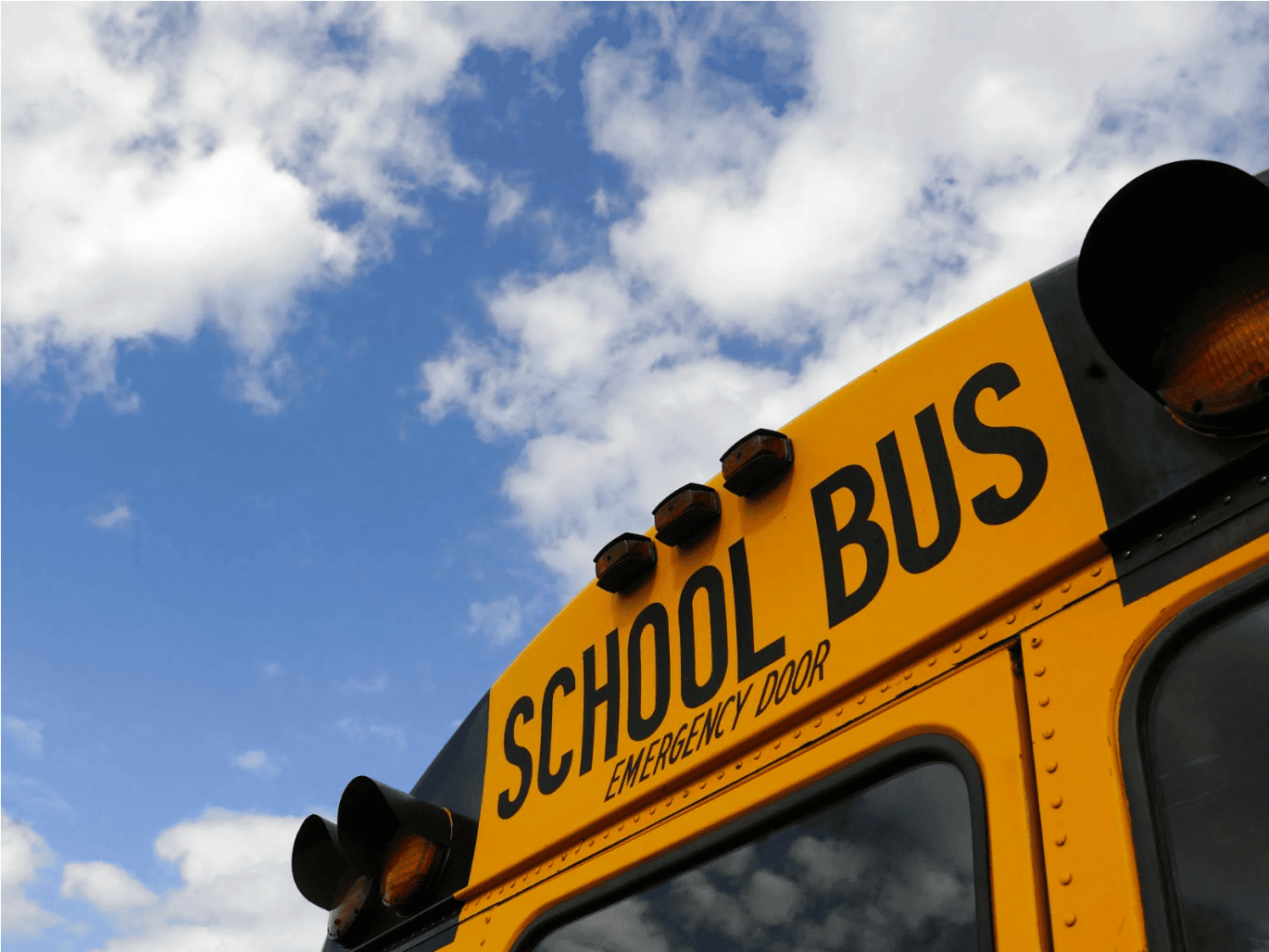
It has been made mandatory for all school service vehicles to be of one color: bright "School Bus Yellow." The words "School Service" must be clearly visible on both sides and the rear of the vehicle.
Moreover, the law regarding Seating Capacity inside the vehicle is now being enforced very strictly. Overloading children is now completely prohibited. Every seat must have Seat Belts, and the vehicle is inspected to ensure there is an accessible and functional "Emergency Exit" in case of an accident.
Driver and Assistant Certification
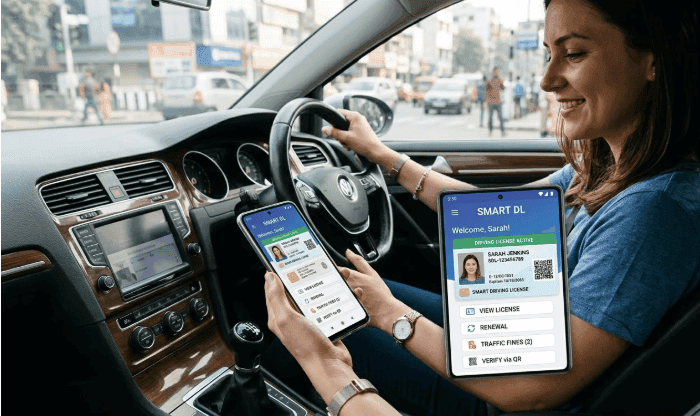
The most special feature introduced in 2026 is the School Transport Driver's License. Having a normal driving license is no longer enough. Drivers engaged in school service must undergo a special psychological test and participate in First Aid Training once a year to obtain the relevant certificate.
Also, having an assistant (Attendant) in the vehicle is now mandatory. They must assist, especially in helping small children board and alight from the vehicle. Obtaining a police report stating that neither the driver nor the assistant has any criminal record is also part of this new child transport law Sri Lanka enforces.
Motor Guide Advice: Driving a school van or bus is a meritorious deed as well as a massive responsibility. The cost of maintaining the vehicle might increase slightly due to these new standards. However, when compared to the value of a child's life, that cost is trivial. Do not forget to check the vehicle's brakes, tires, and lights every morning. Adapt to the new technology, follow the law, and dedicate yourself to transporting the future of our country safely.

எழுதியவர்
Nisaga Sandaru
A versatile and highly experienced professional, currently an Automobile undergraduate at the University of Jaffna, with strong technical expertise grounded in hands-on work as a technician with SriLankan Airlines Ground Support Equipment (GSE). Holding an Automobile NVQ Level 3 qualification, along with specialized certifications in Vehicle ECU Programming and Diagnosis, and extensive experience in arc welding and vehicle body painting, and well equipped to handle complex automotive, diagnostic, and fabrication-related tasks with a high level of competence.