Automatic Vehicle Diagnostics (OBD Scanner) and AI Technology

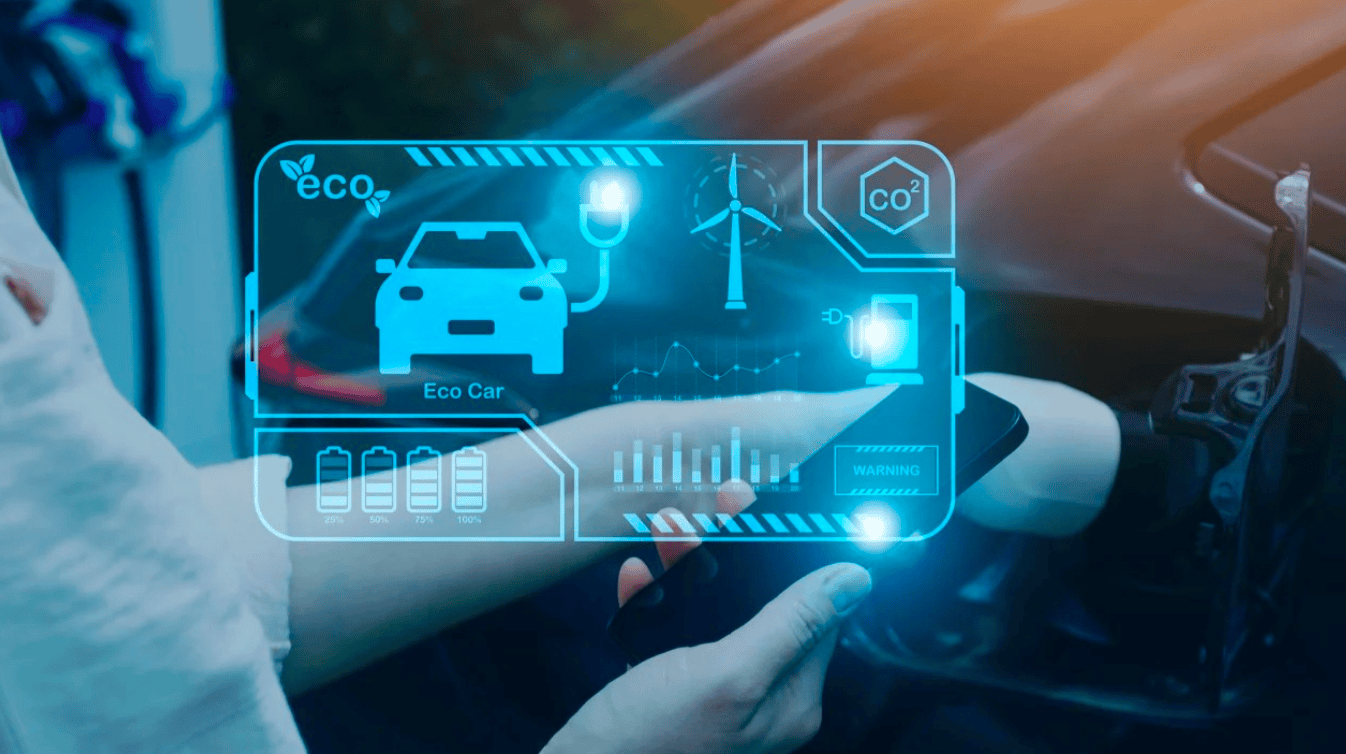
With the rapid advancement of vehicle technology today, we simply cannot work in the old ways. Unlike the mechanics of the past, it is now difficult to diagnose faults just by listening to the sound of an engine. Modern vehicles are packed with sensors and wiring, while mechanical components have decreased significantly. That is why the OBD Scanner and Artificial Intelligence (AI) have become essential tools. We cannot see what is happening inside the ECU (Electronic Control Unit), which acts as the vehicle's brain, with our naked eyes. The OBD system is the only window we have to peek inside.
For those looking for a reliable car diagnostic tool Sri Lanka, understanding how these systems work is crucial. First, let's look at what OBD (On-Board Diagnostics) is. Almost every vehicle manufactured after 1996 has an OBD-II port. This system monitors everything happening while the vehicle is running. It allows you to check the air and fuel mixture of the engine, the correct operation of pistons, and whether the emissions system sensors are working. However, a standard scanner only shows an Error Code when something goes wrong. For example, a code like P0300 means there is a "Misfire." But there could be many reasons for this. That is where AI technology becomes important.
To have the OBD scanner explained simply, it provides the "what," but AI provides the "why." New scanners and software equipped with AI technology do not just display a code; they deeply analyze why that code appeared. A vehicle diagnostics AI system can use Big Data from hundreds of thousands of vehicles around the world to provide a solution that is 99% accurate for your specific problem. It is like having thousands of the world's best engineers gathered to give you advice. AI looks at the vehicle's 'Live Data'—watching how sensor values change while the engine is running—to accurately distinguish whether the fault lies in a sensor or a mechanical part.
Another super advantage of this technology is Predictive Maintenance, or "identifying future ailments in advance." It is always better to fix a vehicle before it stops on the road. AI systems can observe patterns in vehicle data. For example, by looking at how a battery's voltage drops over time, AI can send a message saying, "This battery might fail in another month." Similarly, it can identify subtle changes in a turbocharger or injectors and warn the owner before major damage occurs. This saves the vehicle owner a significant amount of money and time.
OBD and AI are our best assistants as vehicle owners. In the past, we had to dismantle the vehicle for hours to find a fault. Now, we just have to plug in the scanner and get an AI report. That report tells us where the fault is, what part needs to be replaced, and there are even scanners now that show videos on how to replace it. This increases the accuracy of our work. There is no need to lose customer trust by replacing the wrong parts. This technology helps us give the right medicine for the right illness.
In the future, this will develop even further. Through Telematics technology, the vehicle's OBD system will connect directly to the internet (Cloud). Then, even before the vehicle comes to the garage or a warning light turns on, a report will come to the mechanic's tablet saying, "This vehicle is likely to develop this fault." Furthermore, AI can even perform Software Updates on the vehicle. This is just like updating a smartphone, known as Over-the-Air (OTA) updates.
Motor Guide Advice
In conclusion, do not be afraid of technology; embrace it. Learn how to use a new scanner, how to read its graphs, and how AI analyzes data. This will not only increase your knowledge about vehicles but also enable you to become a skilled expert among many. Remember, no matter what the tool is, the most important thing is the knowledge of the person using it. Therefore, always try to read about OBD and AI and learn new things.

எழுதியவர்
Nisaga Sandaru
A versatile and highly experienced professional, currently an Automobile undergraduate at the University of Jaffna, with strong technical expertise grounded in hands-on work as a technician with SriLankan Airlines Ground Support Equipment (GSE). Holding an Automobile NVQ Level 3 qualification, along with specialized certifications in Vehicle ECU Programming and Diagnosis, and extensive experience in arc welding and vehicle body painting, and well equipped to handle complex automotive, diagnostic, and fabrication-related tasks with a high level of competence.