The Legal Procedure for Issuing Automatic Traffic Fines via CCTV Data

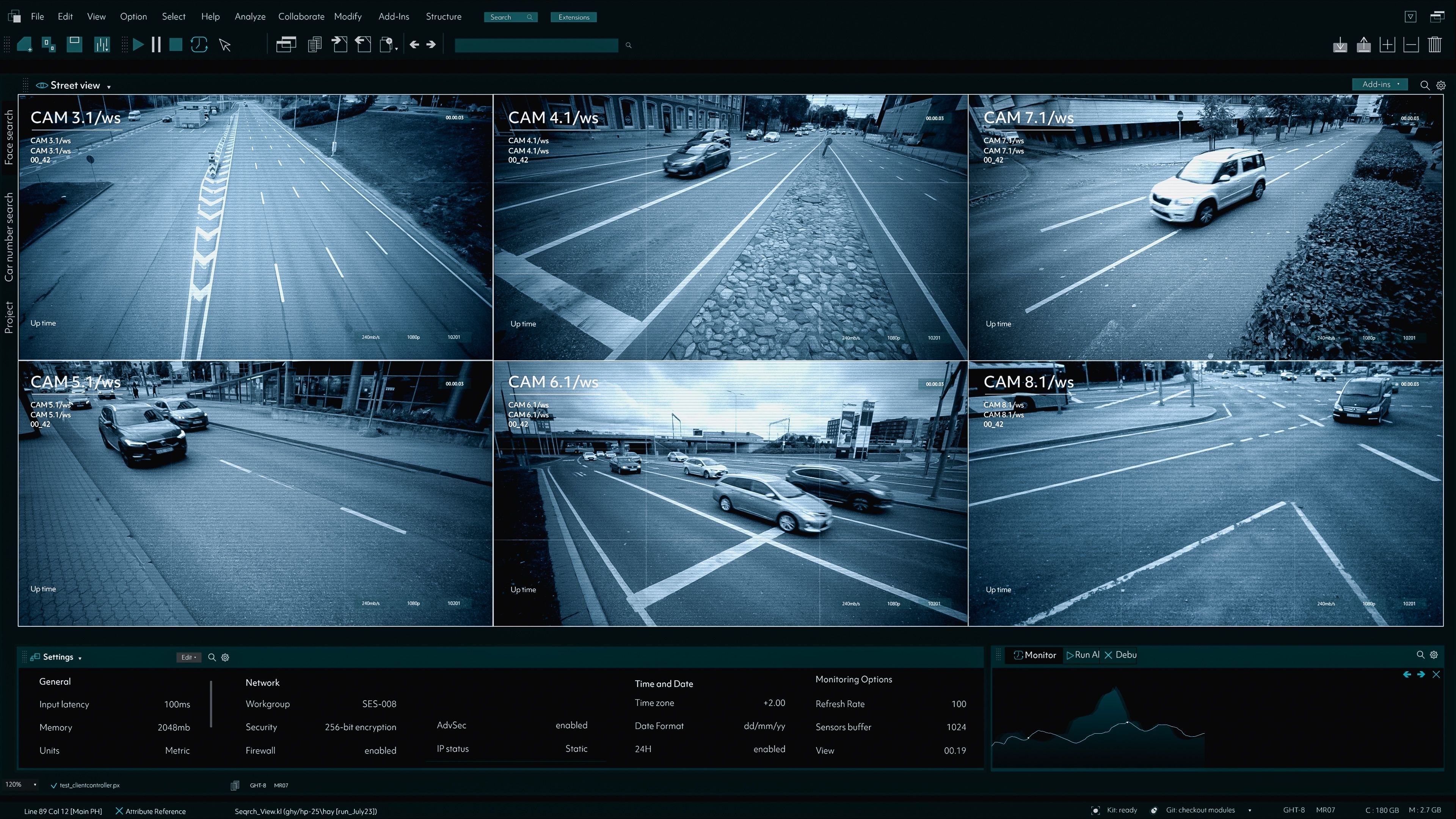
Issuing traffic fines automatically through CCTV camera systems is a direction the whole world is taking along with the advancement of technology. Since this mechanism has now started operating within the island, it is valuable for you to know exactly what happens both technically and legally regarding CCTV traffic fines Sri Lanka. This is not as simple as a camera on the road taking a photo and sending a fine to your home; there is a massive system and a legal framework behind it.
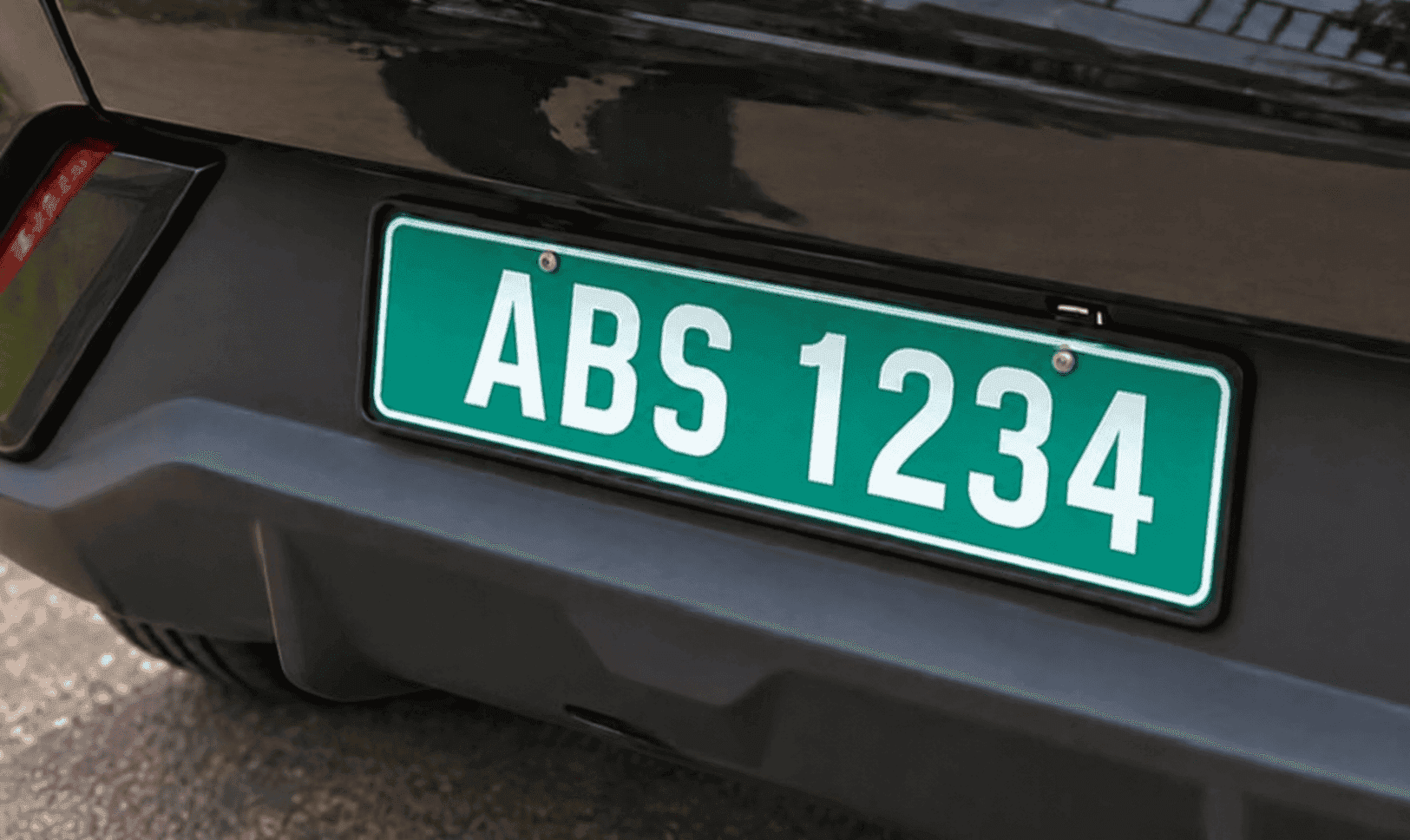
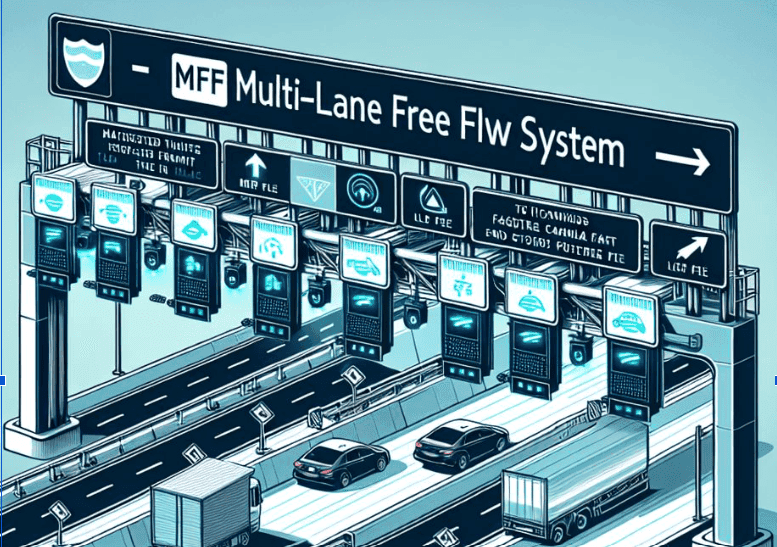
First, let's look at how this works technically. The cameras installed on the roads are not ordinary cameras; they are equipped with ANPR (Automatic Number Plate Recognition) technology. If a vehicle exceeds the speed limit or ignores a red light, this camera captures the vehicle's number plate very clearly at that exact moment. Furthermore, along with video evidence, this data goes directly to the main control center at the Police Headquarters. It is here that an automated traffic violation system cross-references the vehicle number with the Motor Traffic Department Database.
Now let's turn to the legal side. According to the Motor Traffic Act of Sri Lanka, police officers have the power to impose fines for traffic offenses. However, under this new method, traffic fines camera evidence is accepted as "static evidence" before the law. When a vehicle commits an offense and is recorded by the camera, the registered owner of that vehicle must take responsibility before the law. This is because the system sees the vehicle, not necessarily who was driving it at that moment. Therefore, the fine sheet is issued in the name of the vehicle owner.
Steps in Issuing a Fine Sheet
After the system identifies an offense, it does not print a fine immediately. First, a team of trained police officers examines this footage. They verify whether an offense actually occurred and if the camera has captured the number plate correctly. Only after this is confirmed through "human intervention" is the relevant fine sheet prepared. This sheet includes the offense you committed, the time it happened, the location, and a clear photograph of the vehicle as evidence.
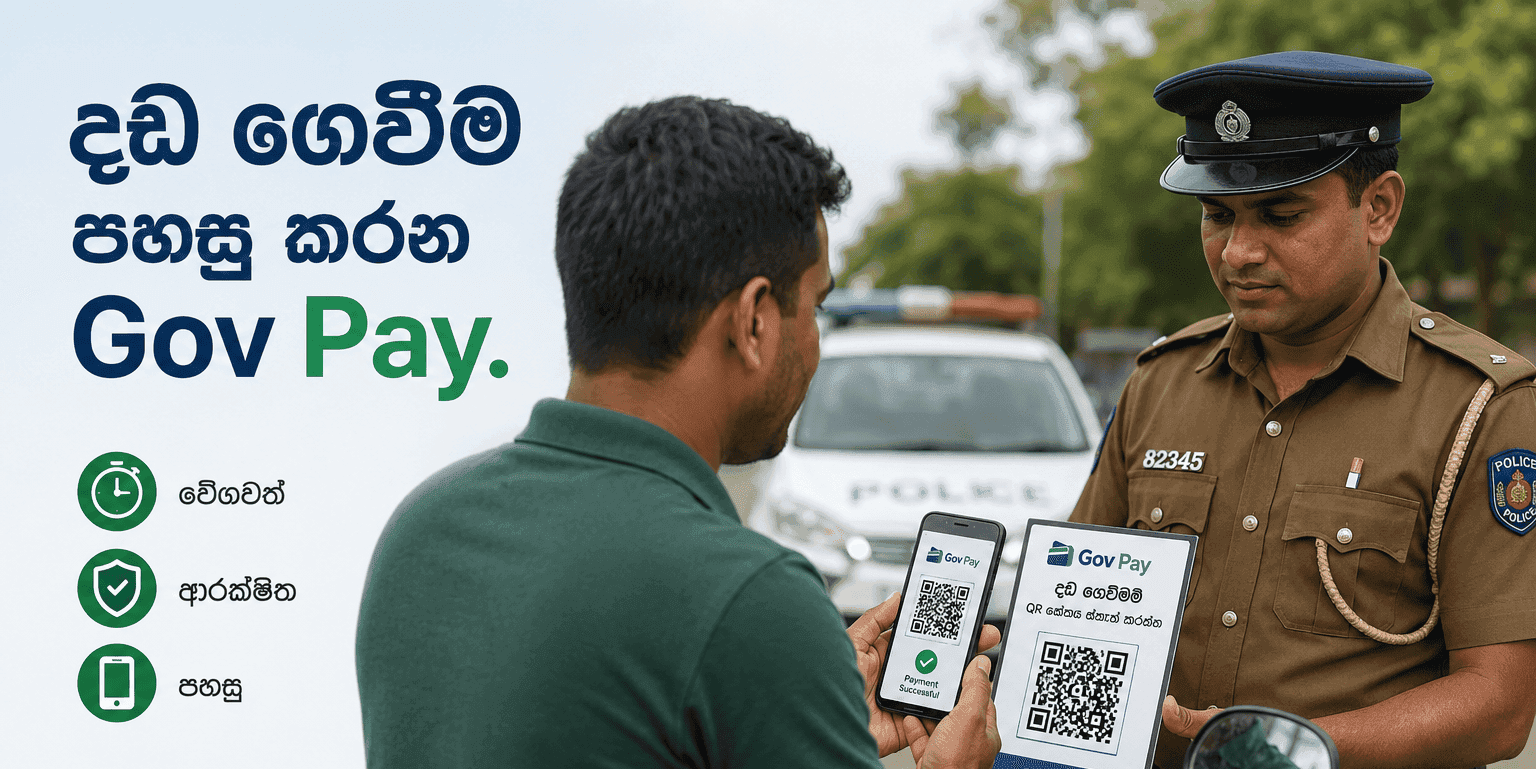
The next most important thing is how this is delivered. Most of the time, this is received at the owner's address via registered post. Alternatively, with current technology, a notification can be sent to the owner's mobile phone via SMS. Once the fine is received, a specific time period is given to pay it. Usually, the fine must be paid within 14 days. if not, the fine amount may increase, and there is a possibility of facing legal action.
Why Can't You Escape the Law?
As mentioned earlier, all these data systems are interconnected. If you refrain from paying the fine, the system will show this when it is time to renew the vehicle's revenue license. Consequently, you will not be able to get the license until the fine is settled. Moreover, these cameras are technically advanced enough that the footage is difficult to challenge even in a court of law. Cameras with 4K or higher resolution, which can capture data clearly even from meters away, are used for this.
Another point is that some people think cameras cannot see at night. This is a misconception. Since these have Infrared (IR) technology, data is recorded very clearly even in pitch darkness. Therefore, the law is enforced regardless of whether it is day or night. The main advantage of this system is the lack of bias. A police officer might sometimes warn and release you, but a machine has no such emotions; an offense is an offense.
Submitting Appeals
However, it must be mentioned that even technology can have moments of error. For example, if you receive a fine for your number due to another vehicle running with a fake number plate, you have the legal right to submit an appeal. In such a valid instance, you can go to the relevant police station, present correct evidence, and have the fine removed.
This entire process is happening to create discipline on the roads. When such an automatic method is in place, drivers become more thoughtful. When the law is implemented to the letter, the number of accidents decreases. Therefore, being aware of this legal procedure and driving while respecting the law is safer for everyone.

எழுதியவர்
Nisaga Sandaru
A versatile and highly experienced professional, currently an Automobile undergraduate at the University of Jaffna, with strong technical expertise grounded in hands-on work as a technician with SriLankan Airlines Ground Support Equipment (GSE). Holding an Automobile NVQ Level 3 qualification, along with specialized certifications in Vehicle ECU Programming and Diagnosis, and extensive experience in arc welding and vehicle body painting, and well equipped to handle complex automotive, diagnostic, and fabrication-related tasks with a high level of competence.