Understanding Door Pillars

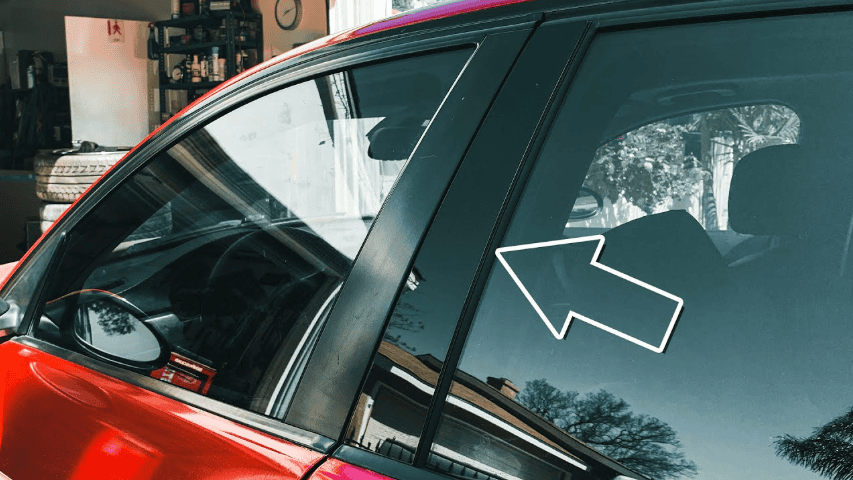
Today at Motor Guide, we are discussing one of the primary factors that determines the safety and structural integrity of a vehicle: Door Pillars. While many people focus solely on the engine, paint job, or interior comfort when buying a vehicle, they often pay very little attention to the condition of these pillars. However, you must remember that a vehicle's structural strength is fundamentally maintained by these pillars. Simply put, these pillars act as the structural bridge connecting the vehicle's roof to its body.
The Classification: A, B, C, and D Pillars
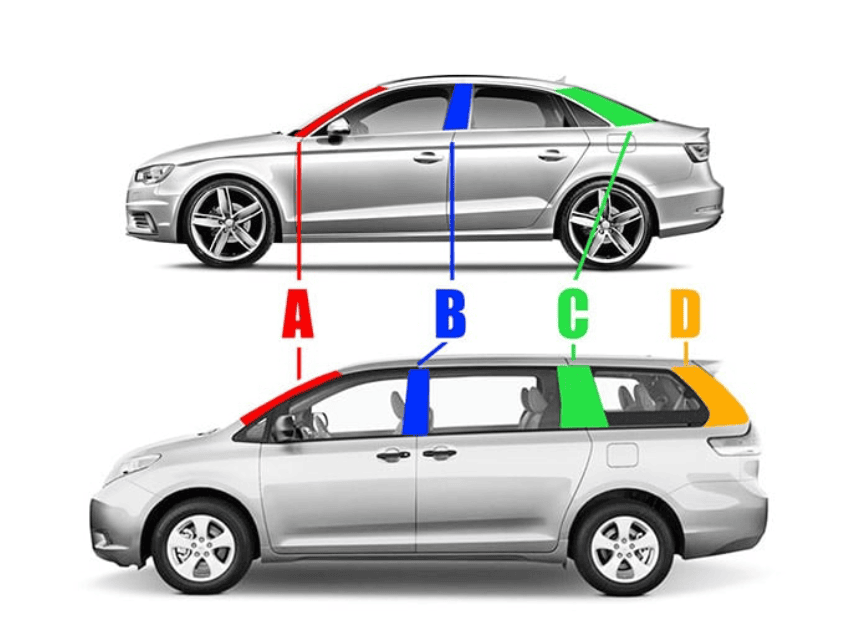
Generally, a vehicle's pillars are divided into three or four sections. We refer to them as the A, B, C, and D pillars.
The two pillars on either side of the front windshield are known as the A-pillars. This is a highly critical component because, in the event of an accident or rollover, these two pillars prevent the roof from collapsing inwards. Furthermore, for the driver to have an unobstructed front view, this pillar must be manufactured to the precise standard and shape.
Next is the B-pillar. This is located right in the middle, between the front and rear doors of the vehicle. During a side-impact collision (T-bone crash), this pillar needs to be at its maximum structural strength to minimize the impact and harm to the occupants inside.
Moving further back, the pillars on either side of the rear windshield are called the C-pillars. If you are driving a larger vehicle like an SUV, station wagon, or van, you will also see a D-pillar even further back. Every single one of these pillars is equally important to the overall rigidity of the vehicle's body.
Inspecting for Accident Damage
When inspecting a vehicle, determining whether these pillars have their original factory finish is highly crucial. Driving a vehicle where the pillars have been cut and welded back together after a major accident poses a massive threat to your life. Manufacturers forge these pillars as a single, continuous, strong piece of high-tensile metal. When a pillar is severed in the middle and re-welded, the structural integrity and strength at that specific joint are completely lost.
The Importance of Spot Welds
Especially when you go to purchase a used vehicle, do not forget to peel back the rubber weatherstripping (beading) on the pillars and look inside. Along that inner seam, you must be able to see the factory 'Spot welds'—small, circular, dimple-like marks spaced at regular intervals. If these marks are missing, erased, or if the surface feels unnaturally uneven, it strongly indicates that the pillar has been damaged and repaired. If a pillar is structurally bent, the vehicle's doors will not close smoothly, and you might even notice ripples or creases on the roof. Additionally, weaknesses in these repaired pillars often lead to rattling and unusual noises when driving at high speeds.
The Danger of Rust and Body Filler
One dangerous practice we frequently observe is people covering up rust on the pillars with thick layers of body filler (bondo) and simply painting over it. This is extremely hazardous because rust signifies that the metal has weakened. In a rollover scenario, the roof of a vehicle with such compromised pillars can crush completely, causing fatal injuries to the passengers. Therefore, a pillar is not just a piece of metal; it is your ultimate protective shield. If you notice a color mismatch on a pillar or if the paint feels unusually thick, think twice before buying.
Modern Technology and Vehicle Geometry
In modern vehicles, curtain 'Airbags' are often installed inside these very pillars, further increasing their technical and safety value. Furthermore, when a pillar is severely damaged, the entire geometry of the vehicle gets distorted. This can lead to a domino effect of issues, ranging from uneven tire wear to the vehicle becoming uncontrollable at high speeds. Therefore, always remember that the pillars are the backbone of your vehicle.
Motor Guide's Final Advice
Finally, our advice at Motor Guide is this: whether you are planning to buy a vehicle or are currently driving one, pay close attention to the condition of its pillars. Even after a seemingly minor accident, if a pillar sustains damage, have it thoroughly inspected by an experienced, qualified technician according to strict standards. A vehicle with a cut and rejoined pillar is a walking death trap. Prioritizing safety over visual appearance is the true mark of an intelligent driver. We believe the insights provided today about pillars will be of great assistance in your future vehicle purchases and in ensuring your safe driving. And don't forget to always stay tuned with Motor Guide to learn more valuable information like this about modern vehicles and technology!

எழுதியவர்
Nisaga Sandaru
A versatile and highly experienced professional, currently an Automobile undergraduate at the University of Jaffna, with strong technical expertise grounded in hands-on work as a technician with SriLankan Airlines Ground Support Equipment (GSE). Holding an Automobile NVQ Level 3 qualification, along with specialized certifications in Vehicle ECU Programming and Diagnosis, and extensive experience in arc welding and vehicle body painting, and well equipped to handle complex automotive, diagnostic, and fabrication-related tasks with a high level of competence.