What is D-CVT?

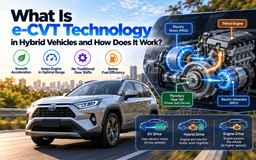
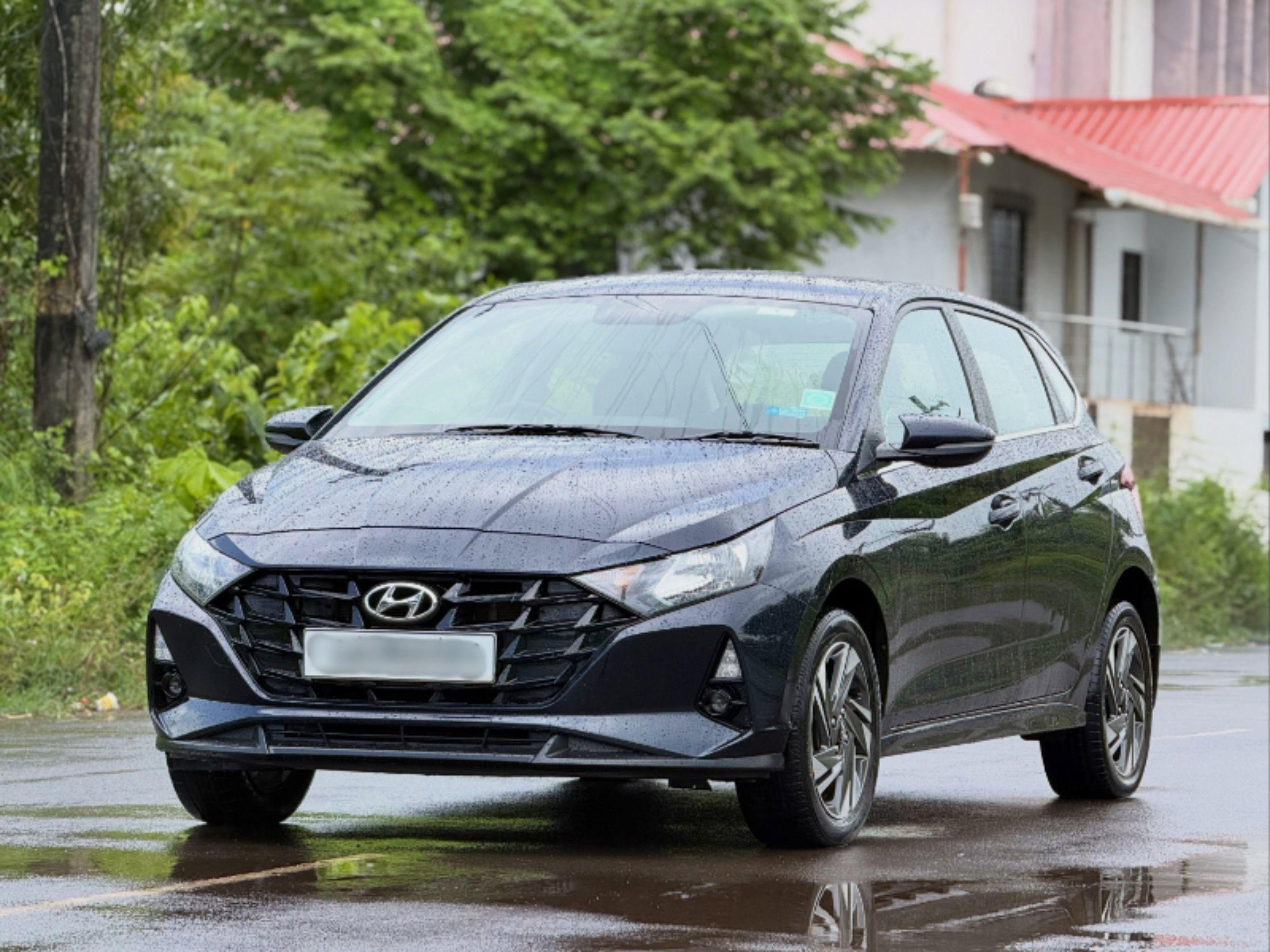
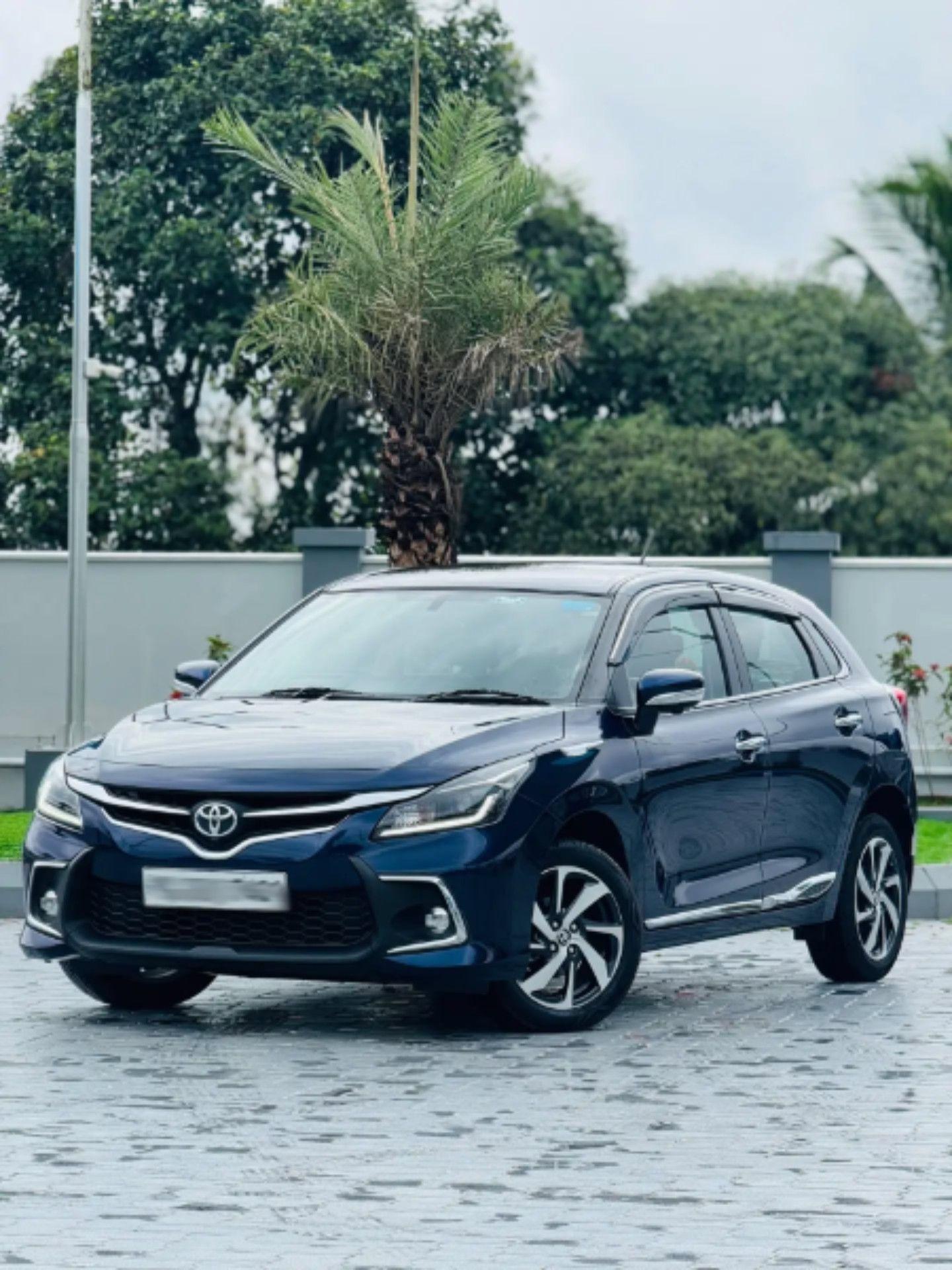
Today at Motor Guide, we are going to discuss a technology that many people ask about when buying a vehicle but don't fully understand: D-CVT (Dual-Mode Continuously Variable Transmission). Especially in new Daihatsu and Toyota vehicles (like the Rocky, Raize, and Ativa), you might frequently hear this name. Today, we will explain from a technical perspective how this differs from a standard CVT.
What is a CVT?
First, let's look at what a standard CVT (Continuously Variable Transmission) is. Older vehicles usually had traditional gear wheels. However, a CVT consists of two pulleys connected by a steel belt. Speed is controlled by changing the diameter of these pulleys. The main advantages are seamless, unnoticeable gear shifts and excellent fuel economy.
However, the standard CVT has a major flaw. When the vehicle is traveling at high speeds, there is a significant energy loss between the belt and the pulleys. Additionally, the "Rubber Band Effect"—where the engine noise increases at high speeds but the vehicle doesn't accelerate proportionally—is a big issue. Japanese engineers created the D-CVT as a direct solution to this problem.
How Does D-CVT Work?
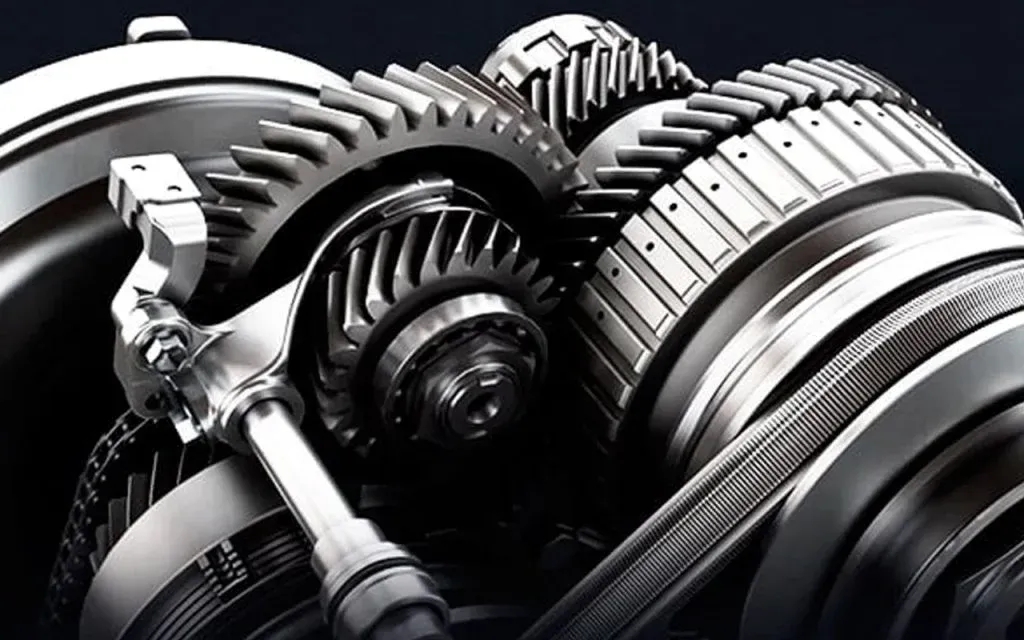
The special feature of the D-CVT is that, for the first time in the world, a gear drive was integrated into a CVT. That is exactly how the name "Dual-Mode" came about. This system delivers power to the wheels in two distinct ways:
- Belt Drive Mode (At low speeds): When the vehicle starts moving and operates at low speeds, it functions just like a standard CVT using the belt. This ensures an incredibly smooth drive during city traffic.
- Split Mode / Gear Drive (At high speeds): Once the vehicle reaches a speed of around 60 to 80 km/h, the system stops relying purely on the belt and directly transfers power to the wheels via physical gears.
To understand this simply, imagine having both a CVT and a manual gearbox inside the same transmission. By using gear wheels instead of the belt at high speeds, belt wear is significantly reduced, and 100% of the engine's power is efficiently delivered to the wheels.
What Are the Advantages of D-CVT?
The primary advantage we see is efficiency. This technology can deliver about 12% more power to the wheels compared to a standard CVT. This directly translates to an increase in your fuel efficiency (more distance per liter).
The next advantage is acceleration. The sluggishness or lagging often found in standard CVTs is completely absent here. When you need to accelerate rapidly, the system shifts to the gears, providing excellent momentum to the vehicle. Furthermore, engine noise is significantly reduced while cruising on the highway because the engine doesn't have to strain as much when the power routes through the gears.
Maintenance Considerations
If you own a vehicle with a D-CVT, the most critical thing to remember is your gear oil changes. This transmission is much more sensitive than a standard automatic gearbox. Therefore, you must strictly use the exact transmission fluid recommended by the manufacturer (for example, Toyota FE fluid or Daihatsu CVT Fluid). If you replace the gear oil every 30,000 or 40,000 kilometers, you can run this gearbox for a very long time without any issues.
Remember, because this system contains both physical gears and a belt, controlling the internal temperature is extremely important. Always pay close attention to the level and quality of the gear oil. If the wrong gear oil is used, the belt can start to slip, which will ultimately lead to a highly expensive repair.
Motor Guide's Final Advice
D-CVT is a massive achievement in modern automotive engineering. It simplifies vehicle control while maximizing fuel economy. If you are considering buying a new vehicle and it comes equipped with a D-CVT, there is nothing to fear. It is a highly successful and proven technology. However, just like any machine, all you have to do is ensure it receives its scheduled maintenance on time.
We know that due to the heavy traffic on Sri Lankan roads, we constantly have to brake and accelerate. In such driving conditions, the smoothness provided by the D-CVT will make your journey much more comfortable. So, understand your vehicle's technology, maintain it to the proper standards, and drive responsibly. By doing so, your vehicle will remain reliable, and your money will be well saved.

எழுதியவர்
Nisaga Sandaru
A versatile and highly experienced professional, currently an Automobile undergraduate at the University of Jaffna, with strong technical expertise grounded in hands-on work as a technician with SriLankan Airlines Ground Support Equipment (GSE). Holding an Automobile NVQ Level 3 qualification, along with specialized certifications in Vehicle ECU Programming and Diagnosis, and extensive experience in arc welding and vehicle body painting, and well equipped to handle complex automotive, diagnostic, and fabrication-related tasks with a high level of competence.