Understanding the Handbrake

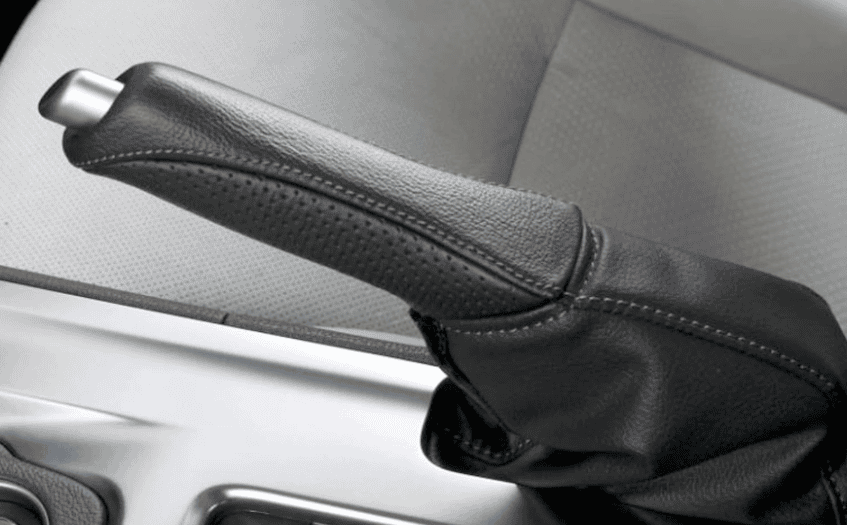
Today at Motor Guide, we are discussing one of the most vital safety components in a vehicle, yet one that many people fail to pay proper attention to: the Handbrake, or the Parking Brake system. Many assume this is simply something used only when the vehicle is parked. However, as professionals in this field, we know that the handbrake is your final barrier to saving your life during an emergency. Therefore, having a correct technical and practical understanding of this is immensely important for you as a driver. Let's delve into this.
How the Handbrake Works
First, let's look at how a handbrake actually works. Generally, the brake pedal we press with our foot operates via hydraulic pressure. That means pressure is sent through brake fluid to all four wheels to stop the vehicle. However, the handbrake operates entirely mechanically. When you pull the handbrake lever up, a steel cable attached to it tightens the brake pads or brake shoes on the two rear wheels. This is designed as an alternative method to control the vehicle if the primary hydraulic brake system completely fails. That is exactly why it is also called the "Emergency Brake".
Types of Handbrakes
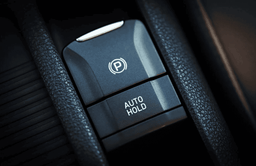
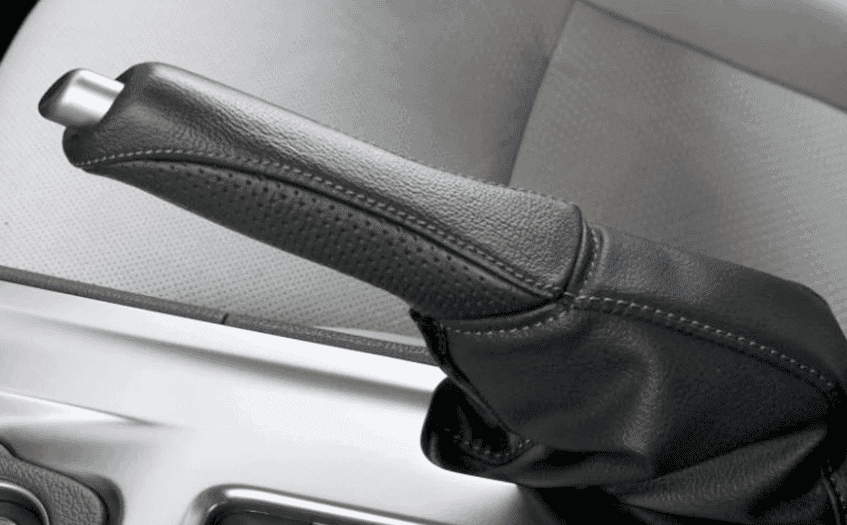
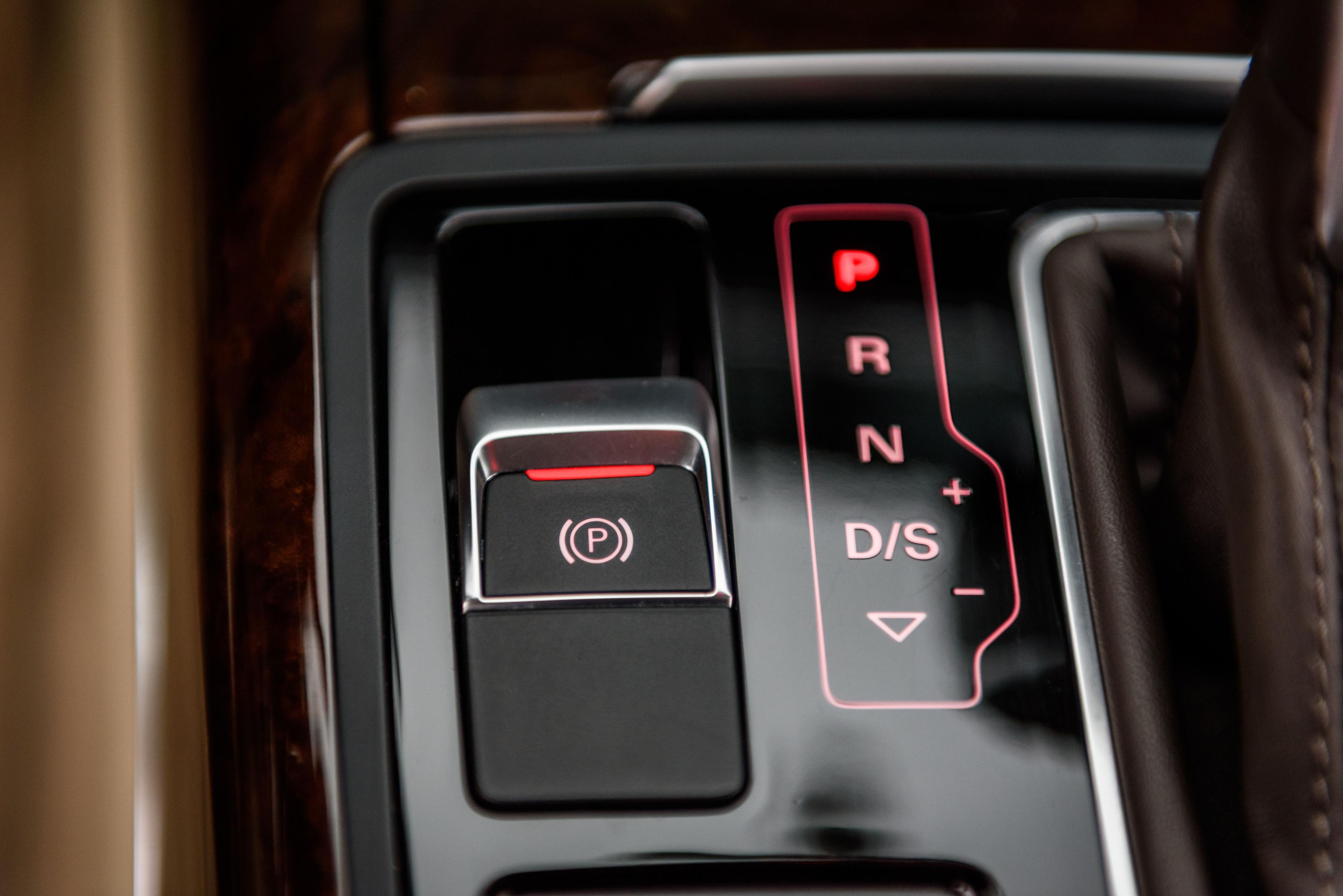
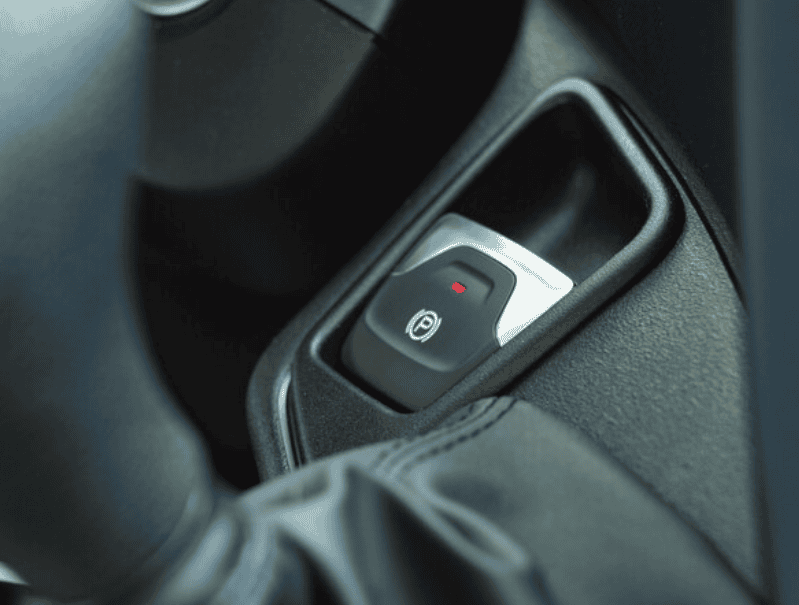
Several types of handbrakes can be seen in vehicles on the market today. Older and most standard vehicles feature a hand-pulled lever. Some vans and classic vehicles have a "Pull-type" brake under the dashboard. Meanwhile, luxury vehicles introduced recently feature an Electronic Parking Brake (EPB) system. Here, pressing a small switch activates a motor that engages the brakes. Whatever the type, the fundamental principle remains the same. However, the electronic system offers additional conveniences, such as automatically releasing the brake when you accelerate.
The Correct Way to Pull the Handbrake
A common mistake many people make when using a manual handbrake is holding the button down while pulling the lever up. The advice we give as industry experts is that when you pull the handbrake, pull it up without pressing the button so you hear the distinct "clicking" sound. That sound is produced by the "Ratchet mechanism". It allows us to know if the handbrake has locked at the correct tension level. However, when releasing it, you absolutely must press the button and push it down. Also, do not yank the handbrake upwards with excessive force. That can stretch or snap the steel cable. Pulling it up until you feel firm resistance is sufficient.
Parking on an Incline
Relying solely on the handbrake when parked on a steep hill can be risky. Therefore, if you are parking facing uphill, leave the vehicle in 1st Gear; if facing downhill, leave it in Reverse Gear. Then, if the handbrake slips for any reason, the engine's mechanical resistance will stop the vehicle from rolling down.
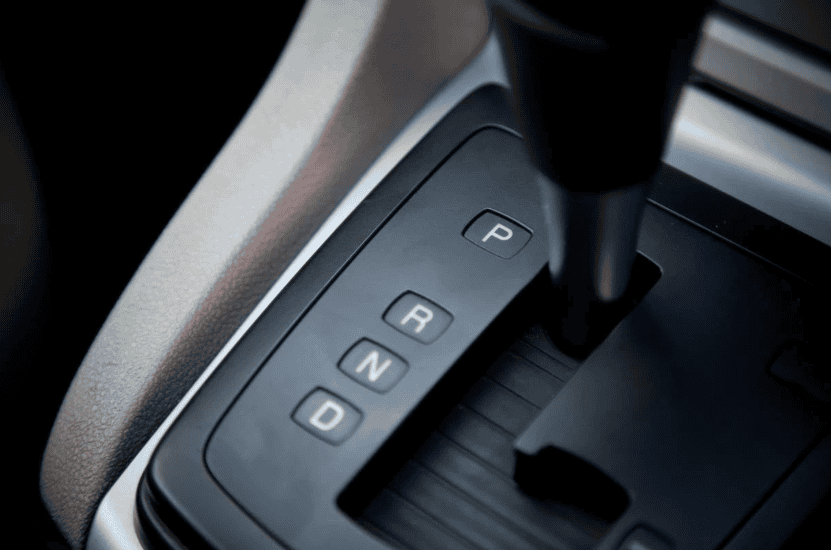
If it is an Automatic vehicle, you must definitely shift it into "P" (Park). However, remember this sequence: pull the handbrake to secure the vehicle first, and then shift into "P". Otherwise, the entire weight of the vehicle will rest on a tiny metal pin inside the gearbox called the Parking Pawl, which can easily snap under immense pressure.
Maintenance and Best Practices
Another crucial factor is the maintenance of the handbrake. Many people only check their handbrake when taking the vehicle for an emission test. If your handbrake lever pulls up too high, it means the cable has stretched or the brake pads are worn out. Generally, the brake should be firmly engaged within 5 to 7 "clicks". If it goes higher than that, immediately have a mechanic adjust it.
Also, if you are parking the vehicle unused for a long period (for example, several weeks), do not leave the handbrake engaged. If you do, the brake shoes or pads can rust and fuse to the drum, causing the rear wheels to lock up when you finally try to drive it. In such situations, place chocks or wooden blocks against the wheels and leave the handbrake released.
One thing you must especially remember is that driving while the handbrake is engaged can overheat and completely destroy the rear braking system, while also drastically reducing fuel economy. Therefore, before starting off, make absolutely sure the red brake warning light on the dashboard has turned off.
Another issue we observe as industry professionals is drivers engaging the handbrake immediately after driving through deep puddles on rainy days. Due to the moisture inside the brake drums, there is a high probability of the wheels locking up the next day. Therefore, drive a short distance using the foot brakes to dry out the moisture before parking the vehicle.
Motor Guide's Final Advice
Finally, our advice at Motor Guide is that the handbrake is not just a tool; it is your vehicle's ultimate protector. At least once every six months, apply some lubrication to the handbrake cable and check its smooth operation. Moreover, if your primary hydraulic brakes ever fail suddenly while driving, do not suddenly yank the handbrake all the way up. If you do, the rear wheels will lock up, and the vehicle will spin violently out of control. In such a terrifying scenario, hold the release button down and gently, gradually pull the lever up to slowly scrub off speed and bring the vehicle under control. If you follow these practices correctly, you ensure maximum safety for both your vehicle and yourself.
Don't forget to follow Motor Guide to learn more valuable information like this about modern vehicles and technology.

எழுதியவர்
Nisaga Sandaru
A versatile and highly experienced professional, currently an Automobile undergraduate at the University of Jaffna, with strong technical expertise grounded in hands-on work as a technician with SriLankan Airlines Ground Support Equipment (GSE). Holding an Automobile NVQ Level 3 qualification, along with specialized certifications in Vehicle ECU Programming and Diagnosis, and extensive experience in arc welding and vehicle body painting, and well equipped to handle complex automotive, diagnostic, and fabrication-related tasks with a high level of competence.