What Exactly is an XUV?

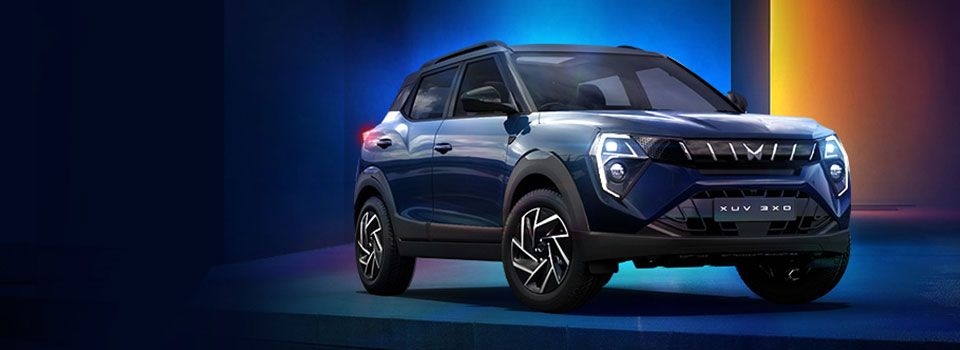
Today at Motor Guide, we are going to discuss a highly talked-about vehicle category in the automotive world that many people still don't fully understand technically: the XUV (Extreme Utility Vehicle). Although there are many names in the market today like SUV, CUV, and MUV, there is a massive engineering and technical blueprint behind this XUV category. As professionals in this field, we believe it is crucial for an average consumer to understand the true technical differences between these categories when choosing a vehicle.
What is the XUV Concept?
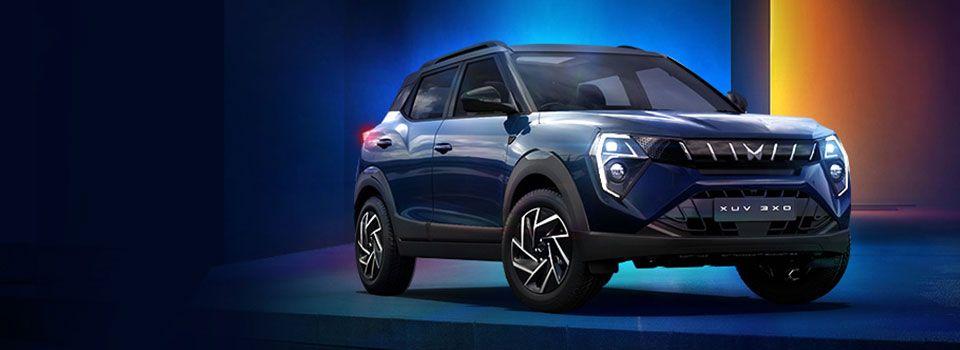
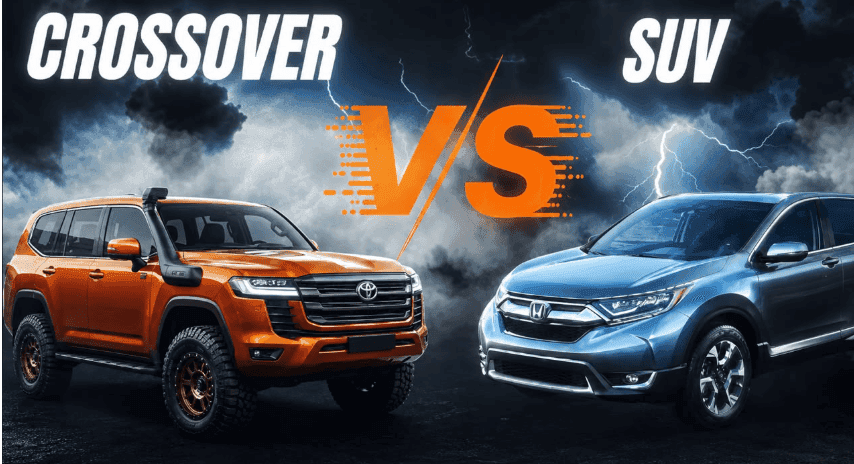
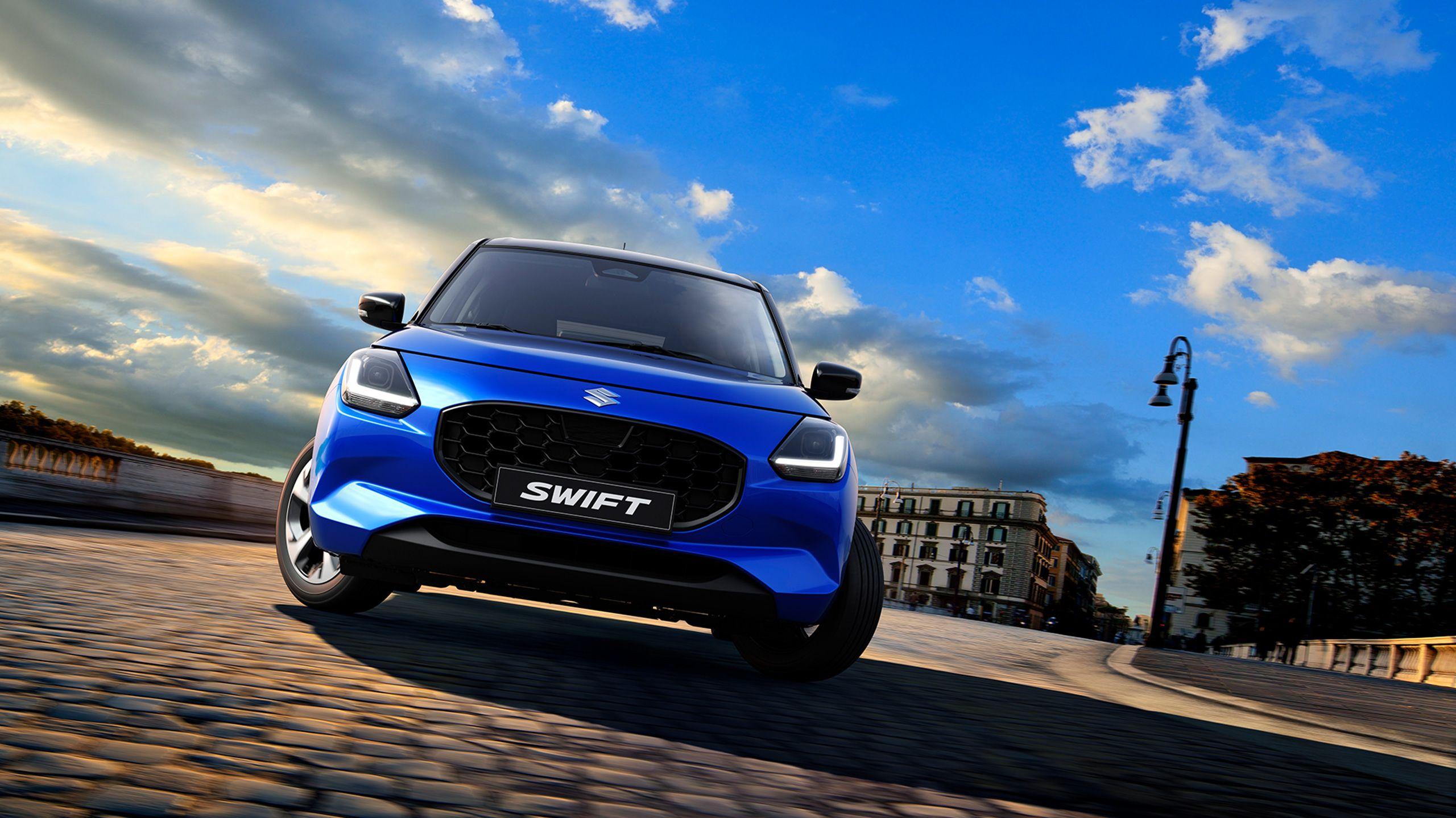
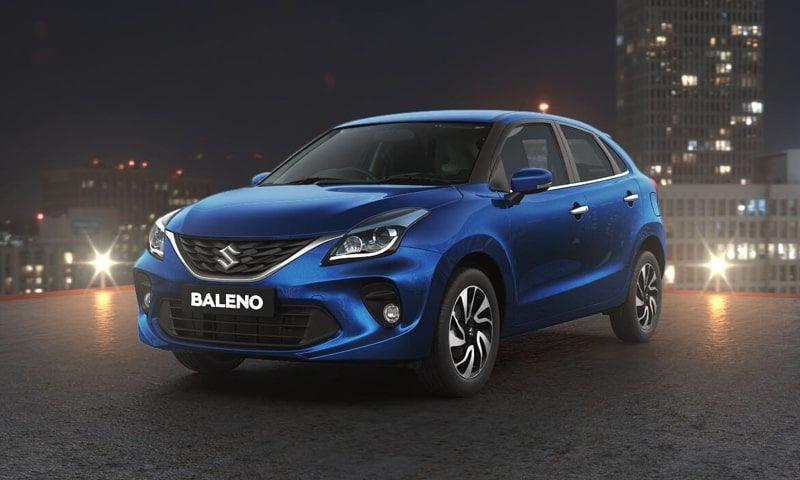
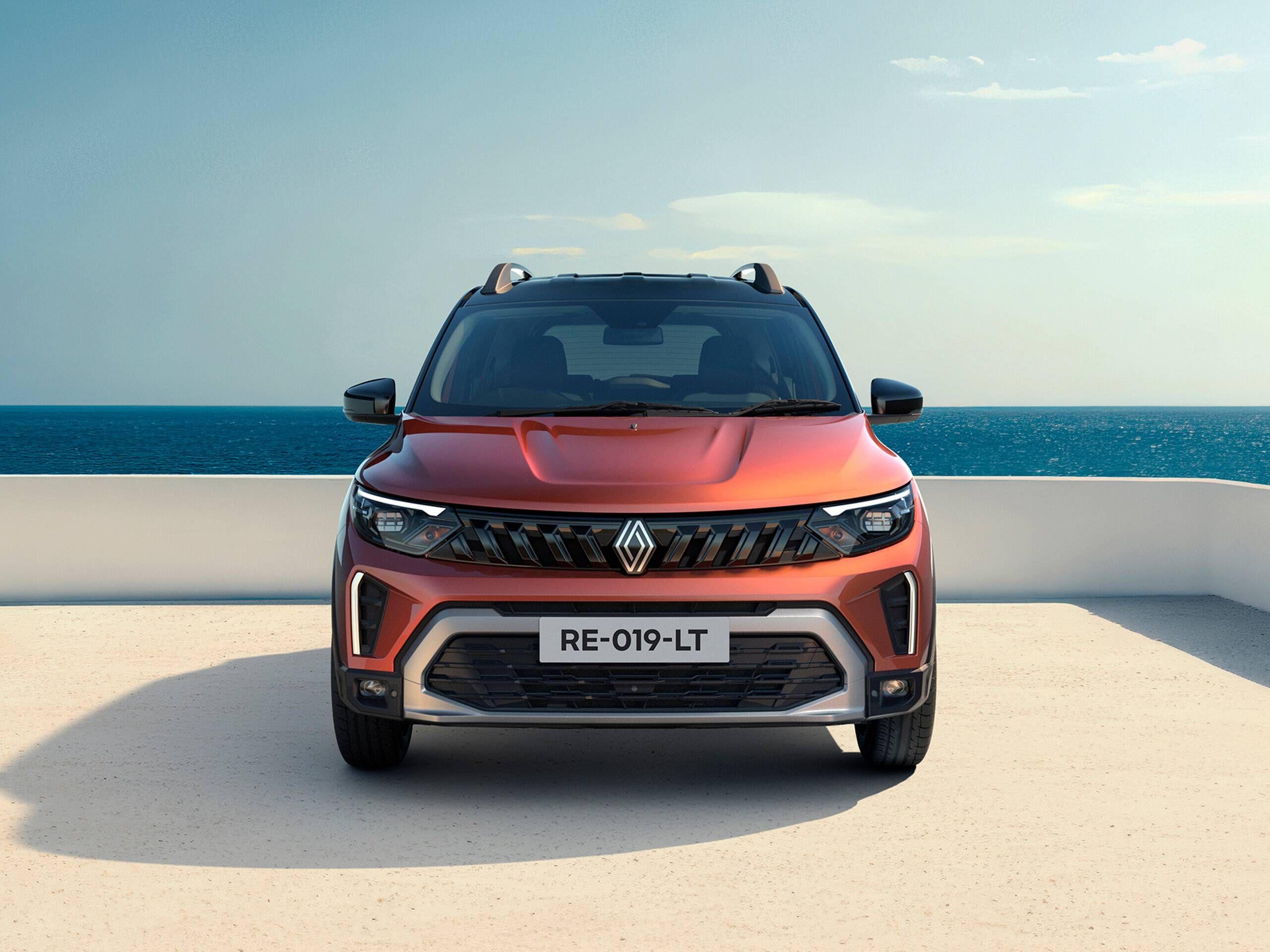
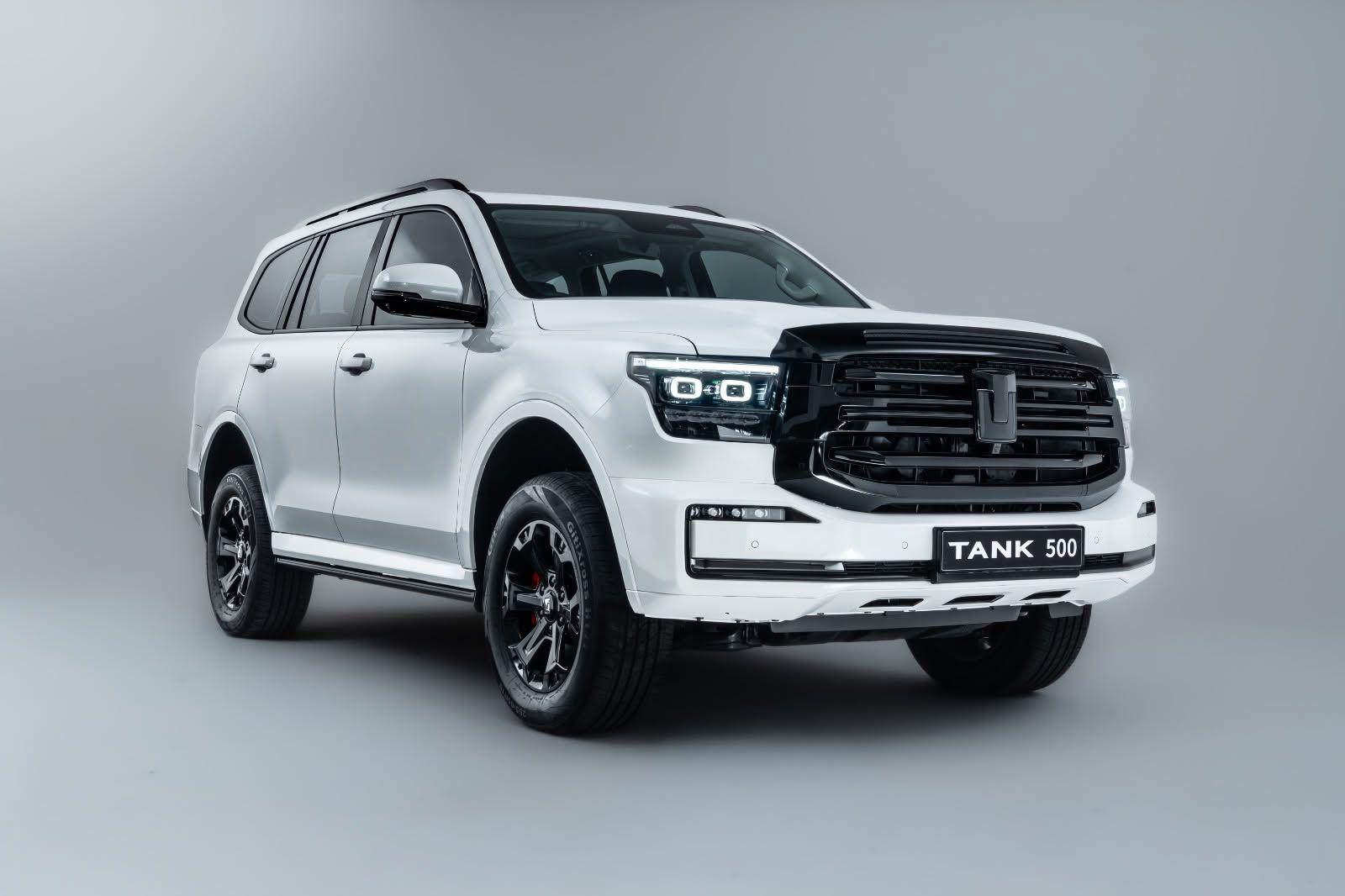
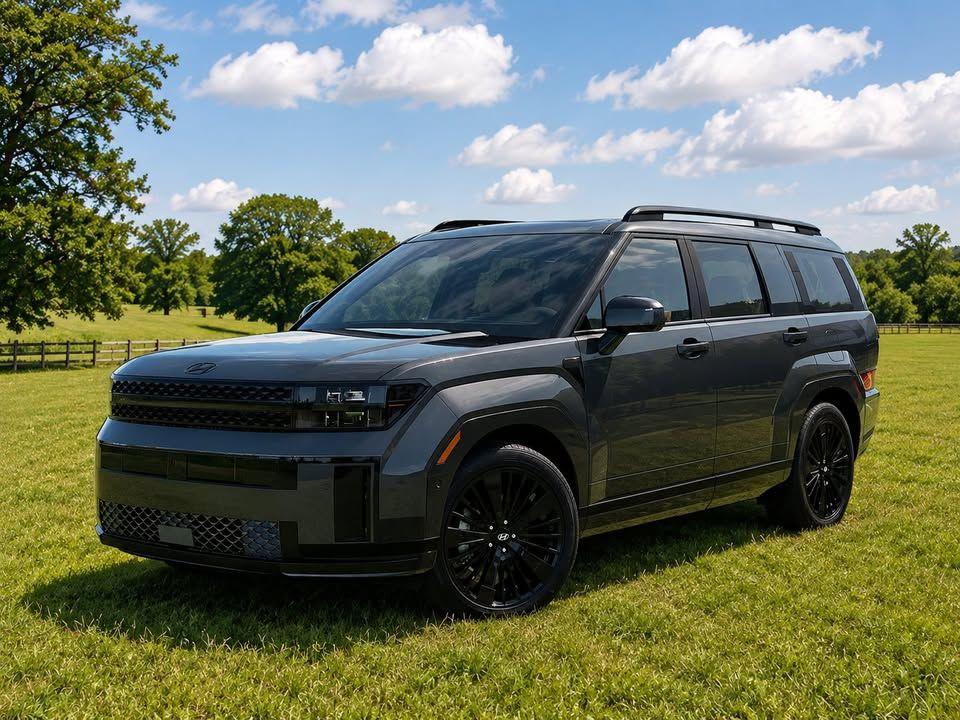
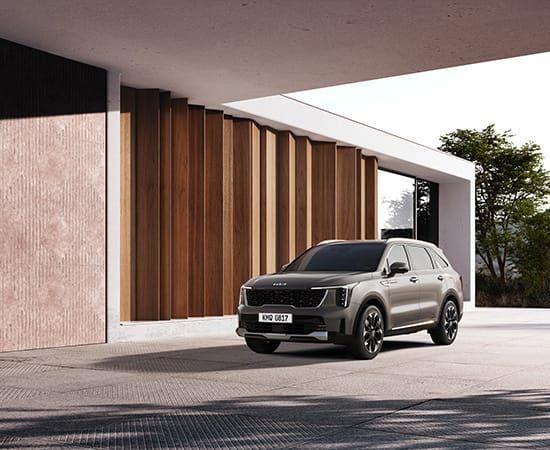
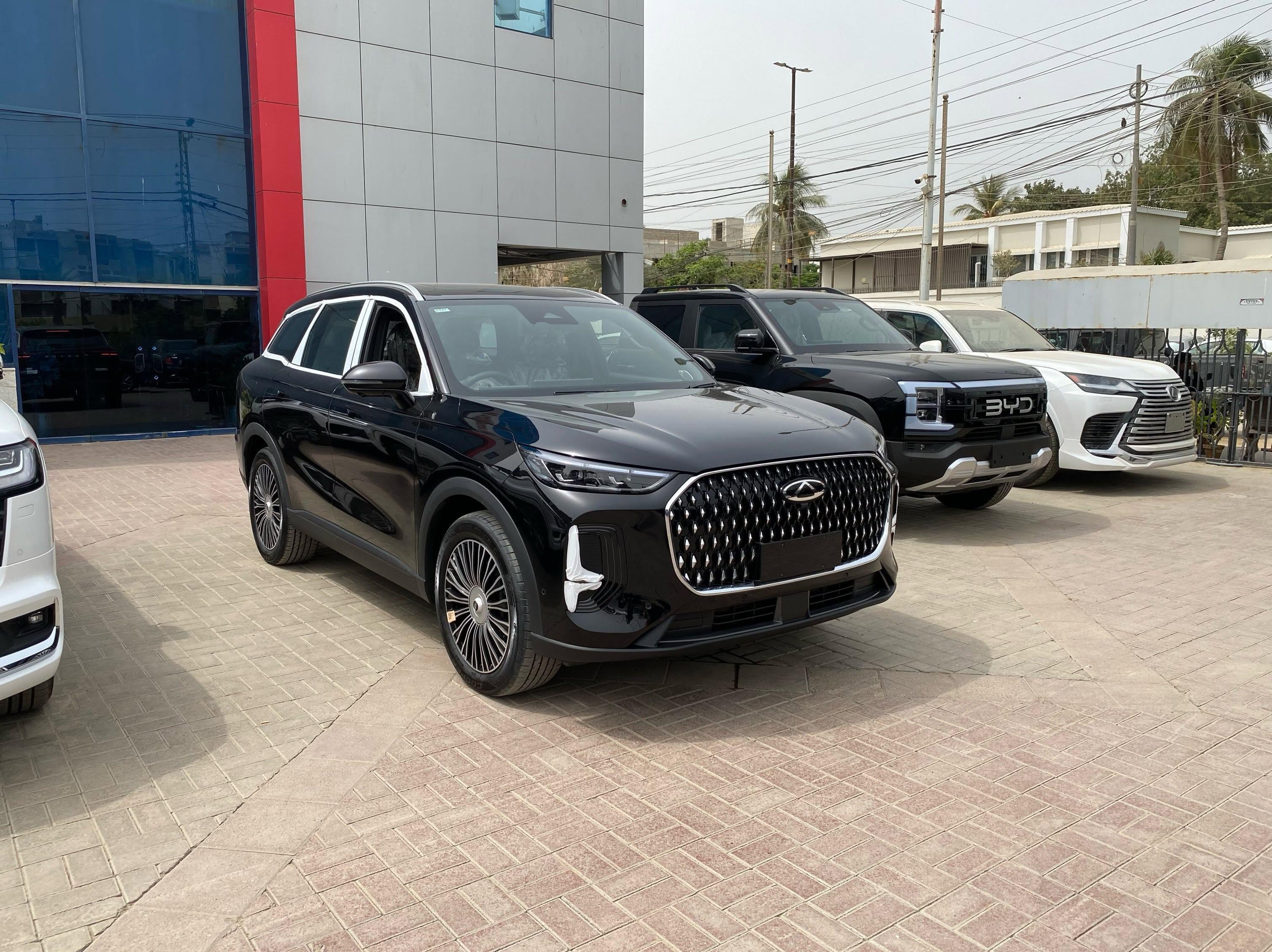
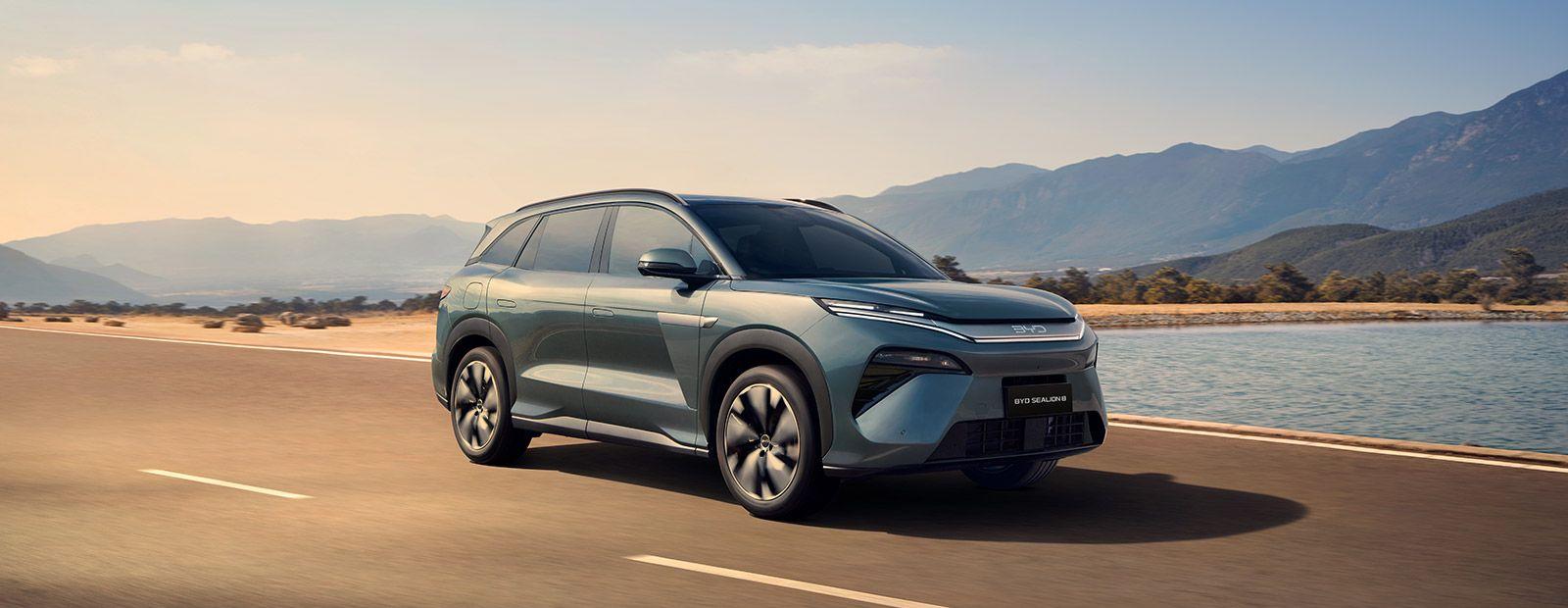
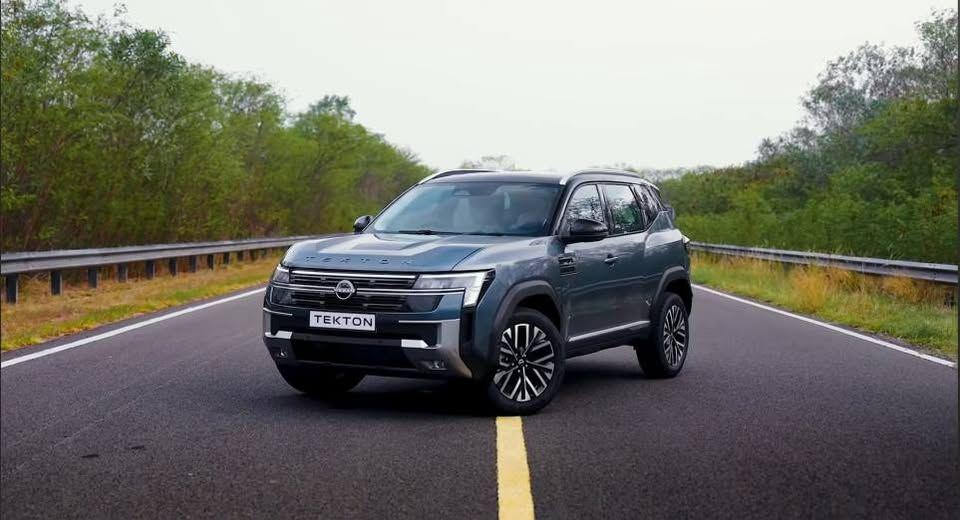
Simply put, an XUV is a vehicle model that combines the height, rugged appearance, and road presence of a traditional SUV (Sport Utility Vehicle) with the comfort, handling, and fuel efficiency of a Sedan or Hatchback. Traditional SUVs are built like lorries and trucks, placing the body on top of a heavy steel frame (Body-on-Frame or Ladder Frame Chassis). However, an XUV is created by using the Monocoque (Unibody) chassis architecture typically found in cars, resulting in a high-ground-clearance utility vehicle.
The Technical Heart: The Monocoque Chassis
Looking through a technical lens, the heart of an XUV lies within its monocoque chassis. Here, the vehicle's body and chassis are manufactured as a single integrated unit using high-tensile steel. Because of this method, the vehicle's overall Curb Weight is significantly reduced. A reduction in weight means that the Power-to-Weight Ratio can be maintained at a highly efficient level as power travels from the engine to the wheels.
Furthermore, the Torsional Rigidity of a monocoque chassis is much higher than that of a ladder frame. As a result, body roll and swaying are largely controlled when taking corners. As industry professionals, something we constantly notice is that the Directional Stability (the stability of driving in a straight line) of XUVs on expressways is at a much higher level compared to large, traditional SUVs.
Suspension and Comfort
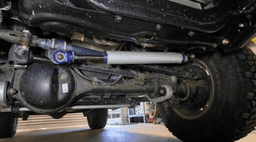
Looking at the suspension, XUVs generally utilize a MacPherson Strut Suspension at the front and a Multi-link Independent Suspension or Torsion Beam setup at the rear. Compared to the Solid Axle and Leaf Springs seen in traditional 4x4s, this Independent Suspension system maximally absorbs road bumps and shocks. When all four wheels operate independently, if one wheel falls into a pothole, the impact felt by the other wheels or the passengers inside the cabin is minimal. Therefore, passengers do not feel fatigued during long-distance drives.
Drivetrain: AWD vs. 4WD
Most XUVs fundamentally operate on a Front-Wheel Drive (FWD) platform, but higher-end models feature All-Wheel Drive (AWD) systems. It is important to remember here that there is a massive technical difference between True 4-Wheel Drive (4WD) and AWD.
- 4WD: Utilizes a Transfer Case to engage Low-Range gears, equally distributing power 50:50 to all four wheels for extreme off-roading.
- AWD (in XUVs): Operates with the help of an Electronic Differential and Sensors. On normal paved roads, the vehicle runs in FWD mode to save fuel. The moment any wheel loses grip (Traction Loss), power is sent to the rear wheels within a tenth of a second via Torque Vectoring.
Because of this, the driver receives maximum safety and control on slippery roads, muddy paths, and during rainy conditions.
Engine, Transmission, and NVH
Modern XUVs frequently use Turbocharged Direct Injection (TGDI) petrol engines or Common Rail Direct Injection (CRDi) diesel engines. Here, Variable Geometry Turbochargers (VGT) help extract maximum Horsepower and Torque from a small engine displacement.
Additionally, XUVs excel in controlling NVH (Noise, Vibration, and Harshness). Thanks to the use of Hydraulic Engine Mounts and premium sound insulation, even if it is a diesel engine, almost no noise enters the cabin. The ride is incredibly smooth due to the use of gearboxes that provide seamless shifting, such as Torque Converters, Dual-Clutch Transmissions (DCT), or CVTs.
Advanced Safety Electronics
An XUV relies on heavy electronic controls for its safety:
- Electronic Stability Program (ESP): Prevents the vehicle from sliding out of control.
- Traction Control System: Prevents wheel spin and slipping during heavy acceleration.
- Roll-over Mitigation: Because of the vehicle's height, if there is a risk of rolling over, sensors automatically apply the brakes to prevent it.
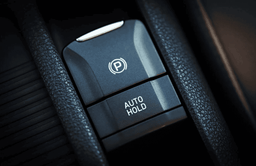
- Hill Hold & Descent Control: Automatically controls speed when stopping and starting on inclines, and when driving down steep slopes.
- ADAS Level 2: Uses front radars and cameras to provide features like Autonomous Emergency Braking (AEB), Lane Keep Assist, and Adaptive Cruise Control.
Maintenance Insights from the Experts
As people working in this field, we regularly observe a few specific maintenance points. Because XUVs are taller and heavier than standard cars, the Stabilizer Bar Links and Control Arm Bushes can wear out faster. These need to be checked on time. In AWD models, if the Rear Differential Oil and Transfer Unit Fluid are not replaced at the specified mileage, the coupling can get damaged. If Wheel Alignment and Tire Rotation are not done properly, you may notice a tendency for uneven wear on the inner sides of the tires.
Motor Guide's Final Advice
Motor Guide's advice is that if you are someone who expects a great look, high comfort, and a vehicle suited for daily city commuting as well as long-distance family trips, an XUV is the perfect choice for you. However, if you are expecting to do extreme off-roading through jungle paths and over boulders, it is much more appropriate to choose a dedicated 4x4 Ladder-frame vehicle instead of an XUV.
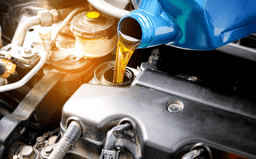
When using an XUV, performing Engine Diagnostic Scans on time and using the correct grade of Engine Oil and Transmission Fluid are essential to prolong the vehicle's lifespan. And don't forget to always stay tuned with Motor Guide to learn more valuable information like this about modern vehicles and technology!

எழுதியவர்
Nisaga Sandaru
A versatile and highly experienced professional, currently an Automobile undergraduate at the University of Jaffna, with strong technical expertise grounded in hands-on work as a technician with SriLankan Airlines Ground Support Equipment (GSE). Holding an Automobile NVQ Level 3 qualification, along with specialized certifications in Vehicle ECU Programming and Diagnosis, and extensive experience in arc welding and vehicle body painting, and well equipped to handle complex automotive, diagnostic, and fabrication-related tasks with a high level of competence.