What is the Confusion Between Subcompact SUVs and CUVs?

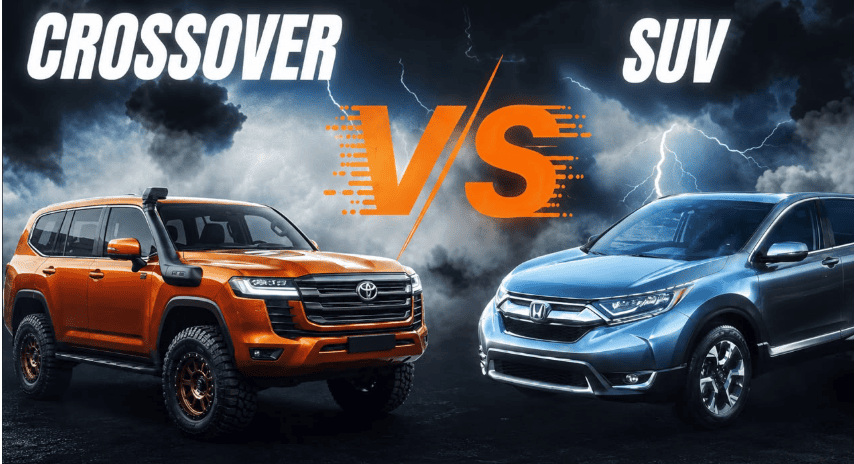
Today at Motor Guide, we are going to discuss a topic that is currently generating a lot of buzz in the automotive world and has created a great deal of confusion among many people. That is the true difference between the two vehicle categories: Subcompact SUV and CUV (Crossover Utility Vehicle), along with the technical facts hidden behind them.
Because of these ever-evolving classifications in the motor industry, not only average vehicle buyers but sometimes even those with good automotive knowledge find themselves confused. So today, let's discuss this very clearly, incorporating the technical aspects, and clear up the confusion.
The Marketing Illusion: "Mini SUVs"
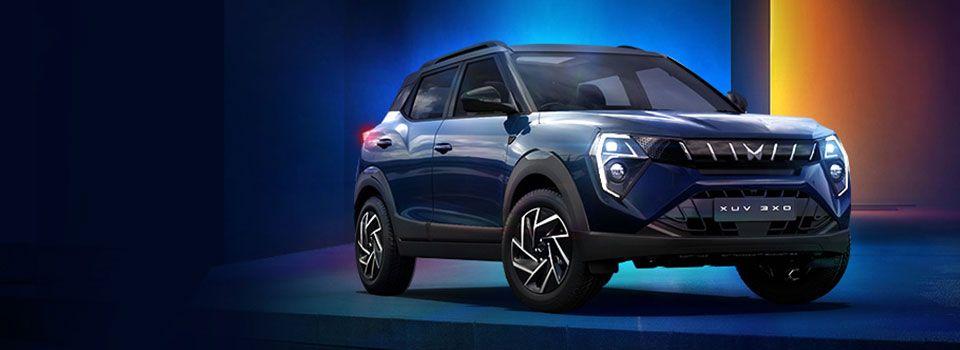
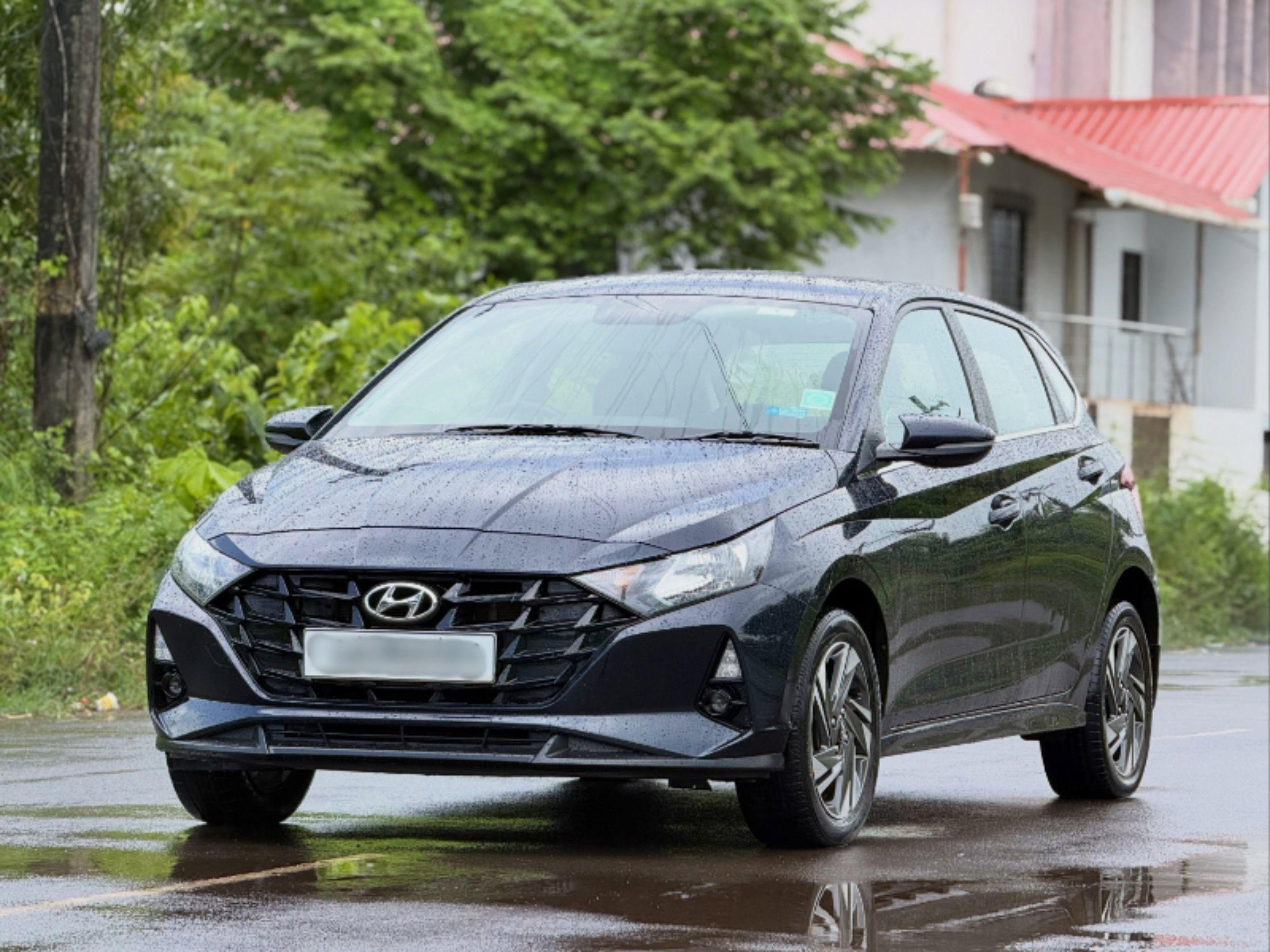
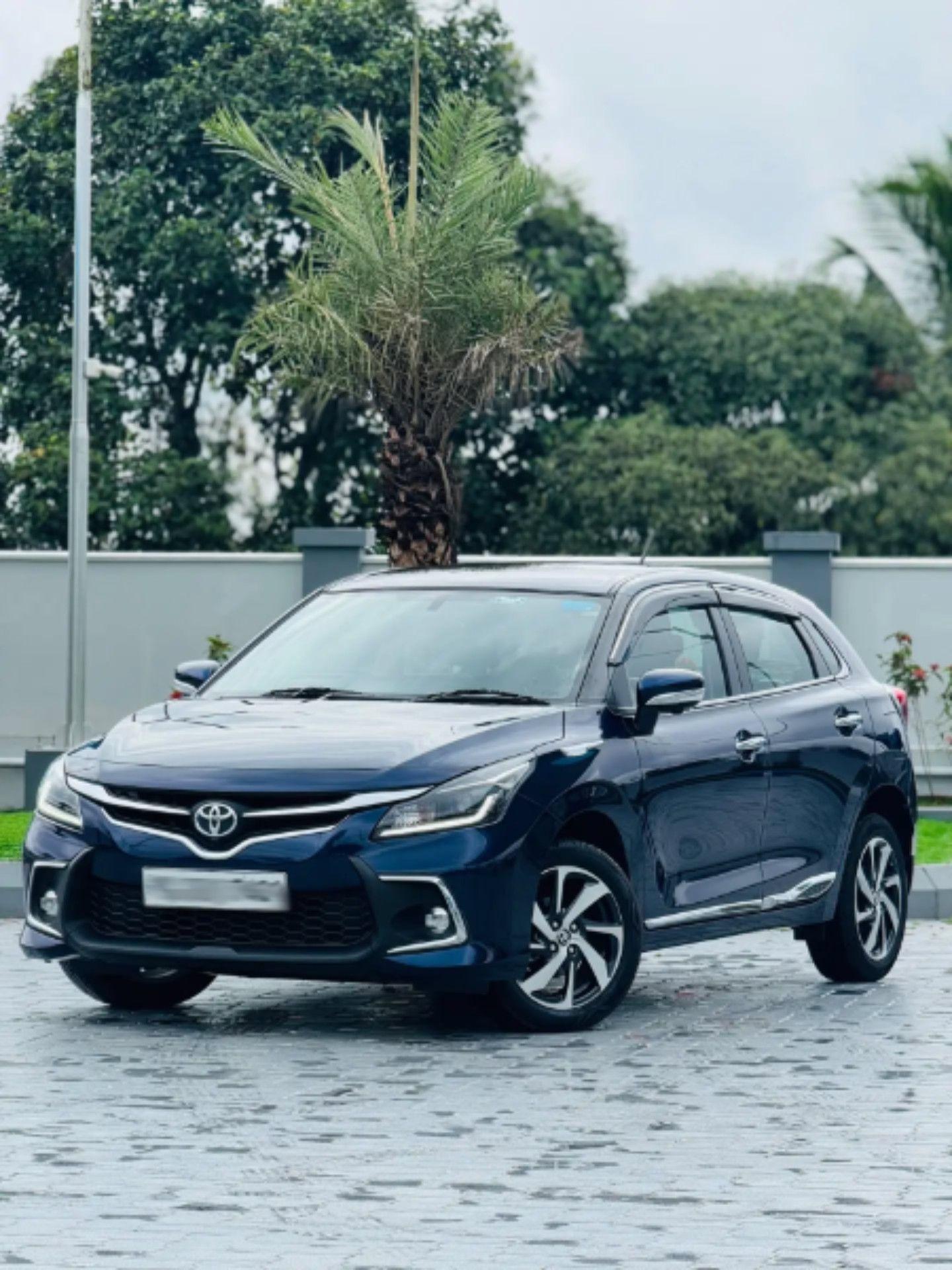
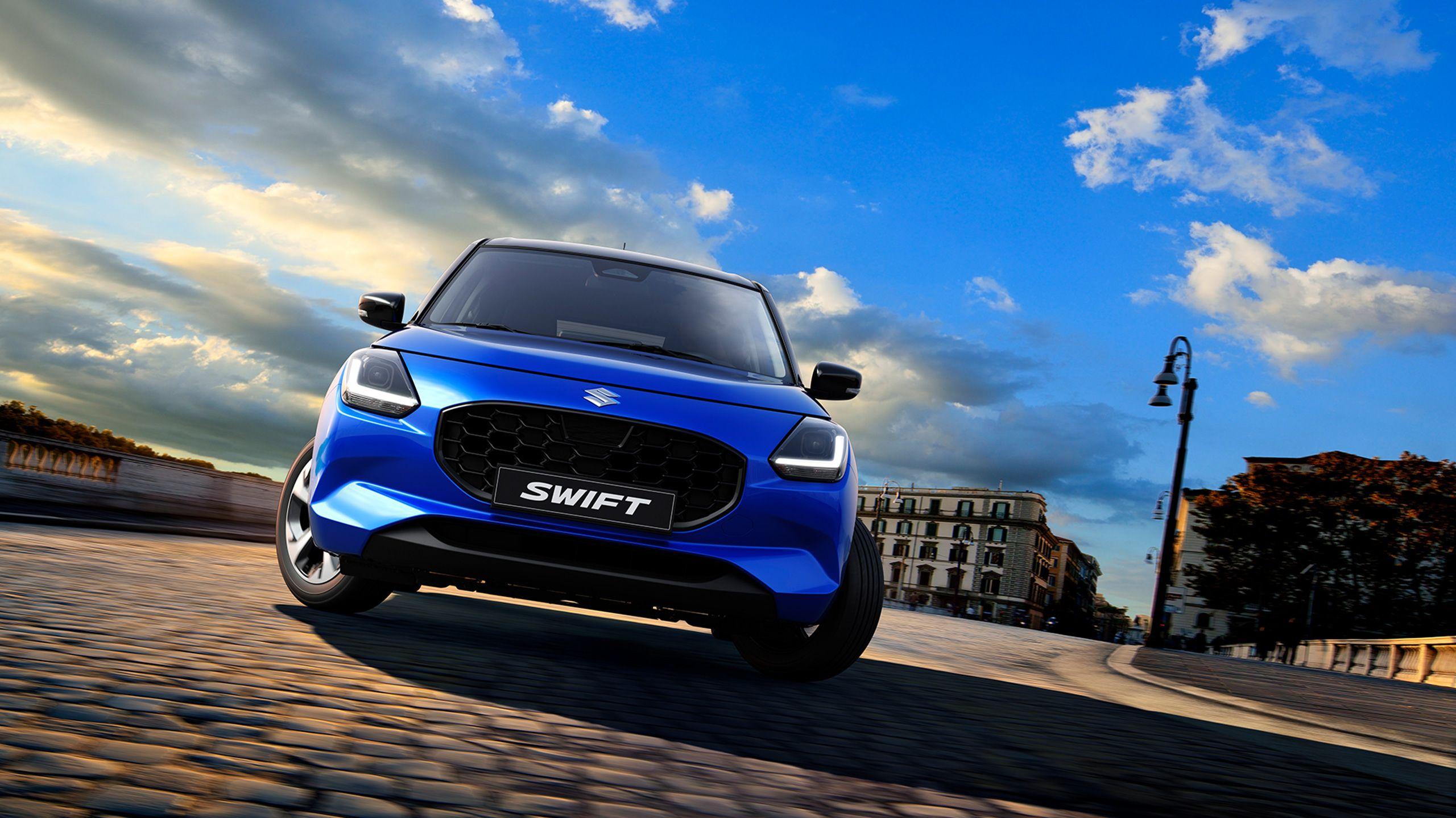
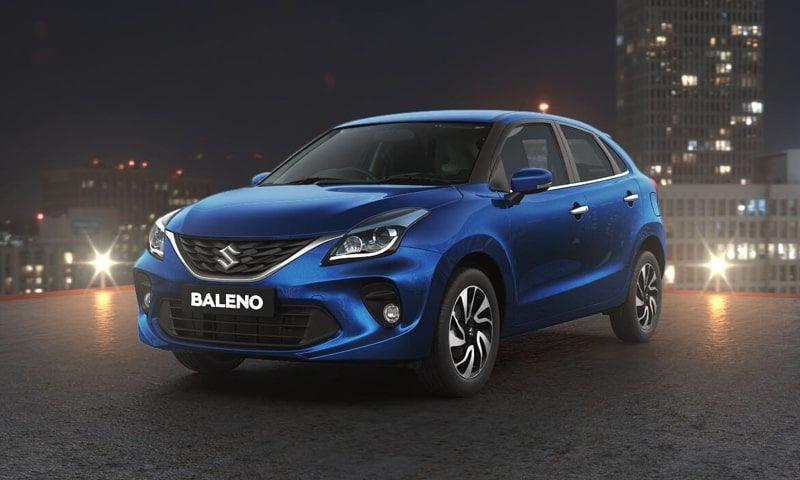
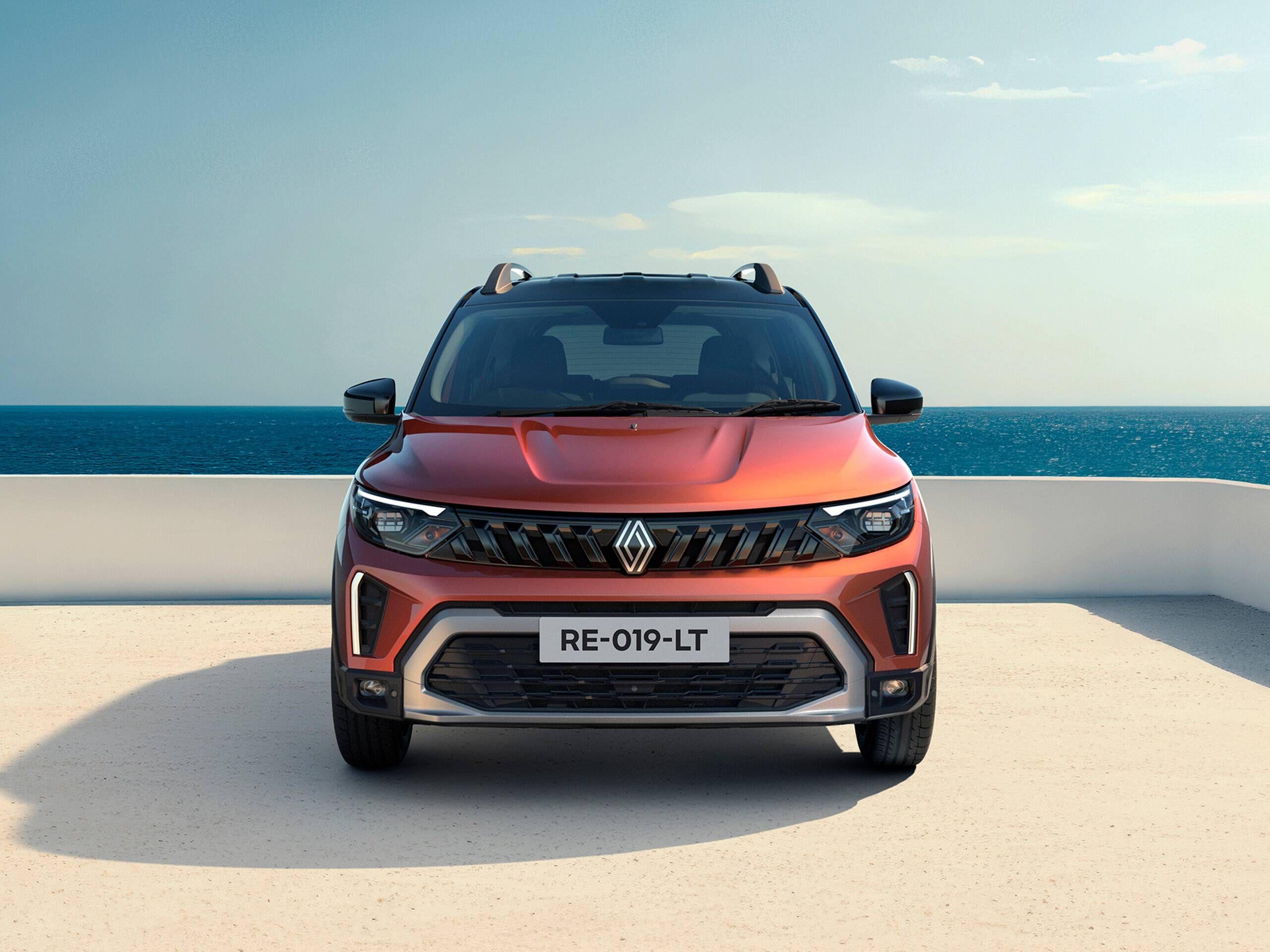
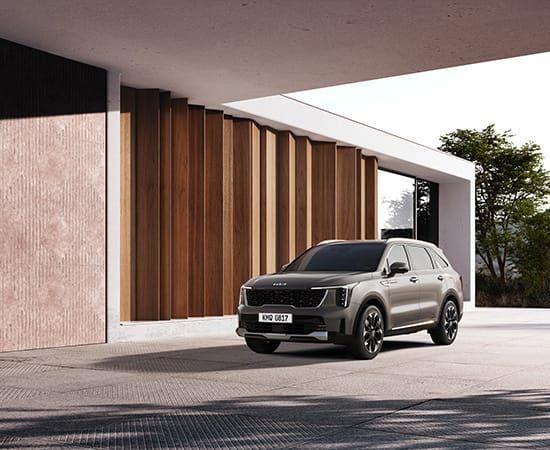
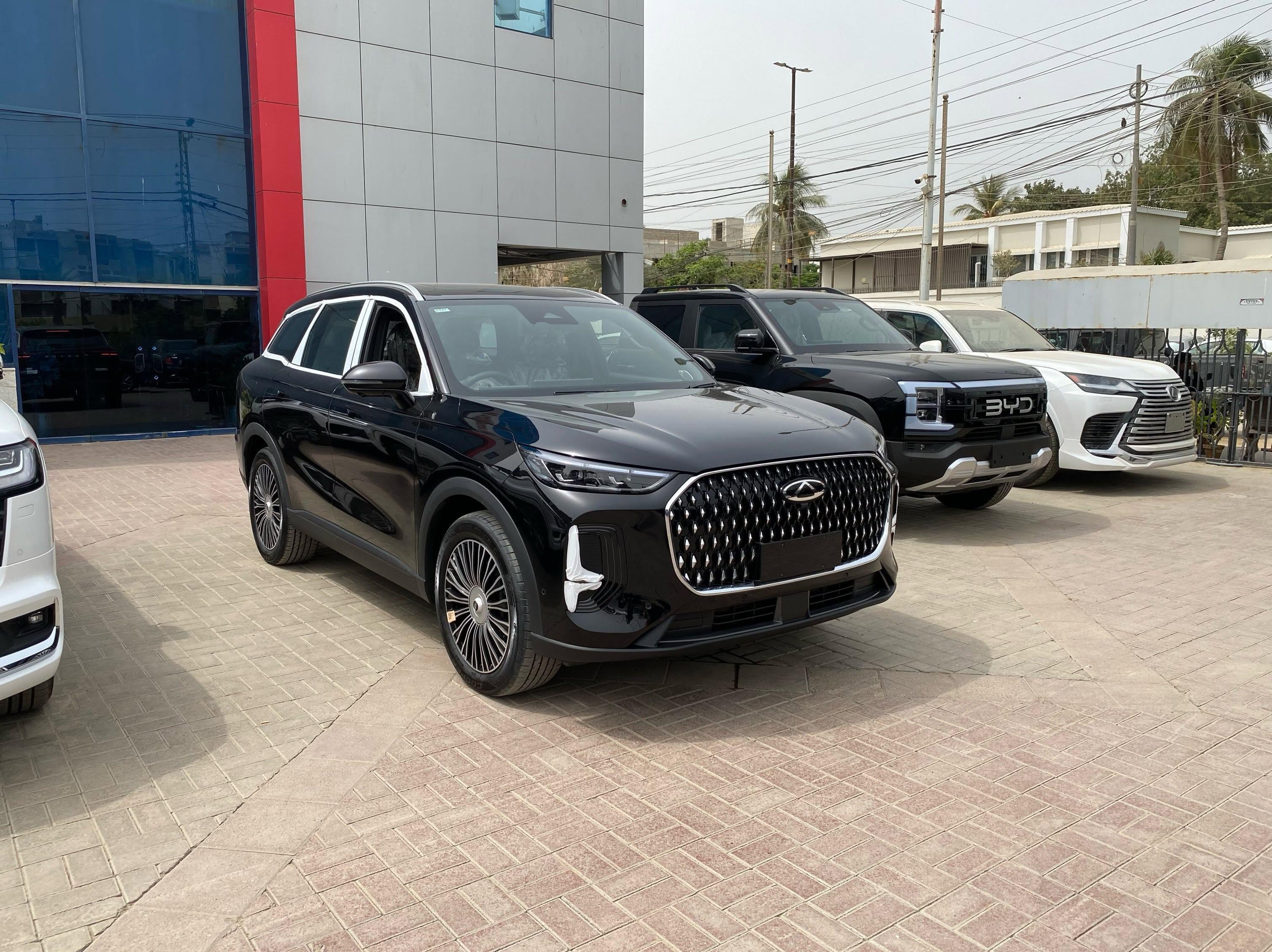
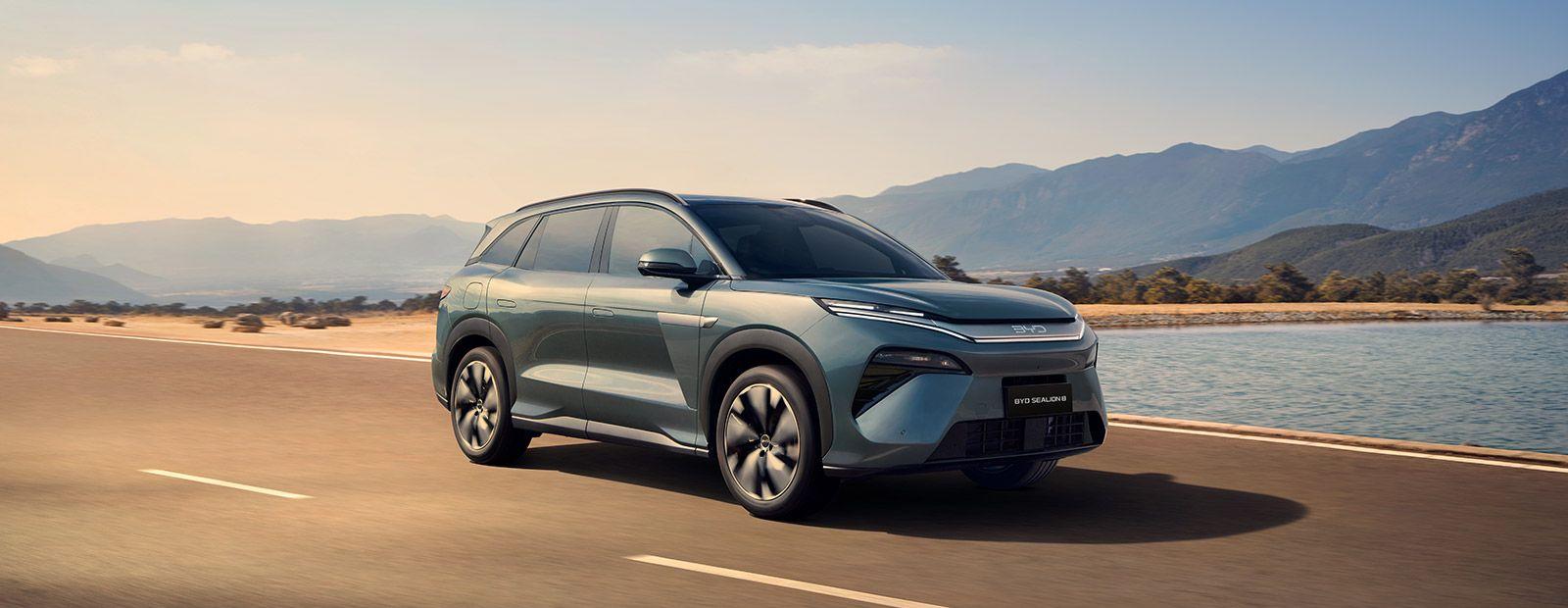
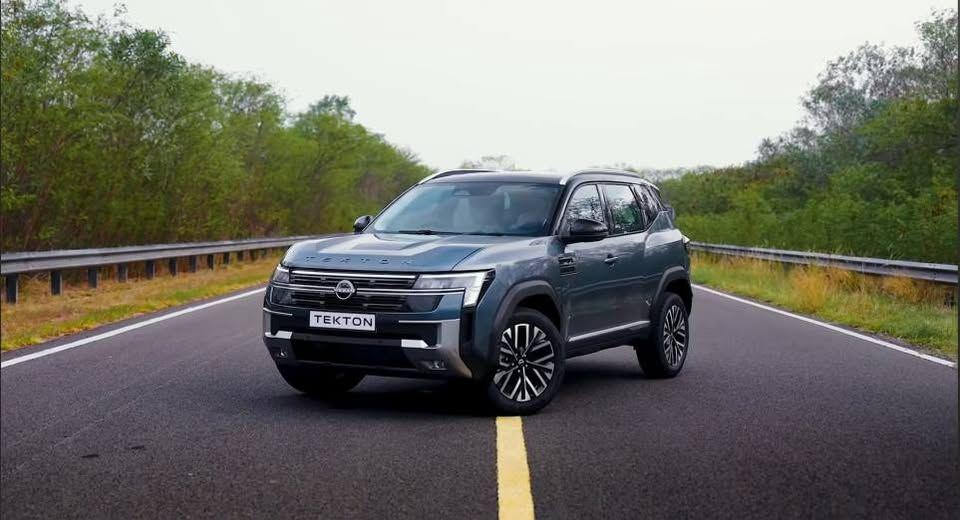
As professionals in this field, the biggest issue we see is that although most vehicles entering the market today belong to the Crossover or CUV category, manufacturers and sellers market them under names like "Mini SUV" or "Subcompact SUV." This acts almost like a sales strategy that misleads the consumer. Generally, when people in our country hear "SUV," they think of large, robust, tall vehicles capable of tackling any rough road while comfortably seating four to five people. But the truth is, most vehicles sold as "Subcompact SUVs" in today's market are built entirely on the platforms of standard hatchbacks or sedans.
What is a CUV (Crossover Utility Vehicle)?
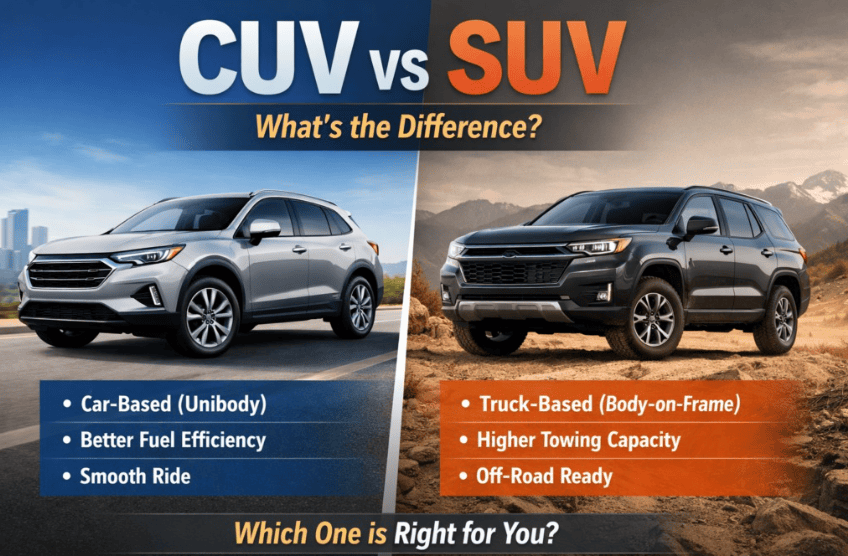
Let's look at the fundamental technical characteristic of a CUV. As the name suggests, it utilizes the "Crossover" concept. This means the vehicle is not built on a separate heavy frame (chassis). Instead, the vehicle's body and chassis are constructed as a single unified structure—a Monocoque or Unibody design—exactly like a standard car. The advantage here is that the vehicle's weight is significantly lower, fuel consumption is highly reduced, and when driving, it offers the comfort and handling of a regular car. Even though a CUV is taller, its internal body and undercarriage structure utilize the exact same technology as a passenger car.
True SUVs vs. Subcompact SUVs
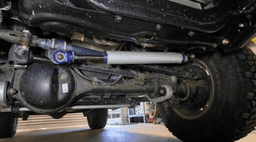
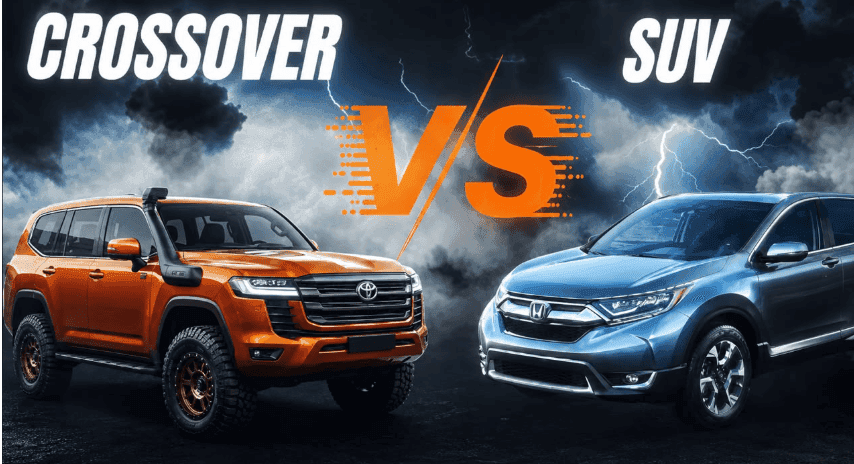
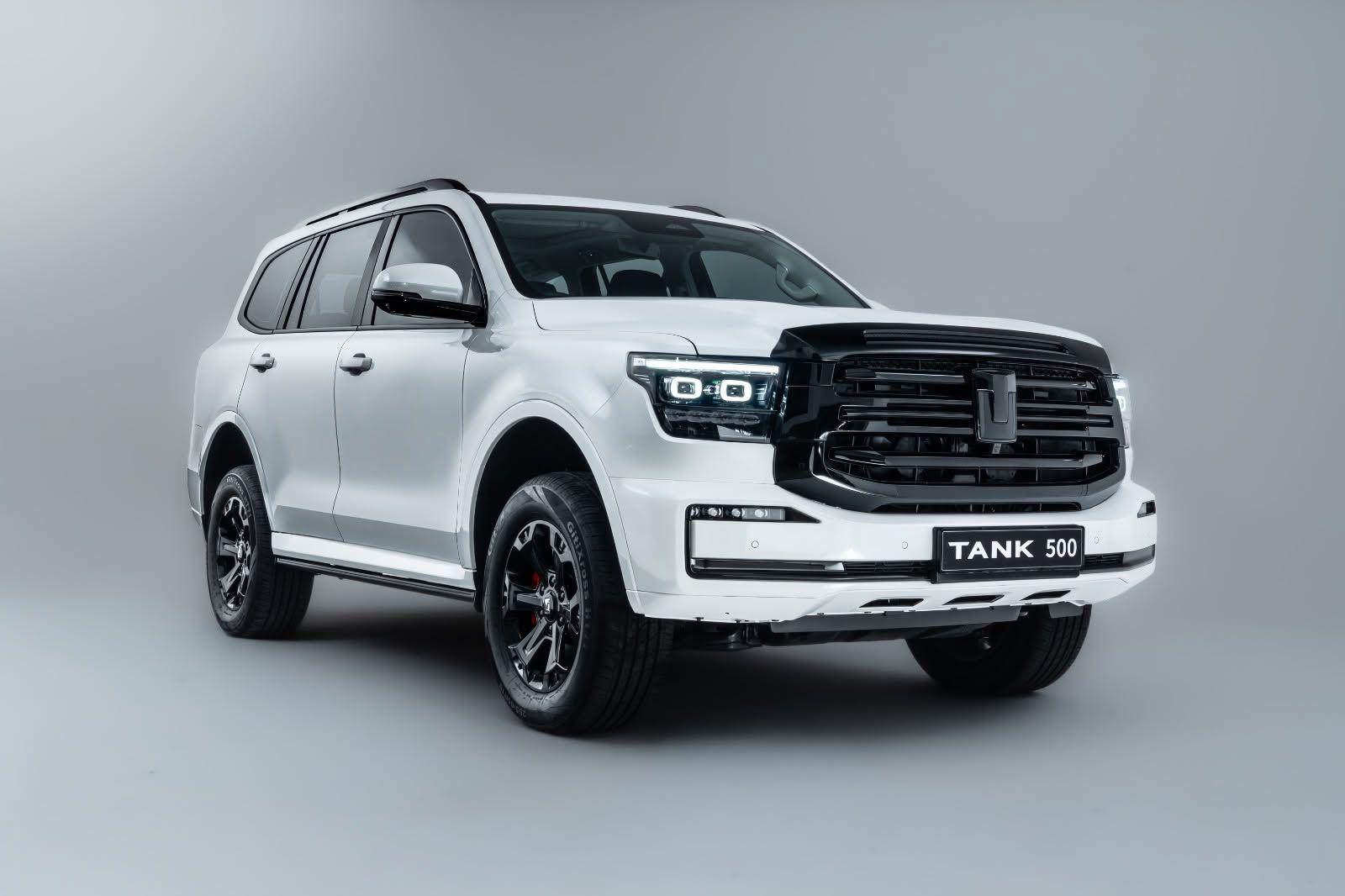
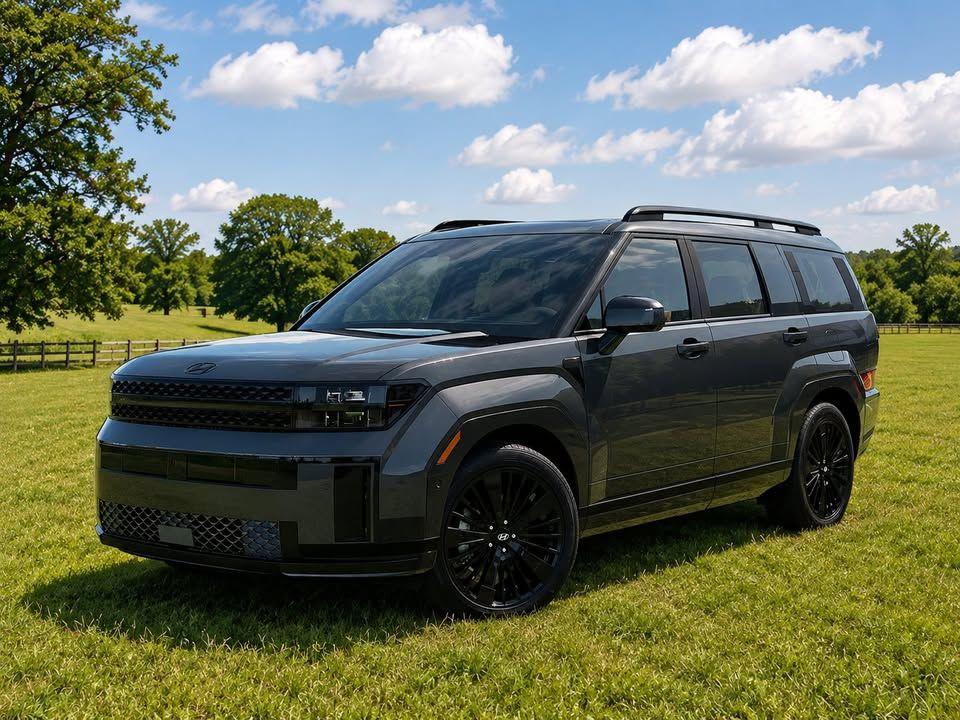
We also need to talk about the undeniable technical differences between true SUV vehicles and these so-called Subcompact SUVs. A traditional SUV uses a 'Body-on-Frame' construction method. This means the vehicle's body and components are mounted on top of a separate, heavy steel ladder frame. They also possess a True 4WD system with a Low Range Transfer Case. Their body strength and suspension systems are built to withstand rough jungle tracks, mud pits, and driving over boulders. In contrast, Subcompact SUVs or CUVs typically only feature Front-Wheel Drive (FWD) or a standard, easy-to-maintain AWD (All-Wheel Drive) system. They are designed for smooth driving on paved urban roads.
How the Term "Subcompact SUV" Came to Be
Now let's see how the term Subcompact SUV merges into the CUV concept. The word "Subcompact" refers to the vehicle's size. Generally, vehicles that are under 14 feet (about 4.3 meters) in length, built by creating a slightly taller body on a mid-sized hatchback platform to give the driver a bolder look and better visibility on the road, are called Subcompact SUVs.
So, from a technical perspective, almost all vehicles marketed as Subcompact SUVs actually belong to the CUV category. This is because they have the foundation of a car, not the robust foundation of a true off-road-capable SUV.
Misplaced Expectations and Capabilities
Another important thing we notice while working in the industry is that consumers buy these vehicles with massive expectations. Many think that by buying a Subcompact SUV, they can tackle any difficult road just like a heavy-duty Jeep. But the reality is, although their Ground Clearance is slightly higher than a normal car, the protection and durability of the suspension arms, axles, and gearbox underneath are nowhere near as strong as a true SUV.
If you constantly drive these over severe potholes and rough roads, you can cause massive damage to the struts and suspension bushes, and various rattling noises will start coming from the body's screws and welded joints.
Engine and Transmission Technology
The same applies to the engine and transmission technology of these vehicles. Because Subcompact SUVs and CUVs are lighter, manufacturers usually equip them with 1.0L or 1.2L turbo engines, or 1.5L naturally aspirated engines. To maximize fuel efficiency, they often use CVT (Continuously Variable Transmission) or Dual-Clutch Transmissions (DCT). This technology is absolutely perfect for urban driving and daily commutes. But we must all understand that they are not designed to tow heavy loads or be driven under extreme stress on steep inclines.
Motor Guide's Final Advice
Finally, Motor Guide's advice is this: when you are preparing to buy a new vehicle, do not be fooled by market names. Instead, gain a solid understanding of the vehicle's technical background.
If you need a vehicle to easily navigate the city, get good fuel economy, and enjoy a higher seating position on the road, a Subcompact SUV or CUV is the perfect choice for you. However, if you truly need a vehicle to traverse rough jungle terrain, tow heavy loads, and conquer severe mechanical challenges, you must definitely choose a traditional SUV with a real, robust chassis and a true 4WD system.
As a driver, it is your responsibility to carefully study the Technical Specifications sheet before purchasing a vehicle. And don't forget to always stay tuned with Motor Guide to learn more valuable information like this about modern vehicles and technology!

எழுதியவர்
Nisaga Sandaru
A versatile and highly experienced professional, currently an Automobile undergraduate at the University of Jaffna, with strong technical expertise grounded in hands-on work as a technician with SriLankan Airlines Ground Support Equipment (GSE). Holding an Automobile NVQ Level 3 qualification, along with specialized certifications in Vehicle ECU Programming and Diagnosis, and extensive experience in arc welding and vehicle body painting, and well equipped to handle complex automotive, diagnostic, and fabrication-related tasks with a high level of competence.