What Is Clutch Slipping? Symptoms, Causes and How to Fix It

Today at MotorGuide, we're going to discuss a common mechanical problem that every manual transmission car driver and motorcycle rider should know about. It's a problem that can make your vehicle feel noticeably weaker during acceleration, reduce driving performance, and eventually lead to expensive transmission repairs. We're talking about clutch slipping.
Imagine driving along a road and pressing the accelerator to overtake another vehicle. Normally, as the engine RPM increases, your vehicle should accelerate accordingly. However, what happens if the engine suddenly becomes louder and the RPM rises sharply, but the vehicle barely gains speed?
This is one of the most recognisable symptoms of a slipping clutch.
Clutch slipping can develop gradually as components wear out, or it may appear unexpectedly because of mechanical problems or contamination. If the issue is ignored, it can lead to excessive heat, poor acceleration, and additional damage to the clutch assembly.
So, what exactly is clutch slipping? Why does it happen, how can you identify the warning signs, and what should you do if your vehicle develops this problem? Let's take a closer look.
What Is Clutch Slipping?
In simple terms, clutch slipping occurs when the clutch cannot maintain a firm enough connection between the engine and transmission to transfer the required engine torque without unwanted slipping.
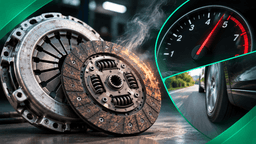
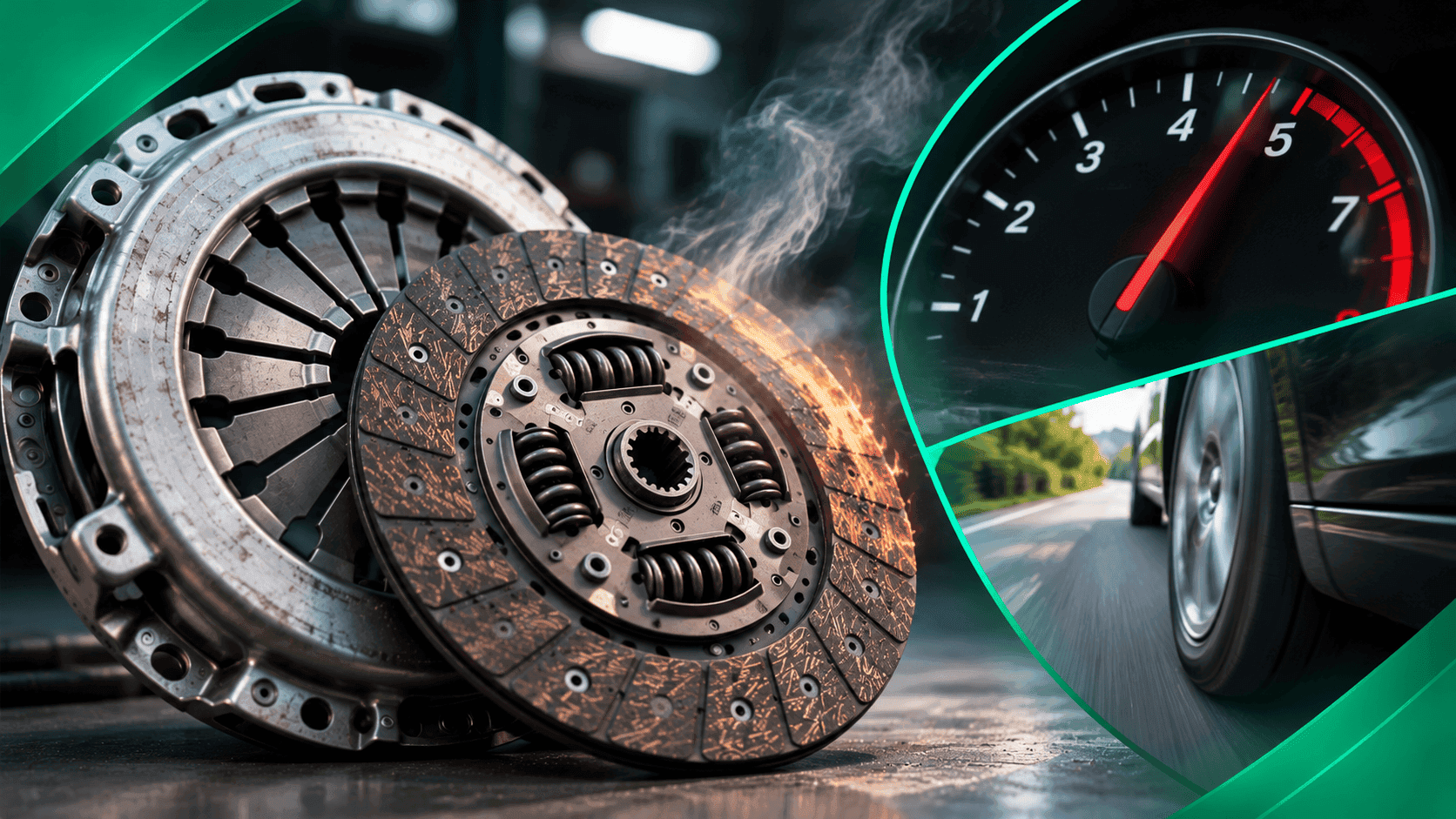
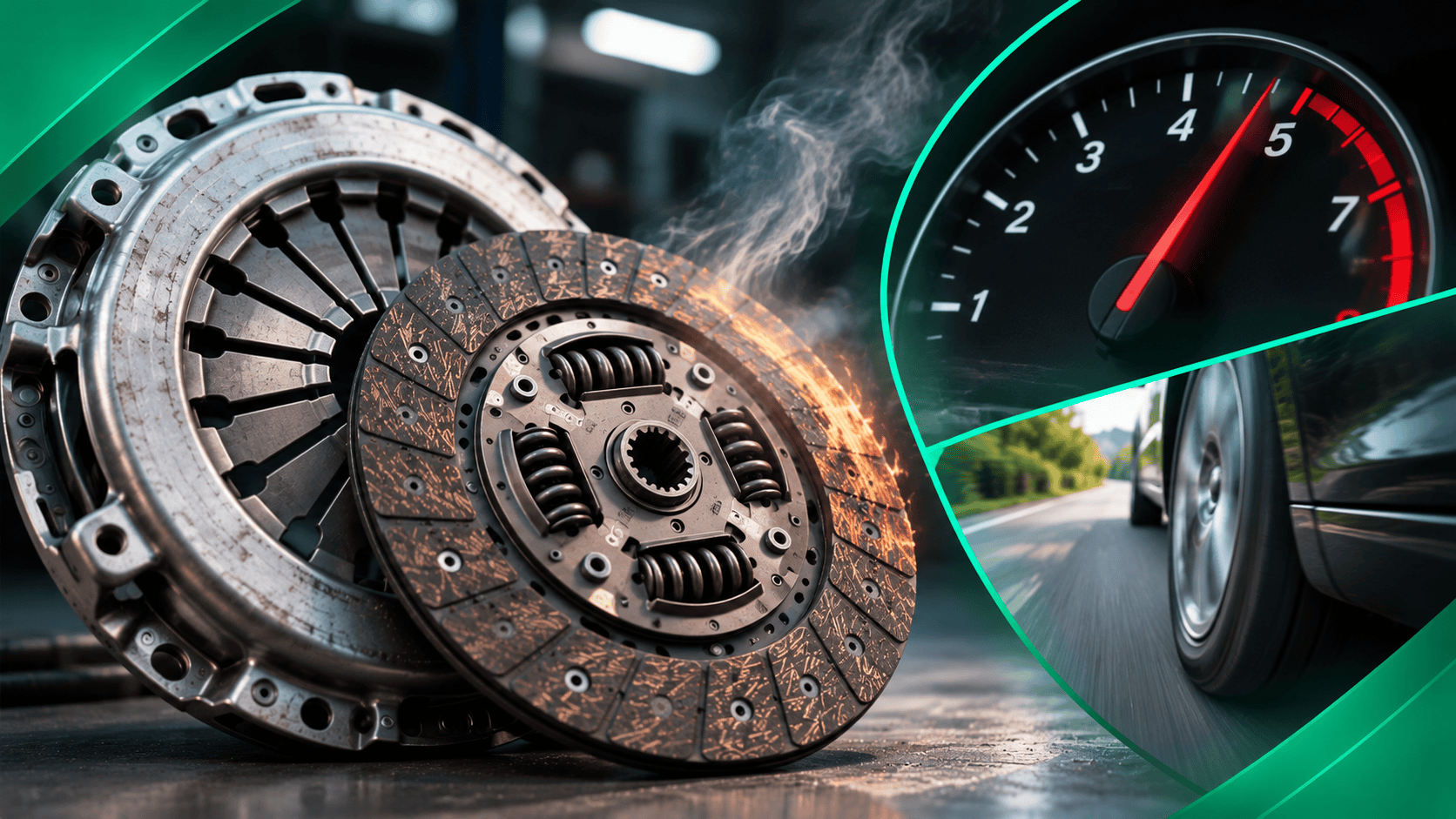
In a conventional manual transmission car, the clutch assembly includes a flywheel, clutch friction disc, pressure plate, and release mechanism.
When the driver fully releases the clutch pedal, the pressure plate clamps the friction disc against the engine's flywheel. Under normal driving conditions, the components rotate together, allowing engine power to reach the gearbox and driving wheels.
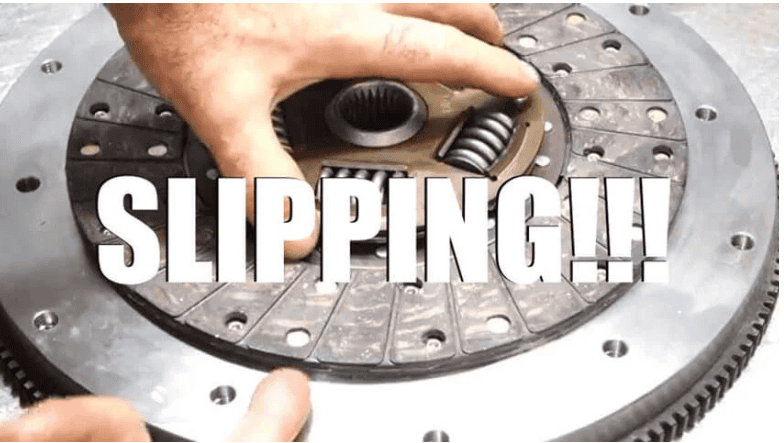
However, when the clutch becomes worn or develops a mechanical fault, the friction disc may no longer grip the flywheel and pressure plate firmly enough.
As a result, the engine can rotate faster than the transmission input shaft even though the clutch pedal is fully released.
This means some of the engine's power is lost through friction instead of being transferred to the wheels.
The problem often becomes more noticeable when the engine is producing greater torque, such as during strong acceleration, overtaking, or climbing a steep hill.
It's important to remember that brief, controlled clutch slipping during a normal start or gear change is expected. The problem described here is unwanted slipping when the clutch should be fully engaged.
What Are the Main Symptoms of Clutch Slipping?
A slipping clutch can produce several warning signs. Recognising these symptoms early may help prevent additional damage and reduce repair costs.
1. Engine RPM Increases Without a Matching Increase in Speed
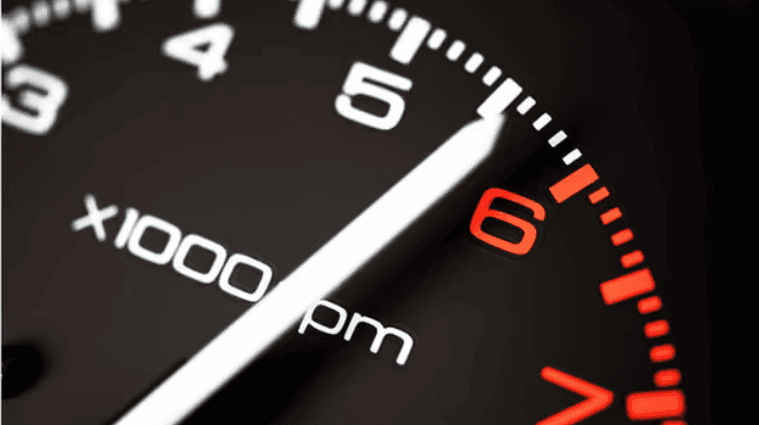
One of the clearest signs of clutch slipping is an unusual increase in engine RPM without the expected acceleration.
For example, imagine driving a manual car in third or fourth gear. When you press the accelerator, the tachometer might rise rapidly towards 3,000 or 4,000 RPM, but the vehicle's speed increases much more slowly than expected.
You may hear the engine revving strongly while the vehicle struggles to accelerate.
This happens because the clutch is unable to transfer all the engine torque effectively to the transmission.
In a properly engaged manual clutch, engine RPM and road speed are mechanically related through the selected gear ratio. If the RPM rises disproportionately while the gear remains engaged, unwanted clutch slipping is a possible explanation.
However, an increase in RPM is not automatically proof of clutch failure. Transmission behaviour differs between manual, automatic, and CVT-equipped vehicles, so diagnosis must take the vehicle's transmission type into account.
2. Burning Smell from the Clutch Area
Another common warning sign is an unusual burning smell, especially after heavy acceleration, repeated hill starts, or driving in slow-moving traffic.
When the clutch friction disc slips against the rotating flywheel and pressure plate, some of the engine's energy is converted into heat.
If the slipping continues, temperatures inside the clutch assembly can increase significantly.
Excessive heat may damage the clutch's friction material and produce a distinctive burning odour.
In some cases, this smell can become noticeable inside the passenger cabin or around the engine compartment.
However, burning smells can also come from overheated brakes, electrical components, oil leaks, or other mechanical problems.
Therefore, a burning smell should be investigated rather than automatically attributed to the clutch.
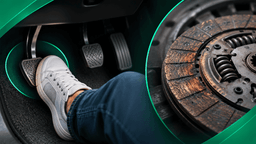
3. Changes in the Clutch Pedal Biting Point
A noticeable change in the clutch's engagement point can also indicate a problem.
In some manual vehicles, drivers may notice that the clutch begins engaging only when the pedal is released close to the top of its travel.
This is commonly described as a high clutch biting point.
As the clutch friction material wears, the engagement characteristics may change, depending on the design of the clutch and its adjustment mechanism.
However, a high biting point does not always mean that the clutch disc is worn out.
Hydraulic problems, cable adjustment issues, and normal differences between clutch designs can also affect pedal feel.
If the biting point changes significantly or the vehicle begins slipping during acceleration, the clutch system should be inspected by a qualified mechanic.
4. Poor Acceleration When Climbing Hills
Clutch slipping often becomes more noticeable when the vehicle is under heavy load.
For example, climbing a steep hill requires the drivetrain to transmit sufficient torque to the wheels.
If the clutch cannot maintain proper grip, the engine may rev higher without delivering the expected driving force.
The vehicle may feel unusually weak or struggle to maintain speed on an incline.
This problem can become particularly noticeable when carrying additional passengers, luggage, or cargo.
However, poor uphill performance can also result from engine faults, fuel delivery problems, or other drivetrain issues.
The important distinction is whether the engine RPM rises abnormally without a corresponding increase in vehicle speed.
What Causes Clutch Slipping?
Several mechanical problems can cause a clutch to slip. The most common causes involve worn friction components, overheating, incorrect clutch operation, or contamination.
1. Worn Clutch Disc or Pressure Plate
One of the most common causes of clutch slipping is ordinary wear.
The clutch friction disc gradually loses material through repeated engagement and disengagement.
Over time, the friction lining may become too thin to maintain the necessary grip under demanding conditions.
The pressure plate can also wear or lose some of its ability to provide the required clamping force.
When the clutch assembly can no longer transmit the engine's torque effectively, unwanted slipping may occur.
Although clutch wear is a normal part of vehicle operation, aggressive driving, excessive loads, and poor clutch control can accelerate the process.
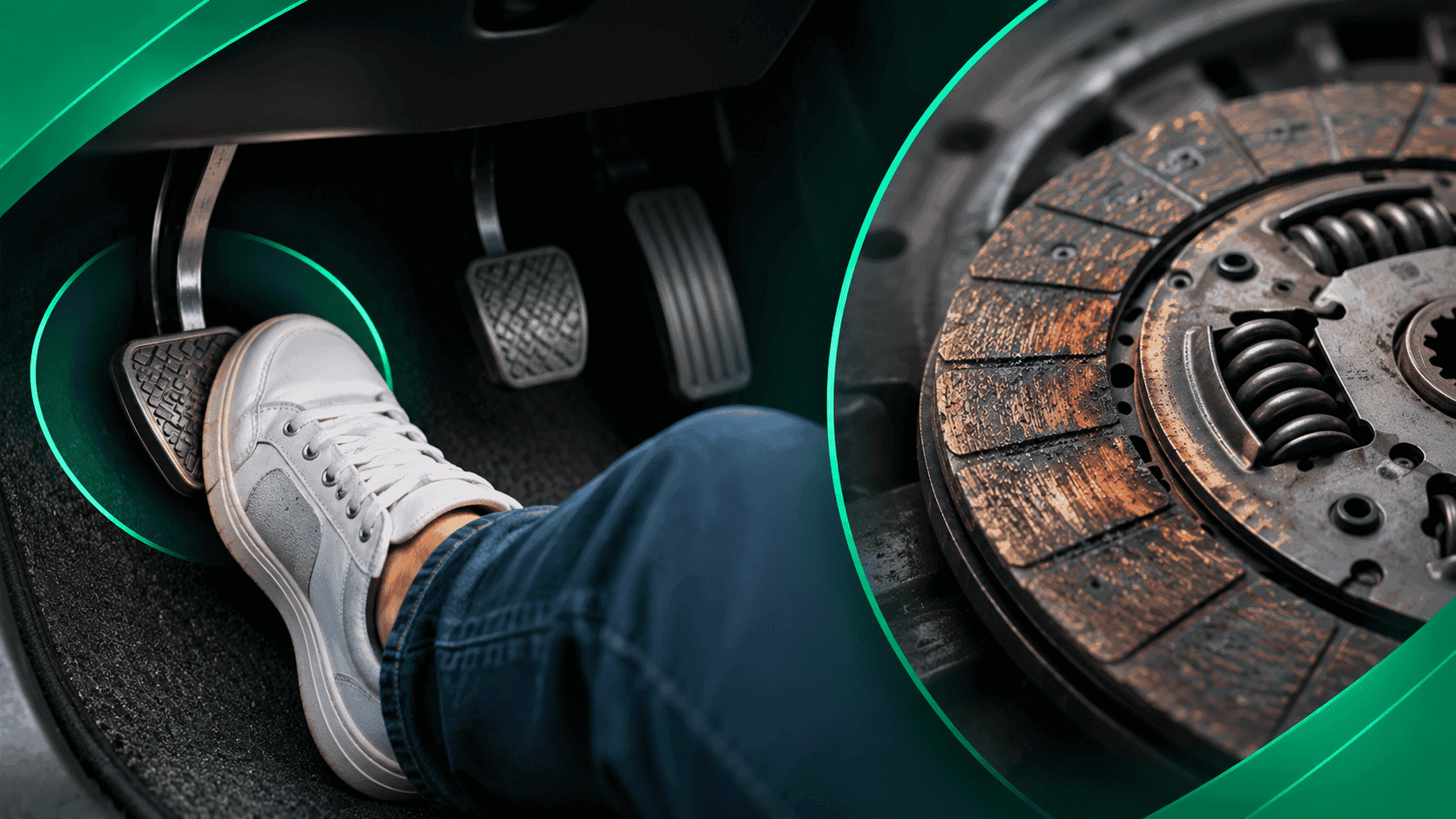
2. Excessive Half-Clutch Driving and Glazing
Another important cause is prolonged half-clutch operation.
This commonly happens when drivers hold a manual vehicle stationary on a hill by balancing the accelerator and clutch instead of using the brakes.
It can also happen when the driver repeatedly moves through traffic while keeping the clutch partially engaged for unnecessarily long periods.
During these situations, the clutch disc continues slipping against the flywheel and pressure plate.
The resulting friction generates heat that can damage the friction material.
Under severe conditions, the clutch lining can develop a hardened or unusually smooth surface, a condition commonly known as glazing.
Glazing may reduce the clutch's friction characteristics, contributing to slipping, vibration, or poor engagement.
To prevent this, avoid holding your vehicle on an incline using the clutch and minimise unnecessary slipping in heavy traffic.
3. Oil Contamination of the Clutch Disc
Oil contamination is another possible reason for clutch slipping.
In a typical dry-clutch manual transmission, the friction surfaces are designed to operate without engine oil or transmission oil covering them.
However, a leaking engine rear main seal or transmission input shaft seal can allow oil to enter the bellhousing area.
If oil reaches the clutch friction disc, it may reduce the friction available between the clutch disc, pressure plate, and flywheel.
This can cause slipping, judder, or inconsistent clutch engagement.
Oil contamination may develop gradually, and the symptoms can vary depending on the extent of the leak.
Repairing the problem usually requires identifying and fixing the source of the leak.
Depending on the condition of the friction material and other clutch components, replacement of the contaminated parts may also be necessary.
4. Incorrect Clutch Adjustment or Release Mechanism Problems
Clutch slipping does not always mean that the friction disc itself has reached the end of its service life.
In some vehicles, incorrect clutch cable adjustment, a faulty hydraulic mechanism, or problems with the clutch release system may prevent the clutch from engaging with its intended clamping force.
This can allow the clutch to slip even when the driver has fully released the pedal.
Other possible causes include a weakened pressure plate, damage to the clutch assembly, or faults in related components.
A proper mechanical inspection is necessary to identify the exact cause before replacing parts.
What Damage Can Happen If You Ignore a Slipping Clutch?
Continuing to drive with a slipping clutch can create additional problems.
As the clutch slips, more of the engine's energy is converted into heat rather than useful driving power.
This can accelerate wear of the friction lining and damage the surfaces of the pressure plate and flywheel.
Under severe conditions, excessive heat may produce hot spots, surface cracking, glazing, or distortion.
These problems can make the clutch engage unevenly, sometimes causing a noticeable vibration known as clutch judder.
If the flywheel becomes damaged, repairing the vehicle may involve more than replacing the clutch disc.
Depending on the flywheel design and its condition, resurfacing or replacement may be required.
Some dual-mass flywheels cannot be resurfaced using conventional methods and may need replacement if they fail inspection.
However, a slipping clutch does not automatically mean that the flywheel is permanently damaged, and repair costs do not necessarily increase by a fixed amount.
The extent of the repair depends on the actual condition of the components.
Can You Continue Driving with a Slipping Clutch?
If your vehicle begins showing signs of clutch slipping, the safest approach is to arrange a professional inspection as soon as practical.
Mild slipping may initially occur only during demanding acceleration or uphill driving, but the condition can worsen over time.
Continuing to drive may increase heat buildup and make the vehicle less predictable when accelerating or entering traffic.
If the clutch is slipping severely, the vehicle may struggle to move or lose the ability to transmit sufficient driving power.
Avoid aggressive acceleration, heavy loads, and unnecessary driving until the issue has been diagnosed.
If the vehicle cannot accelerate safely, develops a strong burning smell, or becomes difficult to control, stop in a safe location and arrange professional assistance rather than continuing the journey.
Does Clutch Slipping Affect Motorcycles Too?
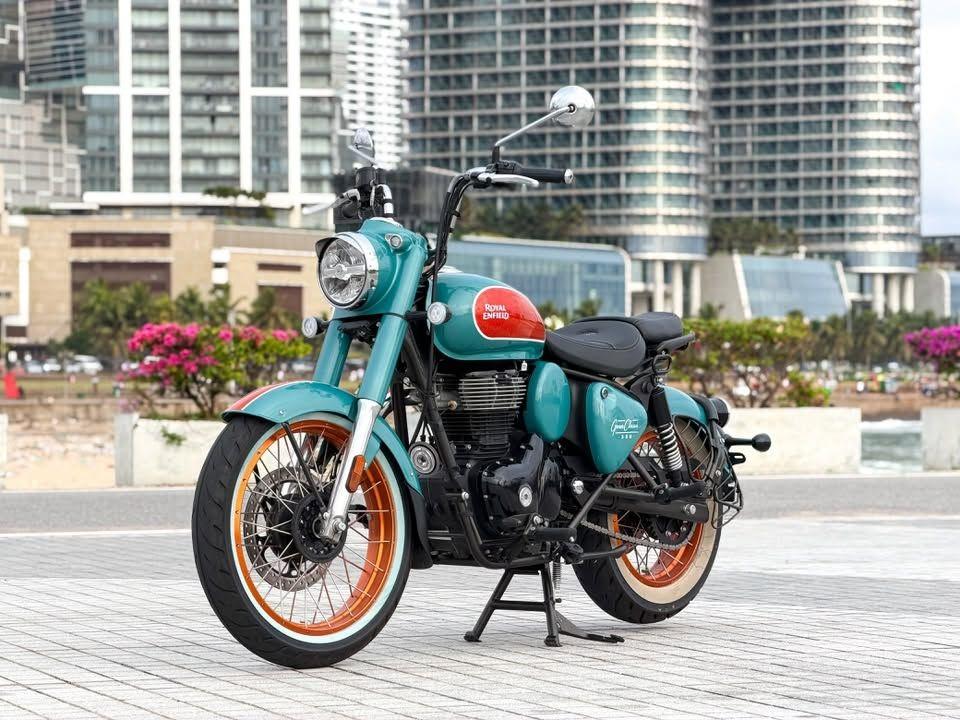
Clutch slipping can also occur in motorcycles, although the construction of motorcycle clutch systems may differ from that of manual cars.
Many motorcycles use wet multi-plate clutches that operate in an oil environment.
In these systems, controlled slipping can be a normal part of certain low-speed riding techniques.
However, worn friction plates, weakened clutch springs, incorrect cable adjustment, or unsuitable engine oil can contribute to unwanted slipping.
A motorcycle rider may notice engine RPM increasing rapidly while the motorcycle accelerates more slowly than expected.
If these symptoms appear, the clutch system should be inspected according to the motorcycle manufacturer's service recommendations.
How to Fix a Slipping Clutch
The correct repair depends on what is causing the slipping.
If the clutch disc and pressure plate are excessively worn, the workshop may recommend replacing the clutch assembly.
Many repairs involve replacing the friction disc, pressure plate, and release bearing together, although the required parts depend on the vehicle and inspection findings.
The flywheel should also be checked for excessive wear, surface damage, or distortion.
If oil contamination caused the problem, the leaking seal must be repaired to prevent the new clutch components from becoming contaminated.
If incorrect cable adjustment or a hydraulic fault is responsible, repairing the release mechanism may resolve the issue without requiring every clutch component to be replaced.
For this reason, replacing parts without identifying the actual cause is not always the best solution.
MotorGuide's Advice: Don't Ignore Clutch Slipping
At MotorGuide, our advice is to take clutch slipping seriously, even if the symptoms seem minor at first.
If the engine RPM increases without a matching increase in vehicle speed, the clutch biting point changes significantly, or you notice a burning smell during acceleration, arrange an inspection with a qualified mechanic.
Early diagnosis may help prevent additional damage to the flywheel, pressure plate, and other drivetrain components.
You can also help protect your clutch by avoiding unnecessary half-clutch driving, using the brakes to hold the vehicle on hills, changing gears smoothly, and keeping your foot away from the clutch pedal when it is not needed.
Proper driving habits and timely repairs can help maintain vehicle performance, reduce avoidable repair expenses, and extend the service life of the clutch system.
Stay connected with MotorGuide for more useful information about vehicle maintenance, mechanical problems, practical driving tips, and everything you need to know about the world of vehicles.

எழுதியவர்
Nisaga Sandaru
A versatile and highly experienced professional, currently an Automobile undergraduate at the University of Jaffna, with strong technical expertise grounded in hands-on work as a technician with SriLankan Airlines Ground Support Equipment (GSE). Holding an Automobile NVQ Level 3 qualification, along with specialized certifications in Vehicle ECU Programming and Diagnosis, and extensive experience in arc welding and vehicle body painting, and well equipped to handle complex automotive, diagnostic, and fabrication-related tasks with a high level of competence.