What Is a Vehicle Fuse Box and How to Troubleshoot a Blown Fuse

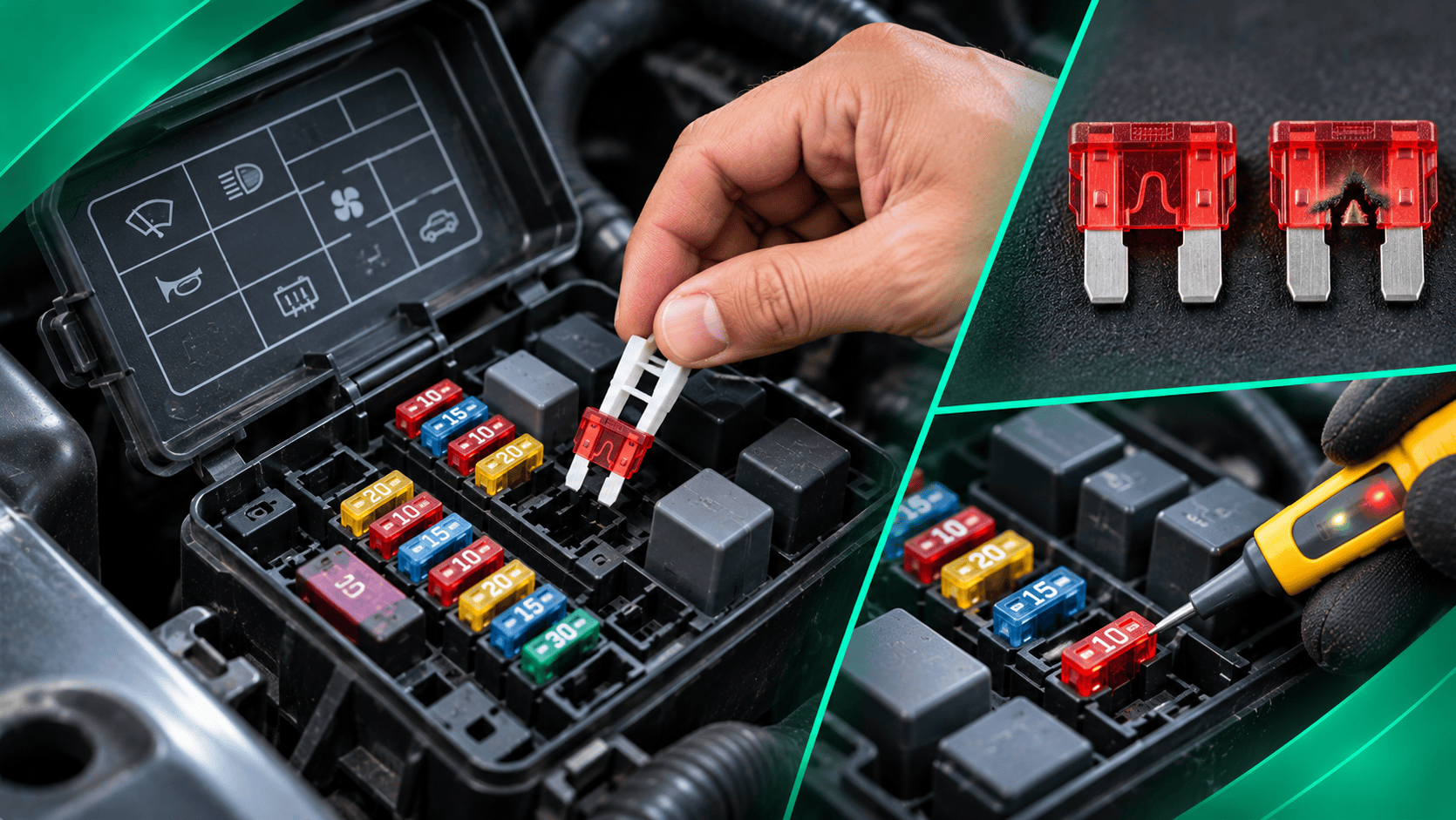
Today at MotorGuide, we're going to discuss an important part of your vehicle's electrical system that many drivers rarely think about until something stops working. We're talking about the fuse box and how to identify and troubleshoot a blown fuse.
Imagine getting into your vehicle and noticing that the headlights aren't working, the radio won't turn on, or the power windows have suddenly stopped responding. Your first thought might be that a major electrical component has failed and an expensive repair is necessary.
However, in some cases, the problem may be as simple as a blown fuse.
Although automotive fuses are relatively small and inexpensive, they perform a vital safety function by protecting electrical circuits against excessive current.
Knowing how to identify a fuse problem can help you understand what has gone wrong and determine whether a simple replacement or professional electrical diagnosis is needed.
So, what exactly does a car fuse do, where are the fuse boxes located, and how can you troubleshoot a blown fuse safely? Let's take a closer look.
What Is a Car Fuse and How Does It Work?
In simple terms, a fuse is an electrical safety device designed to interrupt a circuit when excessive current flows through it.
Every electrical circuit in a vehicle is designed to operate within certain electrical limits. Components such as headlights, cooling fans, audio systems, and power windows receive electricity through circuits protected by appropriately rated fuses or other protective devices.
If a short circuit or electrical overload causes excessive current to flow, the wiring and connected components may be exposed to damaging heat.
A conventional automotive fuse contains a specially designed metal element that melts when the current and duration exceed its operating characteristics.
When the element melts, the fuse opens the electrical circuit and interrupts the current flow.
This helps protect the wiring and reduces the risk of further electrical damage or fire.
However, a fuse does not guarantee that every electronic component will be protected under every possible fault condition. Its main purpose is to provide overcurrent protection for the circuit it serves.
Once a conventional fuse has blown, it cannot be repaired or reset. It must be replaced with a correctly specified fuse after the cause of the fault has been considered.
Where Is the Fuse Box Located in a Car?
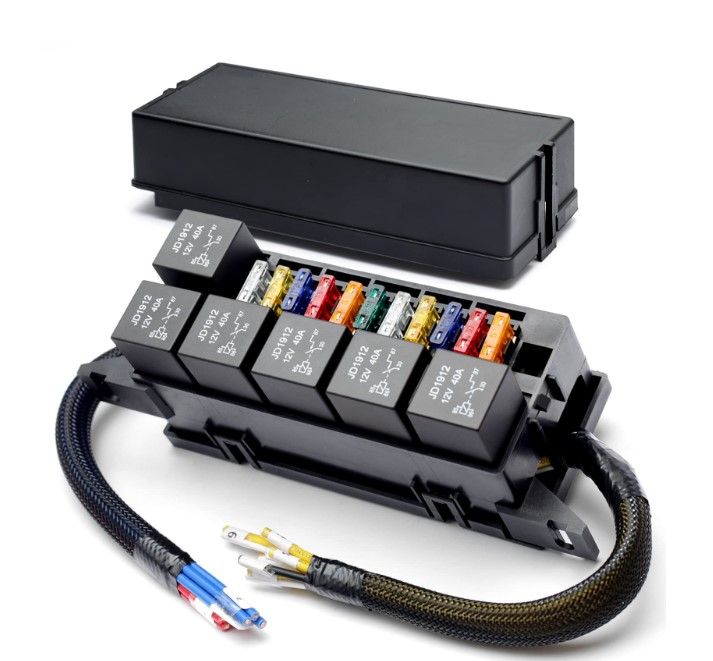
Many modern vehicles have more than one fuse box. Two common locations are the engine compartment and the passenger compartment.
The exact number and arrangement vary depending on the manufacturer, model, and production year.
1. Engine Bay Fuse Box
The engine bay fuse box is generally located beneath the bonnet, often near the battery or another electrical distribution component.
It may contain fuses and relays associated with systems such as the engine control unit, cooling fans, lighting, ABS, and other electrical equipment.
Some vehicles also have high-current fusible links or specialised protection devices for major electrical circuits.
The starting system may use a combination of relays, high-current wiring, and fusible links rather than an ordinary small blade fuse.
2. Interior Fuse Box
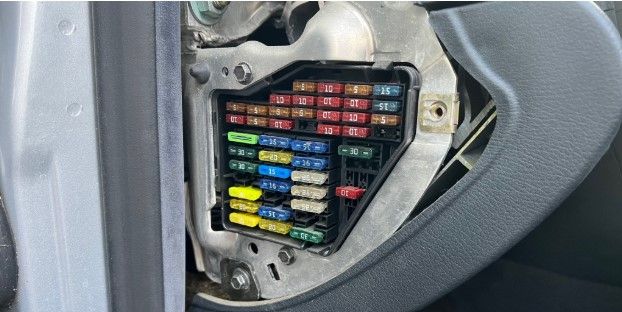
The interior fuse box is commonly installed beneath the dashboard, near the steering column, behind a dashboard cover, or inside another passenger compartment panel.
Depending on the vehicle, it may contain fuses for interior lighting, audio systems, accessory power outlets, windscreen wipers, power windows, and other convenience features.
Some vehicles may also have additional fuse panels in the luggage compartment or elsewhere.
The owner's manual is the most reliable starting point for identifying the correct fuse box.
What Are the Signs of a Blown Car Fuse?
A blown fuse can cause an electrical component or an entire protected circuit to stop operating.
For example, you may notice that a particular interior light stops working, the radio loses power, or an accessory socket no longer supplies electricity.
In some vehicles, several related electrical components may stop working at the same time because they share a protected circuit.
However, these symptoms do not automatically mean a fuse has blown.
A faulty switch, damaged wiring, loose electrical connector, failed relay, defective motor, or malfunctioning electronic control module can produce similar symptoms.
Therefore, checking the relevant fuse is a useful first diagnostic step, but it should not replace a proper electrical inspection if the cause remains unclear.
Step 1: Switch Off the Ignition and Locate the Correct Fuse
Before checking a suspected fuse, park the vehicle safely and switch off the ignition.
Turn off the relevant electrical accessory and follow the safety instructions in the owner's manual.
Some manufacturers specify additional procedures before inspecting certain circuits.
Next, identify which electrical component is no longer working.
For example, if the audio system has stopped operating, locate the fuse associated with the radio or infotainment circuit.
Your owner's manual or the diagram inside the fuse box cover may show the fuse position, circuit description, and amperage rating.
Common fuse ratings include 5A, 10A, 15A, 20A, and 30A, although vehicles use several other ratings and fuse designs.
Do not assume that every similarly coloured fuse protects the same type of circuit.
Always identify the correct fuse using the relevant vehicle documentation.
Step 2: Remove and Inspect the Fuse
Once you have located the suspected fuse, inspect it according to the manufacturer's recommended procedure.
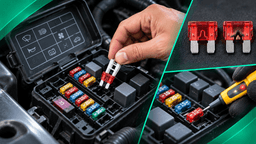
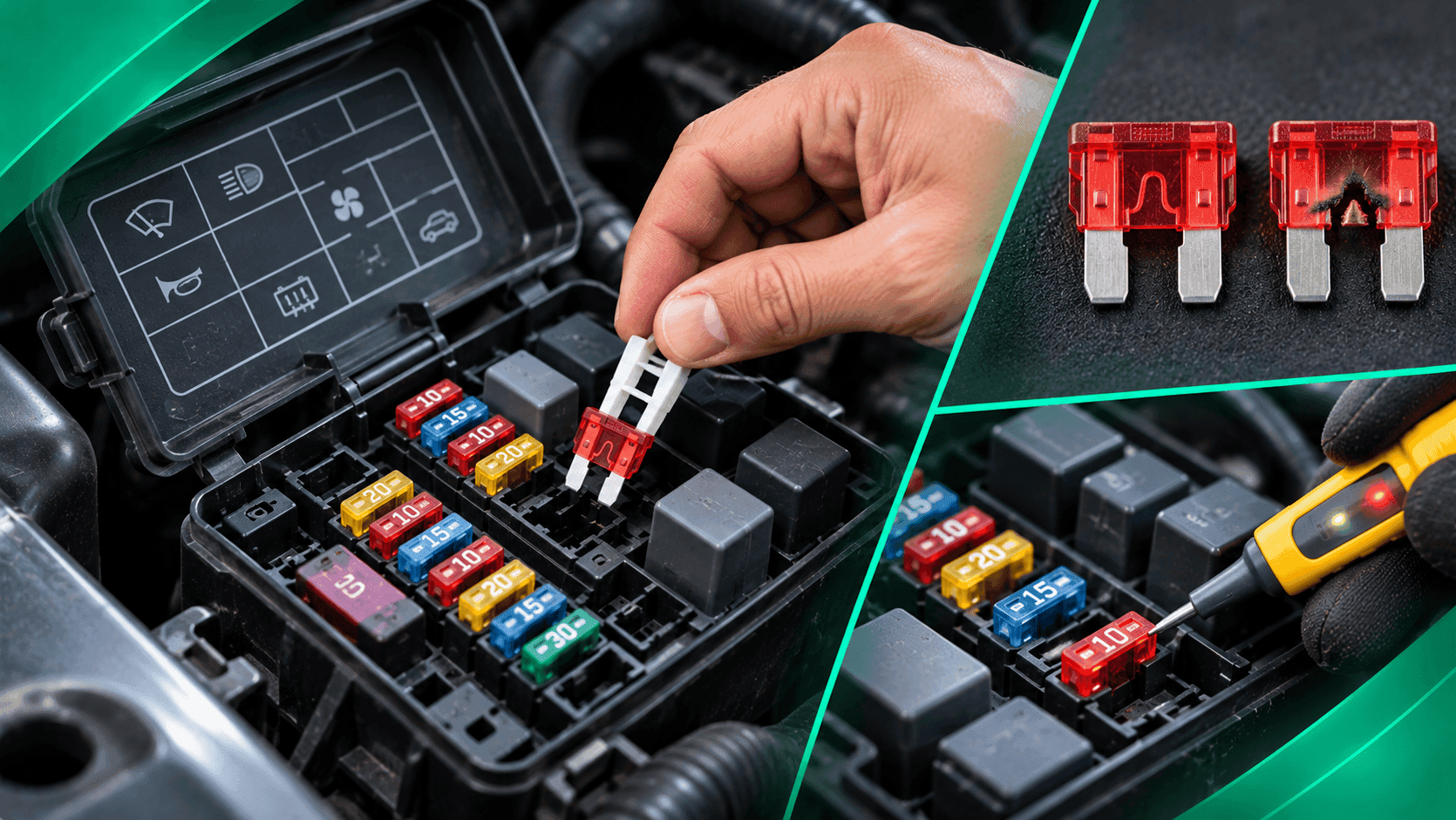
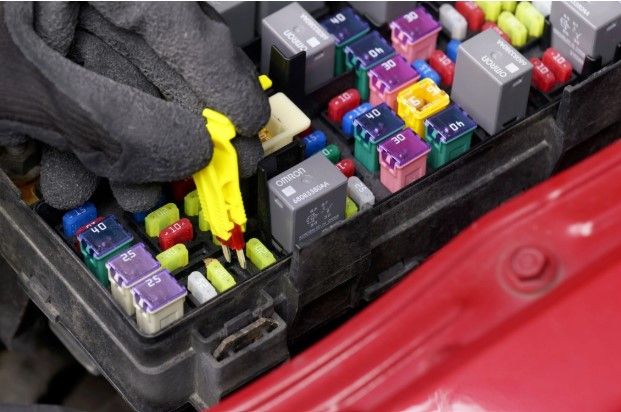
Many fuse boxes contain a small plastic fuse puller that can be used to remove blade-type fuses.
Some pullers are white, yellow, or another colour depending on the vehicle.
Use the correct tool to grip the fuse gently and pull it straight out without damaging the terminals or surrounding components.
Hold the removed fuse towards a light source and examine its internal metal element.
In a typical transparent blade fuse, the metal element should form a continuous connection between the two terminals.
If the element is visibly broken or melted, the fuse has blown.
You may also notice darkening or damage to the fuse housing in some cases.
However, not every failed fuse is easy to identify by visual inspection alone.
A fuse may have a small break that is difficult to see, while certain fuse designs do not allow the internal element to be inspected easily.
Step 3: Check the Fuse Using a Multimeter
If you have access to a multimeter and know how to use it safely, you can confirm whether a removed fuse has electrical continuity.
With the fuse removed from the circuit, set the multimeter to continuity mode or an appropriate resistance range.
Touch one test probe to each terminal of the fuse.
A serviceable conventional fuse should normally show very low resistance or trigger the meter's continuity indication.
A blown fuse will generally show an open circuit.
Make sure the fuse is not connected to a live electrical circuit when performing a resistance or continuity measurement.
Never use a multimeter's resistance or continuity setting directly on an energised fuse circuit.
If you are unfamiliar with electrical testing, it is safer to ask a qualified auto electrician to check the circuit.
Step 4: Replace the Blown Fuse with the Correct Rating
If you confirm that the fuse is blown, the next step is to determine whether it can be safely replaced.
Sometimes a fuse may fail because of a temporary fault. However, it may also indicate a short circuit, damaged wiring, faulty accessory, or another underlying electrical problem.
If there are signs of overheating, melted wiring, a burning smell, or repeated fuse failure, do not attempt further replacement. Arrange professional diagnosis.
When replacement is appropriate, always use a fuse with the exact amperage rating specified by the vehicle manufacturer.
For example, if the circuit requires a 10A fuse, replace it with another correctly specified 10A fuse.
Never install a 15A or 20A fuse in place of a 10A fuse simply because the original fuse keeps blowing.
The replacement must also be the correct physical type and meet the appropriate specifications for the fuse holder.
Install the new fuse securely, refit any necessary covers, and then test the electrical component according to the manufacturer's instructions.
If the component operates normally and the fuse remains intact, the circuit may have been restored.
However, successful operation does not necessarily prove that the underlying cause of the original fuse failure has disappeared.
Step 5: What If the New Fuse Blows Again?
If the replacement fuse blows immediately or shortly after the electrical component is switched on, there is likely an unresolved electrical fault.
Possible causes include a short circuit, damaged insulation, water entering an electrical connector, or a defective component drawing excessive current.
For example, a worn power window motor or wiring damaged near a door hinge may create electrical problems in the protected circuit.
Aftermarket accessories installed with incorrect wiring or unsuitable connections may also contribute to repeated fuse failures.
Do not continue replacing fuses in the hope that the next one will last longer.
Repeated fuse failure is an indication that the circuit requires further inspection.
A qualified auto electrician can check the wiring, connectors, relays, components, and current draw using appropriate diagnostic equipment.
Identifying the fault is essential before the circuit is returned to normal operation.
Why Should You Never Use a Higher-Amperage Fuse?
One of the most dangerous mistakes drivers can make is installing a fuse with a higher rating than the circuit requires.
For example, replacing a specified 10A fuse with a 30A fuse may allow more current to flow before the replacement fuse opens.
However, the wiring and connected components may not be designed to carry that additional current.
Under fault conditions, this can allow the wiring to overheat, damage electrical insulation, or increase the risk of fire.
The purpose of a properly rated fuse is to interrupt excessive current before the circuit is exposed to unacceptable conditions.
Changing the amperage rating without proper engineering approval defeats an important part of that protection.
Never Replace a Fuse with Copper Wire
Another dangerous practice is wrapping copper wire around a blown fuse or using a metal object to bridge the fuse terminals.
This effectively bypasses the fuse's intended overcurrent protection.
If a short circuit occurs, the current may continue flowing through wiring that is not designed to handle it.
In severe cases, this can lead to melted insulation, damaged components, smoke, or an electrical fire.
Never use copper wire, aluminium foil, paper clips, or other improvised materials as a replacement for an automotive fuse.
Only install the correct, manufacturer-specified protective device.
Are All Vehicle Fuses the Same?
Automotive electrical systems use different fuse types depending on circuit requirements.
Common examples include standard blade fuses, mini blade fuses, low-profile fuses, cartridge-style fuses, and high-current fusible links.
These components differ in physical size, terminal design, amperage rating, and intended application.
A fuse that fits loosely or has an incorrect physical design may cause poor electrical contact or other problems.
Always match both the electrical rating and physical specification of the original protective device.
Specialised high-current fuses and integrated power distribution assemblies may require professional servicing rather than simple owner replacement.
When Should You Visit an Auto Electrician?
Although checking a conventional low-voltage blade fuse can be straightforward, not every electrical problem should be handled at home.
Seek professional assistance if a new fuse blows repeatedly, the fuse holder is melted, several electrical systems fail simultaneously, or the vehicle displays persistent electrical warnings.
You should also seek assistance if you notice smoke, damaged wiring, a burning smell, or signs of water entering the electrical system.
For hybrid and electric vehicles, special care is required because some components operate at dangerous high voltages.
Do not inspect or interfere with high-voltage fuse assemblies, orange high-voltage cables, or sealed battery-related components without the required training and safety equipment.
The instructions in this article relate primarily to ordinary, accessible automotive low-voltage fuses.
MotorGuide's Advice: Keep Spare Fuses but Prioritise Safety
At MotorGuide, our advice is to become familiar with the location of your vehicle's fuse box and the information provided in the owner's manual.
Keeping a small selection of correctly specified spare fuses can be useful if your vehicle manufacturer permits owner replacement.
However, the spare fuses should match the types and ratings used in your vehicle.
Remember that a fuse is an important electrical safety device, not simply a component that restores power when replaced.
If a fuse blows, take the time to identify the affected circuit and check whether there are signs of a more serious problem.
Never use a higher-amperage fuse or bypass the fuse using copper wire.
If the replacement fuse fails again, stop replacing it and arrange a proper electrical inspection.
Understanding how the fuse box works can help you recognise simple electrical faults while avoiding mistakes that could damage your vehicle.
Stay connected with MotorGuide for more useful information about vehicle maintenance, electrical systems, automotive technologies, and practical advice for everyday drivers.

எழுதியவர்
Nisaga Sandaru
A versatile and highly experienced professional, currently an Automobile undergraduate at the University of Jaffna, with strong technical expertise grounded in hands-on work as a technician with SriLankan Airlines Ground Support Equipment (GSE). Holding an Automobile NVQ Level 3 qualification, along with specialized certifications in Vehicle ECU Programming and Diagnosis, and extensive experience in arc welding and vehicle body painting, and well equipped to handle complex automotive, diagnostic, and fabrication-related tasks with a high level of competence.