What is the Defog System?

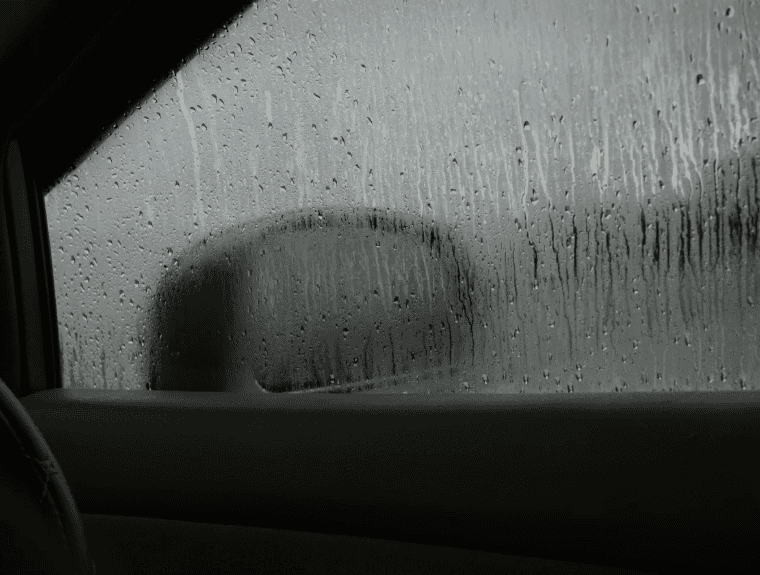
Today at Motor Guide, we are discussing a topic that is extremely important for any driver, especially during rainy days and cold weather: Defogging, or how to control the misting of your vehicle's windows.
Although window fogging is a normal occurrence due to temperature differences inside and outside the vehicle, failing to manage it correctly can easily lead to road accidents. Therefore, being technically and practically aware of this process is an essential requirement for every driver.
The Science Behind the Fog (Condensation)
Generally, vehicle windows fog up due to the imbalance between indoor and outdoor temperatures. During the rain, the moisture exhaled by the occupants and their body heat increases both the temperature and humidity inside the vehicle. Meanwhile, the outside environment is very cold due to the rain. When the warm, moist air inside hits the cold surface of the glass, the water vapor instantly turns into liquid and sticks to the glass. We call this Condensation. As industry experts, a common mistake we often see people make in this situation is turning off the AC and rolling down the windows, or trying to wipe the glass with a piece of cloth. However, this only worsens the problem.
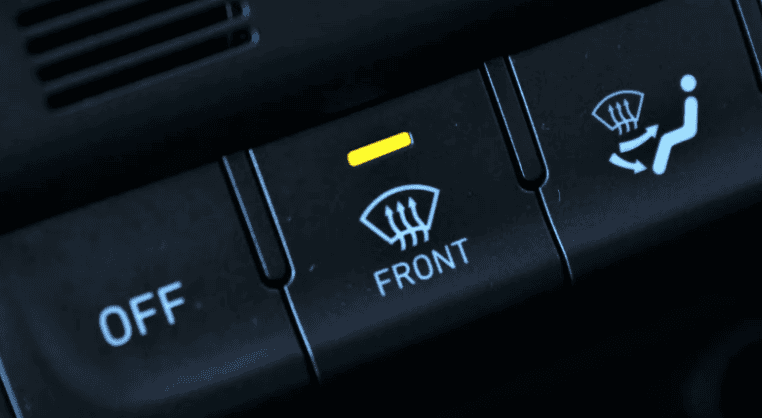
How the Front Defogger Works
Looking at how a defogger operates, there are mainly two methods. An air stream is used for the front windshield, while electric heating lines are used for the rear windshield. When you press the vehicle's Defogger button, the system directs dry air straight onto the glass. Here, it is highly critical for the AC system to be active, because the AC extracts moisture from the air. The moment the dry air hits the windshield, the accumulated fog evaporates. That is exactly why in many modern vehicles, pressing the "Front Defogger" button automatically activates both the AC and the Fresh Air Mode.
The Rear Defogger and Heating Lines
The rear windshield defogger is quite different. If you look closely at the glass, you will notice several thin orange or black lines. These are not just patterns; they are electrical resistance lines. When you activate the Rear Defogger, a mild electrical current flows through these lines, slightly heating the glass. This melts away any fog or frost on the surface. A special piece of advice we give is to be extremely careful when cleaning the inside of this rear windshield. If those thin lines are damaged, the entire defogger system can fail. The risk of breaking these lines is especially high when scraping off old window tint.
The Danger of Recirculation Mode
A massive mistake many people make during rain is keeping the vehicle in Recirculation Mode. This allows the same stale air to circulate inside. As a result, the moisture from our exhaled breath remains trapped inside, exacerbating the fog. Therefore, when turning on the defogger, never forget to switch to Fresh Air Mode. This allows fresh outdoor air to balance the internal humidity. Controlling the temperature is also important. If it is too cold, you can use a bit of the Heater while keeping the AC on to maintain a moderate temperature. That way, the occupants are not uncomfortable, and the windows remain crystal clear.
Tips for Older Vehicles Without Defoggers
Some older vehicles might not have a defogger, or it might be broken. In such situations, the easiest workaround is to roll down the windows on both sides by about an inch. Because this equalizes the internal and external pressure and temperature, the fogging is significantly reduced. Furthermore, keeping the interior side of the glass clean—free from dirt or oily films—is highly important. Fog primarily clings to dust particles on the glass. Therefore, make it a habit to wipe the inside of your windows using a good Glass Cleaner at least once a week.
Motor Guide's Final Advice
Motor Guide's ultimate advice is that once you purchase a vehicle, you should get a proper understanding of how all its buttons and systems work. The defogger is not a luxury feature; it is a vital safety system that guarantees the driver's visibility. On a rainy day, instead of waiting for the fog to appear, make it a habit to turn on the defogger proactively right after starting the vehicle. Also, do not forget to turn off the rear defogger once the fog has cleared, as heating it continuously places unnecessary stress on the battery and the glass. Properly maintaining the vehicle's AC system also directly influences this. And we remind you to always stay tuned with Motor Guide to learn more valuable information like this about modern vehicles and technology!

எழுதியவர்
Nisaga Sandaru
A versatile and highly experienced professional, currently an Automobile undergraduate at the University of Jaffna, with strong technical expertise grounded in hands-on work as a technician with SriLankan Airlines Ground Support Equipment (GSE). Holding an Automobile NVQ Level 3 qualification, along with specialized certifications in Vehicle ECU Programming and Diagnosis, and extensive experience in arc welding and vehicle body painting, and well equipped to handle complex automotive, diagnostic, and fabrication-related tasks with a high level of competence.