Why Does Your Engine RPM Fluctuate? Common Causes and Solutions

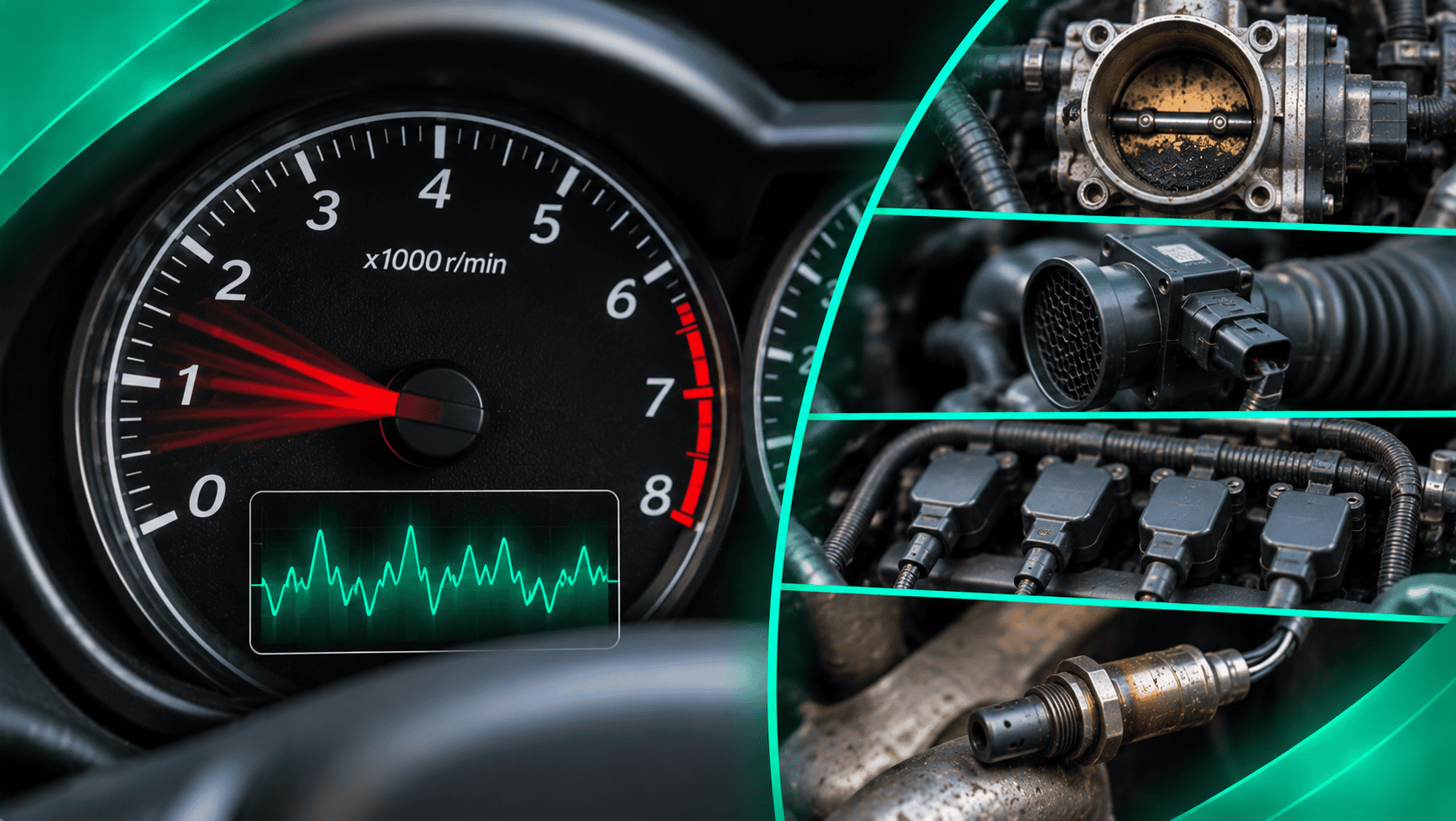
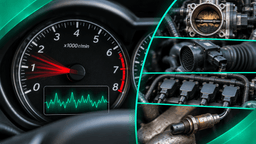
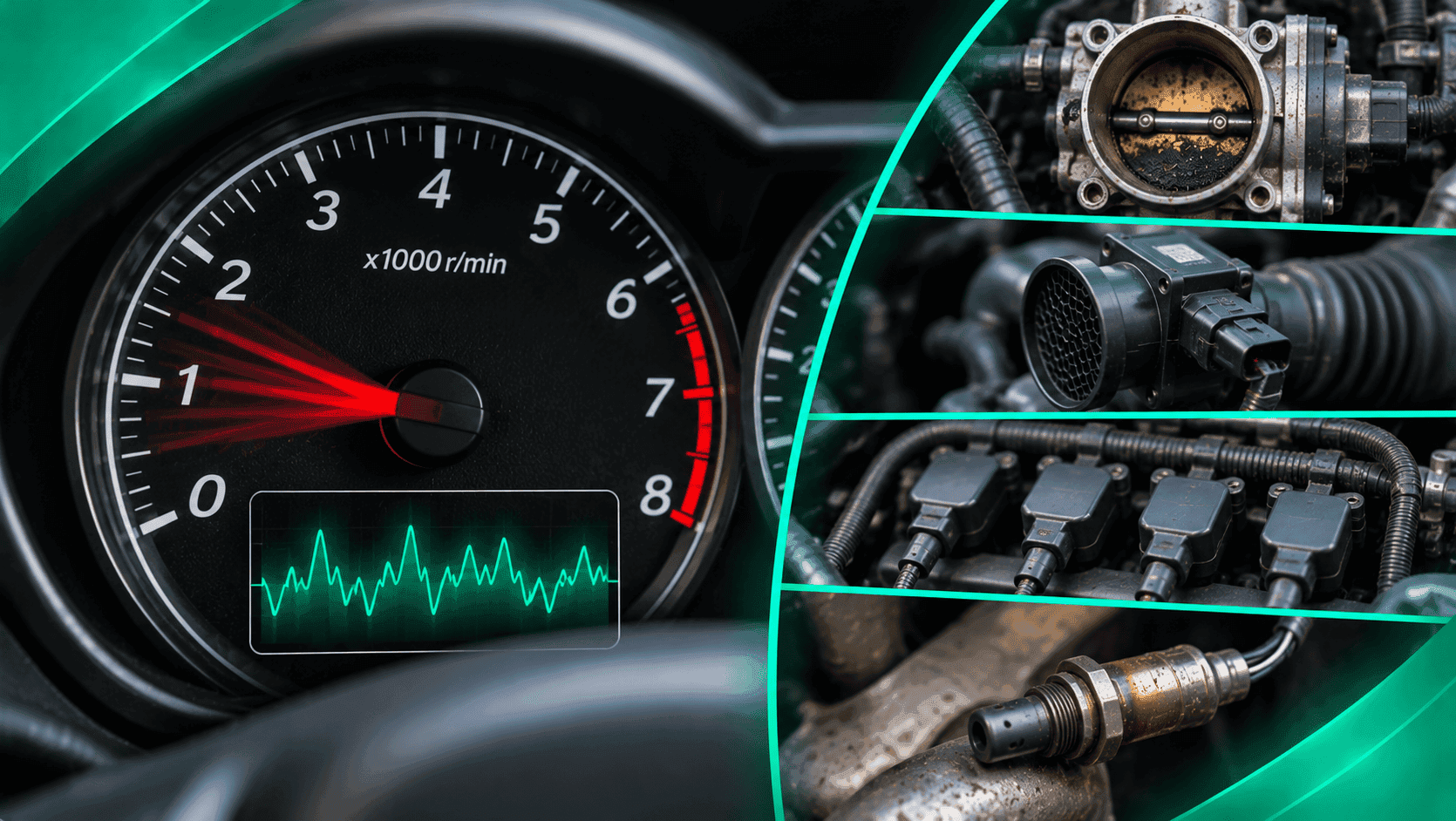
Today at MotorGuide, we're going to discuss a common engine problem that many vehicle owners experience. It's something that can be particularly noticeable when your vehicle is stationary with the engine running. We're talking about engine RPM fluctuations, where the RPM repeatedly rises and falls instead of remaining relatively stable.
Imagine starting your car and leaving it idling for a few minutes. Normally, the engine should settle into a reasonably consistent idle speed once it reaches its operating temperature. However, you might notice the tachometer needle moving up and down continuously.
Sometimes the engine may also vibrate, hesitate, or sound as though it is about to stall before the RPM increases again.
Although small changes in idle speed can be normal, frequent or significant fluctuations may indicate a problem with the engine's air intake, fuel delivery, ignition, or electronic control systems.
So, why does engine RPM fluctuate at idle, what are the most common causes, and how can you identify and resolve the problem? Let's take a closer look.
What Is Normal Engine Idle RPM?
Engine idle speed refers to the speed at which the engine rotates when it is running without the driver pressing the accelerator.
In many petrol passenger cars, warm idle speed may be approximately 700 to 900 RPM. However, this is only a general example, not a universal specification.
The correct idle speed depends on the vehicle's engine design, manufacturer settings, operating temperature, and electrical or mechanical loads.
Some engines may idle below or above this range while operating normally.
When an engine is first started in colder conditions, the RPM may also be temporarily higher than usual. This helps the engine reach its intended operating temperature and supports stable operation during the warm-up period.
Once the engine warms up, the idle speed generally decreases towards its normal operating range.
Small RPM adjustments may also occur when the air conditioning compressor switches on or when other electrical accessories increase the load on the engine.
However, if the RPM continuously rises and falls without an obvious reason, or the engine shakes noticeably, stalls, or struggles to remain running, further investigation may be necessary.
1. Dirty Throttle Body and Idle Air Control Valve
One of the possible causes of unstable idle RPM is a dirty throttle body.
The throttle body controls the amount of air entering the engine. In many petrol vehicles, it contains a throttle plate, sometimes called a butterfly valve, which regulates airflow into the intake system.
Over time, deposits can accumulate around the throttle plate and inside the throttle body.
These deposits may come from oil vapours circulating through the crankcase ventilation system and contaminants entering the intake tract.
When deposits become excessive, they can affect the airflow passing through the throttle body, particularly at small throttle openings during idle.
In some engines, this can make it more difficult for the engine control unit, or ECU, to maintain the intended idle speed.
As a result, the RPM may drop unexpectedly before the engine management system adjusts airflow or other operating parameters to compensate.
This can create a repeated rise-and-fall pattern, sometimes referred to as idle hunting.
Older vehicles may use a separate Idle Air Control Valve (IAC valve) to regulate bypass airflow during idle.
If the valve becomes dirty, sticks, or develops an electrical fault, idle speed may become unstable.
However, many modern vehicles use electronic throttle control and do not have a separate conventional IAC valve.
How to Fix a Dirty Throttle Body
If throttle body contamination is suspected, a qualified technician can inspect the assembly and determine whether cleaning is necessary.
A suitable throttle body cleaning product may help remove certain deposits.
However, electronically controlled throttle bodies require careful handling. Forcing the throttle plate open or using an unsuitable cleaning chemical can damage sensitive components.
Some vehicles also require a throttle adaptation or idle relearn procedure after cleaning.
Therefore, always follow the manufacturer's recommended procedure instead of assuming that every throttle body can be cleaned in the same way.
2. Vacuum Leaks in the Intake System
Another common cause of unstable idle speed is a vacuum leak.
In a petrol engine, the intake manifold and associated hoses form part of a system that controls and directs incoming air.
If a vacuum hose becomes cracked, disconnected, or loose, additional air may enter the engine through an unintended opening.
On engines that measure incoming air using a Mass Air Flow sensor, this may allow unmetered air to enter the intake system.
As a result, the engine management system may receive inaccurate information about the amount of air entering the cylinders.
This can affect the air-fuel mixture and contribute to lean operating conditions.
The ECU may attempt to compensate by adjusting fuel delivery or idle control.
Depending on the engine and the severity of the leak, the result may be high idle speed, rough idling, hesitation, or repeated RPM fluctuations.
Vacuum leaks can occur around rubber hoses, intake manifold gaskets, vacuum connections, or other intake-related components.
Problems with the Positive Crankcase Ventilation (PCV) system can also produce symptoms similar to an intake air leak.
How to Identify and Repair a Vacuum Leak
A useful starting point is to inspect accessible vacuum hoses and intake connections for obvious damage.
Look for cracked rubber, disconnected hoses, loose clamps, and deteriorated seals.
However, some vacuum leaks are too small to identify through a simple visual inspection.
A qualified mechanic may use diagnostic equipment, fuel trim readings, or a professional smoke test to locate the leak.
Damaged hoses, seals, or other components should be repaired or replaced according to the manufacturer's specifications.
Avoid spraying flammable chemicals around a running engine in an attempt to locate vacuum leaks, as this can create a fire risk.
3. Dirty or Faulty Mass Air Flow Sensor
The Mass Air Flow sensor, commonly known as the MAF sensor, is another component that can affect engine idle stability.
In vehicles equipped with a MAF sensor, it measures the mass of air entering the engine and sends this information to the ECU.
The ECU uses this information, together with data from other sensors, to calculate the appropriate fuel delivery.
If the MAF sensor becomes contaminated or develops an electrical problem, its readings may become inaccurate.
This can affect the engine's air-fuel mixture and lead to symptoms such as unstable idle RPM, hesitation, poor acceleration, or increased fuel consumption.
However, not every vehicle uses a MAF sensor.
Some engines primarily calculate intake airflow using a Manifold Absolute Pressure (MAP) sensor and other measurements.
Therefore, it is important to identify the type of air measurement system fitted to your particular vehicle.
How to Fix a MAF Sensor Problem
If diagnostic testing indicates that a MAF sensor is contaminated, cleaning may help restore its performance in some cases.
Only a cleaning product specifically suitable for the sensor should be used, following the correct procedure.
Do not touch or scrub delicate sensor elements, as they can be easily damaged.
Cleaning will not fix every sensor fault, particularly if there is internal electrical damage.
A professional diagnosis may involve checking live sensor data, electrical connections, and related intake system components.
If the sensor has failed, replacement may be necessary.
4. Worn Spark Plugs and Ignition System Problems
Unstable idle speed can also be caused by ignition system problems in petrol engines.
The ignition system is responsible for producing the spark needed to ignite the air-fuel mixture inside the cylinders.
If the spark plugs are excessively worn, the ignition coils are faulty, or another ignition component fails, combustion may become inconsistent.
This can lead to engine misfires.
A misfire occurs when a cylinder does not produce its expected contribution to engine power during a combustion event.
When this happens at idle, the engine may shake or run unevenly.
In some cases, the tachometer needle may fluctuate as the engine management system attempts to maintain stable operation.
Other possible symptoms include hesitation during acceleration, reduced engine power, and a Check Engine Light.
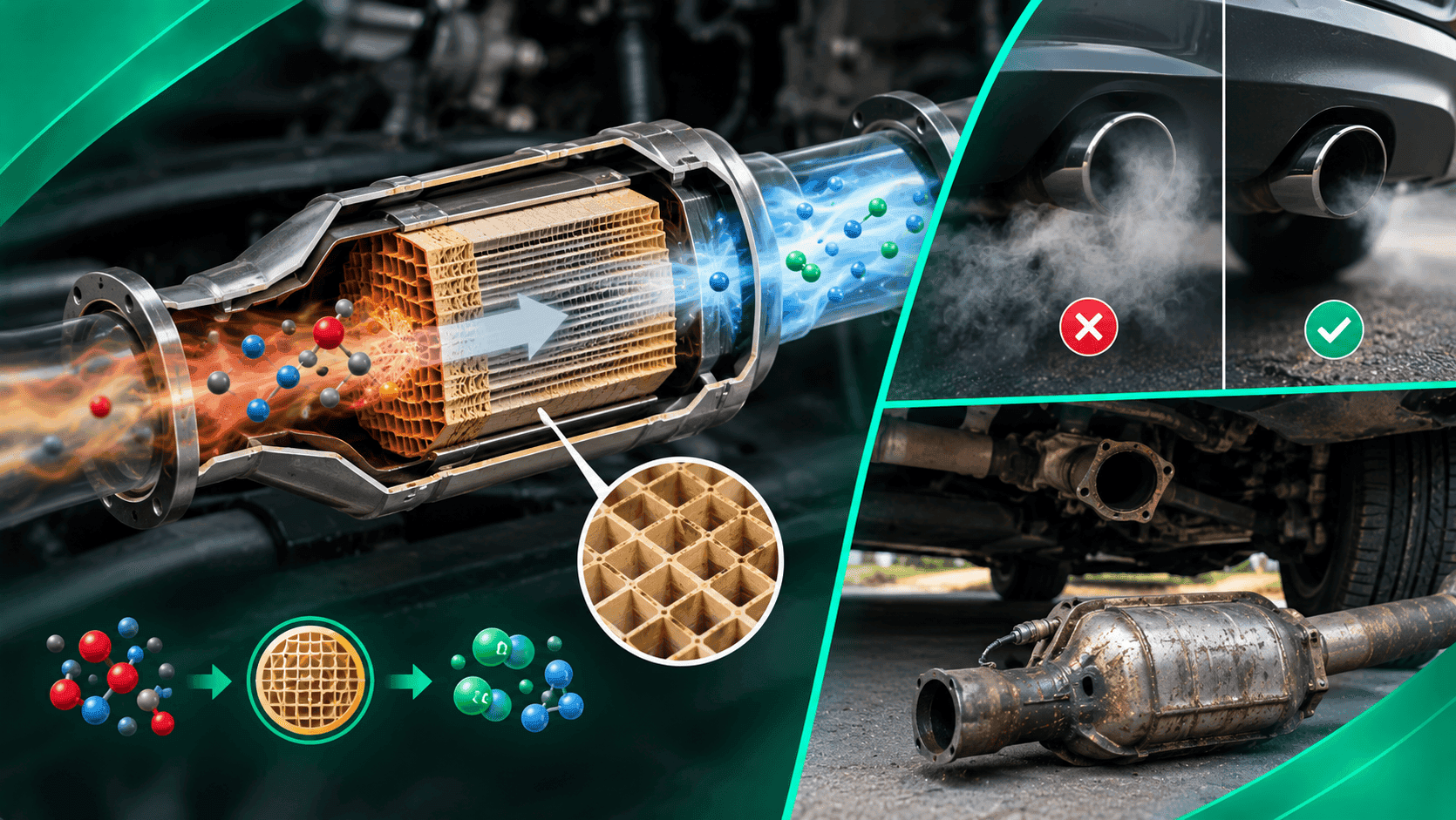
Persistent misfires should not be ignored because they can cause additional damage, including potential catalytic converter overheating in petrol vehicles.
How to Resolve Ignition-Related RPM Fluctuations
Spark plugs should be inspected and replaced according to the manufacturer's recommended maintenance schedule.
The correct spark plug type, heat range, and gap specification are important for proper engine performance.
If an ignition coil or another component is suspected, a mechanic can perform suitable diagnostic tests.
Replacing spark plugs alone may not resolve the problem if the actual cause is a faulty ignition coil, damaged wiring, or another engine fault.
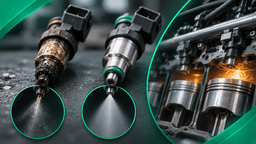
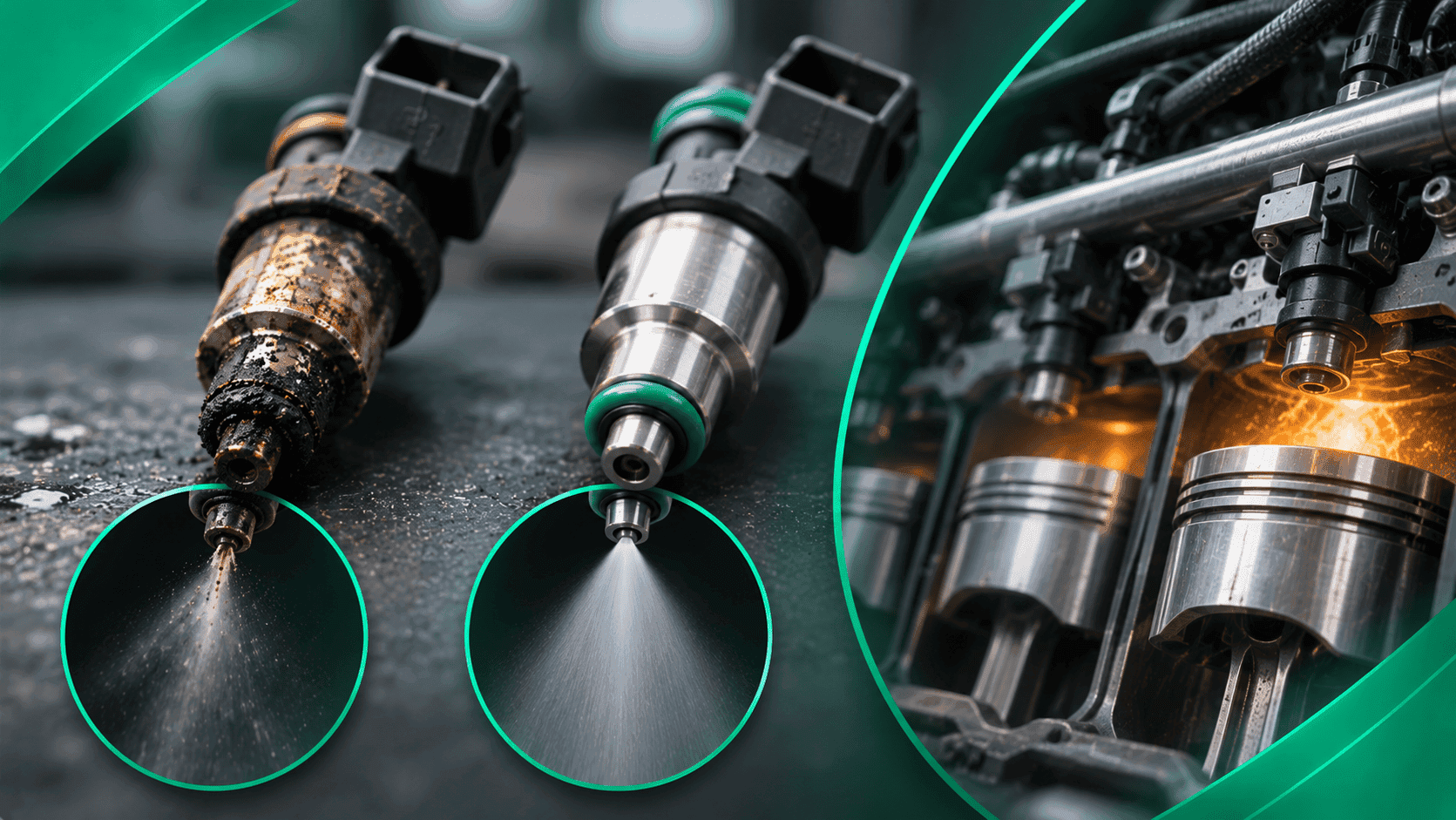
5. Dirty or Faulty Fuel Injectors
Fuel injector problems are another possible reason for unstable engine RPM.
Fuel injectors are responsible for delivering accurately controlled amounts of fuel into the engine.
Depending on the injection system, fuel may be sprayed into the intake port or directly into the combustion chamber.
If an injector becomes partially restricted, develops an irregular spray pattern, or stops functioning correctly, the affected cylinder may not receive the intended amount of fuel.
This can cause uneven combustion and contribute to rough idling or engine misfires.
Drivers may notice engine vibrations, inconsistent RPM, hesitation, or reduced acceleration.
However, injector problems are not always caused by dirt. Electrical faults, fuel pressure problems, mechanical wear, or leakage can produce similar symptoms.
How to Fix Fuel Injector Problems
If dirty injectors are suspected, the fuel delivery system should be diagnosed before cleaning or replacing components.
A technician may use diagnostic trouble codes, fuel pressure measurements, injector tests, and other equipment to identify the cause.
Some injector deposits may respond to an appropriate cleaning method, but not every problem can be solved using a fuel system cleaner additive.
Additives should only be used if they are compatible with the engine and permitted by the manufacturer.
Modern high-pressure diesel and direct injection systems may require specialist equipment and procedures.
Never attempt to disconnect high-pressure fuel lines while the fuel system is pressurised.
6. Air Conditioning Compressor Load
Not every change in engine RPM indicates a mechanical fault.
For example, when the air conditioning compressor engages, it can increase the load on the engine in vehicles with engine-driven compressors.
The ECU may respond by adjusting the throttle position, ignition timing, or other operating parameters to maintain a stable idle.
This can cause a small, temporary change in RPM.
In many vehicles, this behaviour is normal.
However, if the RPM drops excessively, the engine nearly stalls, or the fluctuations continue repeatedly, there may be a problem with idle control or another related component.
The behaviour may also differ in hybrid and electric vehicles, which can use electrically driven air conditioning compressors.
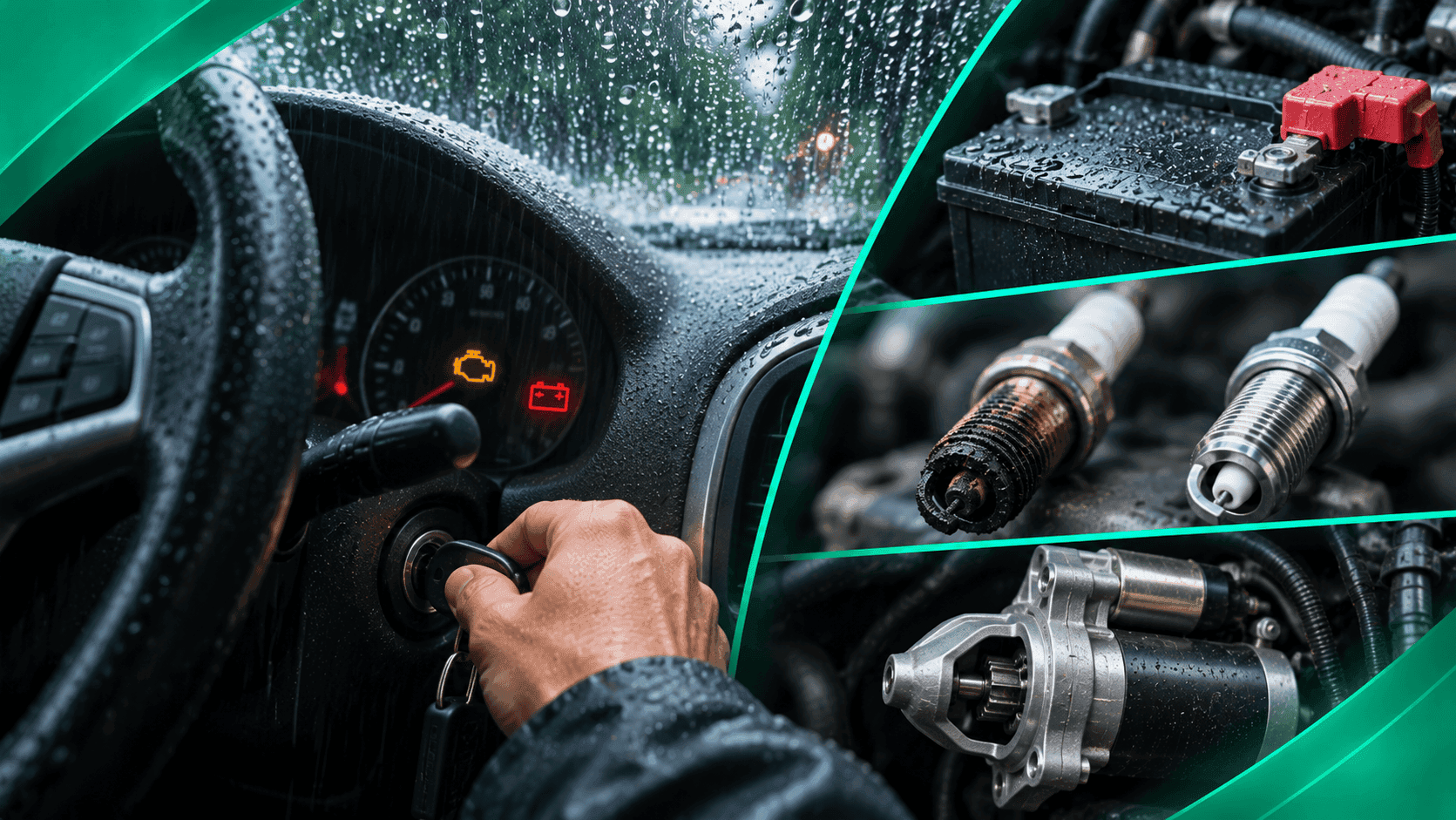
7. Alternator and Electrical System Problems
The alternator and charging system can also influence engine idle behaviour.
When electrical demand increases, the alternator may require additional mechanical power from the engine.
The ECU may compensate for this increased load to maintain the correct idle speed.
Small changes in RPM when switching on headlights, the rear window demister, or other electrical accessories may therefore be normal.
However, an alternator that is not charging correctly, unstable electrical voltage, poor battery connections, or other electrical faults can contribute to abnormal engine behaviour.
If RPM fluctuations occur alongside dimming headlights, battery warnings, or electrical problems, the charging system should be inspected.
8. Faulty Engine Coolant Temperature Sensor
The engine coolant temperature sensor provides the ECU with information about engine temperature.
This information helps the engine management system adjust fuel delivery, idle speed, and other operating parameters during warm-up and normal operation.
If the sensor reports inaccurate temperature information, the ECU may apply an inappropriate operating strategy.
For example, the engine may idle too high or run unevenly because the ECU incorrectly interprets its temperature.
Possible symptoms include difficult starting, unusual fuel consumption, or unstable idle speed.
However, these symptoms can have many causes, so sensor readings should be checked using suitable diagnostic equipment before replacement.
9. Other Possible Causes of Fluctuating RPM
In addition to the problems already discussed, several other faults can contribute to unstable engine idle.
These may include a clogged air filter, problems with the PCV system, a sticking EGR valve in applicable engines, incorrect fuel pressure, or certain engine management faults.
In some vehicles, an idle relearn issue after battery disconnection or throttle body cleaning can also affect idle stability.
Mechanical engine problems, including poor compression or timing-related faults, may produce similar symptoms.
For this reason, it is important to consider the vehicle's complete operating condition rather than assuming that one particular component is always responsible.
How to Troubleshoot Fluctuating Engine RPM
If your vehicle begins experiencing unusual RPM fluctuations, start by observing when the problem occurs.
For example, does the RPM fluctuate only during a cold start, after the engine warms up, when the air conditioning is switched on, or whenever the vehicle is stationary?
These details can help narrow down the possible causes.
Next, inspect accessible components such as the air filter, intake hoses, and electrical connections for visible damage or loose fittings.
If a Check Engine Light is illuminated, an OBD-II diagnostic scan may help identify stored fault codes.
However, a fault code does not always directly identify the component that needs replacement.
For example, a lean mixture code could be caused by a vacuum leak, inaccurate airflow measurement, or a fuel delivery problem.
A technician may need to examine live data, fuel trims, sensor readings, and other operating conditions to determine the actual cause.
If the problem cannot be identified through basic checks, arrange an inspection with a qualified mechanic rather than replacing parts unnecessarily.
When Is Fluctuating RPM a Serious Problem?
Small idle speed adjustments can be normal, especially during engine warm-up or when accessories increase the engine load.
However, severe fluctuations should not be ignored.
If the engine repeatedly stalls, shakes excessively, struggles to accelerate, or displays a flashing Check Engine Light, professional inspection is important.
A flashing Check Engine Light may indicate a severe misfire in some vehicles, which can damage the catalytic converter.
If the engine is at risk of stalling in traffic or the vehicle cannot be driven safely, stop in a safe location and arrange assistance.
MotorGuide's Advice: Don't Ignore Unstable Engine RPM
At MotorGuide, our advice is to pay attention whenever your vehicle's idle RPM begins fluctuating abnormally.
Start by checking basic components such as the air filter, intake hoses, and throttle body condition.
However, remember that dirty throttle bodies and faulty sensors are only some of the possible causes.
Ignition faults, fuel injector problems, vacuum leaks, charging system issues, and other mechanical problems can also affect idle stability.
Rather than replacing components based on guesswork, use proper diagnostic testing to identify the actual fault.
Regular maintenance, timely spark plug replacement, correct fuel system servicing, and prompt attention to warning lights can help maintain smooth engine operation.
By addressing abnormal RPM fluctuations early, you may be able to prevent further problems and keep your vehicle running more reliably.
Stay connected with MotorGuide for more useful information about engine maintenance, vehicle troubleshooting, automotive technologies, and practical driving advice.

எழுதியவர்
Nisaga Sandaru
A versatile and highly experienced professional, currently an Automobile undergraduate at the University of Jaffna, with strong technical expertise grounded in hands-on work as a technician with SriLankan Airlines Ground Support Equipment (GSE). Holding an Automobile NVQ Level 3 qualification, along with specialized certifications in Vehicle ECU Programming and Diagnosis, and extensive experience in arc welding and vehicle body painting, and well equipped to handle complex automotive, diagnostic, and fabrication-related tasks with a high level of competence.