The Mandatory RFID Sticker System for Every Vehicle in 2026

Today at Motor Guide, we will clearly explain the RFID (Radio Frequency Identification) sticker system that has been made mandatory for every vehicle in Sri Lanka starting in the year 2026. This isn't just a simple sticker; there is a massive technical operation running behind it. As a vehicle user, knowing exactly how this works will be a huge help in saving both your time and money. So, pay close attention to these instructions.
What is RFID?
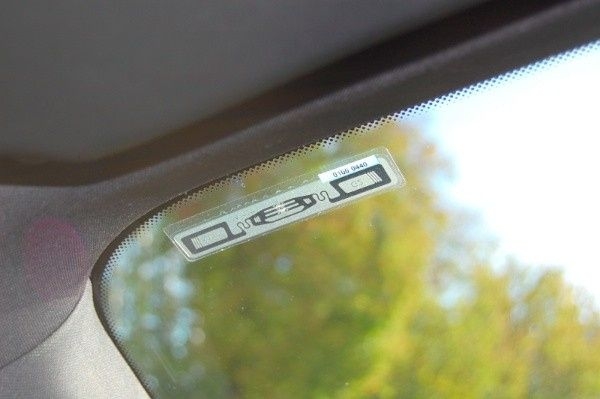
First, let's look at what RFID actually is. It is a technology that uses radio waves to identify an object. The sticker placed on the inside of your vehicle's front windshield contains a tiny microchip and an antenna. As your vehicle travels, readers installed alongside the roads read the data transmitted by that sticker. This is very similar to tapping a bank card on a POS machine, but here, you don't need to stop the vehicle. The data exchange happens instantaneously at driving speed. This system is being made mandatory from 2026 to highly streamline and formalize vehicle management.
The Main Advantage: The Fuel Dispensing Process
Now, let's discuss the primary advantage you will experience. It is the fuel dispensing process. This system is vastly more advanced than the QR system we currently use. When you pull into a fuel station, you no longer have to wait for the attendants to come and scan your QR code. The sensors installed at the station will automatically identify your vehicle's sticker. The system instantly verifies how much fuel your specific vehicle is allocated and when it last pumped fuel. As a result, fuel queues will disappear, and fraudulent fuel purchases will be completely eradicated. Technically, this is a highly secure operational method.
Expressway Toll Payments
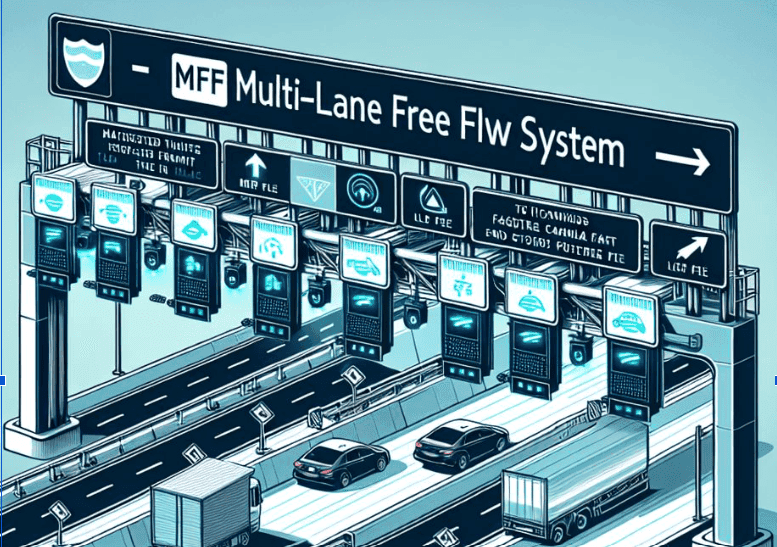
The next important point is paying expressway tolls. Instead of the current "ETC" card system, you can use this exact same RFID sticker. All you have to do is deposit money into your government-registered account or linked bank account. When entering and exiting the expressway, the readers near the toll gates will scan the sticker and automatically deduct the respective amount. You won't need to stop the vehicle to take a ticket or exchange cash. This will massively reduce traffic congestion at the gates and minimize environmental pollution.
Vehicle Documentation and Law Enforcement
The vehicle's entire documentation ecosystem is linked through this sticker. This means the validity periods of the vehicle's revenue license, insurance, and emission certificate can be accessed the moment this sticker is scanned. Even when the police inspect a vehicle on the road, there won't be a need to pull out a pile of physical documents like we do today. Police officers can check the legal status of your vehicle in a matter of seconds using a hand-held reader. This brings a great deal of convenience and relief to law-abiding drivers.
Theft Prevention and Tamper-Proof Technology
Furthermore, this is one of the best solutions against vehicle theft. If a vehicle is stolen, it can be identified almost anywhere it travels. This RFID system is integrated with the CCTV camera networks on the roads, making it much easier to track the vehicle's location. You might think a thief could just peel this sticker off and throw it away. However, these are manufactured using "Tamper-proof" technology. If someone attempts to peel the sticker, the antenna inside breaks, rendering the sticker completely useless. Since driving a vehicle on public roads with a non-functioning sticker will be illegal, this creates a massive hurdle for thieves.
How to Maintain the RFID Sticker
Now I will explain how to maintain this sticker. It is pasted on the inside of the front windshield. When wiping or washing the interior glass, you must be careful not to damage the sticker. Most importantly, if you are applying a tint to the windshield, do not apply it over the sticker. The metallic layers in certain types of tints can interfere with and block the radio waves. Before pasting the sticker initially, the glass must be thoroughly cleaned and wiped completely dry. Once pasted, never try to peel it off and stick it elsewhere, as this will permanently damage the internal circuitry.
Conclusion
Finally, this is a highly progressive step we are taking as a country. Although it might feel slightly inconvenient to adapt to it in the early stages, the long-term benefits are immense. This technology is essential for managing things efficiently, improving fuel economy, and saving your valuable time. Therefore, before the year 2026 dawns, ensure your vehicle undergoes the proper RFID registration and obtain the designated sticker. Embracing technology and moving forward with it is the best way to make life easier.

எழுதியவர்
Nisaga Sandaru
A versatile and highly experienced professional, currently an Automobile undergraduate at the University of Jaffna, with strong technical expertise grounded in hands-on work as a technician with SriLankan Airlines Ground Support Equipment (GSE). Holding an Automobile NVQ Level 3 qualification, along with specialized certifications in Vehicle ECU Programming and Diagnosis, and extensive experience in arc welding and vehicle body painting, and well equipped to handle complex automotive, diagnostic, and fabrication-related tasks with a high level of competence.