What Are Minimum Safety Standards in a Vehicle?

When buying a vehicle, many people only pay attention to its appearance, engine capacity, or fuel economy. However, as a driver, you have a much bigger responsibility. That is having a clear understanding of the Minimum Safety Standards a vehicle should possess. On the road, an accident can happen at any moment. When it does, these safety systems become the decisive factor in saving your life and the lives of your passengers.
Therefore, we at Motor Guide decided to explain this concept to you in simple terms.
Active Safety vs. Passive Safety
First and foremost, we must discuss the two main components of vehicle safety: Active Safety and Passive Safety. These are the primary metrics used worldwide to measure a vehicle's safety level.
Active Safety refers to the technologies that help prevent an accident before it even occurs. A prime example is ABS (Anti-lock Braking System). During sudden braking, this system prevents the wheels from locking up and the vehicle from skidding. Similarly, ESC (Electronic Stability Control) is crucial. When taking a sharp corner or driving on a slippery road, ESC prevents the vehicle from spinning out of control. Today, features like these are considered the absolute minimum requirements a vehicle must have.
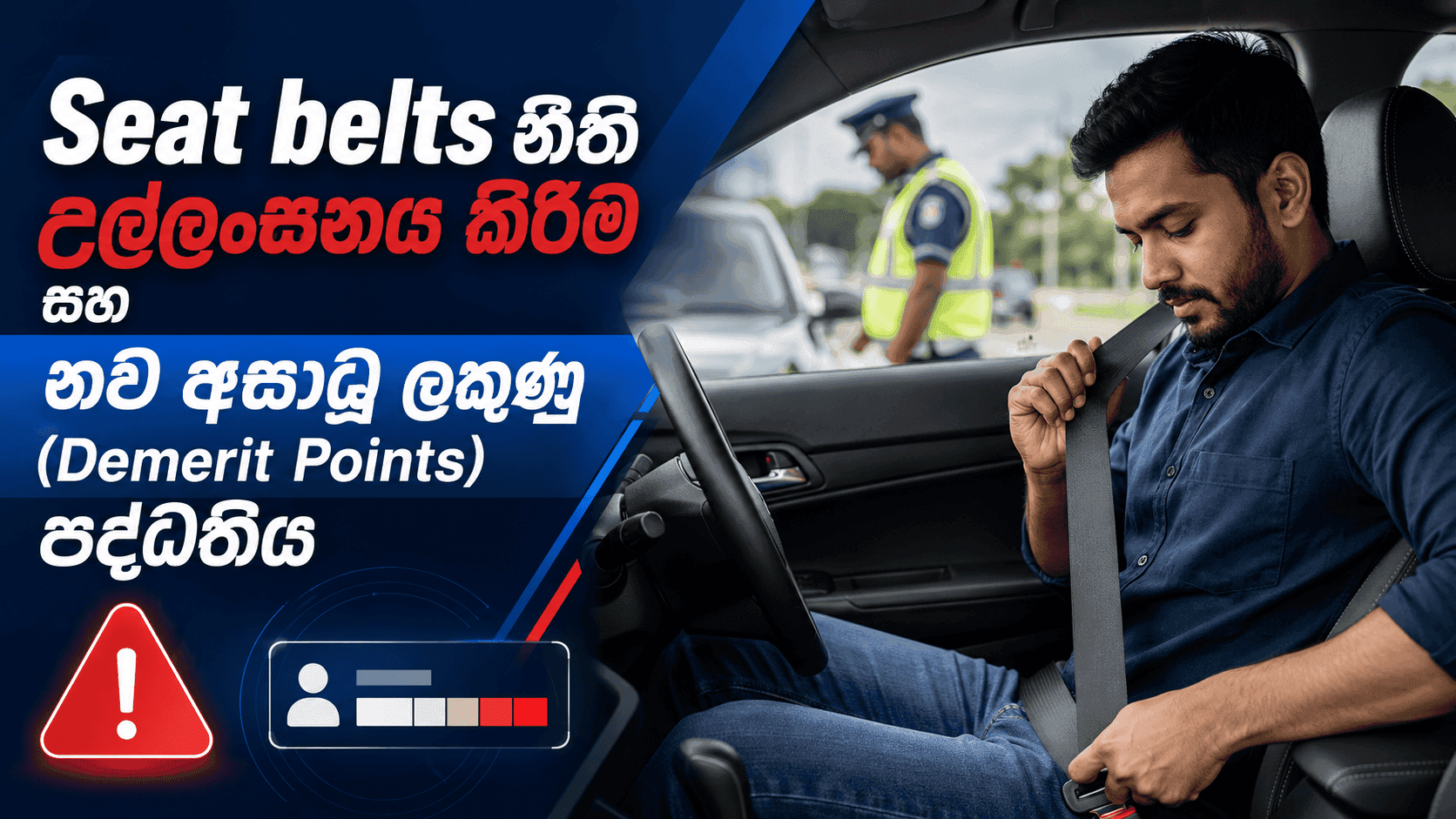
Next, let's look at Passive Safety. This is designed to minimize harm to the occupants after an accident has already happened. The key components here are Airbags and Seat belts. Many people mistakenly believe that having airbags is enough. However, if you are not wearing your seat belt, the explosive speed at which an airbag deploys can cause severe injuries to your neck or face. Therefore, it is mandatory that these two systems work together.
Additionally, the design of the vehicle's chassis is vital. You must pay attention to Crumple Zones—specifically engineered areas that crush upon impact to absorb the crash energy, preventing that deadly shockwave from reaching the passenger cabin.
The Importance of Tires and Braking Systems
A vehicle's tires are another major component when it comes to safety. No matter how expensive or advanced your braking system is, it is completely useless if your tires are in bad shape. The tire 'Tread' (the grooves) must be at the proper depth. This helps maintain road grip and prevents the vehicle from slipping, especially on wet roads. Likewise, maintaining the correct Tire Pressure is extremely important. If the pressure is too low, the vehicle becomes difficult to control; if it is too high, the risk of a tire blowout increases. These are minimum safety measures we must check on a daily basis.
Another highly important element is the vehicle's Braking System. In modern vehicles, having Disc Brakes on all four wheels is highly recommended. Furthermore, technologies like EBD (Electronic Brakeforce Distribution) accurately distribute the required braking power to each individual wheel based on the vehicle's weight distribution. When inspecting a vehicle, you can verify if these systems are working properly by looking at the colored warning lights on the Dashboard. When you start the vehicle, these lights should illuminate briefly and then turn off. If they remain on, it indicates a fault in the system.
NCAP Ratings and Final Thoughts
Finally, it must be said that a vehicle's safety is determined far more by its internal technology than its outward appearance. There are internationally recognized organizations, such as NCAP, that conduct rigorous crash tests on vehicles and award them a Star Rating. When choosing a vehicle, always try to select one with at least a 4-star or 5-star safety rating.
Why is this so important? Because no matter how skilled and careful of a driver you are, you can still become the victim of an accident due to someone else's mistake on the road. In such terrifying moments, only these built-in safety standards will save you. Therefore, as a responsible driver, you must constantly pay attention to these safety systems when maintaining your vehicle. Never forget to get your vehicle serviced on time and have these systems thoroughly inspected. Keep these points clearly in mind to ensure a safe and healthy journey for everyone.

எழுதியவர்
Nisaga Sandaru
A versatile and highly experienced professional, currently an Automobile undergraduate at the University of Jaffna, with strong technical expertise grounded in hands-on work as a technician with SriLankan Airlines Ground Support Equipment (GSE). Holding an Automobile NVQ Level 3 qualification, along with specialized certifications in Vehicle ECU Programming and Diagnosis, and extensive experience in arc welding and vehicle body painting, and well equipped to handle complex automotive, diagnostic, and fabrication-related tasks with a high level of competence.