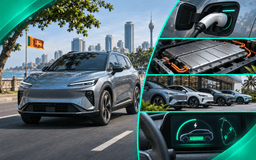
Are Chinese Electric Vehicles Worth Buying in Sri Lanka?

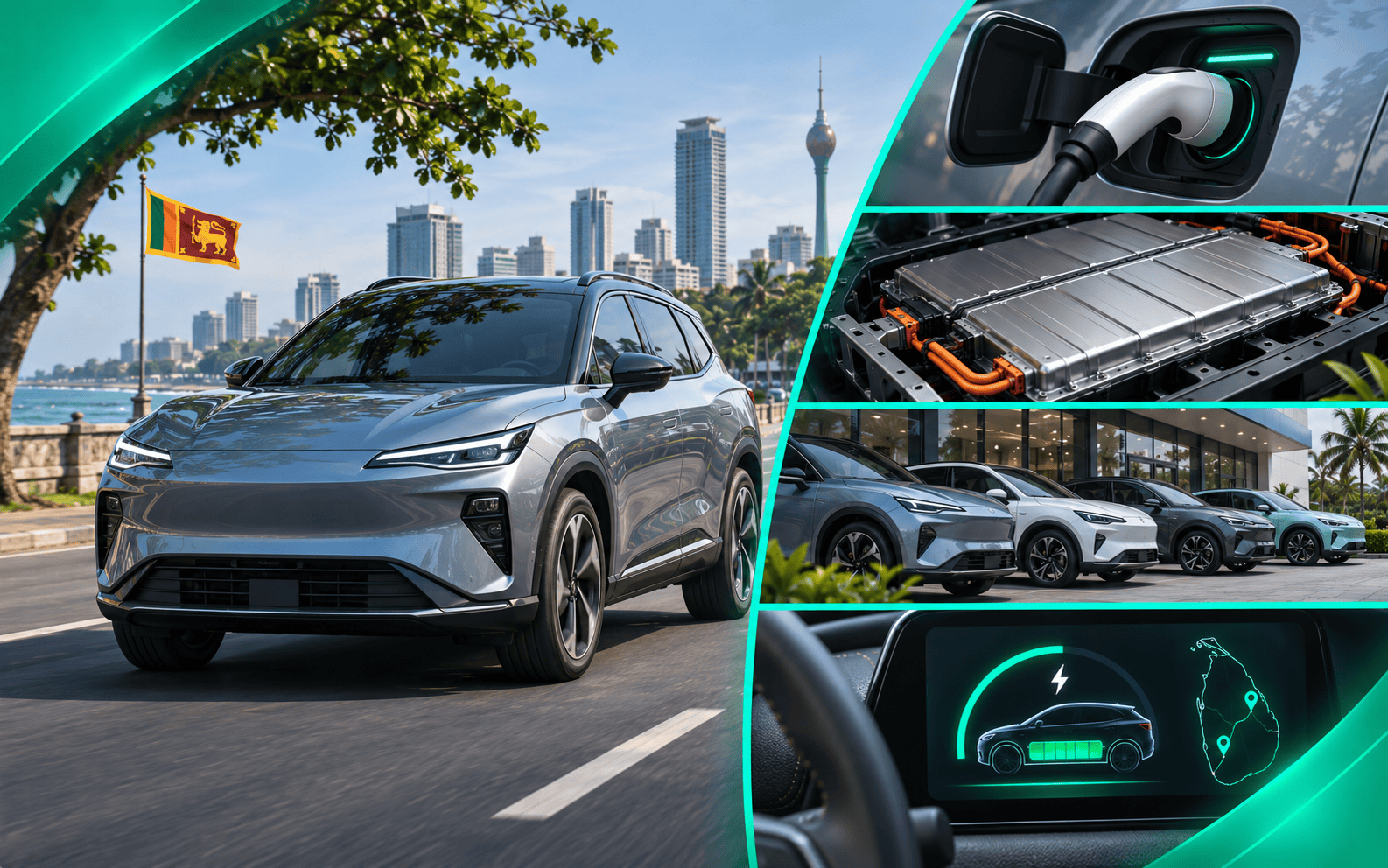
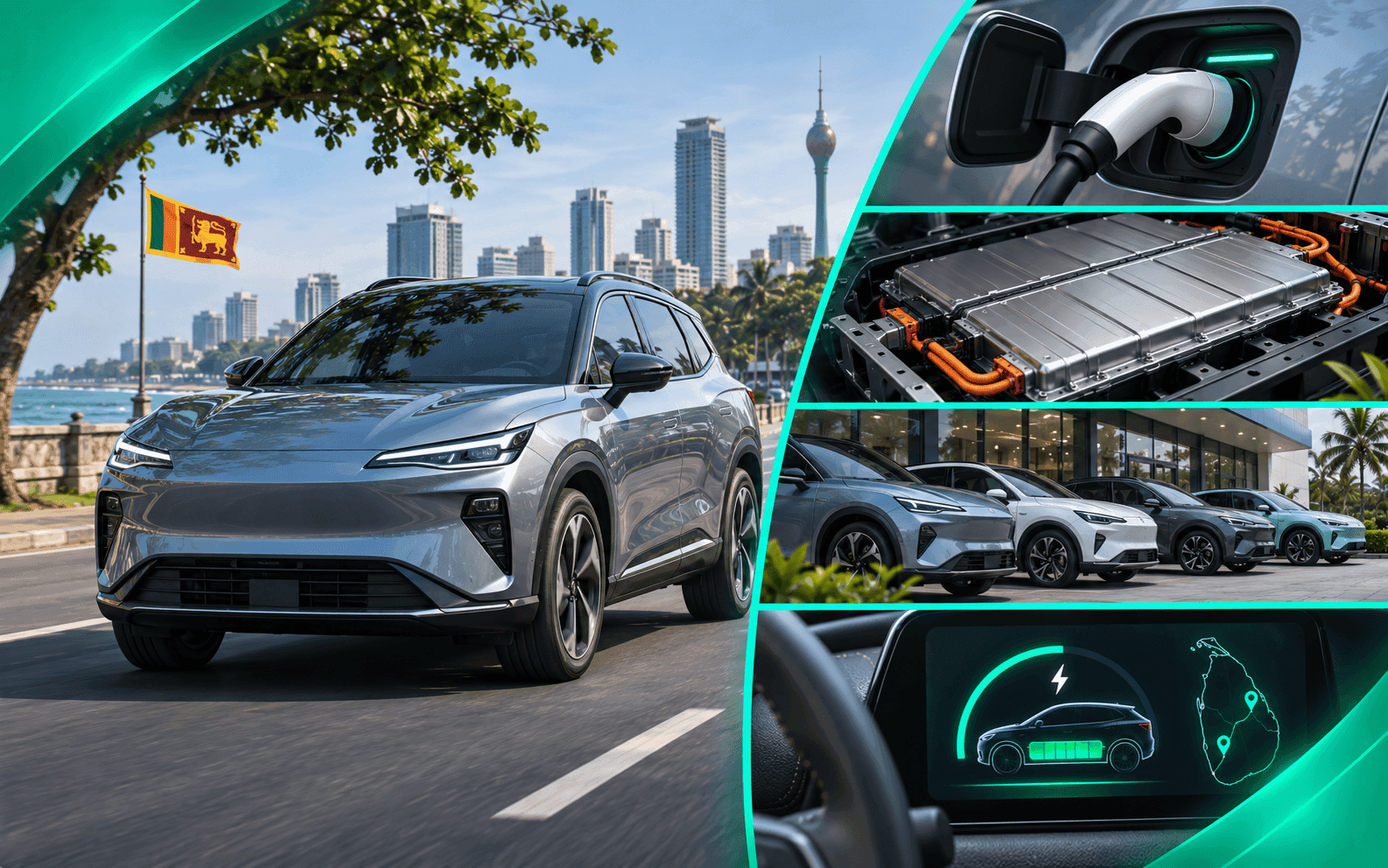
Today at MotorGuide, we're going to discuss one of the most talked-about topics in Sri Lanka's automotive market: Chinese electric vehicles. With more electric cars entering the country, many Sri Lankan buyers are wondering whether these vehicles are reliable, whether they can handle local road and weather conditions, and how long their batteries will last.
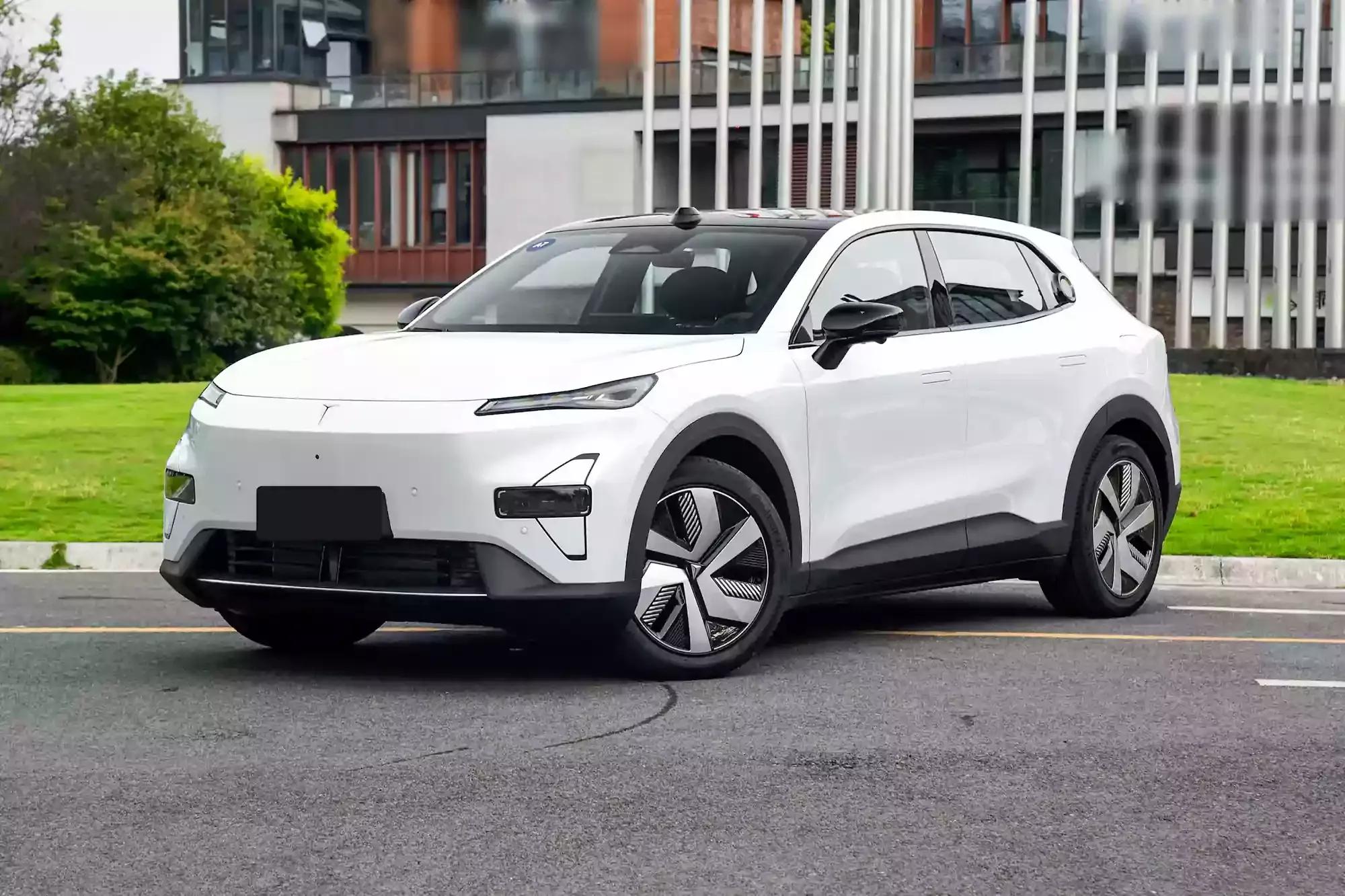
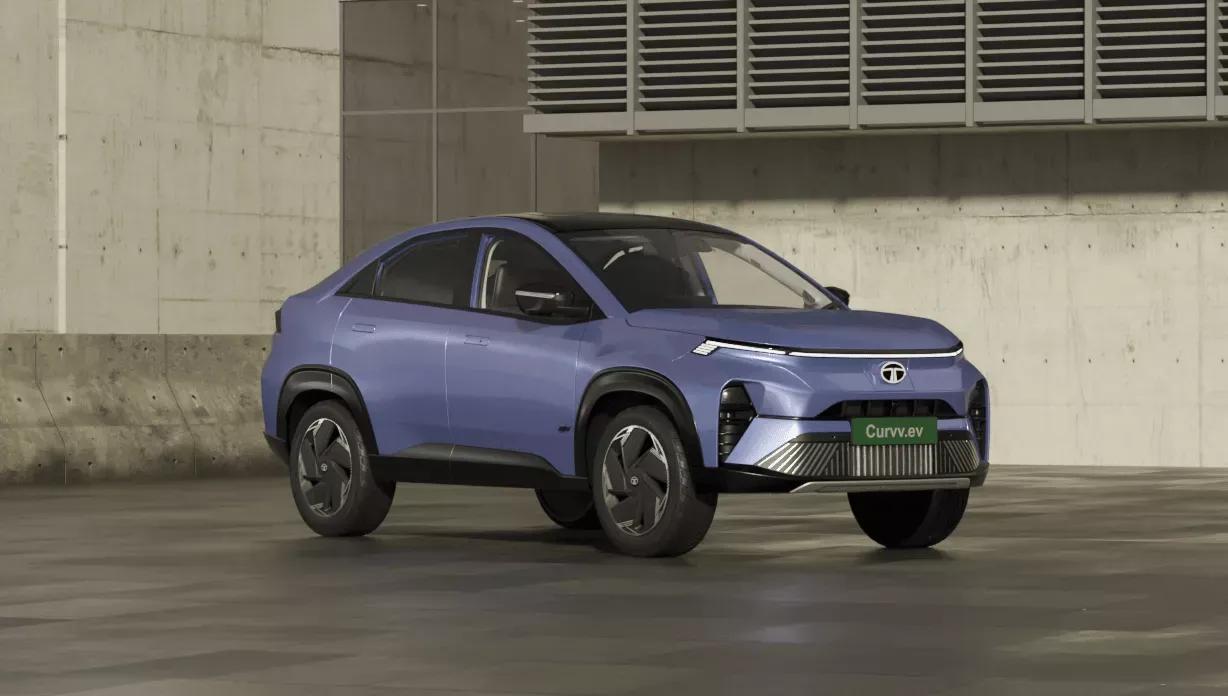
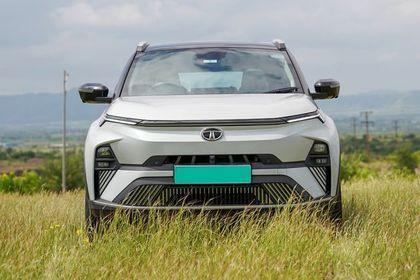
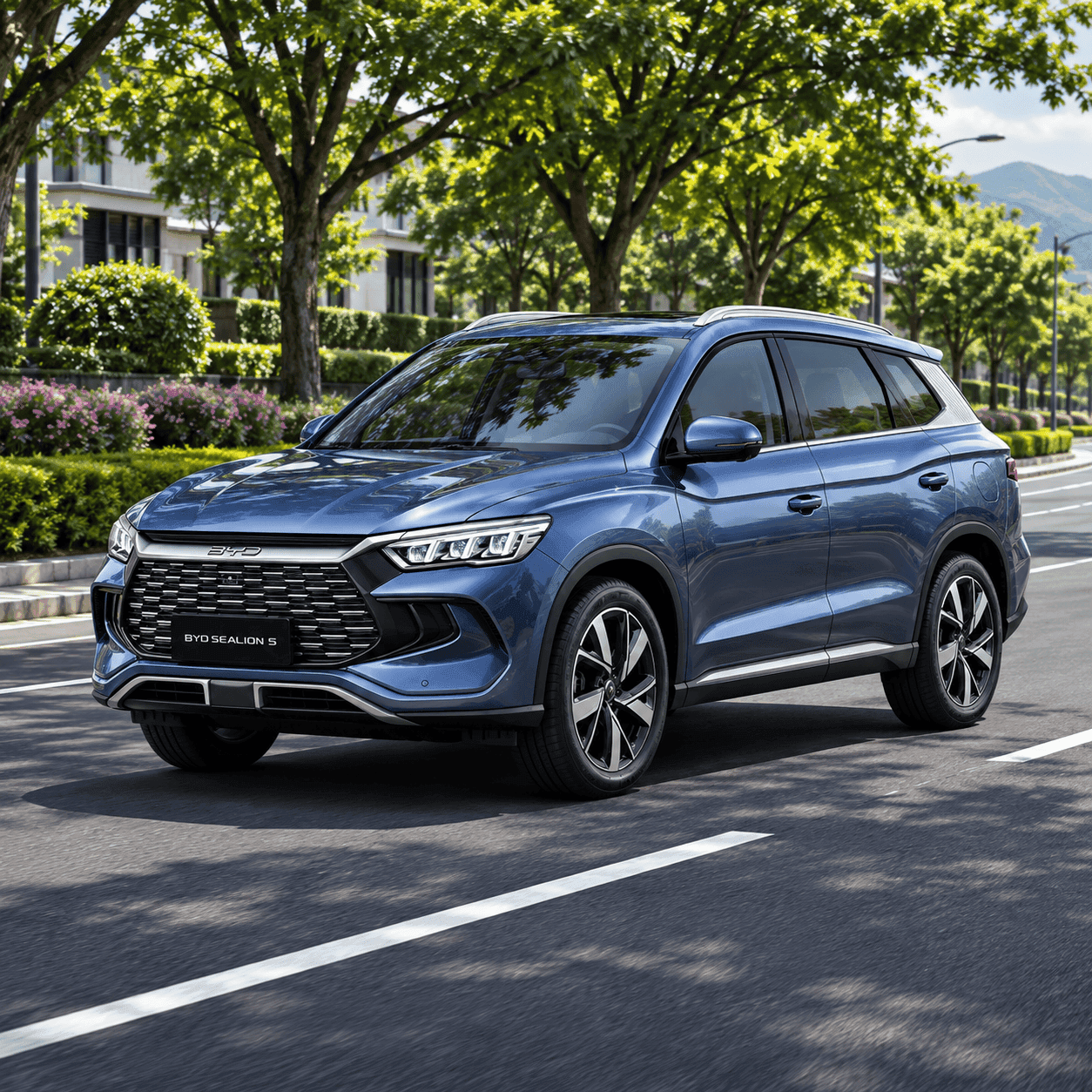
Following the reopening of vehicle imports, Chinese automotive brands such as BYD, MG, Deepal, Dongfeng, Chery and Wuling have attracted growing attention among Sri Lankan motorists.
For drivers considering a move away from petrol or diesel vehicles, electric cars offer the possibility of lower running costs, quieter operation and a different driving experience.
However, purchasing an electric vehicle involves more than comparing prices and advertised driving ranges. Battery technology, charging compatibility, ground clearance, after-sales support and long-term maintenance are equally important.
So, are Chinese electric vehicles actually worth buying in Sri Lanka? Let's examine the advantages, possible limitations and important factors to consider before making a decision.
1. How Good Are Modern Chinese Electric Vehicles?
China has become a major centre for electric vehicle manufacturing, battery development and automotive technology.
Modern Chinese EVs are available across several market segments, ranging from affordable urban cars to premium SUVs and performance-oriented electric vehicles.
Many models feature advanced battery management systems, digital displays, driver assistance technologies, regenerative braking and sophisticated thermal management.
However, it would be inaccurate to assume that every Chinese EV offers the same quality, reliability or safety performance simply because it comes from China.
Vehicle quality varies between manufacturers and individual models. Factors such as engineering standards, crash-test performance, battery protection, manufacturing quality and software support should be evaluated separately.
One particularly important area of Chinese EV development is battery technology.
2. Why Is LFP Battery Technology Important?
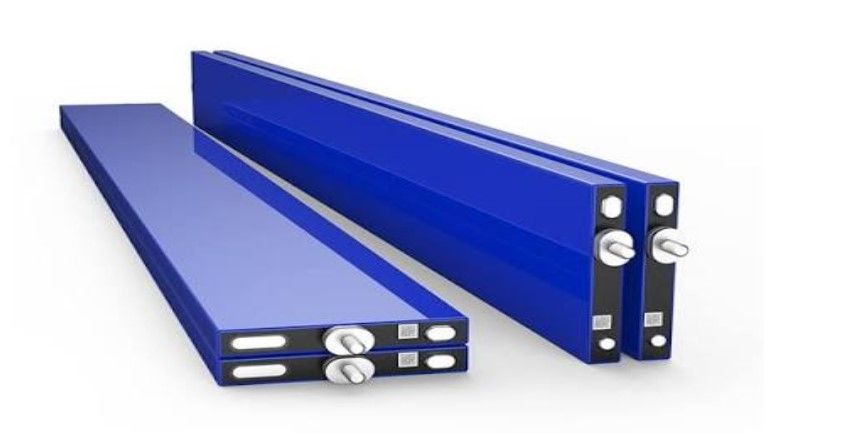
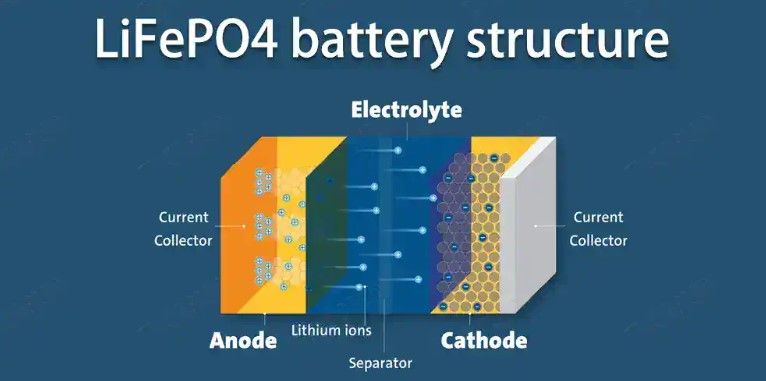
Many Chinese electric vehicles use Lithium Iron Phosphate batteries, commonly known as LFP batteries.
BYD's Blade Battery is one example of an LFP-based battery design used in several of the company's electric vehicles.
LFP chemistry offers several potential advantages, including good thermal stability, relatively long cycle life and reduced reliance on nickel and cobalt compared with some other lithium-ion battery chemistries.
These characteristics make LFP batteries attractive for many electric vehicle applications.
However, no lithium-ion battery is completely free from safety risks, and battery safety depends on more than chemistry alone.
Cell construction, battery pack design, cooling systems, protective structures, software controls and manufacturing quality all influence safety and reliability.
Other EVs use nickel-rich lithium-ion chemistries that may offer advantages such as higher energy density.
Therefore, LFP is a strong option worth considering, but it should not automatically be described as the only suitable or safest battery type for every buyer.
3. Can Chinese EVs Handle Sri Lanka's Hot Climate?
One of the biggest concerns among prospective electric vehicle owners is how the battery will perform in Sri Lanka's tropical climate.
High ambient temperatures can affect battery performance, charging behaviour and long-term battery ageing.
Modern electric vehicles use battery management systems to monitor important operating conditions, including temperature, voltage and state of charge.
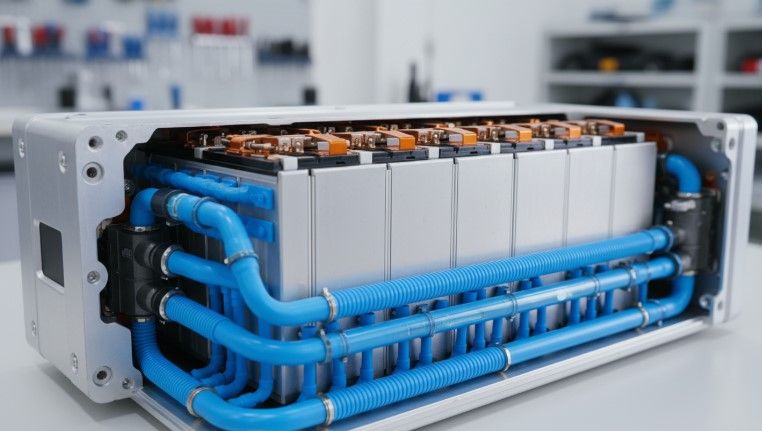
Many models also use liquid-cooled battery thermal management systems to help maintain suitable operating temperatures.
When properly designed, these systems can help the battery operate more consistently in warm weather.
However, not every Chinese EV has the same cooling system. Some vehicles use different thermal management arrangements depending on their price, battery design and intended market.
Even with advanced cooling, prolonged exposure to high temperatures can contribute to battery degradation over time.
For Sri Lankan buyers, the important consideration is whether the particular model has a suitable battery management system and a proven thermal management design.
Parking in shaded locations when practical, following manufacturer charging recommendations and keeping the cooling system properly maintained can also support long-term battery health.
4. Are Electric Vehicles Cheaper to Maintain?
One of the potential advantages of a battery electric vehicle is reduced routine powertrain maintenance compared with a conventional petrol or diesel vehicle.
A fully electric vehicle does not require conventional engine oil changes, spark plug replacement or timing belt maintenance for a combustion engine.
Electric motors also generally have fewer moving components than internal combustion engines.
Regenerative braking can reduce the use of conventional friction brakes under suitable driving conditions.
However, this does not mean electric vehicles are maintenance-free.
EV owners still need to maintain tyres, suspension components, brake pads and discs, cabin filters, cooling systems, air conditioning, electrical components and other vehicle systems.
Some electric drivetrains also require specific fluids or inspections according to the manufacturer's maintenance schedule.
Because electric vehicles can be relatively heavy and deliver strong torque, tyre condition and alignment deserve particular attention.
Overall maintenance costs may be lower in certain circumstances, but the actual savings depend on the vehicle, service pricing, driving habits and any repairs required over time.
5. How Long Can a Chinese EV Battery Last?
Battery lifespan is one of the most important considerations when purchasing an electric vehicle.
Modern lithium-ion batteries are designed to operate through many charging and discharging cycles.
LFP cells can offer long cycle life under suitable laboratory and operating conditions, with some specifications referring to several thousand cycles before reaching a defined remaining capacity.
However, a charging cycle does not simply mean plugging the vehicle into a charger once.
One equivalent full cycle generally represents a cumulative discharge and recharge equivalent to the battery's full capacity.
For example, two charging sessions that each replace approximately 50% of the battery's usable capacity may together represent roughly one equivalent full cycle.
Battery lifespan is also influenced by calendar ageing, temperature, charging behaviour, depth of discharge and battery management.
As a result, it is not possible to guarantee that every LFP battery will deliver 3,000 to 5,000 cycles, last 15 years or travel 300,000 kilometres without significant deterioration.
Some batteries may remain serviceable for many years, while others may lose capacity more quickly depending on their operating conditions.
The important point is that gradual battery degradation is normal. A reduction in battery capacity does not automatically mean that the battery has completely failed.
6. What Do Battery Durability Standards and Warranties Mean?
Battery durability standards and manufacturer warranties can provide useful information about expected long-term performance.
China has introduced technical standards addressing electric vehicle battery durability and safety.
One recommended battery durability standard includes performance benchmarks linked to vehicle age and distance travelled, including an eight-year or 160,000-kilometre reference with a specified remaining energy capability.
However, this should not be interpreted as a guarantee that every Chinese electric vehicle sold in Sri Lanka will retain exactly the same battery capacity after eight years.
The applicable standard, vehicle model, test conditions and manufacturer warranty must be considered separately.
Some manufacturers provide battery warranties lasting approximately eight years or covering a specified mileage, but the terms can vary considerably.
Before purchasing an EV, check the warranty duration, mileage limit, minimum guaranteed battery capacity, exclusions and whether the coverage is valid in Sri Lanka.
Also confirm whether the warranty covers the complete battery pack, individual components or only specific types of failure.
7. Are Chinese EVs Suitable for Sri Lankan Roads?
Sri Lankan roads present a variety of driving conditions, including congested urban streets, steep hills, uneven road surfaces and areas that experience seasonal flooding.
For this reason, ground clearance and underbody protection are important factors when choosing an electric vehicle.
The traction battery in many electric cars is mounted beneath the passenger compartment.
Although manufacturers provide protective structures around battery packs, damage caused by severe impacts can be expensive to repair.
Buyers should therefore check the vehicle's ground clearance, suspension design, approach and departure angles, and suitability for the routes they regularly use.
A ground clearance of around 160 mm or more may be helpful for some local conditions, but there is no universal minimum that makes every electric car suitable for every Sri Lankan road.
Drivers who frequently travel on rough rural roads may require more clearance than those using well-maintained urban roads.
8. Can Electric Vehicles Drive Through Floodwater?
Many modern electric vehicles incorporate sealed high-voltage components and battery enclosures designed to resist water and dust intrusion.
Manufacturers may specify ingress protection ratings such as IP67 or IP68 for particular battery components.
However, an IP rating for a component does not mean the entire vehicle is waterproof or suitable for driving through floodwater.
Ingress protection ratings apply under particular test conditions, which may not reflect moving floodwater, prolonged immersion, debris impact or water contamination.
Driving through deep water can damage an EV's battery enclosure, electrical connections, suspension and other components.
Floodwater may also conceal potholes, damaged roads or strong currents.
Therefore, EV owners should avoid driving through flooded roads beyond the manufacturer's specified limits.
If an electric vehicle has been submerged or seriously affected by flooding, do not attempt to charge or operate it until it has been assessed by qualified personnel.
9. Real-World Driving Range vs Advertised Range
Another important consideration when buying an electric vehicle is the difference between advertised driving range and actual road performance.
Manufacturers commonly publish range figures measured under standardised testing procedures.
Chinese-market models may use the CLTC testing cycle, while vehicles intended for other markets may display WLTP or other certified figures.
These results are useful for comparison, but they do not represent a guaranteed distance for every journey.
Real-world range depends on several factors, including driving speed, traffic conditions, road elevation, air conditioning use, vehicle load, tyre pressure and ambient temperature.
For example, sustained highway driving may consume more energy than slower urban driving, while regenerative braking may improve efficiency during certain stop-and-go journeys.
The difference between a CLTC figure and actual driving range is not always a fixed 15% to 20%.
Depending on the vehicle and conditions, the variation may be smaller or significantly larger.
Before purchasing an EV, estimate your regular daily driving distance and compare it with credible real-world range information for the exact model.
It is also useful to retain a practical charging reserve rather than planning every journey around the vehicle's maximum advertised range.
10. Charging Infrastructure in Sri Lanka
Charging availability is another major consideration for EV buyers in Sri Lanka.
Although public charging networks are developing, charging facilities are not equally distributed across every city and rural area.
Drivers planning long-distance journeys should identify suitable charging stations before travelling.
It is also important to check whether a charging location supports the vehicle's connector type and the required charging power.
Some public charging providers offer different combinations of AC charging, DC fast charging and multiple connector standards.
However, a station being listed online does not guarantee that a compatible connector is available or that a charger will be operational when you arrive.
For regular electric vehicle use, convenient access to reliable home, workplace or public charging can make a substantial difference to the ownership experience.
11. CCS2 vs GB/T: Which Charging Port Should You Choose?
Chinese electric vehicles may be equipped with different charging connectors depending on the market for which they were manufactured.
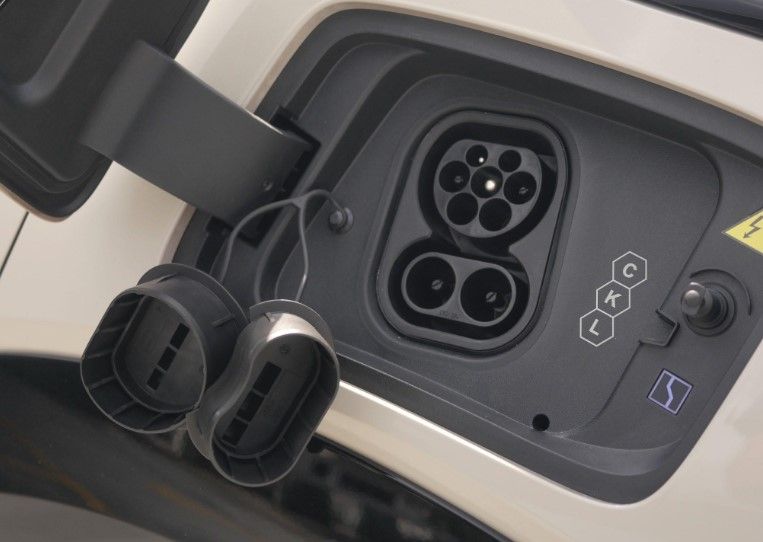
Many export-market EVs use CCS2 for DC fast charging, while some vehicles manufactured for China's domestic market use GB/T connectors.
CCS2 is supported by several public charging providers in Sri Lanka, making it an important option for buyers to consider.
However, some Sri Lankan charging networks also advertise GB/T charging facilities, so GB/T-equipped vehicles are not automatically incompatible with every local charger.
The important step is to confirm the exact charging connector and communication standard fitted to the vehicle.
Do not assume that a simple physical adapter will make every charger compatible with every car.
DC charging compatibility may require appropriate communication support, certified equipment and manufacturer approval.
Before purchasing an imported EV, check the charging port, supported AC and DC charging specifications, and availability of compatible charging stations along your regular routes.
12. Why Is After-Sales Support Important?
Modern electric vehicles rely on closely integrated electrical, electronic and software systems.
The battery management system, motor controller, charging equipment and other modules must communicate correctly for reliable operation.
When a problem occurs, specialised diagnostic equipment and model-specific technical knowledge may be required.
For this reason, after-sales support should be an important part of the purchasing decision.
Before buying, find out whether the seller can provide warranty repairs, software updates, battery health checks and suitable replacement parts.
Also check the availability of body panels, lighting assemblies, windscreens and other accident repair components.
Some independent workshops are capable of servicing EVs, but high-voltage repairs require appropriate training, equipment and safety procedures.
A vehicle with an attractive purchase price may become less convenient to own if essential spare parts or technical support are difficult to obtain.
13. Should You Buy an EV Through an Authorised Agent or the Grey Market?
Some buyers consider personally imported vehicles because the initial selling price may be lower.
However, vehicles imported outside official distribution channels can present additional ownership considerations.
These may include differences in charging specifications, infotainment language settings, navigation services, software updates and manufacturer warranty coverage.
A vehicle originally intended for another market may not receive the same level of local support as an officially distributed model.
Buying from an authorised local distributor can offer advantages when that distributor provides a clear warranty, service facilities, genuine replacement components and technical support.
However, the authorised-agent label alone is not enough. Buyers should review the actual written warranty terms and verify the services available locally.
Similarly, not every independently imported EV is necessarily unsuitable. Its condition, specifications, support arrangements and documentation should be assessed carefully.
14. How to Charge Your Electric Vehicle at Home
For many EV owners, home charging is one of the most convenient advantages of electric vehicle ownership.
Instead of visiting a fuel station, the vehicle can be connected to suitable charging equipment while parked at home.
However, installing a home charger requires proper electrical planning.
The charging equipment must be compatible with the vehicle and suitable for the household's electrical supply.
A 7 kW AC wall charger is a common option for certain single-phase charging installations, but it is not a universal requirement for every EV.
The actual charging power depends on the vehicle's onboard charger, the charging equipment and the available electrical supply.
A qualified electrician should assess circuit capacity, cable sizing, earthing, protective devices and any applicable installation requirements.
Using unsuitable extension cables, damaged sockets or improperly installed equipment can create electrical and fire hazards.
Always follow the vehicle and charging equipment manufacturers' instructions.
15. Is Charging Between 20% and 80% Always Best?
Many EV owners have heard that keeping the battery between approximately 20% and 80% can help reduce long-term battery stress.
For some lithium-ion battery designs and daily driving patterns, avoiding prolonged storage at very high states of charge can be beneficial.
However, charging recommendations vary according to battery chemistry and manufacturer.
Some LFP-equipped vehicles recommend periodic charging to 100% to support battery monitoring and state-of-charge calibration.
Therefore, the 20% to 80% guideline should not be treated as a strict rule for every Chinese electric vehicle.
Similarly, DC fast charging is useful during long journeys, but charging behaviour and battery temperature management can influence long-term battery ageing.
AC charging at home may be more convenient for routine use, while DC fast charging can be valuable when travelling.
The best approach is to follow the specific charging instructions supplied by the vehicle manufacturer.
16. Can Solar Power Reduce EV Running Costs?
Home solar power can potentially reduce the cost of charging an electric vehicle.
If a household generates solar electricity and uses part of that energy to charge its EV, the amount of electricity purchased from the grid may decrease.
However, the financial benefit depends on solar generation, household electricity consumption, the applicable tariff structure and when the vehicle is charged.
Charging a vehicle at night may still require grid electricity unless suitable energy storage or another arrangement is available.
Solar installations also involve initial equipment and maintenance costs.
Therefore, solar charging can offer useful long-term savings, but it does not automatically make all vehicle charging completely free.
17. What Should You Check Before Buying a Chinese EV?
Before purchasing a Chinese electric vehicle in Sri Lanka, consider the following points.
- Battery chemistry and thermal management: Check the battery type, cooling system and manufacturer specifications.
- Real-world driving range: Compare the advertised range with credible information about actual driving conditions.
- Ground clearance: Make sure the vehicle is suitable for your regular routes and road conditions.
- Battery and water protection: Review the manufacturer's protection ratings and floodwater restrictions.
- Charging compatibility: Confirm the AC and DC connector types and suitable local charging stations.
- Battery warranty: Check duration, distance limits, capacity retention terms and local validity.
- After-sales service: Confirm access to trained technicians, software updates and diagnostic support.
- Spare parts: Check the availability of body panels, electronic components and replacement battery-related parts.
- Home charging: Assess the electrical installation requirements and equipment costs.
- Long-term ownership costs: Consider electricity, insurance, maintenance, tyres, repairs and future resale value.
MotorGuide's Advice: Are Chinese EVs Worth Buying?
At MotorGuide, our advice is to evaluate Chinese electric vehicles based on their individual engineering, specifications, warranty support and suitability for Sri Lankan driving conditions rather than relying only on their country of manufacture.
Modern Chinese EVs can offer advanced battery technology, strong electric motor performance, attractive equipment levels and potentially lower routine running costs.
However, prospective buyers should also consider public charging availability, battery durability, underbody protection, spare parts supply, software support and the quality of local after-sales service.
If you regularly travel long distances or drive on poorly maintained roads, check whether the vehicle's ground clearance, real-world range and charging options match your requirements.
Before purchasing, verify the battery warranty and make sure the vehicle can be charged safely and conveniently in Sri Lanka.
Also remember that no electric vehicle is guaranteed to remain trouble-free for a particular number of years. Battery degradation, maintenance costs and long-term reliability vary between models and owners.
With careful research and the right ownership arrangements, a suitable Chinese electric vehicle can be a practical alternative to a petrol or diesel car.
Stay connected with MotorGuide for more useful information about electric vehicles, battery technologies, charging infrastructure, vehicle maintenance and the latest developments in Sri Lanka's automotive market.

எழுதியவர்
Nisaga Sandaru
A versatile and highly experienced professional, currently an Automobile undergraduate at the University of Jaffna, with strong technical expertise grounded in hands-on work as a technician with SriLankan Airlines Ground Support Equipment (GSE). Holding an Automobile NVQ Level 3 qualification, along with specialized certifications in Vehicle ECU Programming and Diagnosis, and extensive experience in arc welding and vehicle body painting, and well equipped to handle complex automotive, diagnostic, and fabrication-related tasks with a high level of competence.