Brake Maintenance Essentials


As the risk of skidding increases during the rainy season, it becomes more important than ever to ensure your brakes are properly maintained. Poor brakes not only reduce your vehicle’s performance and durability but can also increase the chances of accidents and injuries.
Your vehicle’s brake system may seem complex, but maintaining it is quite simple. As a rule of thumb, you should check your brake pads every 12,000 miles and replace your brake fluid every 25,000 miles. Here at MotorGuide, we’ll walk you through the essential steps for proper brake maintenance.
Check Your Brake Pads and Rotors
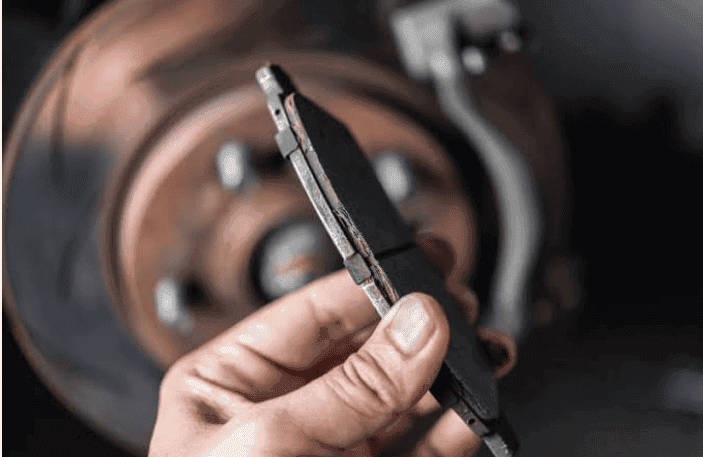
The brake pads and rotors are the connection point between your brake system and the tires. These components wear out quickly due to constant friction. The heat generated when braking reduces the durability of brake pads, so it’s crucial to check their thickness and quality regularly.
If you notice that it takes longer to stop your vehicle, or if braking feels less effective, it’s time to inspect the pads and rotors and replace them if necessary.
Flush the Brake Fluid
Brake fluid plays a vital role in transferring pressure from the brake pedal to the pads and rotors. Without proper brake fluid, the system won’t work effectively. Over time, fluid absorbs moisture and loses efficiency, reducing stopping power.
To avoid this, check and replace your brake fluid every 25,000 miles. Fresh fluid ensures smooth and responsive braking.
Bleed the Brake Lines
In addition to flushing, you should also bleed your brake lines to remove any trapped air. Even small amounts of air in the brake system reduce effectiveness and cause spongy brakes.
It’s recommended to bleed the brake lines every 2–3 years to keep the braking system in top condition.
Replace or Upgrade Brake Parts
Sometimes, certain parts of your brake system may require replacement, while others could benefit from an upgrade. Installing high-quality brake pads or performance rotors can extend the lifespan of your system and improve overall safety.
Brake System Care Tips
The most effective way to ensure long-lasting brake performance is to take good care of the system. Here are a few tips:
- Avoid carrying excessive loads
- Reduce unnecessary or harsh braking
- Drive carefully in wet conditions
By following these practices, you’ll minimize wear and tear, helping your brakes perform better for longer.
Final Word
Brake maintenance is not just about extending the life of your vehicle—it’s about driving safely. Regular inspections, timely replacements, and proper care ensure that your braking system stays reliable in all conditions.
FAQs About Brake Maintenance
How often should I check my brake pads?
You should check your brake pads every 12,000 miles. However, if you notice squeaking noises or reduced braking performance, inspect them sooner.
What are the signs of bad brake fluid?
Spongy brakes, longer stopping distances, or a soft brake pedal often indicate that your brake fluid is old or contaminated.
Is upgrading brake parts worth it?
Yes. Upgrading to performance brake pads or rotors can provide better stopping power and durability, especially if you drive in challenging conditions.

எழுதியவர்
Nipuna Marasinghe