Symptoms That Appear When the Vehicle's Gearbox Is Failing

The gearbox is one of the most important parts of any vehicle. If there is a problem with it, you need to recognize the symptoms early. Knowing what causes gearbox issues and the warning signs can help you protect your vehicle from costly repairs. Today, MotorGuide explains the symptoms that appear when a vehicle’s gearbox is failing and how you can take care of it.
How to Know If the Gearbox Is Failing?
1. Unwanted Noises
If you hear grinding, whining, or clunking noises when shifting gears, it may indicate gearbox trouble. Sometimes, the gear may jump out while driving or get stuck when changing. If this happens, consult a technician immediately. It could also be related to clutch issues, which should be checked together with the gearbox.
2. Gear Slipping in Automatic Vehicles
When you put an automatic transmission in D (Drive), the vehicle should move smoothly. If the engine revs increase but the vehicle speed doesn’t, you are experiencing gear slip. Common causes include:
- Low transmission fluid
- Low internal oil pressure
- Faulty pressure regulator or control unit
3. Clutch Problems
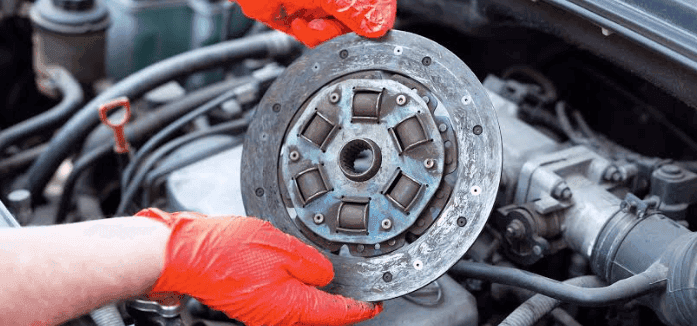
The clutch connects and disconnects the engine from the gearbox. A faulty clutch can lead to poor gear shifting and eventual gearbox damage. Pay attention to burning smells, difficulty pressing the clutch, or vibrations.
How to Take Care of the Gearbox
1. Maintain Proper Gear Oil
Gear oil is essential for smooth transmission operation. Like engine oil, it lubricates moving parts, reduces friction, and prevents overheating. Each vehicle requires a specific type of gear oil, so always follow the manufacturer’s recommendations. Insufficient lubrication can cause corrosion, scouring, or even broken gear teeth.
2. Check Transmission Fluid Levels
For automatic vehicles, transmission fluid is critical. Low fluid levels can cause slipping, overheating, or complete gearbox failure. Always check fluid levels regularly and top up as required.
3. Apply the Hand Brake Correctly
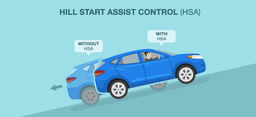
When parking an automatic car, many drivers simply put the gear in P (Park). However, this puts extra pressure on the gearbox. Instead, apply the hand brake first, then shift to Park. This reduces strain on the gearbox, especially when parking on slopes.
4. Avoid Resting Your Hand on the Gear Lever
Some drivers rest one hand on the gear lever while driving. This habit adds unnecessary pressure to the gearbox components and can cause premature wear. Always keep both hands on the steering wheel for safety and to protect your gearbox.
How an Automatic Gearbox Works
The automatic gearbox is located between the engine and the drive shaft. It mainly consists of:
- Torque Converter – Transmits engine power to the gearbox without direct connection.
- Planetary Gear Unit – Provides gear ratios and controls speed changes.
- Hydraulic Control Unit – Manages gear shifts using hydraulic pressure.
Inside the torque converter, two blades rotate inside a sealed casing filled with gear oil. One blade connects to the crankshaft and the other to the gearbox. The oil transfers power between them smoothly, allowing gear changes without damaging the system.
From unusual noises to slipping gears, clutch issues, and poor lubrication, these are the main symptoms of a sick gearbox. By maintaining proper transmission fluid, using the hand brake correctly, and avoiding bad driving habits, you can extend the life of your gearbox and prevent costly repairs. Always remember what we shared today in MotorGuide to keep your gearbox healthy.

எழுதியவர்
Nipuna Marasinghe