Signs That the Vehicle's Gearbox Is Failing

One of the biggest reliefs for any driver is knowing that their vehicle is in good condition. But when a fault develops—especially in a car used for daily work—it can cause serious inconvenience. Among all parts, the gearbox is one that can fail quickly if not maintained properly. Since it plays a vital role in transferring the engine’s power to the wheels, any fault in the gearbox directly affects vehicle performance.
Today, MotorGuide explains the most common signs of gearbox failure and how to prevent long-term damage.
Strange Sounds
If you hear unusual noises—such as grinding, whining, or clunking—when shifting gears, it’s a clear warning sign of gearbox trouble. In some cases, gears may:
- Jump out of place while driving
- Get stuck when shifting
- Produce rattling sounds when under load
These problems may also be related to a faulty clutch, since the clutch controls the connection between the engine and gearbox. In either case, immediate inspection by a mechanic is essential.
Other Symptoms of a Failing Gearbox
- Sluggish or delayed response when shifting gears
- Transmission fluid leaks under the vehicle
- Excessive vibration or grinding during gear changes
- A noticeable burning smell while driving
- The vehicle refusing to move in the correct gear
Take Care of Gear Oil and Transmission Fluid
Gear oil is as important for the gearbox as engine oil is for the engine. Using the wrong type—or neglecting to change it—can quickly wear out internal components. In automatic transmission vehicles, checking and maintaining the right level of transmission fluid is crucial. Low fluid levels are a major cause of gearbox damage.
Always Use the Handbrake
For automatic vehicles, many drivers rely only on the Park mode when stopping. However, this puts excess pressure on the gearbox. The correct practice is:
- First, apply the handbrake
- Then, shift the gear into Park
This simple step prevents gearbox strain and extends its life.
Avoid Resting Your Hand on the Gear Lever
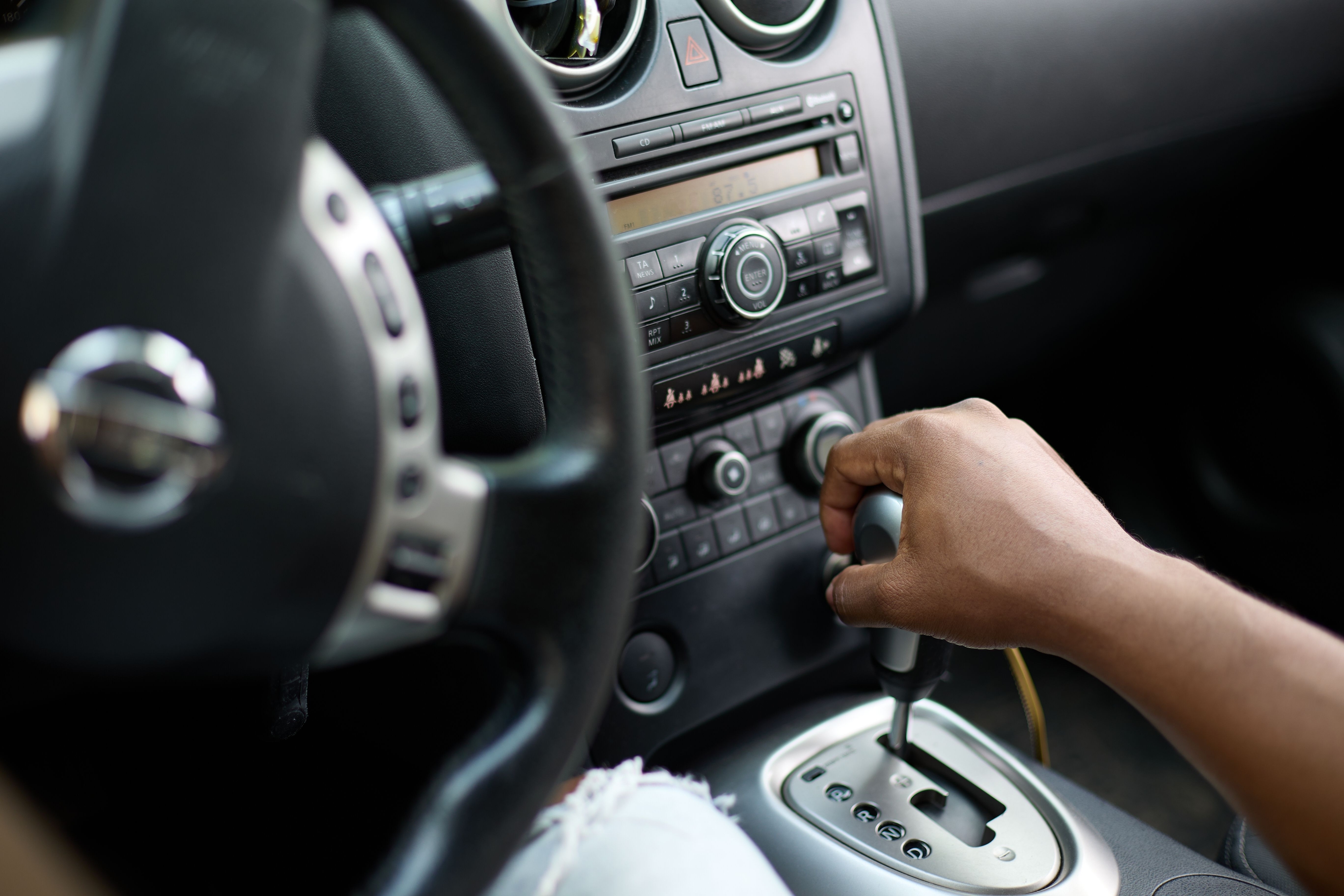
Some drivers develop the habit of keeping one hand on the gear lever while driving. This may seem harmless, but it puts unnecessary pressure on gearbox components, causing them to wear faster. For better safety and gearbox health, always keep both hands on the steering wheel.
Do Not Shift into Neutral Frequently
Another common mistake—especially among drivers who switch from manual to automatic vehicles—is shifting into Neutral too often. In automatics, frequent use of neutral mode leads to extra wear on gearbox components and reduces long-term reliability.
If your vehicle shows any of the above gearbox failure symptoms, consult a mechanic immediately. Early detection can save you from costly repairs. Also, by following simple preventive tips—like using the right oil, applying the handbrake correctly, and avoiding bad driving habits—you can protect your gearbox and ensure smoother driving for years to come.

எழுதியவர்
Nipuna Marasinghe