Vehicles Powered by AI Technology

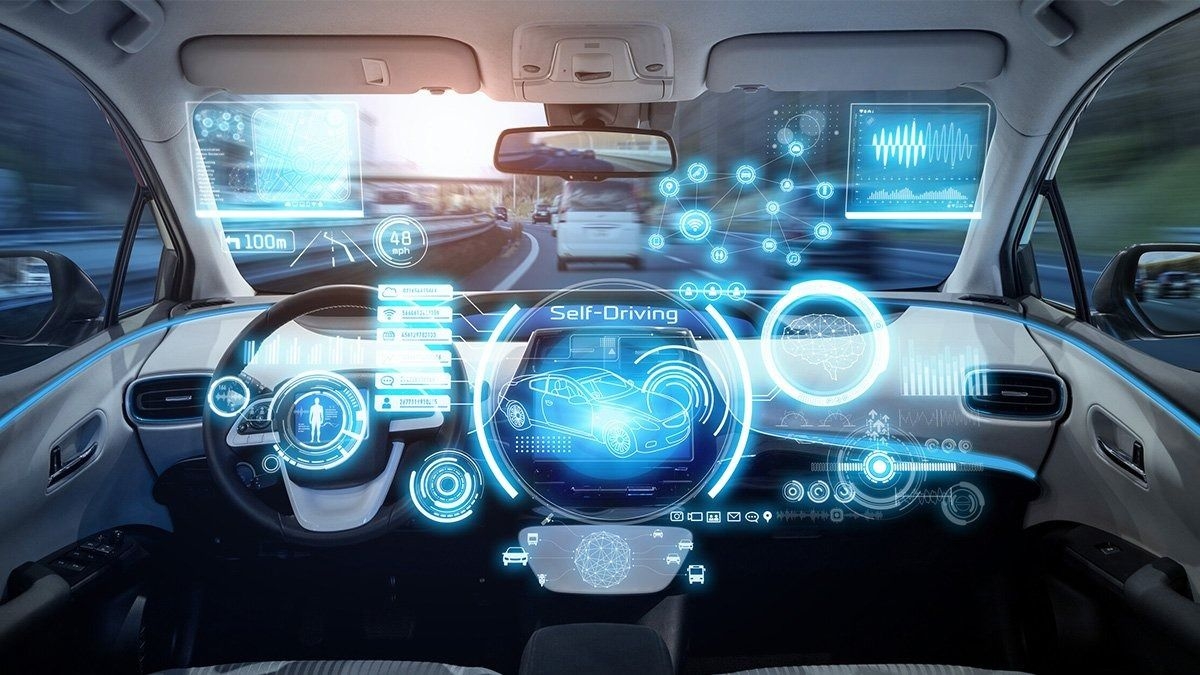
Today, vehicles are not just machines with four wheels and an engine; they are like supercomputers running on wheels. The main reason for this change is AI (Artificial Intelligence). Today, let's talk about how this AI technology has entered our vehicles and changed our journeys.
Self-Driving Technology
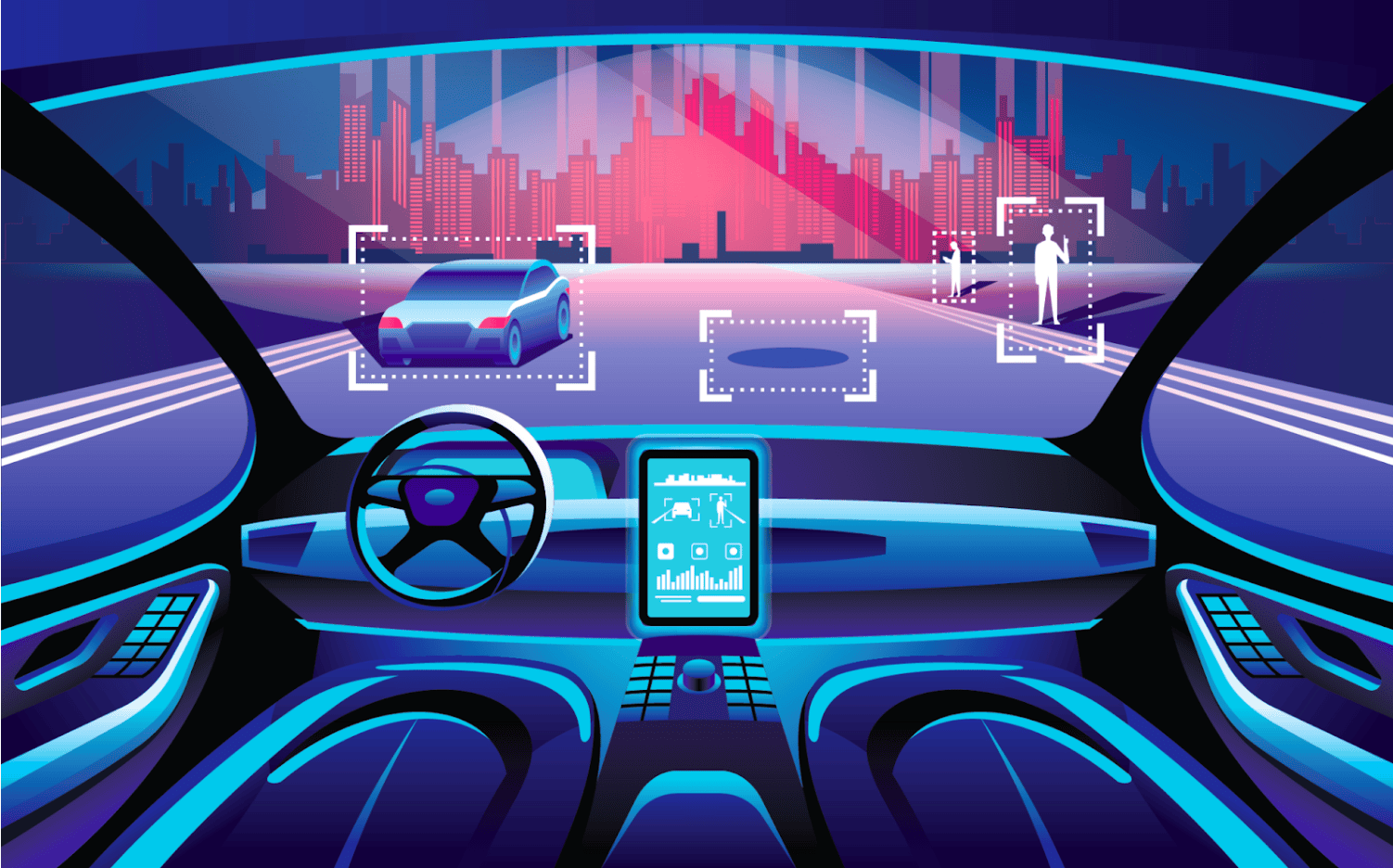
The biggest victory of AI technology is the ability for a vehicle to drive itself. Here, cameras, LiDAR sensors, and radar mounted on the vehicle gather data about the surrounding environment in a fraction of a second. This data is analyzed by AI to identify people on the road, other vehicles, and road signs, and then make decisions. Companies like Tesla, Waymo, and BYD are amazing the world with this technology.
Advanced Safety Features
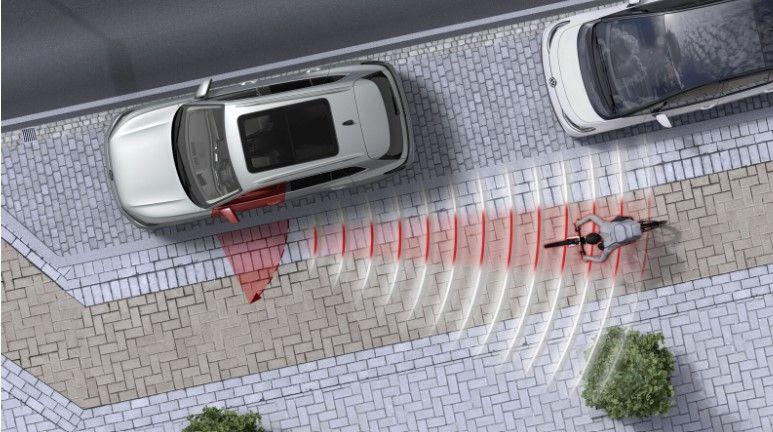
[Image of automatic emergency braking system]
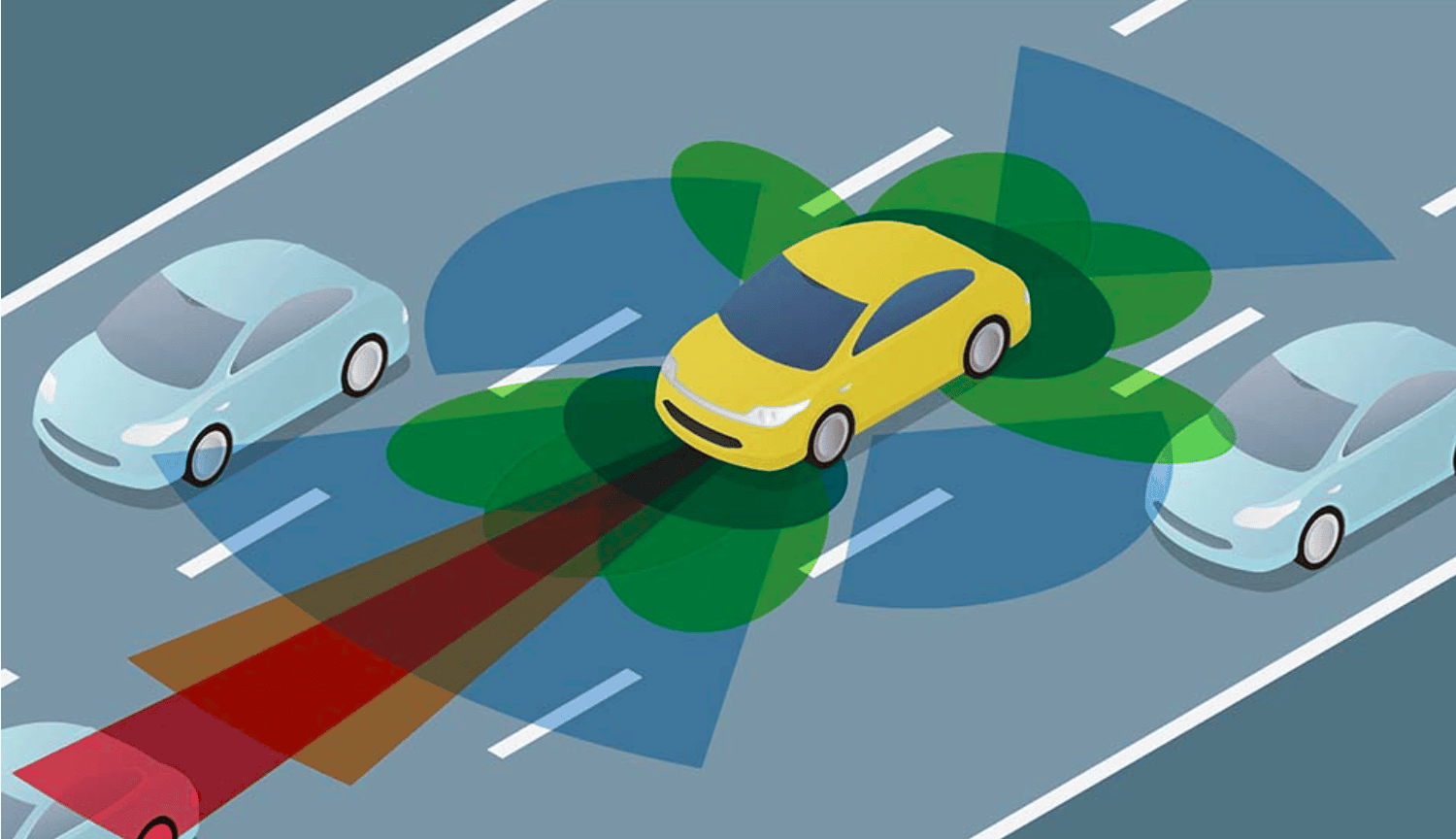
Even if we miss something while driving, the AI in the vehicle won't miss it. For example, if a vehicle in front stops suddenly, the AI system identifies it even before we do and applies Automatic Emergency Braking. Also, new vehicles now have the ability to observe the driver's eye and facial movements to detect if the driver is falling asleep or distracted and provide warnings.
Smart Assistants
In new vehicles, we can say "Hey Mercedes" or "Hello BYD" to control the AC, play music, or ask for directions. This is an AI Assistant technology that goes beyond a standard voice command. The AI learns the driver's Habits and can identify where you go every morning, suggesting refreshments or reminding you about traffic congestion in advance.
Predictive Maintenance
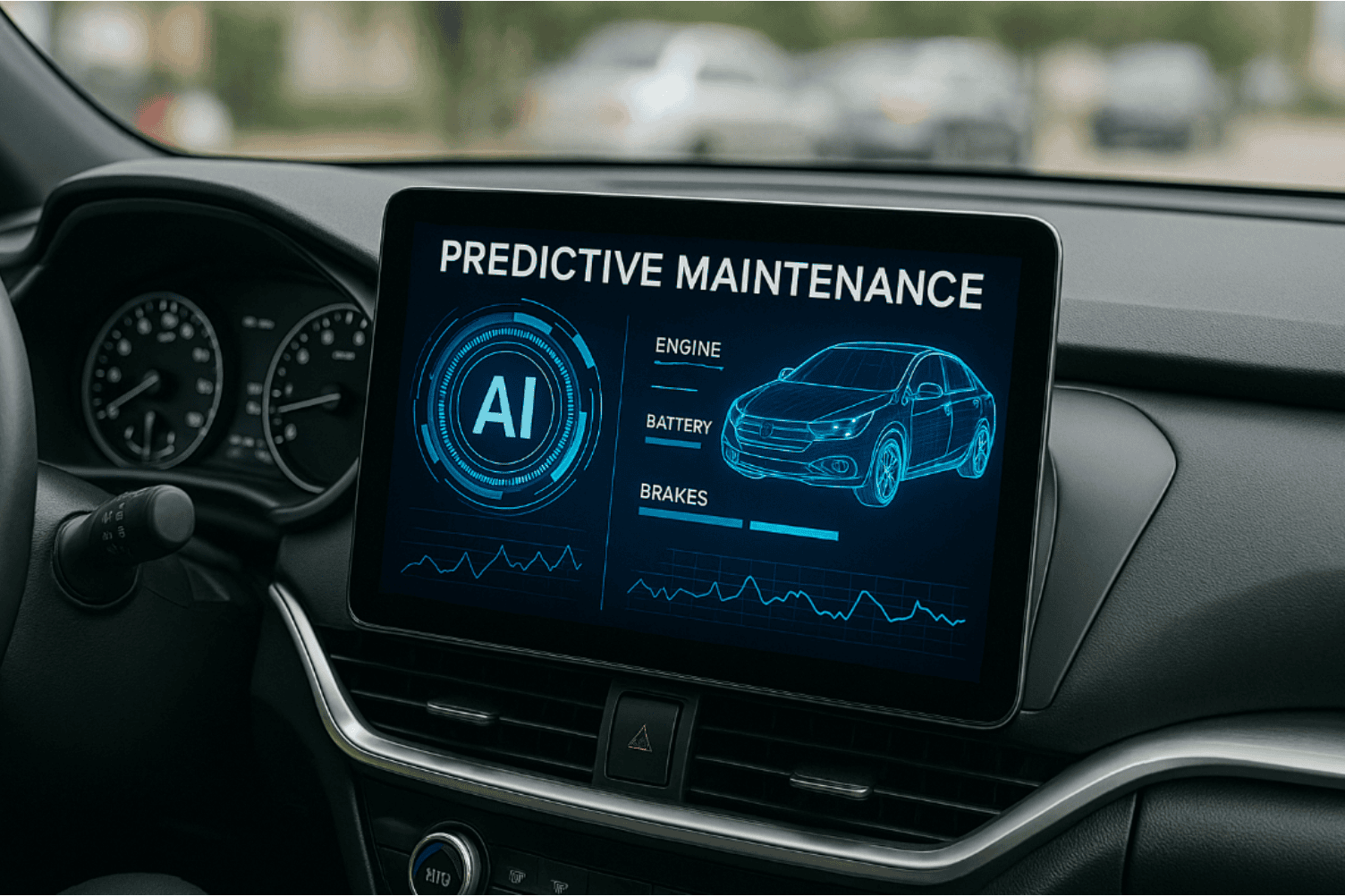
Instead of taking the vehicle to the garage after a fault occurs, AI can notify the driver before the fault happens. By monitoring sensor data from the engine or battery, the AI system identifies in advance if a part is nearing the end of its life. Also, in EV vehicles, AI plays a huge role in managing electricity to maximize battery life and achieve the longest possible Range.
In short, thanks to AI, driving a vehicle in the future will not be a tiring duty but will become a very safe and comfortable experience.
Challenges of AI Technology on Sri Lankan Roads
Although AI technology is new to the whole world, there is a big debate about how suitable it is for roads in a country like Sri Lanka. Looking at our country's road system and driving culture, there are several main challenges that AI technology has to face.
Weaknesses in Road Markings and Infrastructure
An AI vehicle (especially one with self-driving capabilities) identifies the road using white lines (Lane markings) painted on the road and road signboards. However, on many roads in Sri Lanka, these lines have faded or are not painted correctly. Also, AI systems can get confused due to sudden road narrowing and unexpected potholes. Unlike roads in developed countries, our roads are a bit difficult for AI to "read".
Behavior of Drivers and Pedestrians
Within our country's driving culture, disciplined lane maintenance is very low. Sudden lane changes (Sudden lane cuts) by three-wheelers, buses, and motorcycles can be difficult for an AI system to calculate and make decisions on in a second. Also, due to pedestrians crossing the road at non-designated places and animals on the road (cows, dogs), an AI vehicle might frequently have to use "Emergency Braking". This could even lead to rear-end collisions by vehicles coming from behind.
AI Solutions Suitable for Sri Lanka (Smart Safety)
Rather than Fully Autonomous vehicles, the Driver Assistance part is currently more suitable for Sri Lanka.
A good example of this is the AI technology recently introduced by the government to about 40 buses. If the driver is sleepy or distracted, AI detects it and warns them. This is a big help in minimizing accidents in Sri Lanka. Also, systems that use AI to identify traffic violations (e.g., crossing lines, overtaking on the wrong side) are currently being tested by universities in Sri Lanka.
Technical and Legal Issues
Sri Lanka still does not have a proper legal framework regarding who takes responsibility (the driver? or the manufacturer?) if an AI vehicle causes an accident on the road. Also, due to the lack of high-speed internet facilities like 5G island-wide, information exchange between vehicles (V2X communication) is still difficult.
In summary, it will take a considerable time for "Self-driving" technology to come to Sri Lankan roads. However, AI technology that enhances driver safety (Safety features) is an urgent need for Sri Lanka.

எழுதியவர்
Nisaga Sandaru
A versatile and highly experienced professional, currently an Automobile undergraduate at the University of Jaffna, with strong technical expertise grounded in hands-on work as a technician with SriLankan Airlines Ground Support Equipment (GSE). Holding an Automobile NVQ Level 3 qualification, along with specialized certifications in Vehicle ECU Programming and Diagnosis, and extensive experience in arc welding and vehicle body painting, and well equipped to handle complex automotive, diagnostic, and fabrication-related tasks with a high level of competence.