What is GDI?

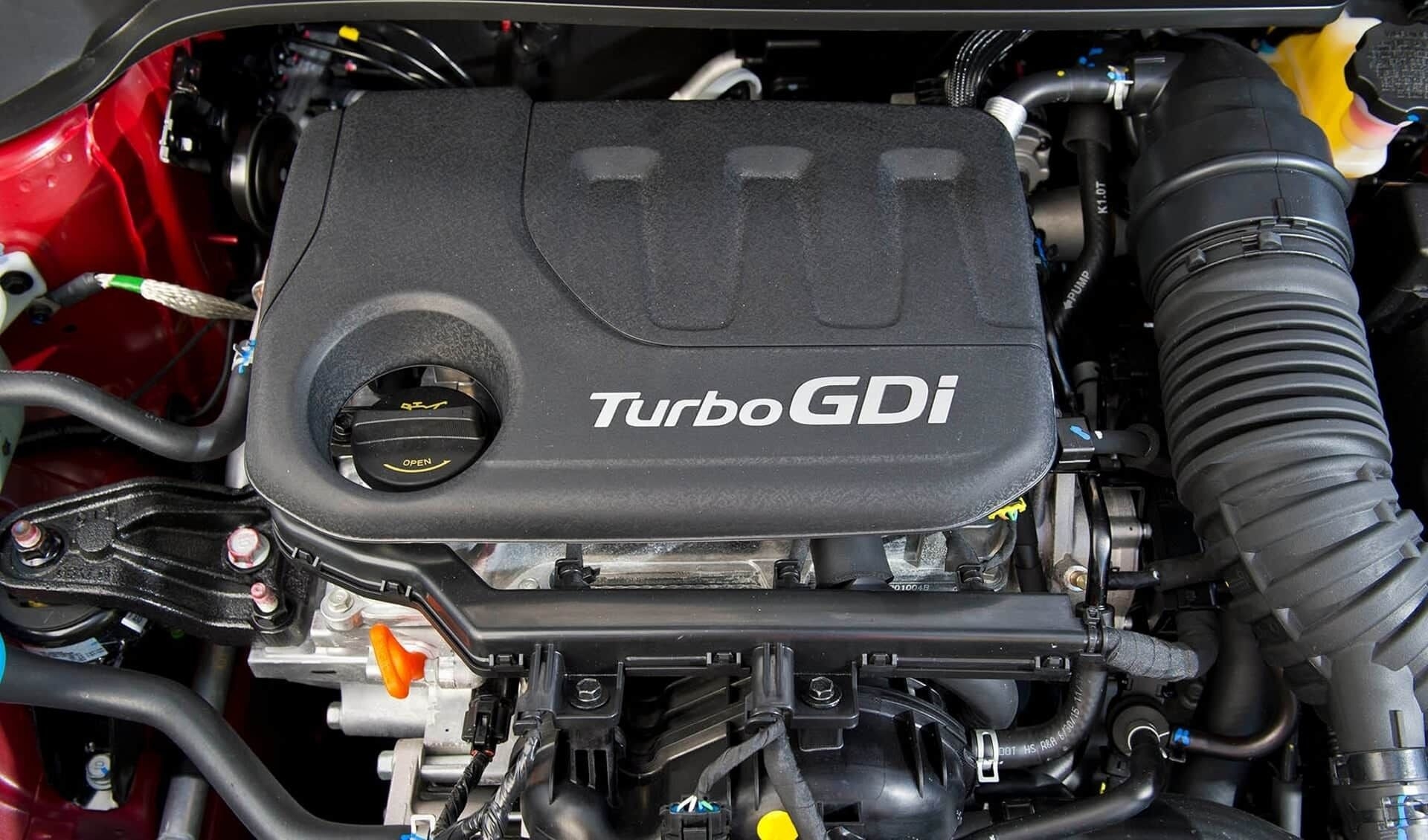
If you are someone interested in vehicles, especially when looking into Japanese vehicles, you might have heard phrases like "Don't buy ones with GDI engines" or "GDI is a heap of trouble." But what exactly is GDI (Gasoline Direct Injection)? Let's discuss it simply today.
What is GDI Technology?
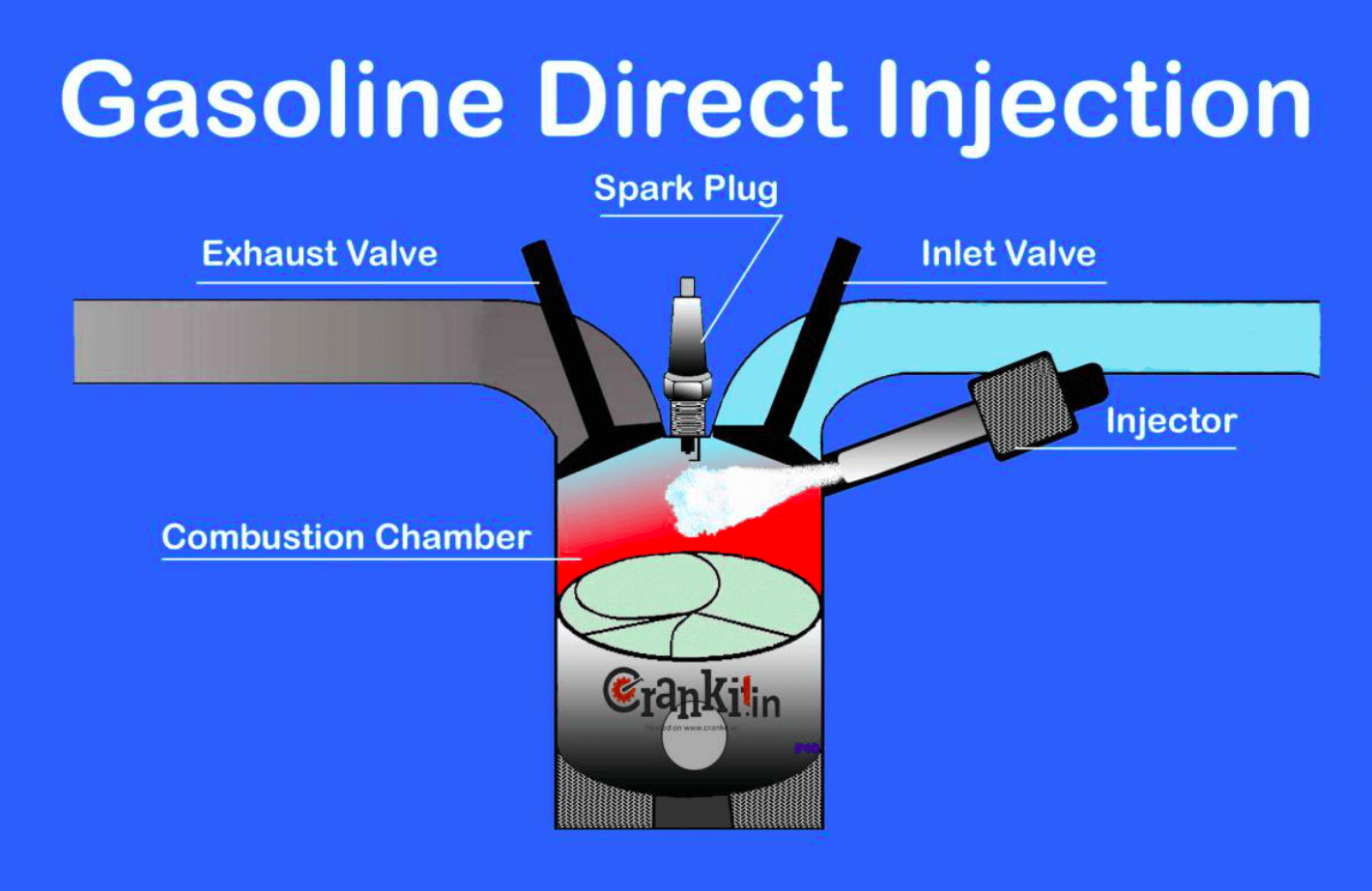
In a standard petrol engine (EFI engine), petrol and air are mixed outside the engine and then sent inside. However, in GDI technology, just like in a diesel engine, petrol is injected directly into the engine's Combustion Chamber at extremely high pressure. Because of this, the engine's performance and power increase significantly.
Advantages of GDI
This technology was introduced to the world to maximize a vehicle's efficiency.
- Since petrol is injected very precisely, the Torque & Horsepower obtained from the engine is higher than that of a standard engine.
- Also, because fuel wastage is minimal, the number of kilometers you can run per liter increases.
- GDI technology also helps reduce the amount of harmful gases released into the environment.
Why Did GDI Become a "Sickness" in Sri Lanka?
Even hearing the name GDI engine makes many people in Sri Lanka scared. Let's see why, due to a few reasons.
- Fuel Purity: A GDI engine requires extremely clean petrol. Due to impurities in our country's petrol, the sensitive "High Pressure Fuel Pump" here can quickly lose performance or fail.
- Carbon Deposit: The biggest problem with GDI engines is carbon buildup on the Intake Valves over time. Unlike in an EFI engine, these valves are not cleaned by petrol, so carbon deposits form on them, leading to reduced engine pickup and Misfiring.
- Maintenance Cost: Experienced technicians who know how to repair GDI engines are scarce in Sri Lanka. Also, spare parts for this are more expensive than for a standard engine.
Things to Consider If You Use a GDI Vehicle
If you own a vehicle like a Mitsubishi GDI (Pajero/Galant/IO), Toyota D4, or Nissan Neo Di (these are just a few examples among many), definitely do these things:
- Always try to use 95 Octane petrol.
- Perform "Injector Clean" and "Carbon Cleaning" (methods like Walnut blasting) at the scheduled time.
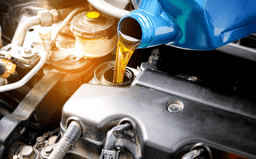
- Use only high-quality engine oil.
Technical Deep Dive: What Really Happens Inside?
In addition to the basic points we discussed earlier, there are several other very important technical and practical facts you should know. Especially, let's talk a bit deeper about what actually happens inside this engine and the points often missed during maintenance in Sri Lanka.
The Amazing "Stratified Charge" Method
The most unique ability of a GDI engine is generating more power by burning less fuel. Here, the GDI system can mix a very small amount of petrol (Lean mixture) with air and send that petrol mixture precisely just to the Spark Plug. Because of this, very high fuel efficiency is achieved when the vehicle is idling or moving at low speeds.
Injector Location and Pressure (PSI 2000+)
In a standard EFI engine, the injector is in the Intake Manifold. But in GDI, the injector is located directly above the piston, inside the cylinder. While the fuel pressure in a standard engine is around 40-60 PSI, in a GDI engine, the pressure exceeds 2000 PSI. Due to this high pressure, petrol sprays as very fine particles (Mist). The sulfur and other impurities contained in the low-quality petrol in Sri Lanka are the main reason why these fine injector nozzles get clogged quickly.
Carbon Build-up on Intake Valves
Although we touched on this earlier, it is valuable to know why this happens. In a standard engine, when the petrol and air mixture flows over the Intake Valve, the valve is constantly subjected to a "wash" due to the cleaning properties of petrol.
However, in GDI, since petrol is injected into the cylinder after the valve, the valve does not get cleaned.
Oil vapors coming from the engine's crankcase (via the PCV system) stick to the valve, heat up, and harden. When this increases, the vehicle misfires, pickup reduces, and the check engine light may turn on.
Special Oil for GDI (LSPI Issue)
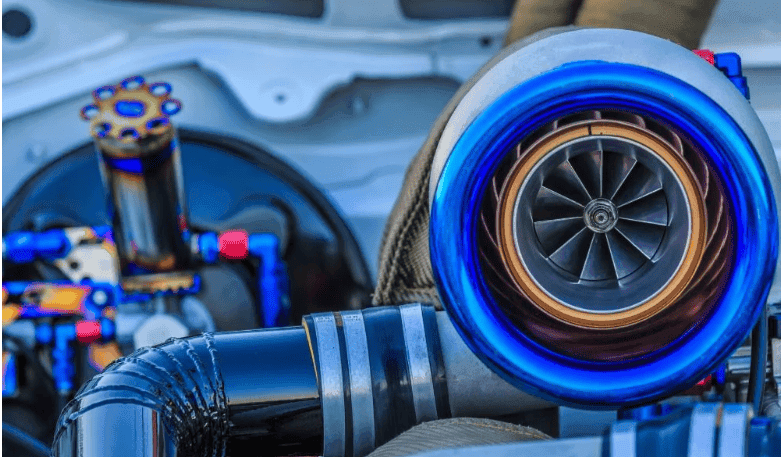
Modern GDI and Turbo-GDI engines can be affected by a condition called LSPI (Low-Speed Pre-Ignition). This means fuel ignites prematurely in a way that can damage the piston when the engine is running at low speeds. To prevent this, you must definitely use engine oil of API SN Plus or API SP standards. Since many people in Sri Lanka use standard oil, GDI engines get damaged quickly.
A Solution for GDI Users (Catch Can)
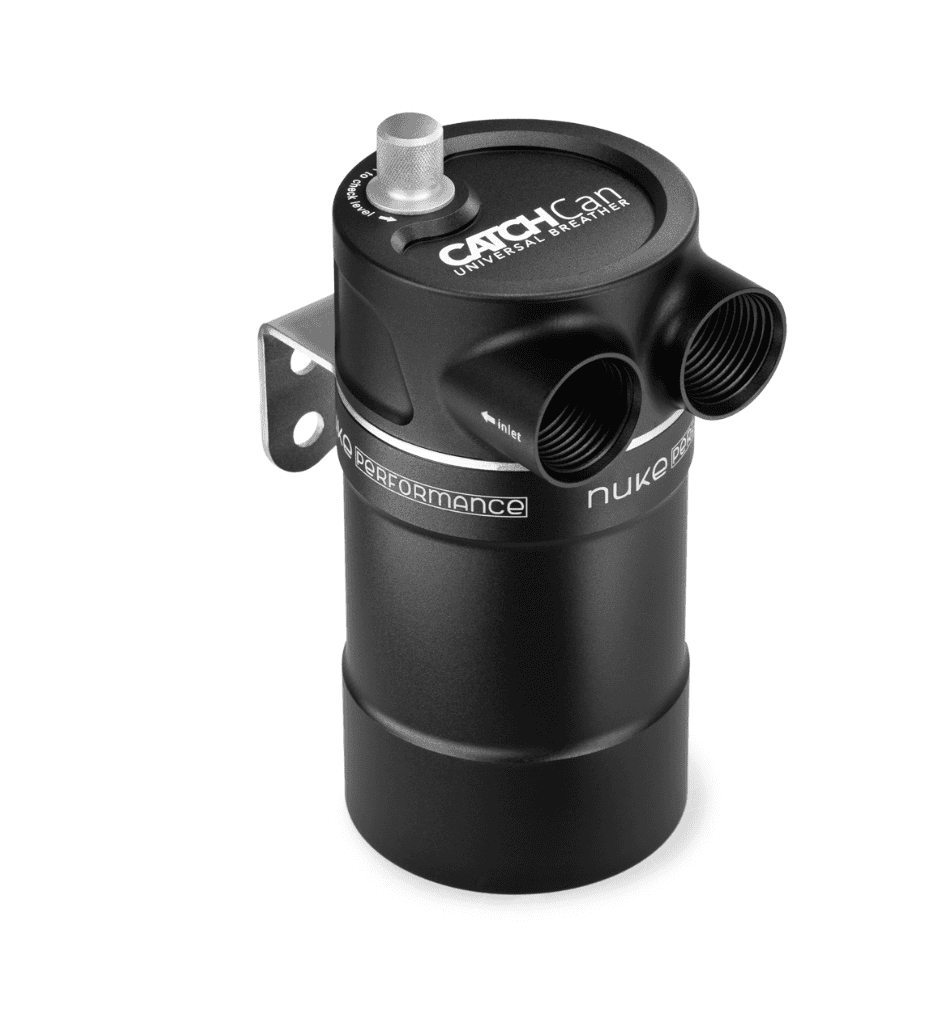
A trick used by many people around the world to reduce carbon buildup on valves in GDI vehicles is installing an Oil Catch Can. This filters and removes oil vapors coming from the engine before they go to the valve. If you plan to use a GDI vehicle for a long time, this is a good investment.
In short, GDI is not a bad technology; it is a very advanced technology. However, it only becomes a "sickness" if it doesn't receive the proper maintenance and clean fuel it deserves.

எழுதியவர்
Nisaga Sandaru
A versatile and highly experienced professional, currently an Automobile undergraduate at the University of Jaffna, with strong technical expertise grounded in hands-on work as a technician with SriLankan Airlines Ground Support Equipment (GSE). Holding an Automobile NVQ Level 3 qualification, along with specialized certifications in Vehicle ECU Programming and Diagnosis, and extensive experience in arc welding and vehicle body painting, and well equipped to handle complex automotive, diagnostic, and fabrication-related tasks with a high level of competence.