2026 New Vehicle Emission Standards (From Euro 4 to Euro 6) and Changes to the Emission Test

Today at Motor Guide, we are going to explain the brand new emission standards affecting vehicles in our country starting this year, 2026, and the corresponding changes that have been made to the vehicular emission testing process. This is a highly important topic for everyone who uses a vehicle, as well as for those of us in the automotive industry. For a long time, we remained at the Euro 4 level. However, to move forward with the rest of the world, minimizing environmental pollution is absolutely essential. That is precisely why the government decided to leapfrog directly to the Euro 6 standard. You must remember that this isn't just a mere name change; it represents a massive transformation in vehicle engine technology as well as the quality of the fuel we use.
Why the Shift from Euro 4 to Euro 6?
Someone might ask why we are jumping from Euro 4 straight to Euro 6. Euro 4 is an outdated technology from many years ago. The amount of Nitrogen Oxides (NOx) and Particulate Matter emitted into the air under that standard is considerably high. When we move to Euro 6, the emission of these toxic gases is brought down to an absolute minimum.
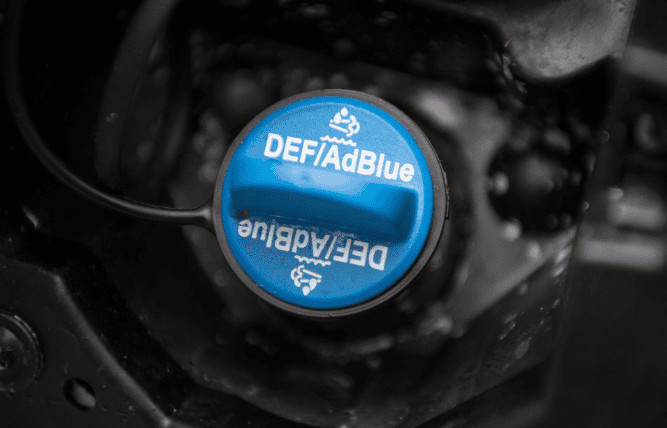
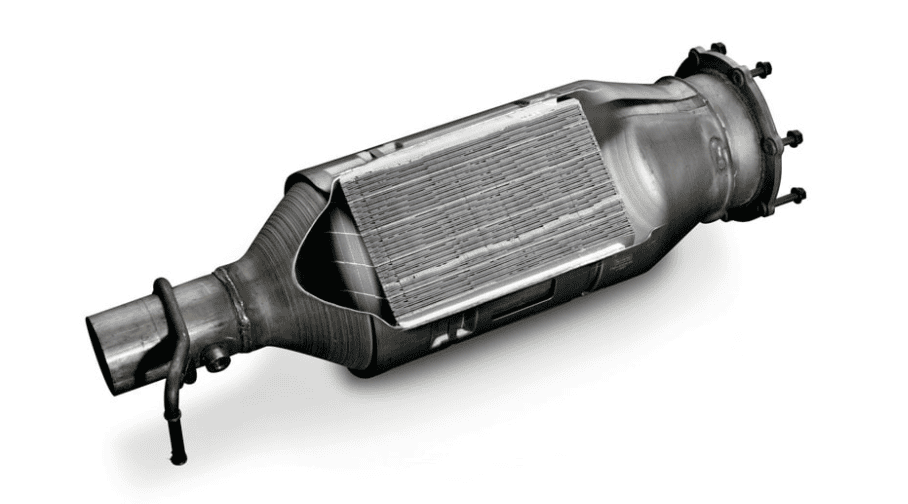
Specifically, this standard aims to reduce the particulate matter emitted by diesel vehicles by roughly 80%. This brings massive relief to both the environment and public health. However, to achieve this, several new components must be integrated into the vehicle's engine system. For example, AdBlue systems, DPFs (Diesel Particulate Filters), and highly advanced EGR systems will definitely be found in these new vehicles.
Changes to the Emission Testing Process
Now let's look at what happens during the emission test with this change. The old method of simply inserting a probe into the exhaust pipe to check the smoke is no longer sufficient. Examiners can now monitor the internal processes of the engine directly through the OBD (On-Board Diagnostics) system present in Euro 6 vehicles. If there is a fault in the engine or an issue with the emission control system, the testing equipment will detect it instantly. Furthermore, the number of different gases measured during the test has increased. They don't just measure Carbon Monoxide anymore; the aforementioned Nitrogen Oxide levels are also measured with extreme precision. Therefore, if a vehicle is not properly maintained, passing this test will not be easy.
The Crucial Role of Fuel Quality
When operating under these standards, one thing you must pay special attention to is the type of fuel you use. What happens if you pump standard Euro 4 level fuel into a Euro 6 vehicle? The highly sensitive components in the vehicle will wear out very quickly. These vehicles specifically require Ultra-Low Sulphur fuel. If the sulphur content in the fuel is high, the DPF filter I mentioned earlier will clog up rapidly. Repairing that costs a massive amount of money, and the vehicle's torque will drop significantly. Therefore, when fueling up at a station, never forget to ensure that the fuel complies with Euro 6 standards.
Engine Oil Requirements: Low SAPS
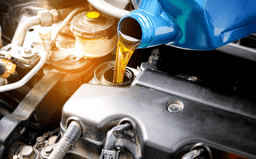
The next important point is lubricants, or engine oil. Many people mistakenly believe that any generic 15W-40 or 10W-30 oil can be used in these vehicles. That is completely wrong. Euro 6 engines strictly require specially formulated 'Low SAPS' (Sulphated Ash, Phosphorus, and Sulphur) engine oils. If you don't use this specific oil, there is a high chance the vehicle's emission control system will be damaged, leading to a failed emission test. It can also drastically reduce the engine's lifespan. Therefore, make sure to exclusively use the exact oil grade recommended by the manufacturer.
Maintenance: Air Filters and Sensors
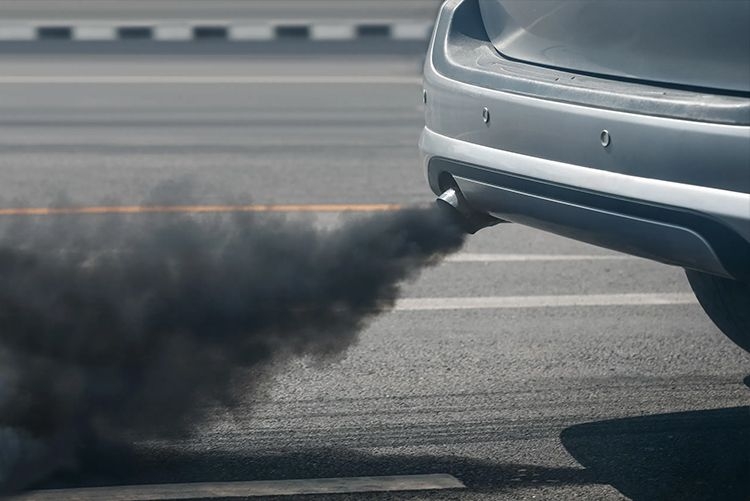
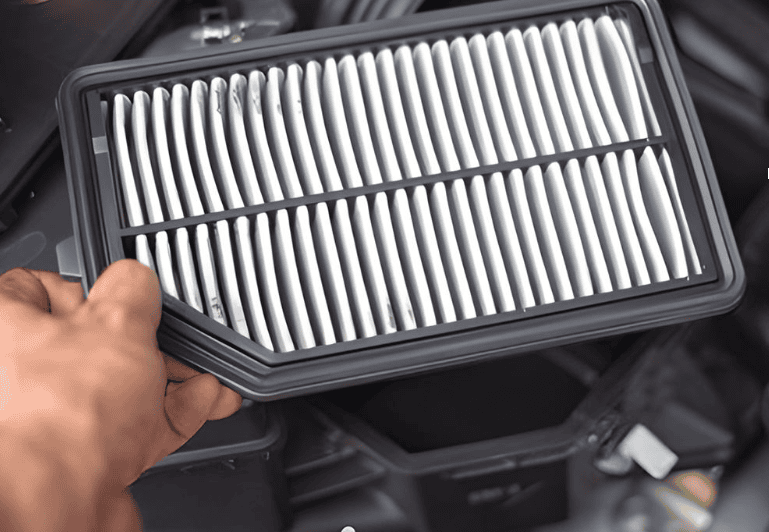
When maintaining a vehicle, we often don't give much thought to the Air Filter. However, under these new standards, the air-to-fuel mixture must be incredibly precise. If the air filter is dirty, the engine won't receive enough air, causing excess fuel to burn and black smoke to be emitted. Because Euro 6 measures this so sensitively, it is wise to inspect the air filter and replace it if necessary, even before the scheduled maintenance interval. Additionally, keeping the engine sensors clean and free of dust and grime will heavily assist in passing the emission test easily.
Motor Guide's Final Advice
In conclusion, it must be said that these new rules and regulations were introduced for our own good. Although it might seem somewhat difficult in the beginning, it will not be an issue for someone who maintains their vehicle properly. Do not attempt to make unnecessary modifications to your vehicle's engine, because the new emission testing equipment will catch any such alterations. Always have your vehicle inspected by a trusted, qualified technician. Having a vehicle that has passed the emission test before putting it on the road is your responsibility—not only legally, but as an environmentally conscious citizen. If you work correctly alongside this new technology, your vehicle will be protected, and we will be able to keep our country's air clean.

எழுதியவர்
Nisaga Sandaru
A versatile and highly experienced professional, currently an Automobile undergraduate at the University of Jaffna, with strong technical expertise grounded in hands-on work as a technician with SriLankan Airlines Ground Support Equipment (GSE). Holding an Automobile NVQ Level 3 qualification, along with specialized certifications in Vehicle ECU Programming and Diagnosis, and extensive experience in arc welding and vehicle body painting, and well equipped to handle complex automotive, diagnostic, and fabrication-related tasks with a high level of competence.