2026: The New Legal Framework for Ride-Sharing Using Private Vehicles

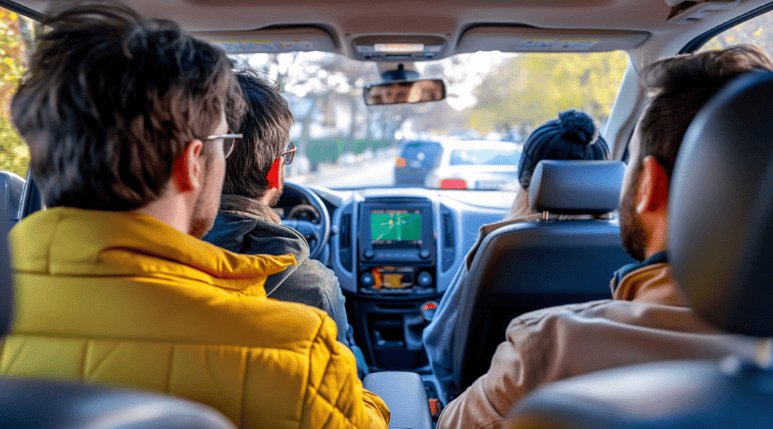
Today at Motor Guide, we are discussing the brand-new legal framework implemented in 2026 regarding the use of private vehicles for public transport—or what we all commonly know as Ride-sharing services. As industry professionals, we know there has been massive debate surrounding this topic in recent times. Although a private vehicle is someone's personal property, the moment it is used to provide a transport service to another person, it technically becomes part of the country's public transportation system. That is exactly why the government and transport authorities have collaborated to introduce an extremely strict and transparent set of laws starting this year, 2026.
If you are planning to utilize your vehicle for such a service, it is absolutely mandatory that you follow these technical and legal guidelines to the letter.
Vehicle Registration and Commercial Insurance
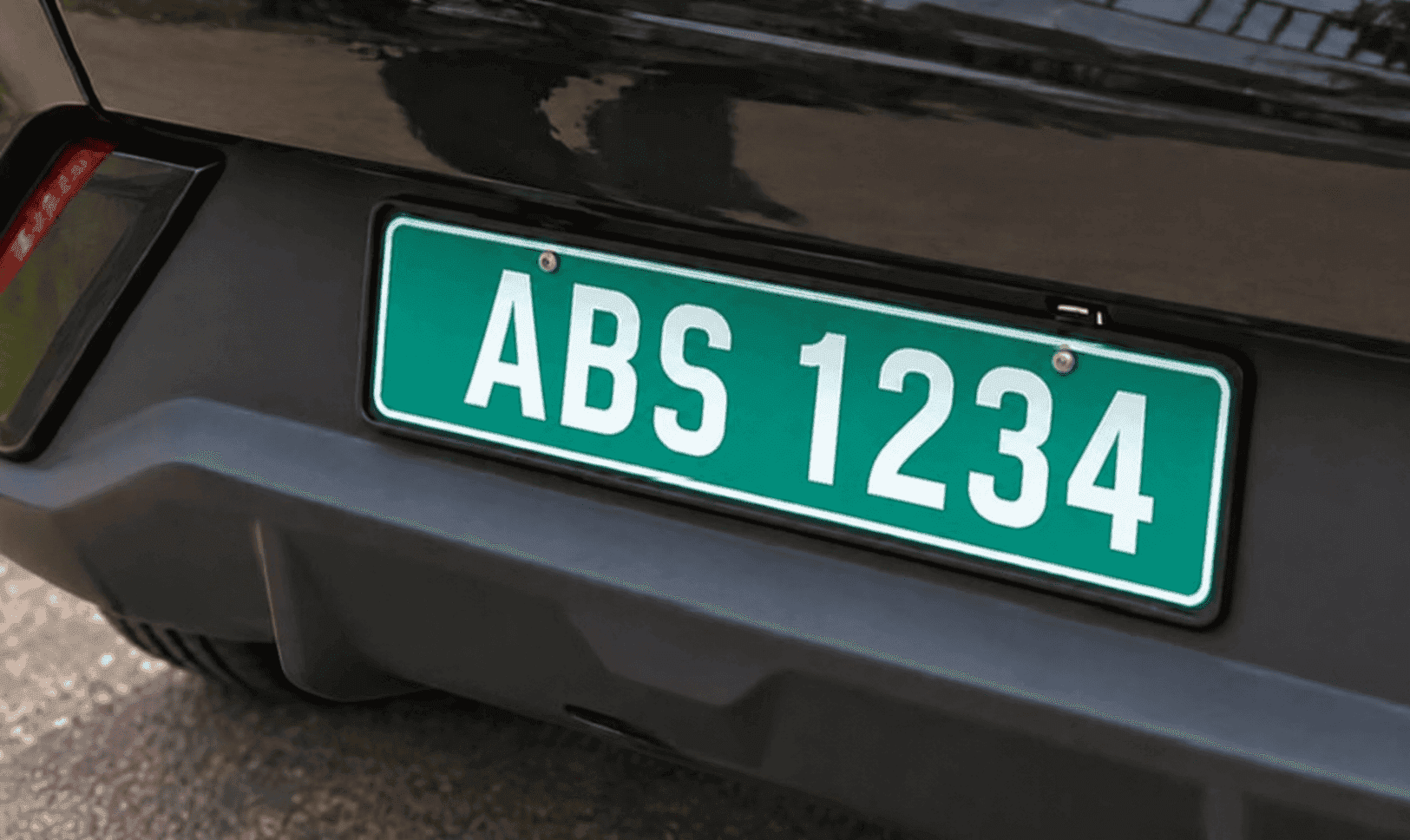
The very first step is the vehicle registration process. The days of simply downloading an app and immediately taking hires are over. According to the new 2026 laws, every single ride-sharing vehicle must be registered in a specialized database operated by the National Transport Commission. Here, even though the vehicle belongs to the "Private" category, having Commercial Insurance is now strictly mandatory. This is because, in the event of an accident, the passenger traveling inside must receive full compensation and protection. You must remember that a standard private motor insurance policy does not cover commercial activities. Additionally, when obtaining the vehicle's revenue license, a special certificate indicating its use for ride-sharing must be acquired.
Technical Condition and Mechanical Standards
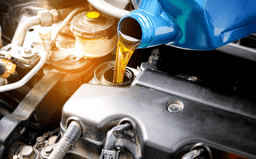
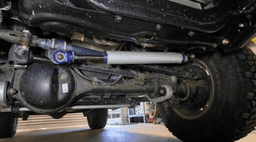
The next most critical factor is the vehicle's technical condition. As people in this field, one thing we constantly emphasize is vehicle maintenance. Under the 2026 regulations, the use of vehicles older than 10 years for such public transport services has been restricted. Furthermore, every six months, the vehicle's braking system, tire condition, and engine performance must be inspected and certified by a recognized Automobile Engineer or a government-approved testing center. A passenger boards your vehicle based on trust; therefore, the law leaves no room to put a passenger's life at risk due to mechanical faults. Special attention is also given to the proper functioning of the air conditioning system and seating comfort.
Driver Qualifications and Vetting
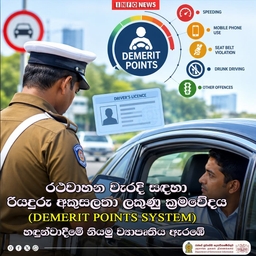
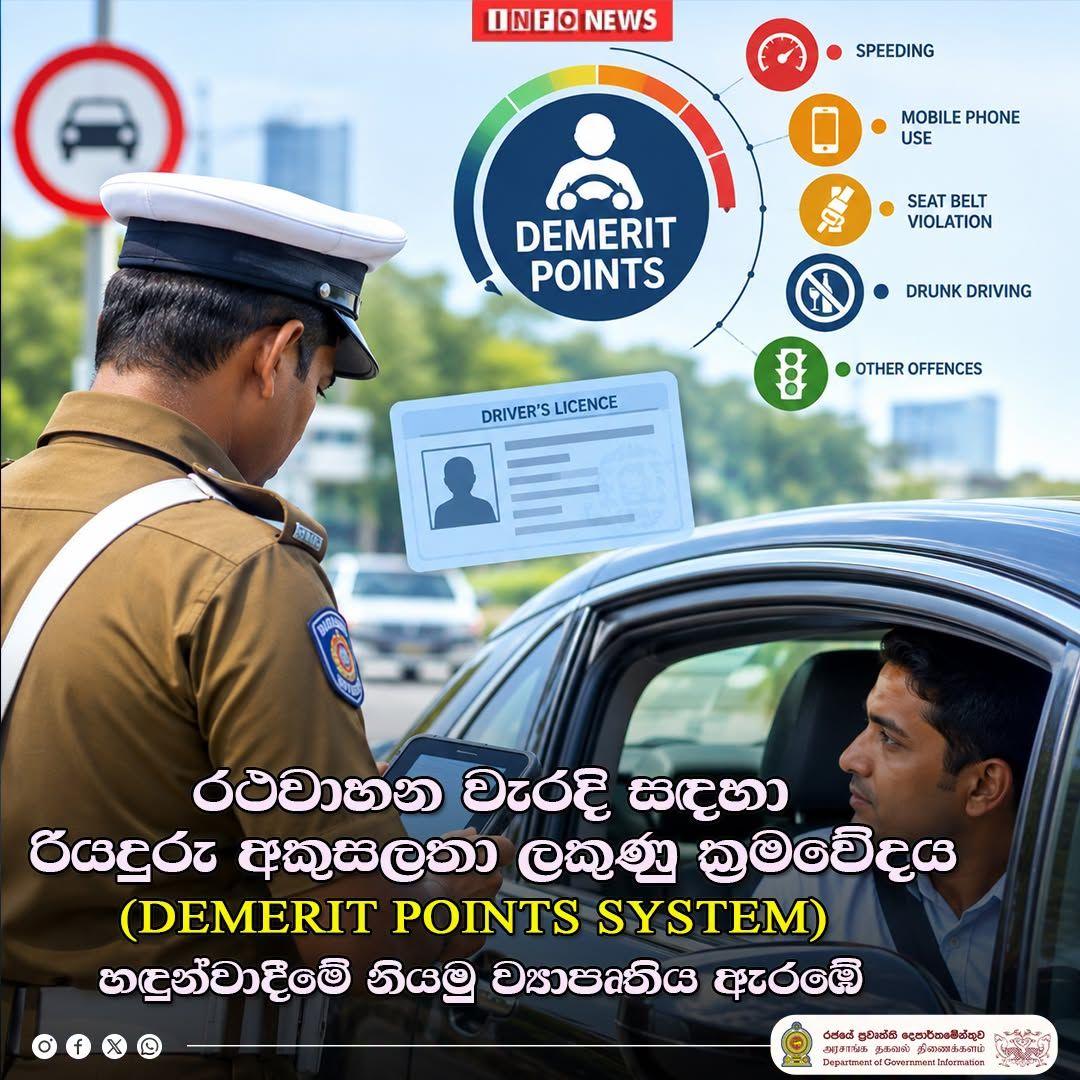
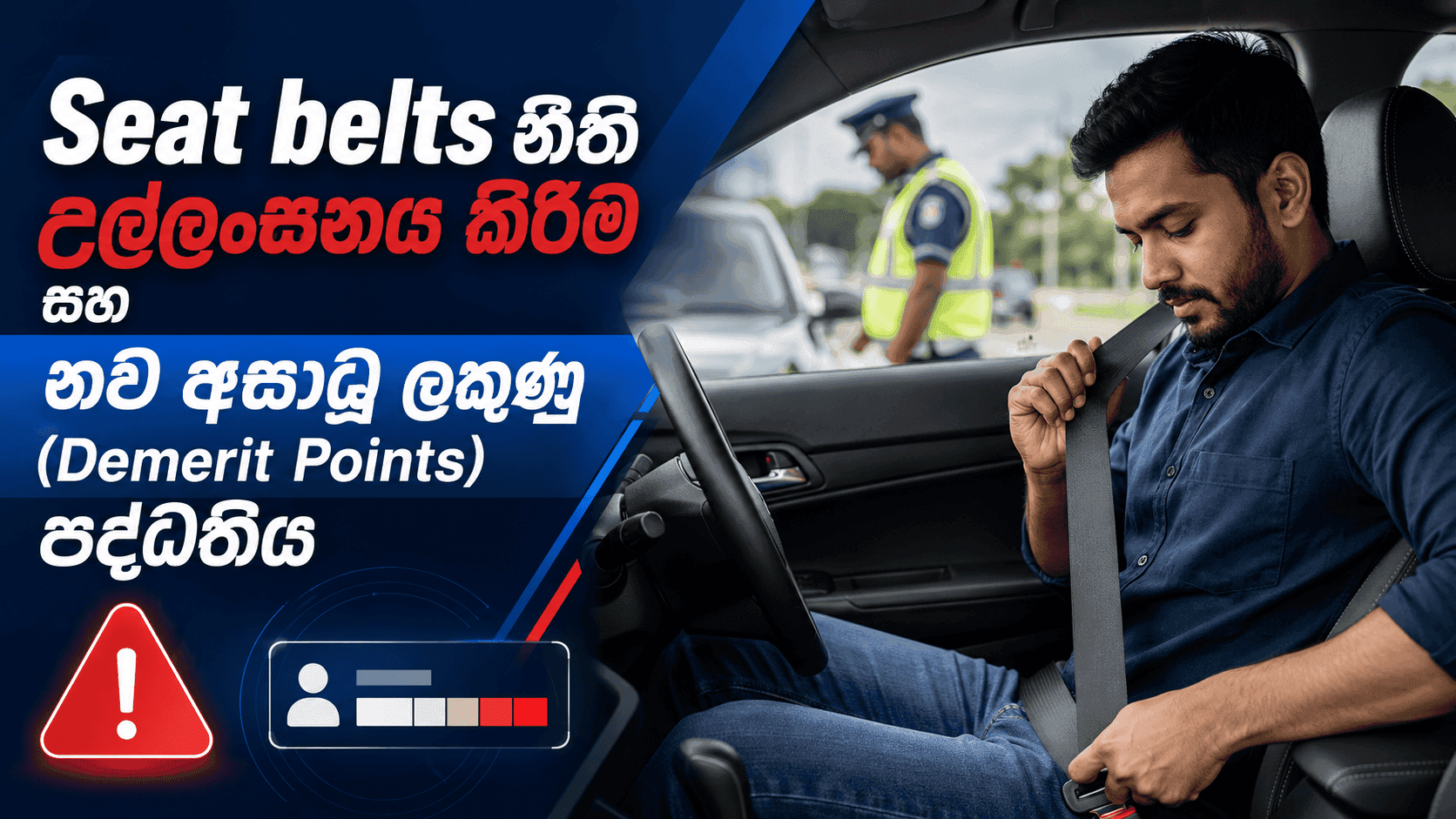
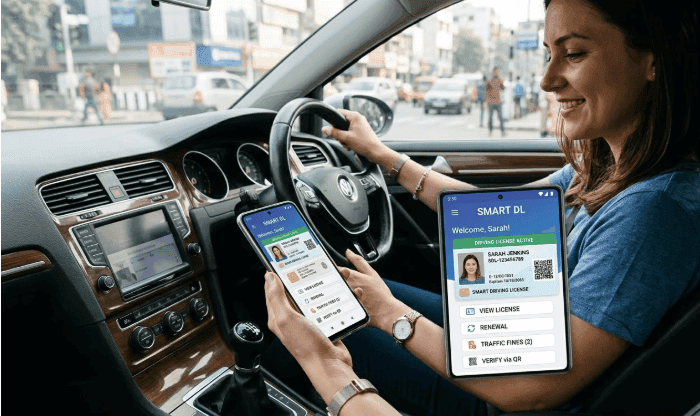
Looking at the driver's side, the requirements have gone far beyond holding a standard driver's license. From 2026 onwards, obtaining a specialized ID card and a training certificate is mandatory for ride-sharing drivers. This training provides deep insights into passenger etiquette, administering first-aid during emergencies, and strict adherence to road rules. Police Clearance checks for drivers are now conducted highly systematically. Furthermore, an annual medical report verifying the driver's health—specifically eyesight and mental focus—must be submitted. All of this is done to ensure the absolute safety of both the passenger and the driver.
Technology, GPS Tracking, and Price Capping
On the technological front, it is compulsory to have an active GPS system in every vehicle. Additionally, the app provided by the respective transport company must allow authorities to monitor the driver's route at any given time. A clearly visible 'SOS' button that can be activated during emergencies must be present either inside the vehicle or prominently within the app.
Regarding fare collection, no party is permitted to exceed the minimum and maximum Price Capping limits mandated by the government. As industry observers, we see that this prevents the unfair exploitation of consumers.
Emission Standards and Eco-Friendly Policies
Another unique factor is the vehicle emission certification and eco-friendliness. By 2026, the government has taken strict decisions to minimize environmental pollution. Accordingly, only vehicles maintaining high Emission Standards are granted permission for ride-sharing. Specifically, Electric Vehicles (EVs) and Hybrid vehicles are given high preference and special concessions under this legal framework. If you are currently using an older vehicle, upgrading it to meet these standards is extremely important.
Taxation and Passenger Complaints
When discussing taxation and legal liabilities, the income generated through this service must be properly declared. The government has introduced a simplified tax scheme for this purpose. A standout feature of this new legal system is the establishment of an independent unit to investigate passenger complaints. If a driver continuously causes discomfort to passengers, the authorities hold the power to permanently cancel their registration.
Motor Guide's Final Advice
Our advice at Motor Guide is this: if you intend to use your private vehicle for ride-sharing, first ensure all these legal documents are perfectly in order. Always pay close attention to the mechanical integrity as well as the cleanliness of your vehicle. By respecting the law and providing a dignified service to the passenger, you can build a long-lasting career in this field. As the world evolves with technology, let us adapt to these rules and contribute to building a safe transportation culture. Do not follow these laws simply to evade punishment; follow them to fulfill your responsibility.

எழுதியவர்
Nisaga Sandaru
A versatile and highly experienced professional, currently an Automobile undergraduate at the University of Jaffna, with strong technical expertise grounded in hands-on work as a technician with SriLankan Airlines Ground Support Equipment (GSE). Holding an Automobile NVQ Level 3 qualification, along with specialized certifications in Vehicle ECU Programming and Diagnosis, and extensive experience in arc welding and vehicle body painting, and well equipped to handle complex automotive, diagnostic, and fabrication-related tasks with a high level of competence.