What is Multi Lane Free Flow on Expressways?

Today at Motor Guide, we are discussing a highly advanced and modern technological concept seen in the expressway sector, which has captured the attention of everyone worldwide as well as in our country. That is the Multi-Lane Free Flow system, or as we all briefly call it, the MLFF system. As you all know, currently when entering and exiting expressways in Sri Lanka, we have to stop at standard toll gates to pay cash. Or else, even when using an ETC card, we have to reduce the vehicle's speed and pause briefly until the barrier is lifted.
However, what happens with this MLFF technology is completely different and incredibly convenient for both drivers and vehicles. Simply put, this can be described as a system where vehicles do not stop anywhere; instead, the respective toll fee is automatically deducted while the vehicle continues to move forward at its normal driving speed.
What is this Multi-Lane Free Flow?
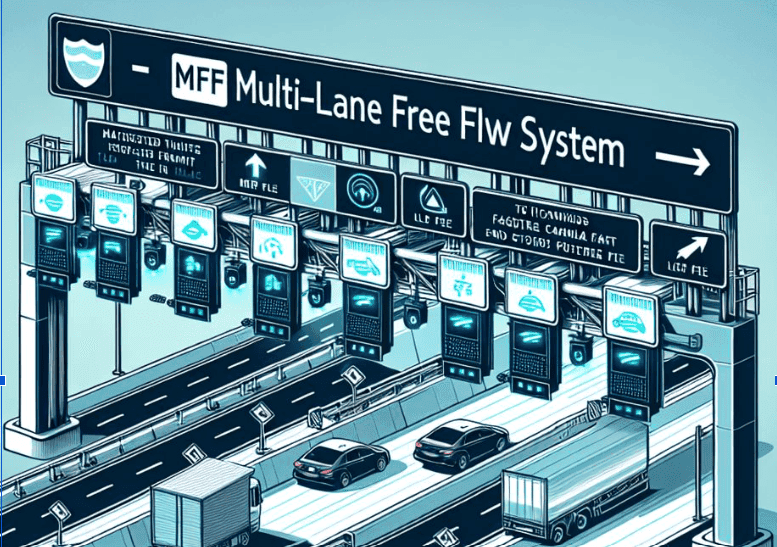
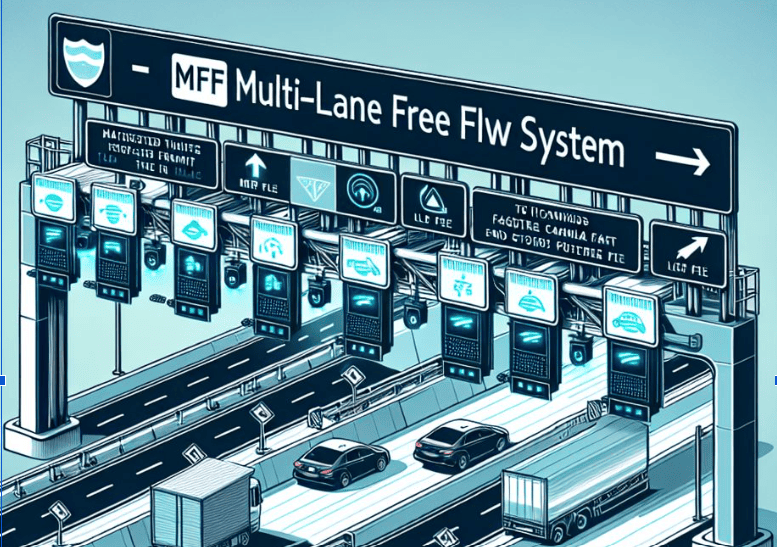
We need to look in detail at the technical side of how this system operates. Here, a massive arch-shaped pillar system—or what we call a Gantry structure in engineering—is installed above the road to cover all the standard lanes of the expressway simultaneously. Installed on top of this gantry is a large array of high-tech components, including high-speed cameras, laser sensors, and RFID readers capable of capturing radio waves.
When you drive your vehicle under this gantry at speeds of 100 km/h or more, you do not need to stop or even slightly reduce your speed. The system instantly identifies the vehicle either through the Radio Frequency Identification (RFID) sticker pasted on the vehicle's windshield or by scanning the vehicle's license plate. Following that, the money is automatically deducted from the digital account linked to that vehicle. This entire process happens within a tiny fraction of a second.
What is the Technology Behind This?
As professionals in this field, we always look at the accuracy and efficiency of such a system. The MLFF system performs its duties through a combination of several key technological components.
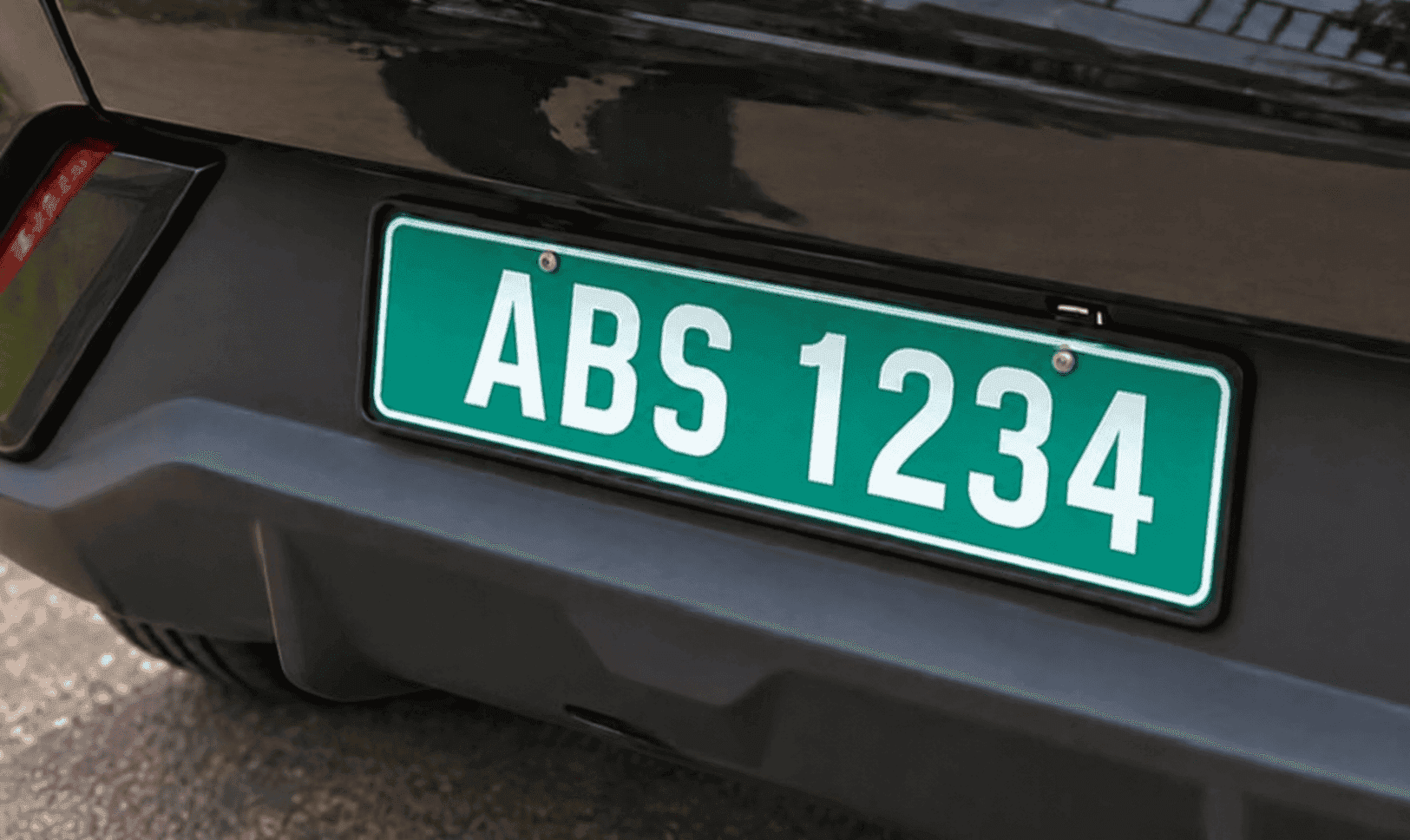
The first one is RFID technology. The radio waves emitted by the sticker on the vehicle are used to identify who the vehicle belongs to. The second most important component is the ANPR (Automatic Number Plate Recognition) technology. What this does is use the high-speed cameras above the road to photograph the vehicle's license plate, read the numbers on it, and identify it. If by any chance the RFID sticker does not work, the vehicle can be identified and the toll can be charged via this camera system.
In addition to these, special types of sensors that measure the size and weight of the vehicle are also used. Because the toll charged for a small passenger car is different from the toll charged for a large bus or lorry, accurately identifying the vehicle's category is absolutely essential for this system.
What are the Advantages of MLFF Technology?
The biggest problem we have with the standard toll gates we currently use is traffic congestion. We constantly see queues of vehicles stretching for kilometers near these gates during holidays and rush hours. But when the MLFF system arrives, that problem completely disappears. Because vehicles do not stop, traffic flows extremely smoothly. This allows drivers to save a massive amount of valuable time and reduces their mental stress.
The next most important benefit is fuel economy and preserving the vehicle's lifespan. When a vehicle is stopped and then started again in first gear under load, a large amount of fuel is consumed, and a heavy strain is placed on the engine and clutch system. Because MLFF allows vehicles to drive continuously, unnecessary fuel wastage is prevented. Furthermore, because the amount of exhaust smoke emitted while vehicles are idling is reduced, environmental pollution can be minimized. This technology also helps road maintenance authorities to drastically cut down the costs of maintaining toll gates and deploying staff.
What are the Challenges in Implementing this System?
No matter how advanced the technology is, when establishing such a system in a country, several challenges must be faced. The main thing is that the Department of Motor Traffic's database and this toll collection system must be connected to each other extremely accurately and swiftly. If someone drives under this gantry without money in their digital account, there must be a legal mechanism in the country to track that person down using the vehicle's number and issue a fine.
Similarly, there must be an advanced security mechanism to catch vehicles driving with forged or altered license plates. Since license plates might not be clearly visible to cameras during heavy rain, thick fog, or dusty conditions, highly advanced industrial equipment must be utilized to overcome such natural obstacles.
Developed countries in the world such as Singapore, Australia, Malaysia, and many countries in Europe are already using this MLFF technology very successfully. In those countries, this system is used not only on expressways but even inside major cities to control traffic congestion. If this technology is fully implemented in our country in the future, it will undoubtedly provide a permanent and successful solution to the current queuing problem on expressways. This can be described not just as a method of collecting money, but as a modern engineering technological tool that directly contributes to accelerating a country's economy.
And don't forget to always stay tuned with Motor Guide to learn more valuable information like this about modern vehicles and technology!

எழுதியவர்
Nisaga Sandaru
A versatile and highly experienced professional, currently an Automobile undergraduate at the University of Jaffna, with strong technical expertise grounded in hands-on work as a technician with SriLankan Airlines Ground Support Equipment (GSE). Holding an Automobile NVQ Level 3 qualification, along with specialized certifications in Vehicle ECU Programming and Diagnosis, and extensive experience in arc welding and vehicle body painting, and well equipped to handle complex automotive, diagnostic, and fabrication-related tasks with a high level of competence.