What Is an HVAC System in a Vehicle and How Does It Work?

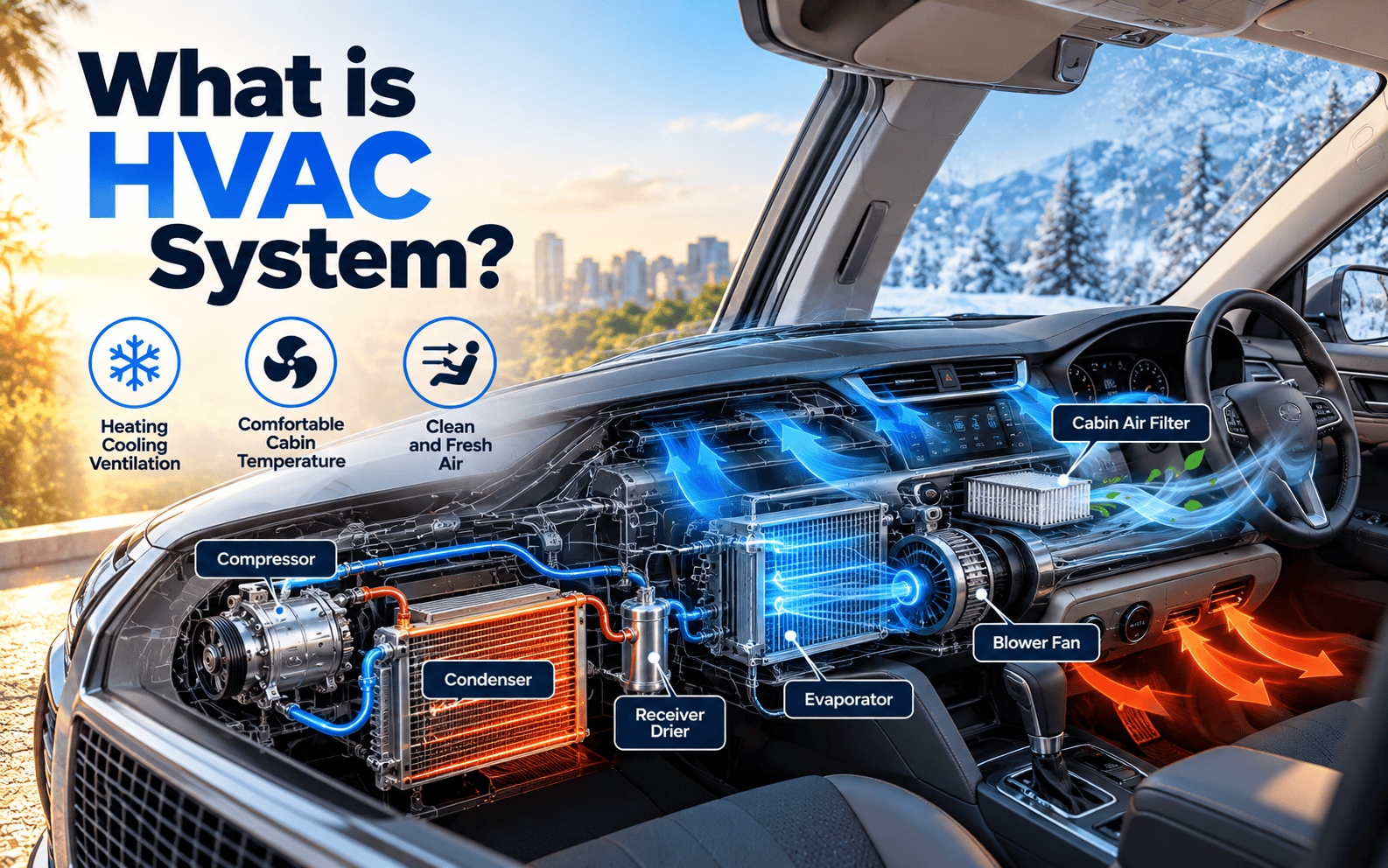
Today at MotorGuide, we're going to explore an important vehicle system that directly affects our comfort, driving experience, and even the quality of the air we breathe. Although its name might sound a little technical, it's something we use almost every time we drive. We're talking about the HVAC system.
Most of us are familiar with the air conditioning system in our vehicles. Especially in Sri Lanka's hot and humid weather, having a properly functioning A/C system can make a big difference to everyday driving comfort.
However, HVAC does much more than simply cool the air. It also helps regulate cabin temperature, circulate fresh air, and remove condensation from the windows during rainy or cold weather.
So, what exactly is an HVAC system? How does it work, what components does it use, and what are its main advantages and common problems? Let's take a closer look.
What Is an HVAC System?
HVAC stands for Heating, Ventilation, and Air Conditioning.
In simple terms, it's the system responsible for managing the temperature, airflow, and ventilation inside a vehicle's passenger cabin.
Each part of the HVAC system performs a different function.
Heating helps warm the cabin when the outside temperature is low. In many conventional petrol and diesel vehicles, this is achieved by using heat from the engine's cooling system.
Ventilation manages the movement of air inside the cabin. It allows fresh outside air to enter and helps replace some of the air already circulating inside the vehicle.
Air Conditioning removes heat and moisture from the cabin air, helping maintain a cooler and more comfortable interior.
When these three functions work together, the HVAC system helps maintain a suitable cabin environment despite changes in outdoor weather conditions.
However, the system cannot completely eliminate the effects of extreme weather, and its performance depends on the vehicle's design and operating condition.
What Are the Main Components of an HVAC System?
A modern vehicle's HVAC system consists of several components working together.
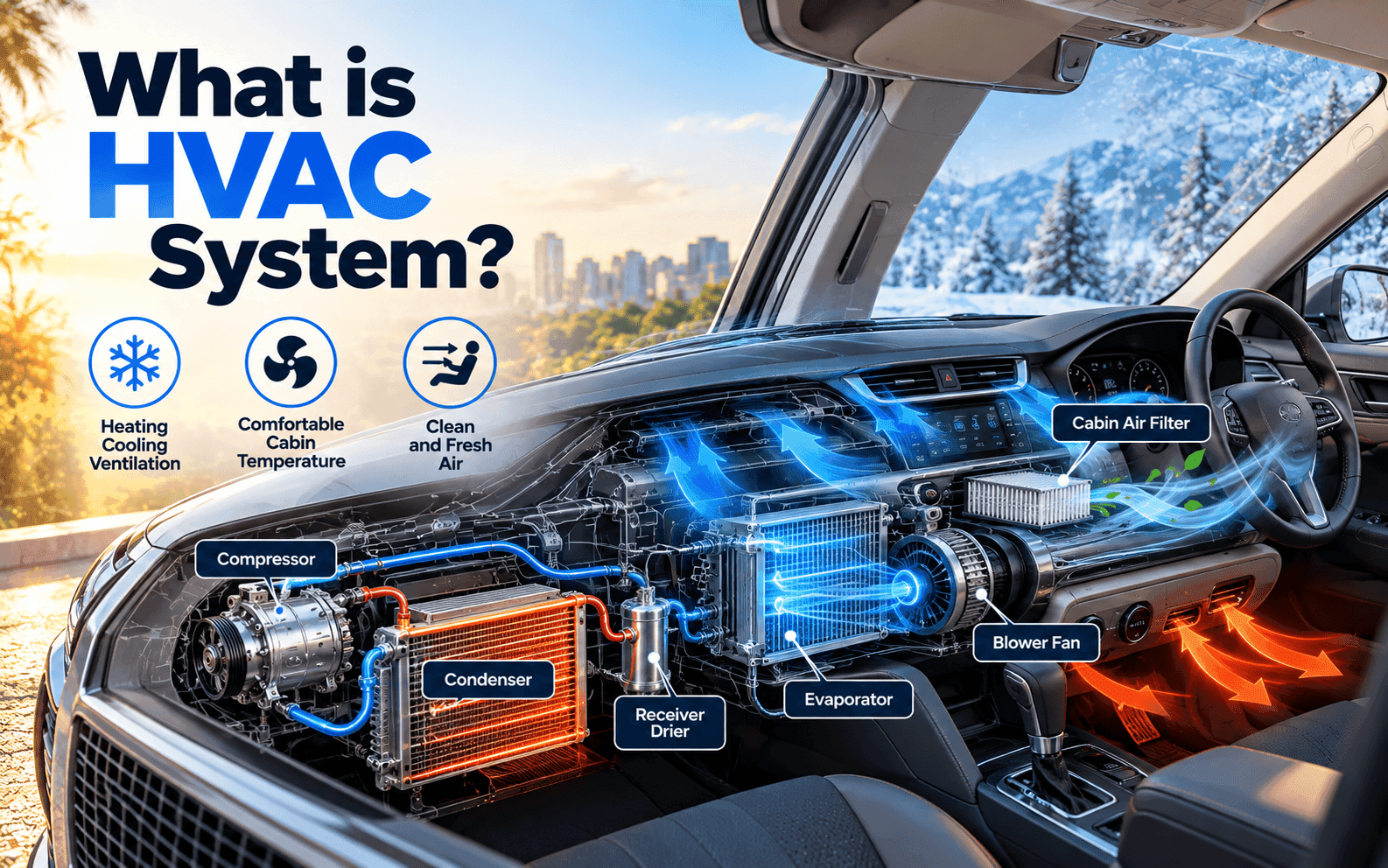
These typically include the heater core, evaporator core, A/C compressor, condenser, expansion valve or another refrigerant metering device, blower fan, cabin air filter, and a network of air ducts located behind the dashboard.
Most modern vehicles also use electronic sensors, actuators, and a climate control module to manage these components.
In vehicles equipped with automatic climate control, the driver can select a desired temperature, and the system automatically adjusts functions such as cooling, heating, blower speed, and airflow distribution.
However, vehicles with manual air conditioning require the driver to adjust many of these functions directly.
1. How Does the Air Conditioning System Cool the Cabin?
The first important function of HVAC is cooling the air inside the vehicle.
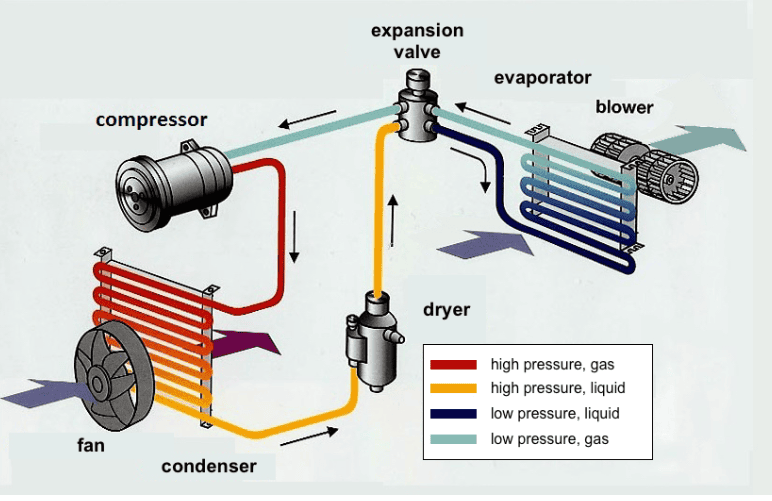
When the A/C system is switched on, the compressor circulates refrigerant through a closed refrigeration circuit.
The compressor increases the pressure and temperature of the refrigerant vapour before sending it to the condenser.
At the condenser, which is generally located near the front of the vehicle, heat is released to the outside air. As the refrigerant cools, it changes into a high-pressure liquid.
The refrigerant then passes through an expansion valve or another metering device, where its pressure drops significantly.
This allows the refrigerant to enter the evaporator at a low temperature and pressure.
The evaporator core, located inside the HVAC housing behind the dashboard, absorbs heat from the cabin air as the refrigerant evaporates.
Meanwhile, the blower fan pushes air through the HVAC system, generally passing it through the cabin air filter and over the evaporator.
As the air moves across the cold evaporator surface, heat is transferred to the refrigerant, and moisture in the air may condense on the evaporator fins.
The cooled and dehumidified air is then distributed through the dashboard vents and air ducts into the passenger cabin.
This process continues as the system works to maintain the selected temperature.
2. How Does the Heating System Work?
The second major function of HVAC is heating the vehicle's interior.
In many conventional petrol and diesel vehicles, the heating system makes use of waste heat produced by the engine.
As the engine operates, coolant circulates through the engine to help control its temperature.
Once the coolant becomes warm, some of it can flow through a component called the Heater Core.
The heater core works much like a small radiator located inside the dashboard.
When the driver requests warm air, the HVAC system directs airflow across the heated core and into the cabin.
This provides warmth without requiring a separate fuel-burning heater in most conventional passenger vehicles.
However, electric vehicles and some hybrid vehicles may use electric resistance heaters or heat pump systems instead of relying entirely on engine heat.
How Does the HVAC System Remove Fog from the Windshield?
Another important function of the HVAC system is keeping the vehicle's windows clear.
During rainy or humid weather, moisture can condense on the inside surface of the windshield, reducing visibility.
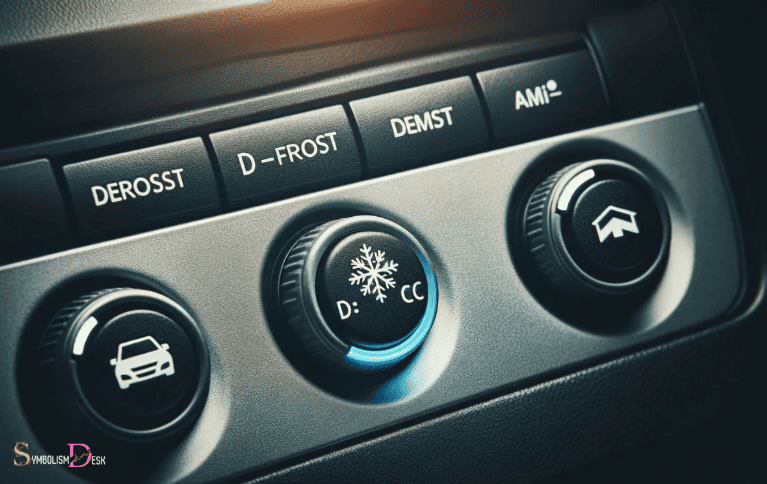
When the driver activates the windshield defogging or defrosting function, the system directs airflow towards the glass.
Depending on the vehicle and operating conditions, the system may use warm air, air conditioning, or a combination of both to remove moisture.
Air conditioning is particularly useful because it removes moisture from the air before that air reaches the windshield.
Warm, relatively dry air can then help clear condensation from the glass.
The time required to remove fog depends on the amount of condensation, outside temperature, humidity, and the performance of the HVAC system.
Clear windows are essential for safe driving, especially during heavy rain and poor visibility.
3. Recirculation Mode vs Fresh Air Mode
The third important function of the HVAC system is managing airflow between the vehicle's interior and the outside environment.
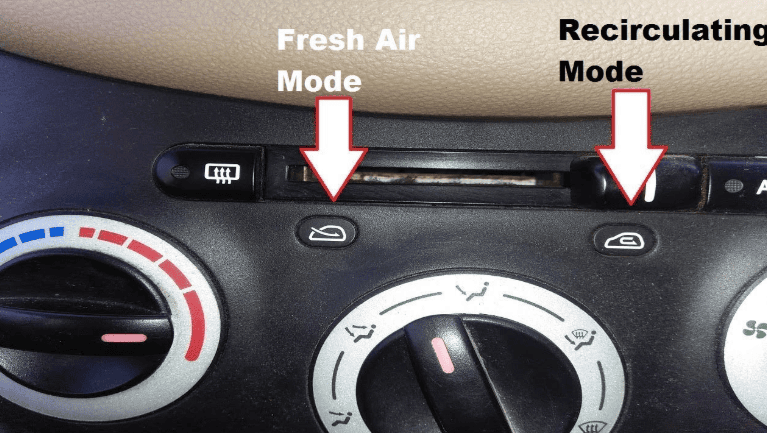
Most vehicles provide a recirculation button that allows the driver to choose between reusing cabin air and drawing air from outside.
When Recirculation Mode is selected, the system mainly circulates air already inside the passenger cabin.
This can help the A/C system cool the interior more quickly, especially when the outside temperature is very high.
It can also help reduce the amount of outside exhaust fumes, dust, and unpleasant odours entering the vehicle during certain driving conditions.
However, keeping the system in recirculation mode for extended periods may allow carbon dioxide exhaled by passengers to accumulate inside the cabin.
In Fresh Air Mode, the system allows more outside air to enter the vehicle, improving ventilation and helping reduce the buildup of carbon dioxide.
This can be particularly useful during long journeys or when several passengers are travelling together.
Good ventilation helps maintain cabin air quality, although it does not replace the need for adequate rest when a driver becomes tired or sleepy.
What Is Dual-Zone and Multi-Zone Climate Control?
Modern HVAC systems have become increasingly advanced, offering greater control over cabin temperature.
One popular feature is Dual-Zone Climate Control.
In vehicles equipped with this system, the driver and front passenger can select different temperature settings for their respective areas.
For example, the driver may prefer a cooler temperature while the front passenger chooses a slightly warmer setting.
The HVAC system uses temperature sensors, electronic controls, and air blend doors to regulate the mixture of heated and cooled air supplied to each zone.
Some larger vehicles also offer Multi-Zone Climate Control, allowing rear passengers to adjust their own temperature settings.
These features can improve comfort, particularly during longer journeys when different passengers have different temperature preferences.
What Are the Benefits of a Modern HVAC System?
One of the main advantages of a properly functioning HVAC system is improved passenger comfort.
By maintaining a suitable cabin temperature and controlling humidity, the system helps create a more pleasant environment for both drivers and passengers.
Another important benefit is cabin air filtration.
The cabin air filter helps capture dust, pollen, and certain airborne particles before they enter the passenger compartment.
Depending on the filter design, some filters may also reduce particular odours or gaseous pollutants.
However, no ordinary cabin air filter can guarantee completely clean or contaminant-free air.
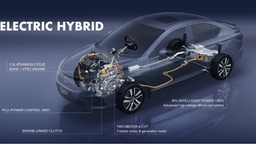
Modern hybrid and electric vehicles also offer additional HVAC advantages.
Many of these vehicles use electrically driven A/C compressors that can operate without the combustion engine running.
This allows the vehicle to maintain cabin cooling during electric driving or when the petrol engine is temporarily switched off, provided the vehicle's electrical and climate control systems are operating as designed.
Such systems can improve comfort and allow more flexible operation compared with traditional belt-driven compressors.
Common HVAC System Problems
Like other automotive systems, HVAC components can develop faults over time.
One common problem is a refrigerant leak.
Vehicles are regularly exposed to vibration, temperature changes, and movement. Over time, seals, O-rings, hoses, and other refrigerant connections may deteriorate or become damaged.
When refrigerant escapes, the air conditioning system may lose cooling performance or stop working properly.
Because refrigerant systems operate under pressure and require specialised equipment, leaks should be diagnosed and repaired by a qualified automotive A/C technician.
Another possible problem is a faulty heater core.
If the heater core becomes blocked, the vehicle may struggle to produce sufficient warm air.
If it develops a leak, engine coolant may escape into the HVAC housing or passenger compartment.
Possible warning signs include a sweet smell inside the vehicle, unexplained coolant loss, persistent windshield fogging, or damp carpeting around the dashboard area.
Repairing or replacing a heater core can sometimes involve substantial labour because it is located deep inside the dashboard assembly.
However, not every vehicle requires complete dashboard removal, as repair procedures vary by model.
How to Maintain Your Vehicle's HVAC System
At MotorGuide, our advice is to include HVAC maintenance as part of your vehicle's regular servicing routine.
One of the easiest and most important maintenance tasks is checking the cabin air filter.
In dusty driving conditions, the filter may become clogged more quickly, restricting airflow through the ventilation system.
Some vehicles may require cabin filter inspection or replacement at intervals of around 10,000 kilometres, but the correct schedule depends on the manufacturer's recommendations and operating conditions.
A heavily clogged filter can reduce airflow, affect heating and cooling performance, and place additional load on the blower system.
Another important maintenance step is keeping the evaporator and drainage system clean.
During air conditioning operation, moisture naturally condenses on the evaporator surface.
If dirt and moisture remain trapped inside the system, they may encourage the growth of mould and bacteria, which can contribute to unpleasant cabin odours.
One simple habit that may help reduce moisture buildup is switching off the A/C cooling function a few minutes before reaching your destination while allowing the blower fan to continue running.
For example, you can turn off the A/C button approximately two minutes before parking and keep the fan operating to help dry some of the moisture remaining on the evaporator.
Although this practice may reduce moisture buildup, it cannot guarantee complete drying or eliminate all bacteria.
It is also important to make sure the A/C condensate drain remains clear and that any unusual smells, weak airflow, or cooling problems are inspected promptly.
Regular maintenance helps the HVAC system perform efficiently, supports better cabin air quality, and reduces the likelihood of unexpected repair costs.
By understanding how heating, ventilation, and air conditioning work together, drivers can make better use of their vehicle's climate control system and maintain a more comfortable driving environment.
Stay connected with MotorGuide for more useful information about modern automotive technologies, vehicle maintenance, safety features, and everything you need to know about the world of vehicles.

எழுதியவர்
Nisaga Sandaru
A versatile and highly experienced professional, currently an Automobile undergraduate at the University of Jaffna, with strong technical expertise grounded in hands-on work as a technician with SriLankan Airlines Ground Support Equipment (GSE). Holding an Automobile NVQ Level 3 qualification, along with specialized certifications in Vehicle ECU Programming and Diagnosis, and extensive experience in arc welding and vehicle body painting, and well equipped to handle complex automotive, diagnostic, and fabrication-related tasks with a high level of competence.