What Are Torque Curves and Power Bands in an Engine?

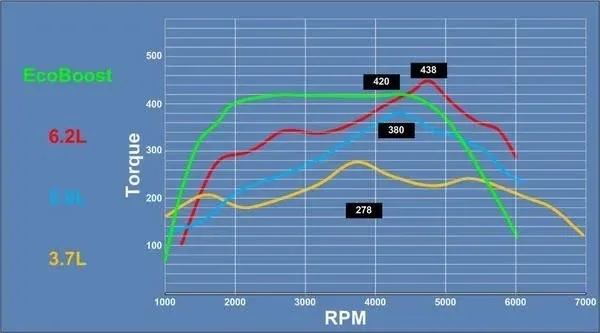
Today at MotorGuide, we're going to explore two important concepts in automotive engineering that can tell us a lot about a vehicle's actual performance. We're talking about the Torque Curve and Power Band of an engine.
When buying a vehicle, most people usually look at two important figures: maximum horsepower and maximum torque. These numbers are often highlighted in vehicle specifications because they give us an idea of how powerful an engine is.
However, there's something many drivers don't realise. The way a vehicle performs on the road isn't determined by these maximum figures alone. What matters just as much is how the engine delivers its torque and power across different engine speeds, commonly measured in Revolutions Per Minute (RPM).
That's where the Torque Curve and Power Band become important. So, what do these terms actually mean, and how do they affect everyday driving? Let's understand them in a simple way.
What Is a Torque Curve?
In simple terms, torque is the rotational force produced by an engine. It's one of the key factors that helps a vehicle accelerate from a standstill, climb hills, and pull heavy loads.
Horsepower, on the other hand, is a measurement of power, which describes how quickly work can be performed. In an engine, power depends on both the torque being produced and the speed at which the engine is rotating.
As engine RPM increases, torque and horsepower don't necessarily remain constant. Their values change depending on the engine's design, operating conditions, and speed.
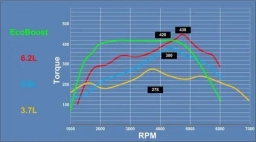
If we plot the torque produced by an engine against its RPM on a graph, the resulting line is known as the Torque Curve.
This curve shows how much torque the engine produces at different engine speeds, from low RPM to its maximum operating range.
By studying the Torque Curve, we can understand important characteristics of an engine, including where it produces its strongest pulling force and how consistently that force is delivered across the RPM range.
What Is a Power Band?
Another important concept is the Power Band.
In simple terms, the Power Band is the range of engine speeds where an engine delivers particularly useful power for the intended driving conditions.
Every engine has an RPM range where it performs more effectively for acceleration and power delivery. This is often referred to as the engine's Sweet Spot.
For example, when a driver wants strong acceleration, keeping the engine within its useful power band can help the vehicle respond more quickly.
This is especially important in manual transmission vehicles, where the driver can choose when to change gears.
However, it's important to understand that the RPM range that provides the strongest acceleration isn't necessarily the range that delivers the best fuel economy.
For everyday driving, fuel-efficient operation usually involves selecting an appropriate gear and maintaining moderate engine speeds without placing excessive load on the engine.
Torque Curves in Naturally Aspirated Petrol Engines
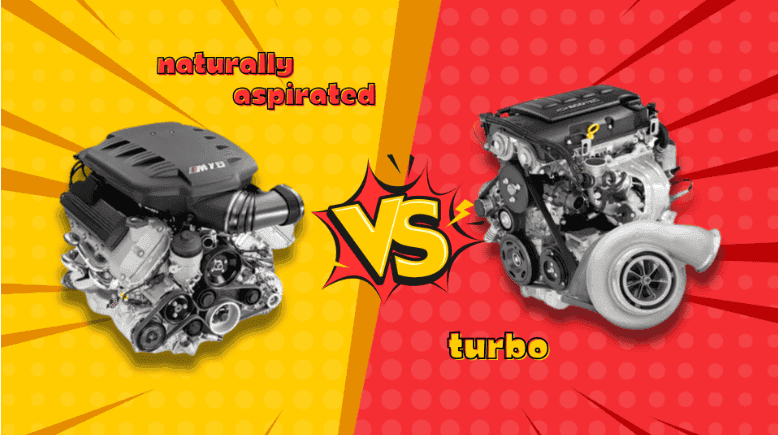
Let's first look at conventional Naturally Aspirated petrol engines, which operate without a turbocharger.
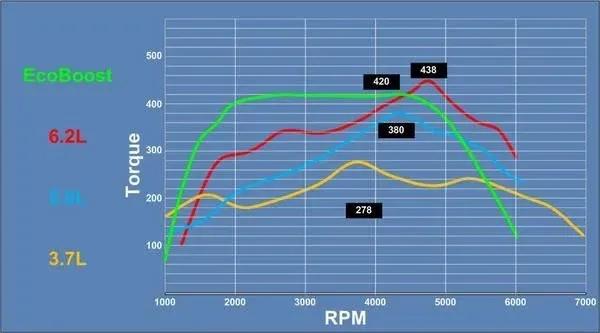
In many naturally aspirated engines, torque gradually increases as RPM rises, reaches a peak, and then begins to decrease at higher engine speeds.
When displayed on a graph, this often creates a curved shape that resembles a hill.
Many naturally aspirated petrol engines produce their strongest power at relatively high engine speeds, sometimes around 4,000 to 6,000 RPM, although the exact range depends on the engine.
Because of this, some naturally aspirated vehicles may feel less responsive at very low RPM compared with modern turbocharged engines of similar output.
To achieve stronger acceleration, the driver may need to increase engine speed or shift into a lower gear.
However, this doesn't mean all naturally aspirated engines have weak low-speed performance. Engine displacement, tuning, transmission gearing, and vehicle weight also play important roles.
Torque Curves in Turbocharged Engines
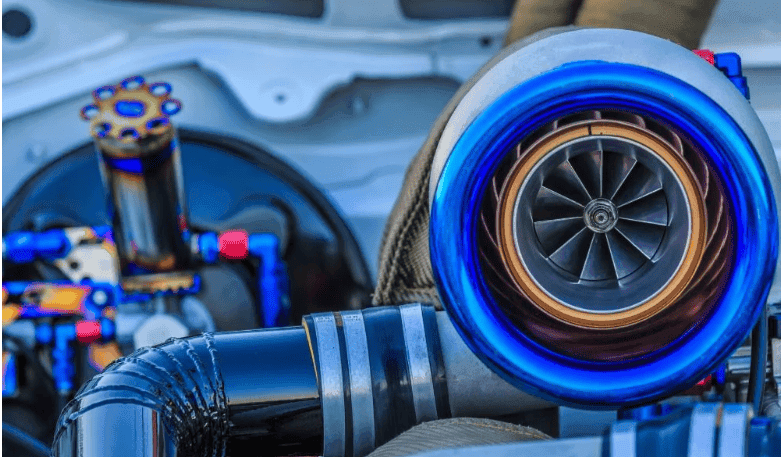
Modern turbocharged engines often have a different torque delivery pattern.
Unlike many naturally aspirated engines, some turbocharged engines are designed to produce their maximum torque at relatively low engine speeds.
For example, certain turbocharged petrol engines can reach their peak torque at approximately 1,500 RPM and maintain that output until around 4,000 RPM.
This creates what is commonly known as a Flat Torque Curve.
Instead of producing maximum torque at just one narrow point, the engine maintains strong pulling force across a wider RPM range.
As a result, turbocharged vehicles can offer strong acceleration without requiring the driver to rev the engine to very high speeds.
This is one reason why many modern turbocharged cars feel responsive during city driving, overtaking, and climbing hills.
However, actual throttle response also depends on turbocharger design, engine tuning, transmission behaviour, and turbo lag.
Torque Curves in Diesel Engines
Diesel engines are well known for producing strong torque at relatively low engine speeds.
In many diesel engines, a substantial amount of torque is available from low RPM, making them particularly suitable for vehicles that carry heavy loads or require strong pulling power.
For example, some diesel engines deliver their most useful torque between approximately 1,500 and 3,000 RPM.
Compared with many petrol engines, diesel engines also tend to operate within a lower overall RPM range.
This means drivers may need to select different gears to keep the engine operating within its most effective range, especially when accelerating or driving under heavy loads.
However, the exact power band varies between diesel engines, and modern automatic transmissions can manage gear changes to keep the engine operating efficiently.
Torque Curves in Electric Vehicles
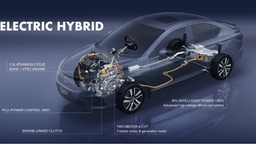
Electric Vehicles (EVs) have a very different power delivery characteristic compared with traditional petrol and diesel vehicles.
One of the biggest advantages of electric motors is their ability to deliver high torque almost immediately from a standstill.
Many electric traction motors can produce maximum torque from very low motor speeds and maintain it across an initial operating range.
As motor speed increases further, torque typically begins to decrease while power may remain relatively constant over part of the operating range.
This type of torque delivery allows electric vehicles to respond quickly when the accelerator is pressed.
It's one of the main reasons why many EVs provide smooth and powerful acceleration from low speeds.
Most modern electric passenger vehicles use a single-speed reduction gear rather than a conventional multi-speed transmission. This allows them to accelerate across a wide speed range without frequent gear changes.
However, not all electric vehicles use the same drivetrain layout, and acceleration performance also depends on motor output, battery capability, traction, and vehicle weight.
Why Are Torque Curves and Power Bands Important When Driving?
Understanding your engine's Torque Curve and Power Band can help you make better decisions while driving, particularly if your vehicle has a manual transmission or paddle shifters.
For example, when overtaking another vehicle or climbing a steep hill, selecting a gear that keeps the engine within a useful RPM range can provide better acceleration and pulling power.
On the other hand, unnecessarily increasing engine RPM towards the redline doesn't always produce better performance.
In some engines, torque decreases significantly at higher RPM. However, power can continue increasing for some time because horsepower depends on both torque and engine speed.
Therefore, the ideal point to change gears for maximum acceleration depends on the engine's power curve and the transmission's gear ratios, rather than torque alone.
Another important issue to avoid is Engine Lugging.
Engine lugging happens when the engine is forced to operate at very low RPM while carrying a heavy load, often because the driver has selected a gear that is too high for the driving conditions.
This can cause excessive vibration, poor engine response, and additional mechanical stress. Depending on the engine, repeatedly operating under these conditions may contribute to long-term wear or damage.
To avoid this, drivers should select an appropriate gear when accelerating, climbing hills, or carrying heavy loads.
At MotorGuide, our advice is to understand the operating characteristics of your vehicle's engine rather than focusing only on maximum horsepower and torque figures.
By driving within a suitable RPM range, avoiding unnecessary high revs, and preventing engine lugging, you can improve driving comfort, maintain good performance, and support better long-term engine reliability.
Remember, the highest-performing RPM range isn't always the most fuel-efficient one. Choosing the right gear and engine speed for the situation is the key to balancing performance and economy.
Stay connected with MotorGuide for more useful information about modern automotive technology, engine performance, vehicle maintenance, and everything you need to know about the world of vehicles.

எழுதியவர்
Nisaga Sandaru
A versatile and highly experienced professional, currently an Automobile undergraduate at the University of Jaffna, with strong technical expertise grounded in hands-on work as a technician with SriLankan Airlines Ground Support Equipment (GSE). Holding an Automobile NVQ Level 3 qualification, along with specialized certifications in Vehicle ECU Programming and Diagnosis, and extensive experience in arc welding and vehicle body painting, and well equipped to handle complex automotive, diagnostic, and fabrication-related tasks with a high level of competence.