Advantages and Disadvantages of Motorcycle Helmet Visors

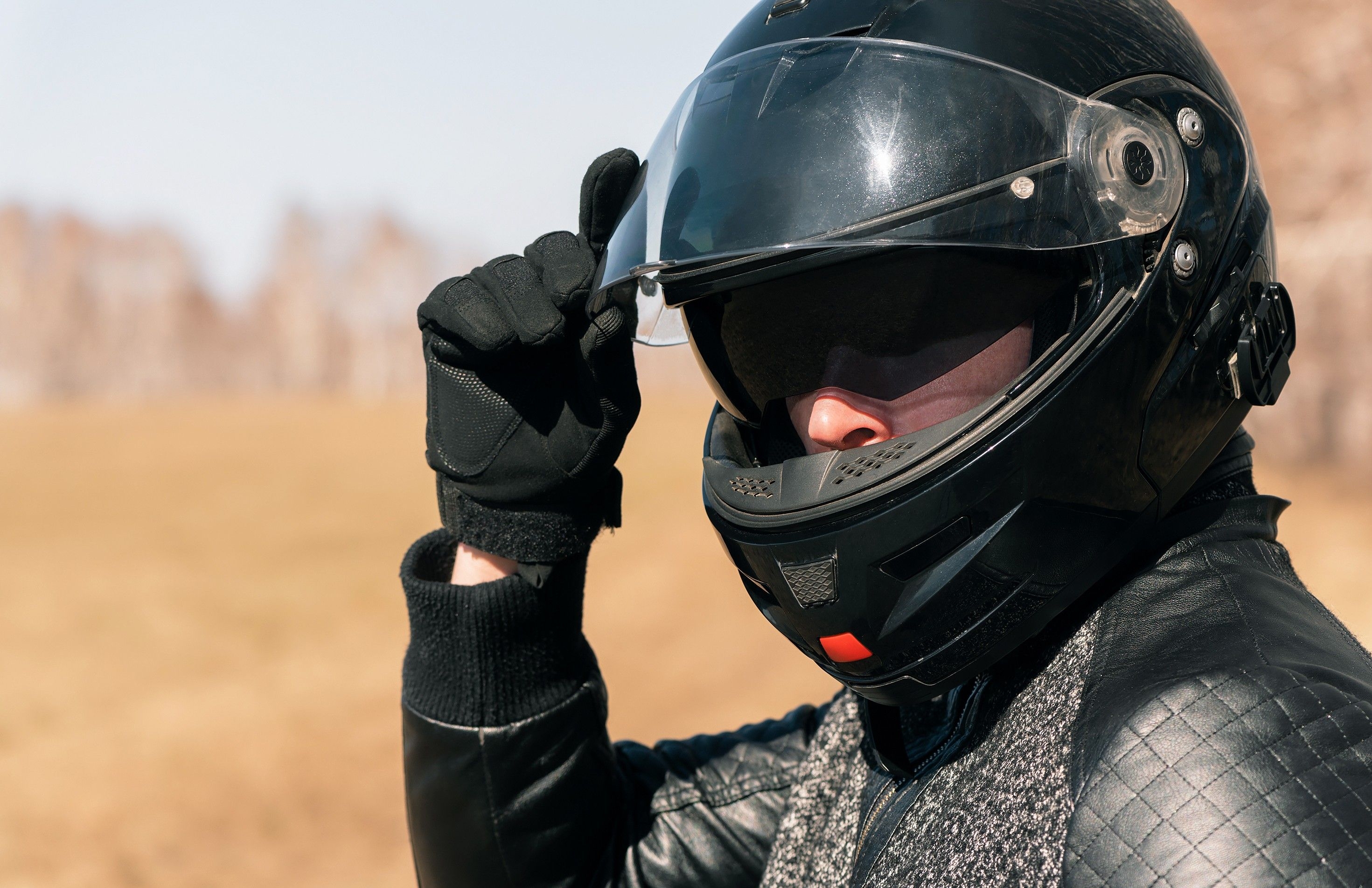
A motorcycle helmet visor is an essential part of a rider’s safety gear, designed to enhance comfort, protection, and visibility in various riding conditions. Whether you’re commuting daily or riding long distances, understanding the advantages and disadvantages of different visor types helps you make the best choice for your needs. Today, MotorGuide breaks down the pros and cons of motorcycle helmet visors to help you ride safer and smarter.
Advantages of Motorcycle Helmet Visors
1. Protection from the Elements
One of the biggest benefits of a helmet visor is that it shields your face and eyes from wind, rain, dust, insects, and flying debris. This protection keeps your vision clear and prevents discomfort, allowing you to focus on the road even in challenging weather conditions.
2. UV Protection
Many modern helmet visors come equipped with UV-resistant coatings that protect your eyes from harmful ultraviolet rays. This feature is especially beneficial for riders frequently exposed to sunlight, reducing eye strain and the long-term risks of UV damage.
3. Improved Visibility
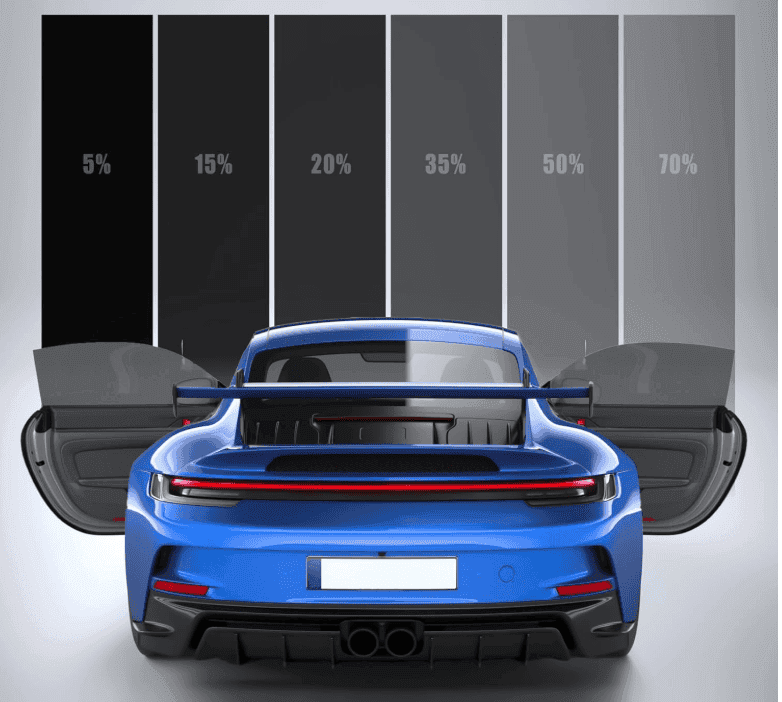
A clear visor offers unobstructed vision — crucial for safe riding. Some visors come with anti-fog coatings that prevent condensation during cold or rainy weather, while tinted or photochromic options help minimize glare on bright, sunny days. Together, these features ensure better visibility in any lighting condition.
4. Aerodynamic Design
Helmet visors contribute to the overall aerodynamics of the helmet by reducing wind drag and noise. This leads to a smoother and quieter ride, especially at higher speeds, making long rides more comfortable and less tiring.
5. Versatility and Customization
Many helmets now offer interchangeable visors that allow riders to adapt to different environments. Riders can switch between clear, tinted, mirrored, polarized, or photochromic visors depending on the time of day or weather conditions — ensuring flexibility for every ride.
Disadvantages of Motorcycle Helmet Visors
1. Maintenance and Care
Visors need regular cleaning to maintain clarity. Dirt, stains, and scratches can obstruct visibility and may require replacement over time. Using improper cleaning materials can also damage coatings, so it’s important to follow the manufacturer’s care instructions.
2. Fogging Issues
Even with anti-fog treatments, visors can still fog up in humid, rainy, or cold environments. This can momentarily block your view and increase risk while riding. While anti-fog inserts and sprays help reduce this issue, they require frequent upkeep to remain effective.
3. Cost
High-quality visors — especially those with photochromic or polarized coatings — tend to be more expensive. Over time, replacing or upgrading visors adds to your helmet’s total ownership cost. However, the added safety and comfort often justify the price.
4. Glare and Visibility Limitations
Tinted or mirrored visors can reduce glare during the day, but they also limit visibility at night or in dim lighting conditions. Riders should always switch to a clear visor for nighttime rides to maintain safety and clear vision.
Choosing the right motorcycle helmet visor depends on your riding style, daily conditions, and safety priorities. While visors provide significant protection and comfort, proper maintenance and the right selection are key to getting the most out of them. Whether you prefer a clear, tinted, or advanced photochromic visor, always invest in certified, high-quality helmets that meet safety standards. For more gear tips and rider safety advice, visit MotorGuide.

எழுதியவர்
Nipuna Marasinghe