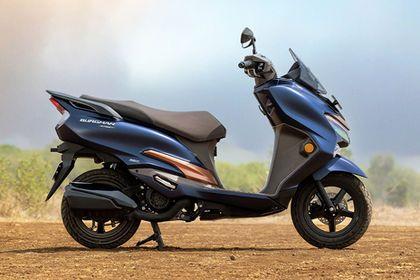
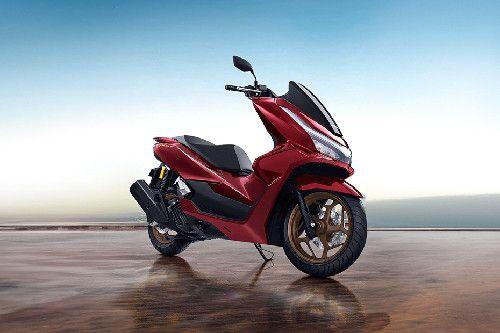
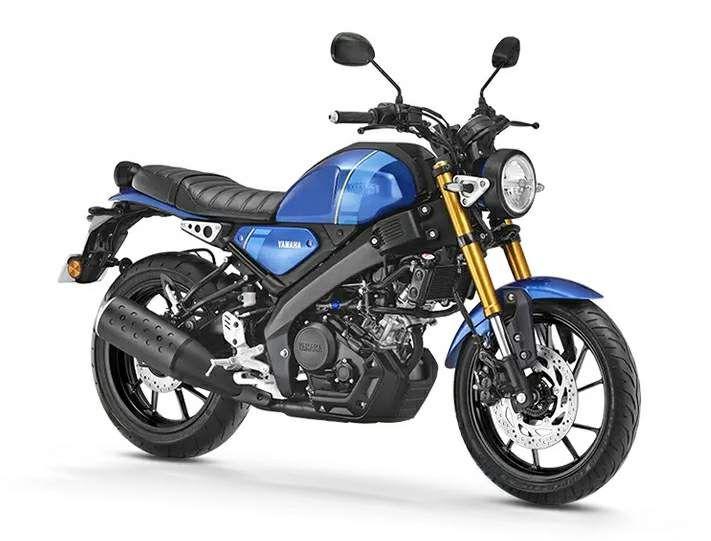
The Difference in Maintenance: Air-Cooled vs. Liquid-Cooled Motorcycles

One of the most common questions people ask before buying a bike is whether to go for an "Air-cooled" or a "Liquid-cooled" model. The way you maintain these two systems is vastly different. In this bike maintenance guide, Motor Guide will explain the technical motorcycle cooling system difference and the secrets you must know to maintain them. Remember, riding without this knowledge can cause your engine to overheat, leading to costly repairs.
1. Air-Cooled Engine Maintenance
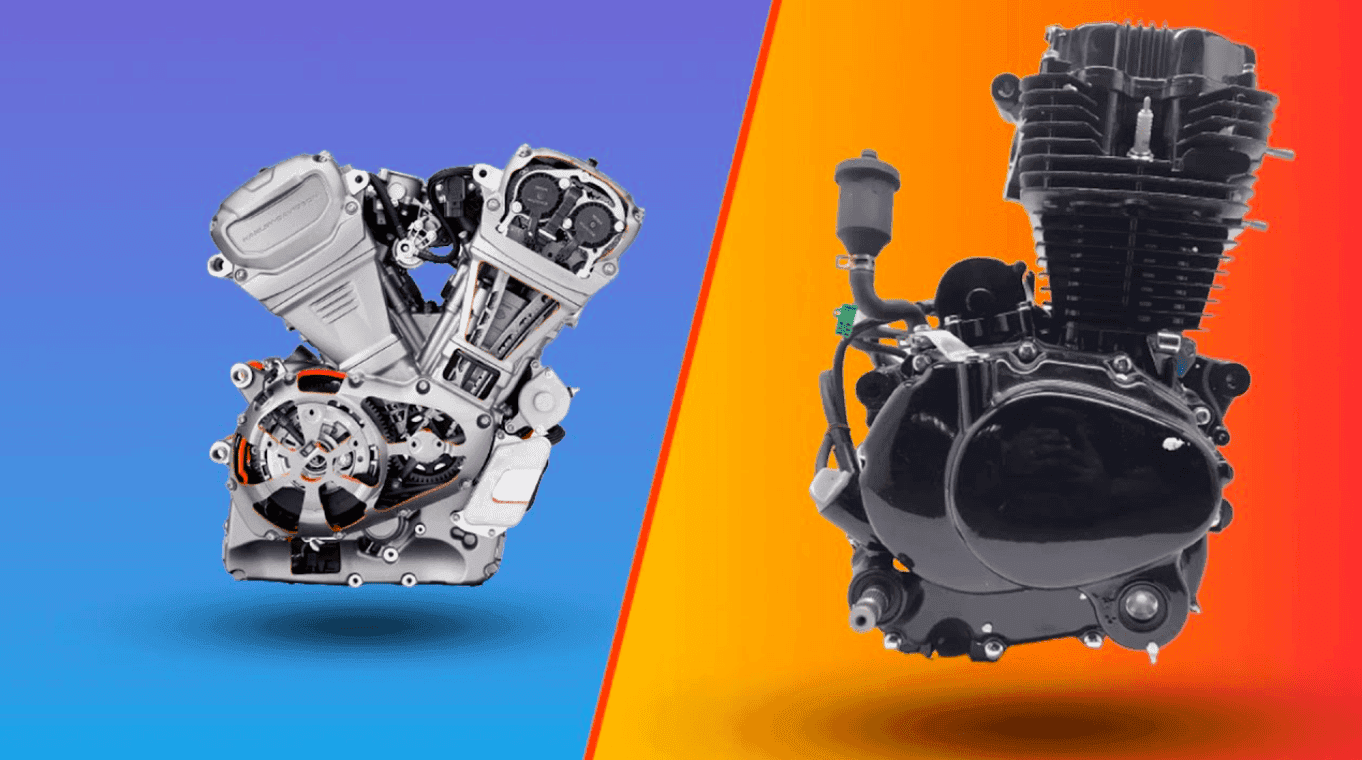
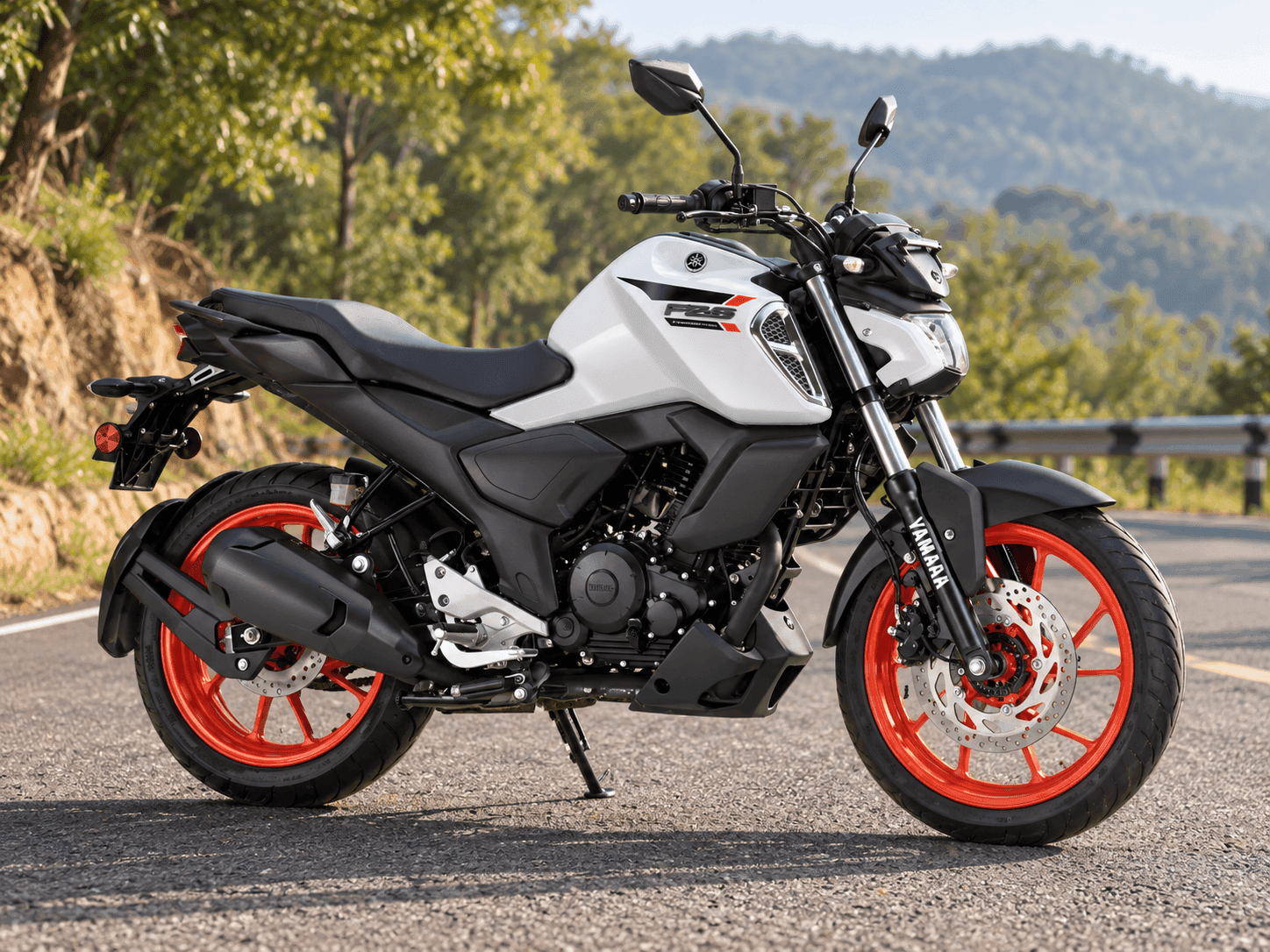
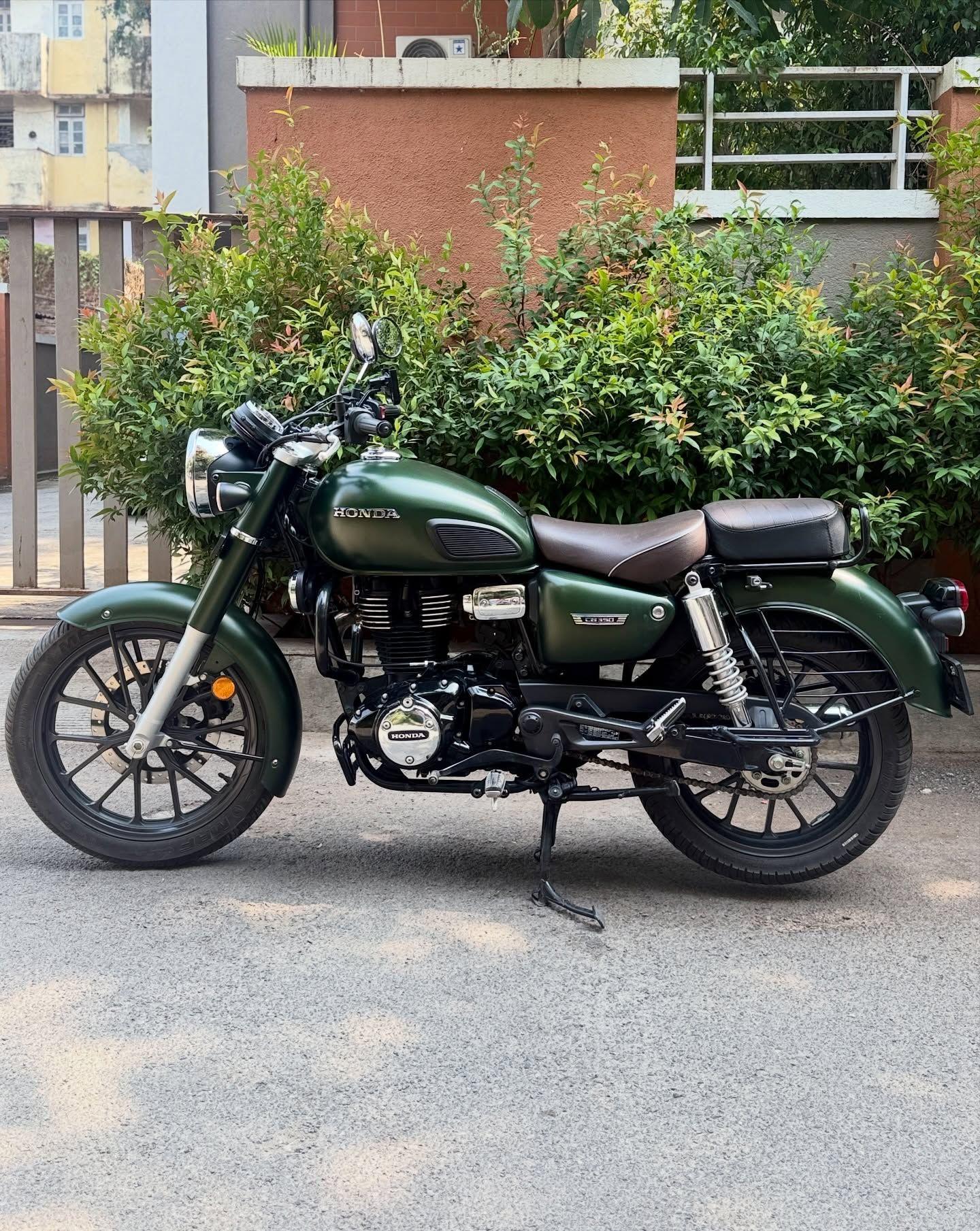
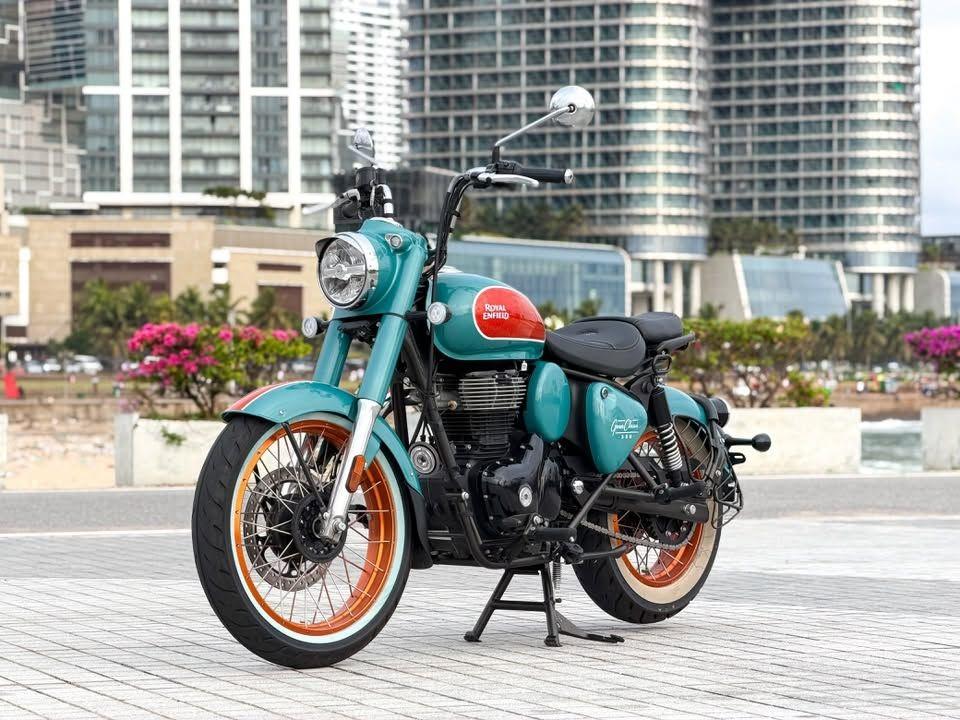
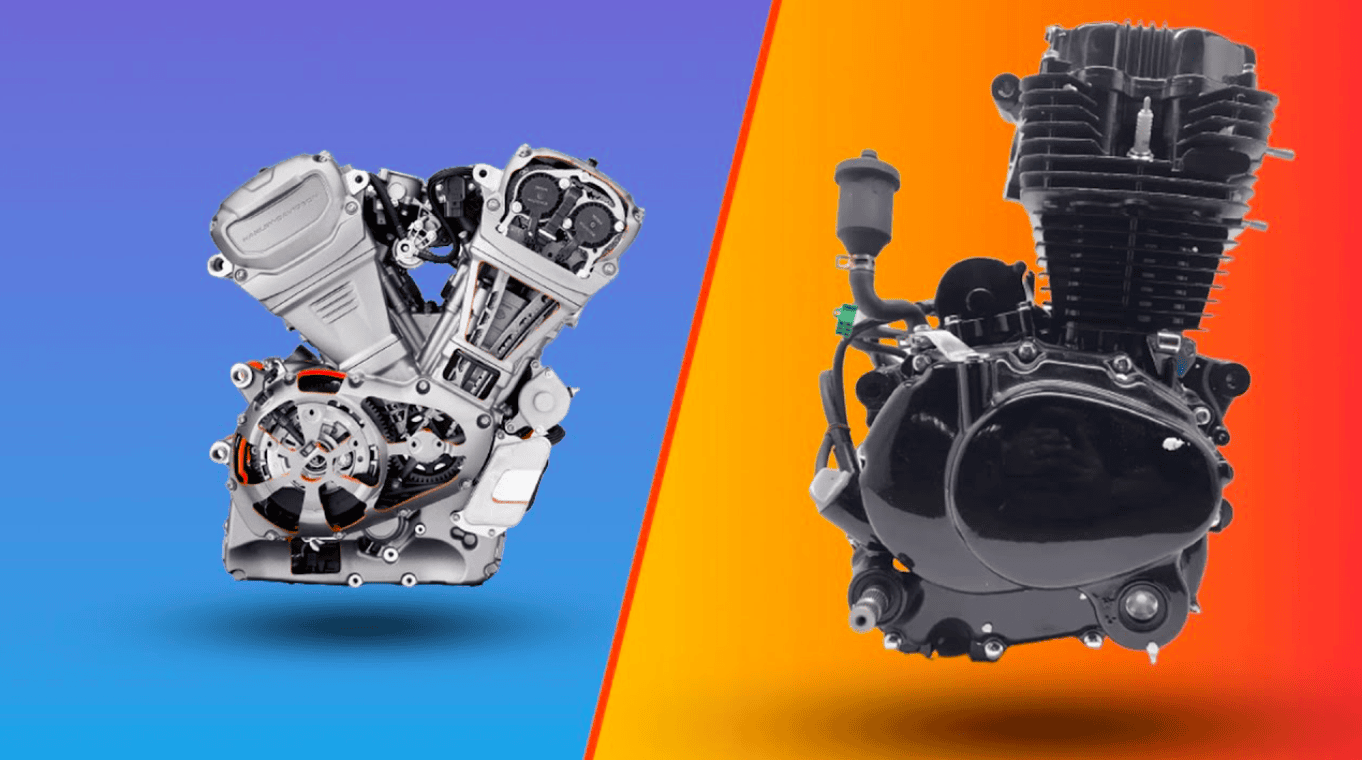
In an air-cooled bike, the engine is cooled directly by the surrounding air. You have likely seen the external "Cooling Fins" (the rib-like structure) on these engines. Maintaining this system is quite simple.
The most important thing is not to let mud or dirt accumulate between these fins. If mud builds up, the wind cannot reach the metal, causing the engine to overheat. Furthermore, using high-quality engine oil is extremely important for these bikes. Since there is no coolant, the engine oil is the only fluid that helps manage the heat in an air-cooled engine. It is also not advisable to keep an air-cooled bike idling in heavy traffic for too long, as the engine does not cool down without the airflow generated by moving forward.
2. Liquid-Cooled Engine Maintenance
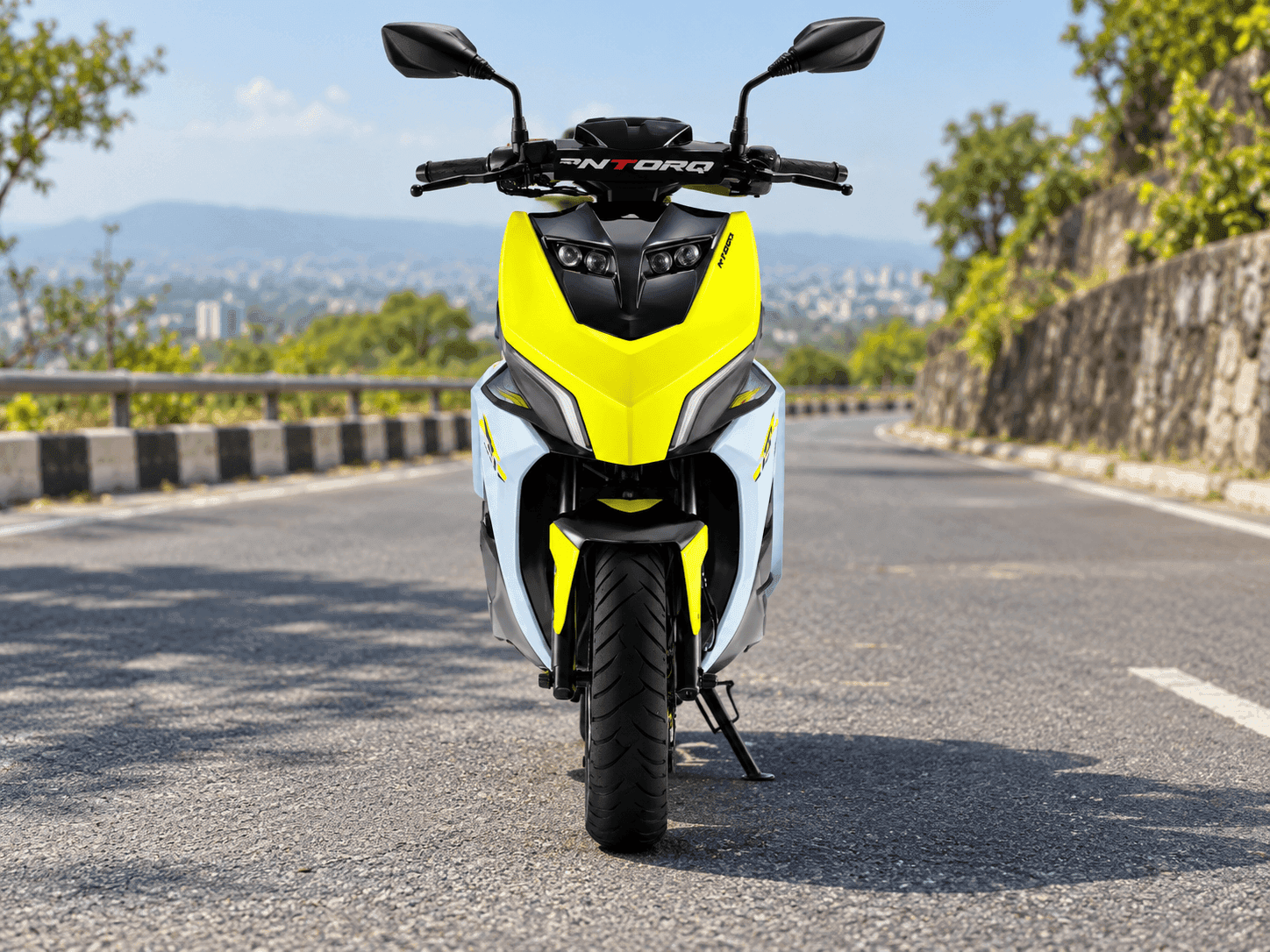
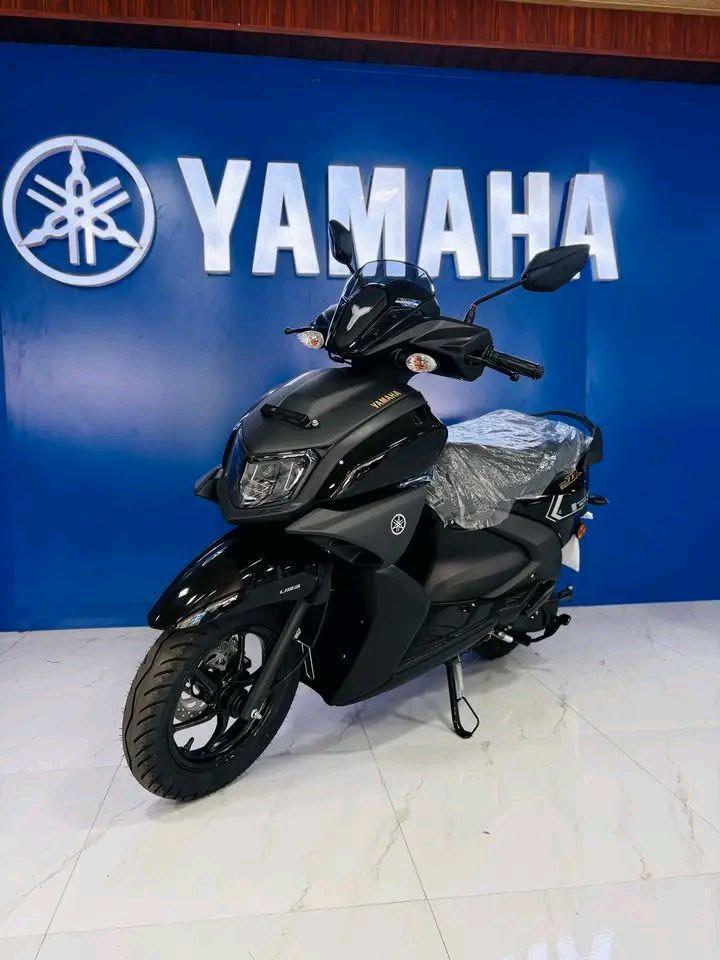
Liquid cooling is a system found in racing bikes, large scooters, and nowadays, even in many standard motorcycles. Here, the engine is cooled using a fluid called "Coolant." You will have to put in a bit more effort to maintain this system.
The main component here is the Radiator. Do not let the small fins on the radiator get damaged. You must check the "Coolant Level" every month and change it at the scheduled time. However, never open the radiator cap while the engine is hot. The pressurized hot water can spray onto your face, causing severe burns.
3. Coolant vs. Regular Water Usage
The biggest mistake many people make is using regular tap water for liquid-cooled bikes. Normal water causes rust inside the engine and can clog the radiator. Therefore, always use the specific "Coolant" type recommended by the manufacturer. This fluid should generally be completely removed (Flushed) and replaced at least every two years. If not, the coolant loses its properties, and the aluminum parts inside the engine may start to corrode.
4. Sensors and Fans
A liquid-cooled bike has a small electric fan (Cooling Fan) located behind the radiator. This should automatically turn on when the engine exceeds a certain temperature. If this fan does not work while you are in traffic, stop the bike immediately and inspect it. Also, always keep an eye on the "Temperature Warning" light on the dashboard. If sensors like the Thermostat in these systems fail, the engine can "Seize" suddenly.
Summary: When comparing air cooled vs liquid cooled motorcycle maintenance, the air-cooled bike is easier due to lower maintenance, but you must be very careful about heat management on long rides. While a liquid-cooled bike costs a bit more to maintain, it helps you ride any distance without losing engine power. The common factor for both is using the correct "Engine Oil" and doing the "Service" on time. If you follow these tips, you can keep your bike running like new for years.

எழுதியவர்
Nisaga Sandaru
A versatile and highly experienced professional, currently an Automobile undergraduate at the University of Jaffna, with strong technical expertise grounded in hands-on work as a technician with SriLankan Airlines Ground Support Equipment (GSE). Holding an Automobile NVQ Level 3 qualification, along with specialized certifications in Vehicle ECU Programming and Diagnosis, and extensive experience in arc welding and vehicle body painting, and well equipped to handle complex automotive, diagnostic, and fabrication-related tasks with a high level of competence.