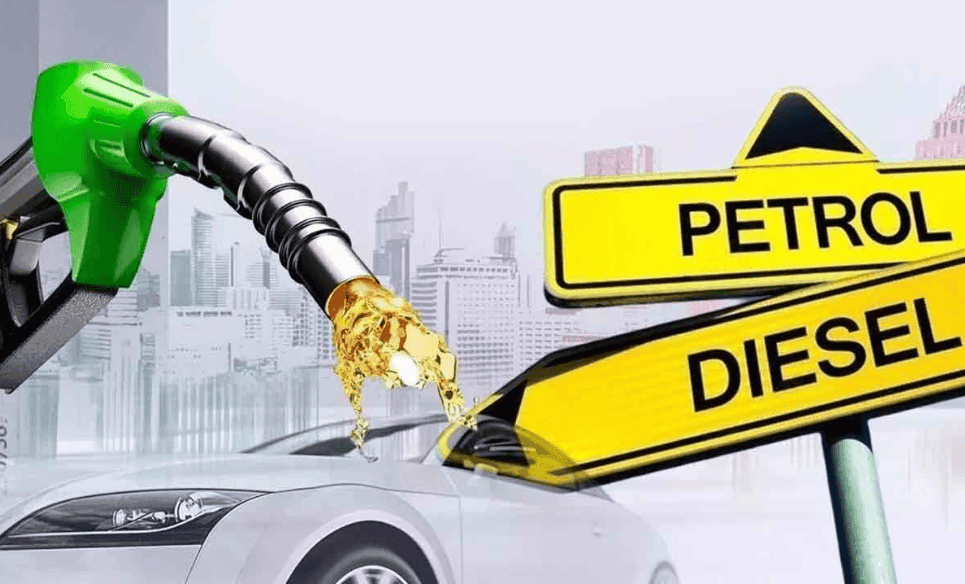
Is Petrol or Diesel Better for Short Distances?

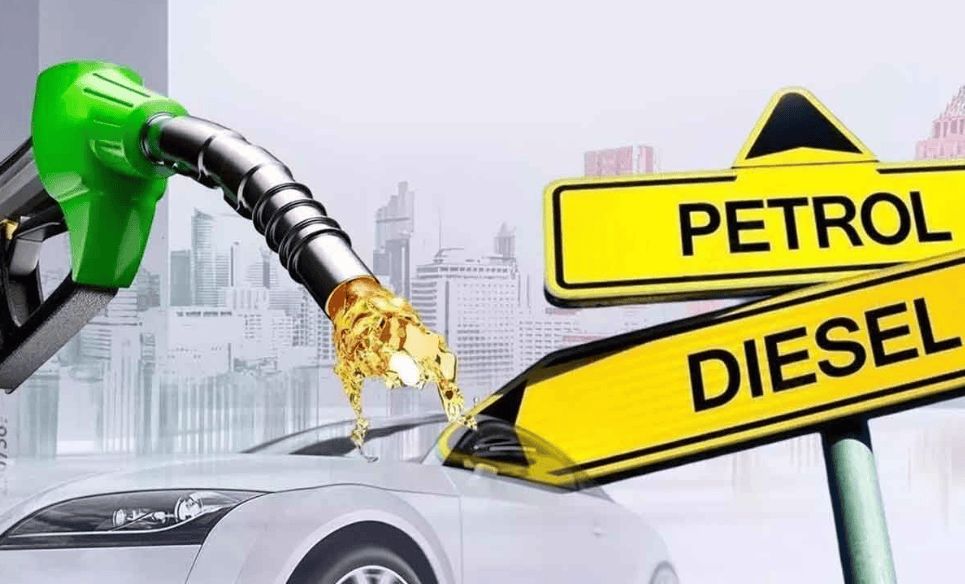
It is truly worthwhile to look into this before buying a vehicle. As Motor Guide, we always say that you should choose a vehicle based on your daily usage. Both petrol and diesel engines have their own pros and cons. Let's look at them clearly, one by one.
Pros and Cons of a Petrol Vehicle
A petrol engine is generally an ideal solution for light usage and short-distance city driving.
Pros:
- Lower initial cost: Usually, a petrol vehicle is cheaper than the exact same diesel model. Therefore, you save a significant amount of money right at the time of purchase.
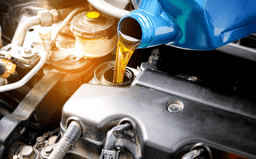
- Lower maintenance costs: Petrol engine parts are simpler. The engine oil capacity is lower, and there are fewer types of filters. Also, they can be easily repaired at almost any garage. Furthermore, a petrol engine reaches its optimal operating temperature very quickly. Because of this, even if you travel short distances, the wear and tear on the engine is minimal.
- Less noise and vibration: One of the most important things is that petrol engines have very low vibration and noise levels. This is a huge relief when you are stuck in heavy traffic.
Cons:
- Lower fuel economy: Compared to diesel vehicles, the number of kilometers a petrol vehicle runs per liter is relatively low.
- Lower torque: When carrying a heavy load or driving up steep hills, the raw pulling power found in a diesel engine cannot be found in a petrol vehicle.
- Higher fuel prices: Since petrol prices are generally higher than diesel in Sri Lanka, your monthly fuel expenses can be higher.
Pros and Cons of a Diesel Vehicle
A diesel engine is like a "workhorse." It is purposely designed for heavy-duty work and long journeys.
Pros:
- Higher fuel efficiency: They offer great fuel economy compared to petrol. A diesel engine runs more kilometers per liter. This is a massive advantage, especially when traveling on the highway or on long trips out of town.
- High torque: Diesel engines produce a lot of torque. For carrying heavy loads or hill climbing, a diesel engine is highly suitable.
- Longer engine lifespan: If properly maintained and frequently driven for long distances, a diesel engine can outlast a petrol engine by many years.
Cons:
- High maintenance costs: Changing the oil in a diesel engine costs more. Also, if expensive components like injectors and high-pressure fuel pumps need to be repaired, it can cost hundreds of thousands of rupees.
- Bad for short trips: Because these engines take a long time to warm up, the probability of carbon buildup and subsequent engine faults is much higher if only used for short-distance driving.
- Noise and vibration: Noise and roughness are very high compared to petrol. A diesel engine is noticeably louder. As the vehicle gets older, the vibration felt inside the cabin can increase significantly.
- Higher purchase price: When buying a vehicle, diesel models are priced much higher than their petrol counterparts.
Petrol or Diesel?
When you are choosing a vehicle, there is a simple calculation you can do. If you drive more than 15,000 kilometers a year and frequently go on long journeys, a diesel vehicle is advantageous. This is because the money saved on fuel will outweigh the higher maintenance costs.
However, if your travels are mostly confined to the city, running only about 10 to 20 kilometers a day, definitely go for a petrol vehicle. This allows you to travel any short distance without fearing for the engine's health, and you will be free from unnecessary and expensive maintenance costs.
Keep these points well in mind. A vehicle is an investment as well as a big responsibility. Choosing the option that best fits your daily routine is the wisest thing to do.

எழுதியவர்
Nisaga Sandaru
A versatile and highly experienced professional, currently an Automobile undergraduate at the University of Jaffna, with strong technical expertise grounded in hands-on work as a technician with SriLankan Airlines Ground Support Equipment (GSE). Holding an Automobile NVQ Level 3 qualification, along with specialized certifications in Vehicle ECU Programming and Diagnosis, and extensive experience in arc welding and vehicle body painting, and well equipped to handle complex automotive, diagnostic, and fabrication-related tasks with a high level of competence.