How Is a Vehicle Made? Understanding the Process and Key Parts

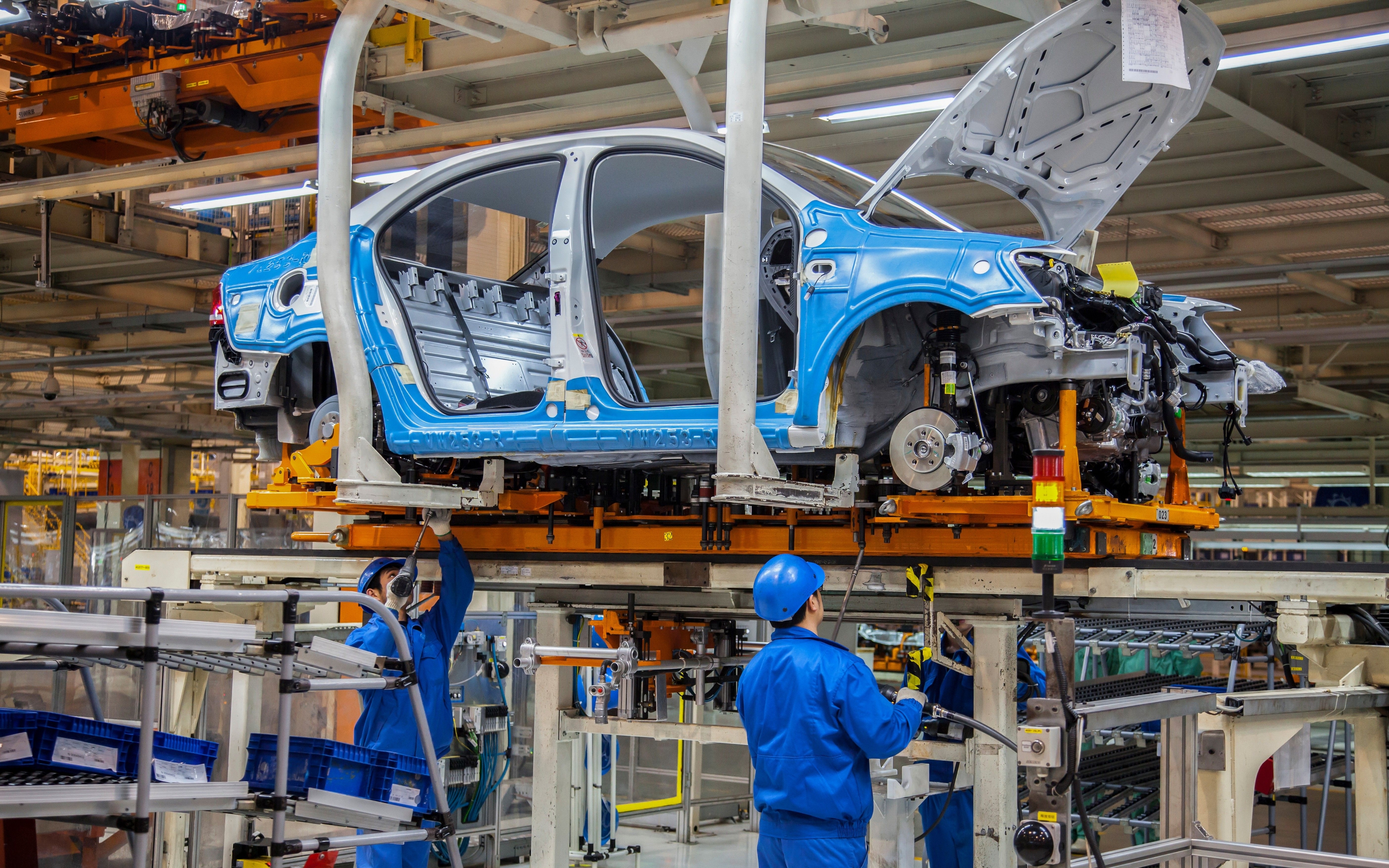
We all dream of owning our own vehicle. Even as children, many of us would say our dream was to buy a car someday. Because of this fascination, we also love to learn about how cars are made. Today, MotorGuide brings you detailed insights into the basic parts of a vehicle and how they all work together to create the machines we rely on daily.
Basic Parts of a Vehicle
A vehicle can be broadly divided into three main parts:
- The engine
- The transmission system
- The vehicle body and chassis system
1. The Engine – The Heart of the Vehicle
The engine is considered the heart of the vehicle because it generates the power needed to move. If the engine is not functioning properly, the overall value and performance of the vehicle drop significantly.
Engines can be classified in several ways:
- According to where the fuel is burned (internal or external combustion)
- Based on design (reciprocating or rotary)
- By number of strokes (two-stroke or four-stroke)
- By fuel type (petrol, diesel, gas, electric)
- By ignition system (spark-ignition or compression-ignition)
- By number of cylinders (single or multi-cylinder)
- By cylinder arrangement (inline, V-type, opposed, W-type)
The engine cannot work alone. It depends on several supporting systems, including:
- Fuel supply system
- Ignition system
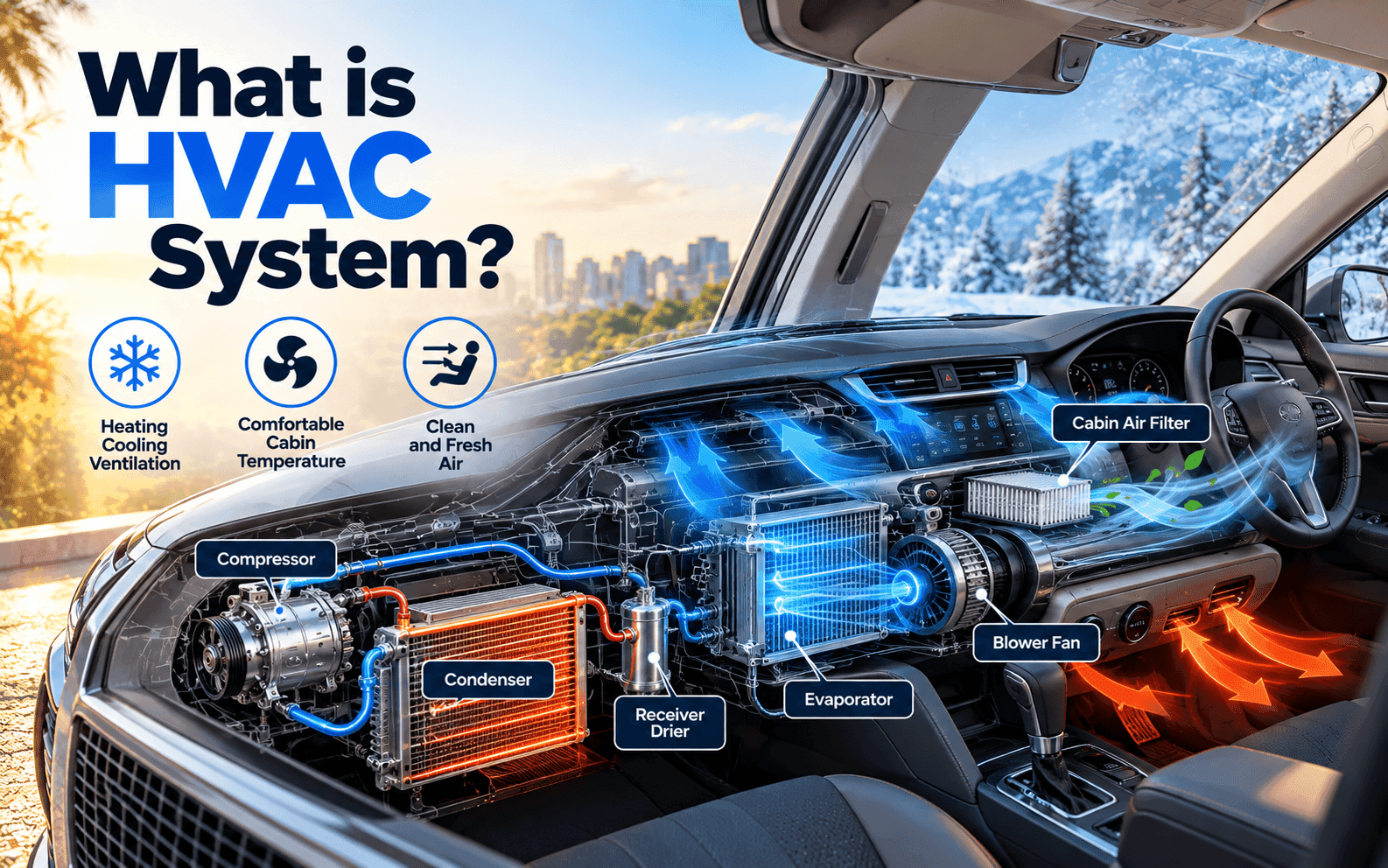
- Cooling system
- Lubrication system
- Emission control system
2. Transmission System – Converting Power into Motion
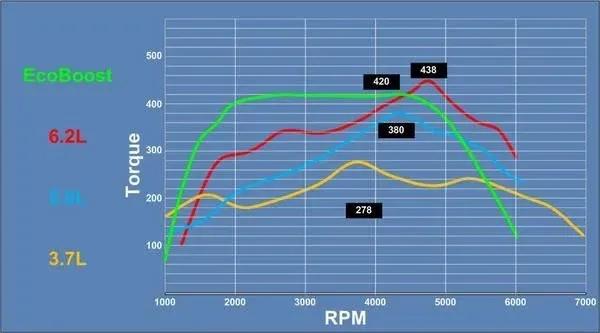
After the engine, the next most important part of a vehicle is the transmission system. The engine generates rotational energy, measured as RPM (Revolutions Per Minute). This energy needs to be converted into torque to move the wheels—and that’s where the transmission system comes in.
Depending on the vehicle, different transmission layouts are used:
- Front-engine, front-wheel drive (FWD)
- Front-engine, rear-wheel drive (RWD)
- Front-engine, all-wheel drive (AWD) / four-wheel drive (4WD)
- Mid-engine, rear-wheel drive
- Rear-engine, rear-wheel drive
The transmission system itself relies on several components to function properly, including:
- Clutch or torque converter
- Gearbox
- Propeller shaft
- Final drive and differential unit
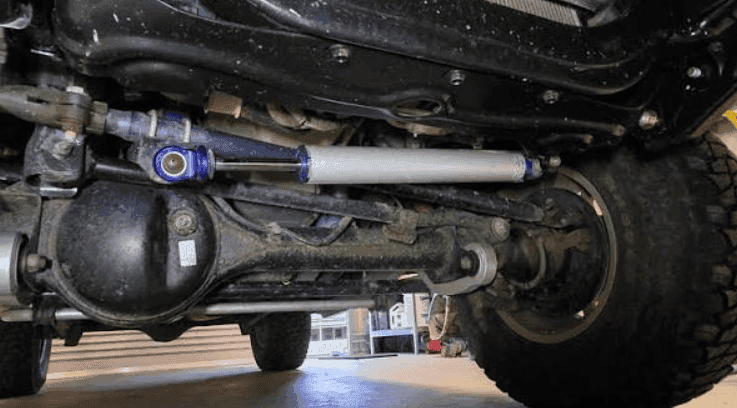
- Drive axle
3. Vehicle Body and Chassis System – The Foundation
The vehicle body and chassis form the foundation of every car. They support the weight of the vehicle and hold together almost 80% of all other components. Without a strong chassis and body, the vehicle cannot function safely or efficiently.
Key systems connected to the chassis and body include:
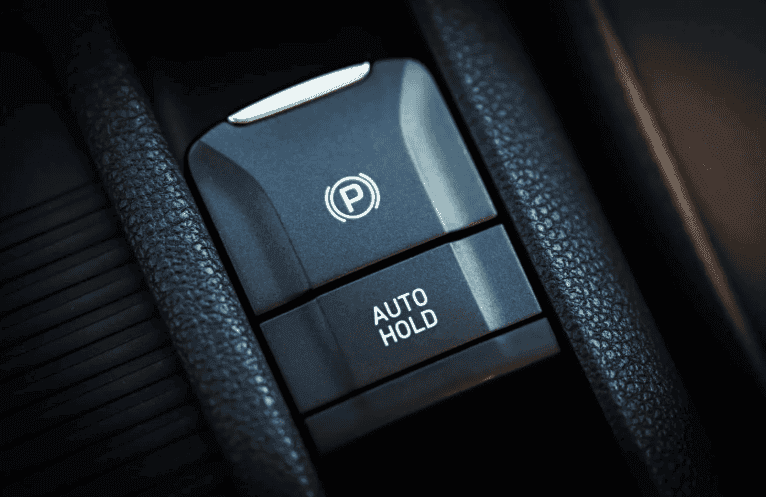
- Braking system
- Electrical system
- Steering system
- Suspension system
- Body frame and structure
From the engine that powers it, the transmission system that transfers energy, to the chassis that supports everything—every part of a vehicle plays a vital role. While cars may look simple on the outside, their inner structure is highly complex. By understanding how a vehicle is made, we can better appreciate the engineering behind the machines we use every day.

எழுதியவர்
Nipuna Marasinghe