What is Mercedes-Benz CAMTRONIC?

If you are a Benz owner or an automotive technology enthusiast, you might have heard of CAMTRONIC technology. Simply put, this is an amazing solution introduced by Mercedes-Benz to increase Fuel Efficiency.
What is Camtronic?
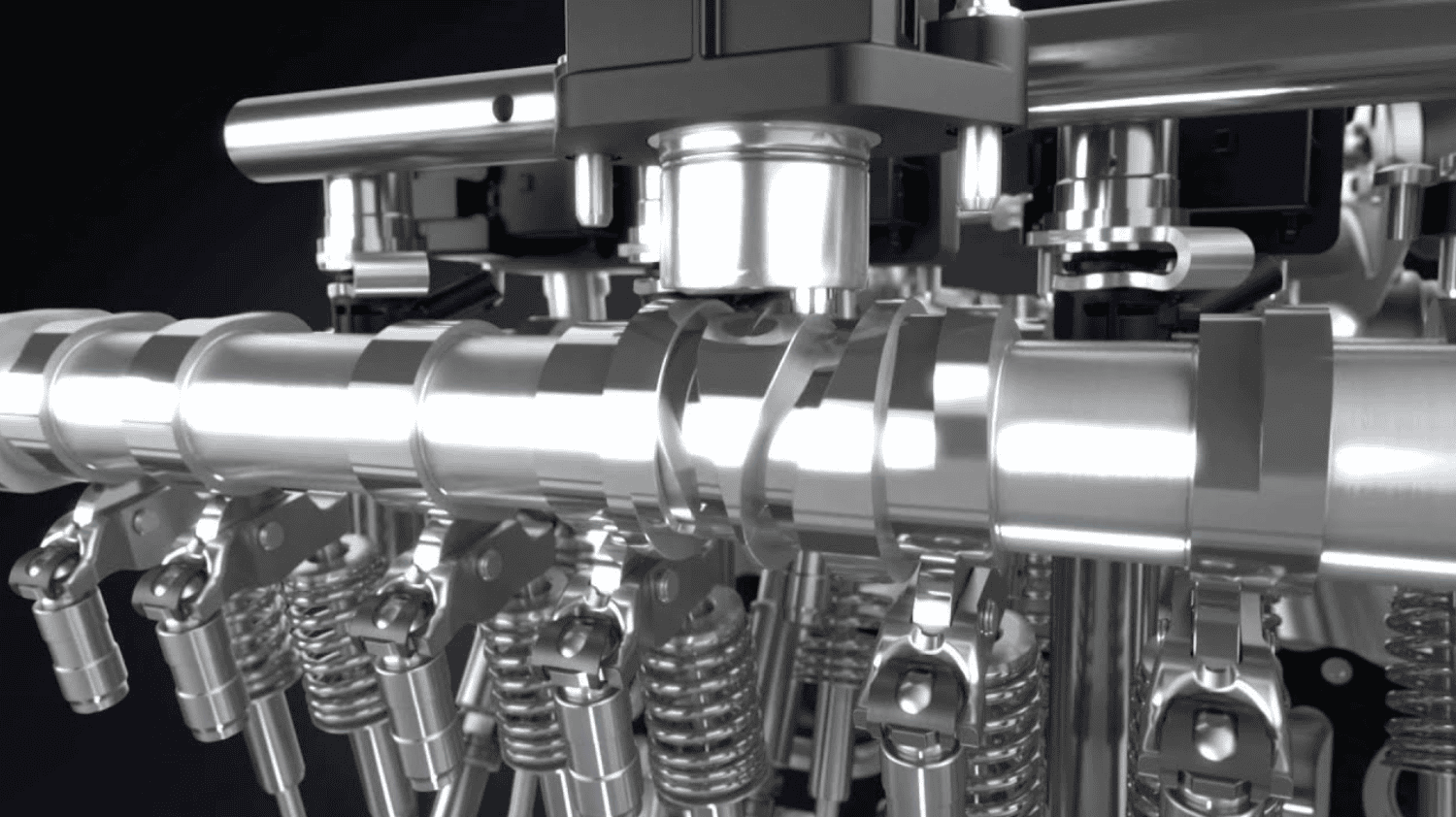
CAMTRONIC is a Variable Valve Lift system. Although it sounds complex, its primary objective is very simple: to adjust the amount of air entering the engine according to necessity.
In a standard engine, the height (lift) and duration that valves open are fixed. However, in the CAMTRONIC system, when the engine is running at lower speeds (Partial Load Range)—like when driving slowly in the city—it reduces the opening height of the Intake Valves.
The main advantages of this are:
- Reduced "Pumping Losses": In a normal engine, when the throttle plate is closed (when you aren't pressing the accelerator), the engine expends a lot of energy trying to suck air in. Since CAMTRONIC reduces valve lift, the throttle plate can remain more open, thereby minimizing the energy wasted by the engine (Pumping Losses).
- Reduced Fuel Consumption: Mercedes-Benz states that a fuel saving of 3% to 5% can be achieved due to this reason.
- Reduced CO2 Emissions: Increased efficiency leads to a reduction in the amount of CO2 released into the environment.
How Does It Work?
CAMTRONIC technology operates using a very precise mechanical method. Let's look at it now.
Switchable Cams
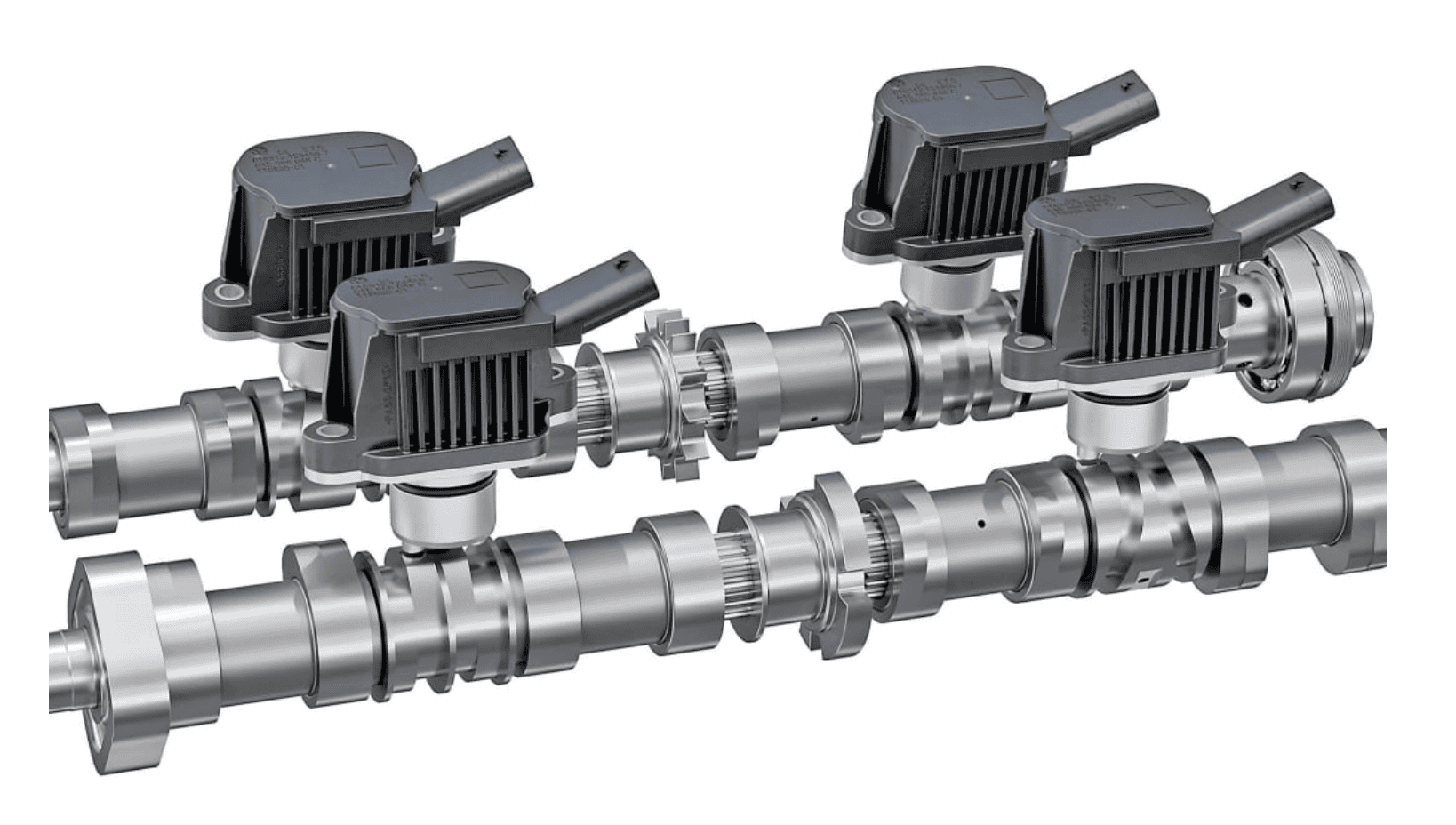
A standard camshaft has only one cam per cylinder. However, in CAMTRONIC, the intake camshaft uses two distinct cam lobes per cylinder:
- The "Big" Cam (High-Lift Cam): Opens the valve to a greater height when more power is needed (when the accelerator is pressed hard).
- The "Small" Cam (Low-Lift Cam): Opens the valve to a lower height when less power is required (during slow driving).
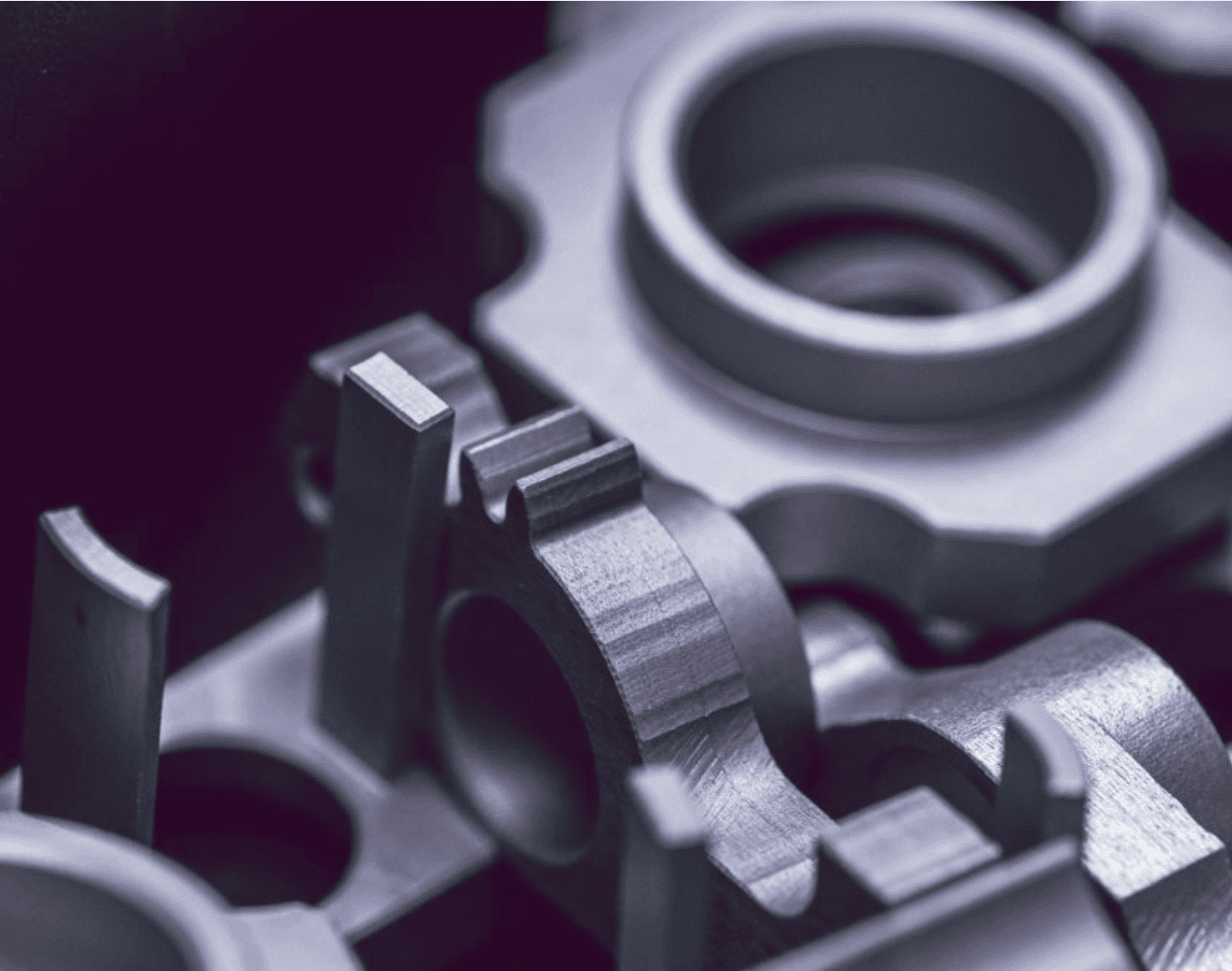
The camshaft consists of several rotating sub-shafts (cam pieces). The small and large cam lobes are located on these sub-shafts. An Electronically controlled actuator, based on commands from the Engine Control Unit (ECU), mechanically slides these sub-shafts axially along the camshaft. Due to this movement, the roller rocker arm that operates the valve switches from the "Big" cam to the "Small" cam or vice versa.
This entire process happens extremely fast—within a fraction of a second—and the driver does not feel this change.
AMG Camtronic: Cylinder Deactivation
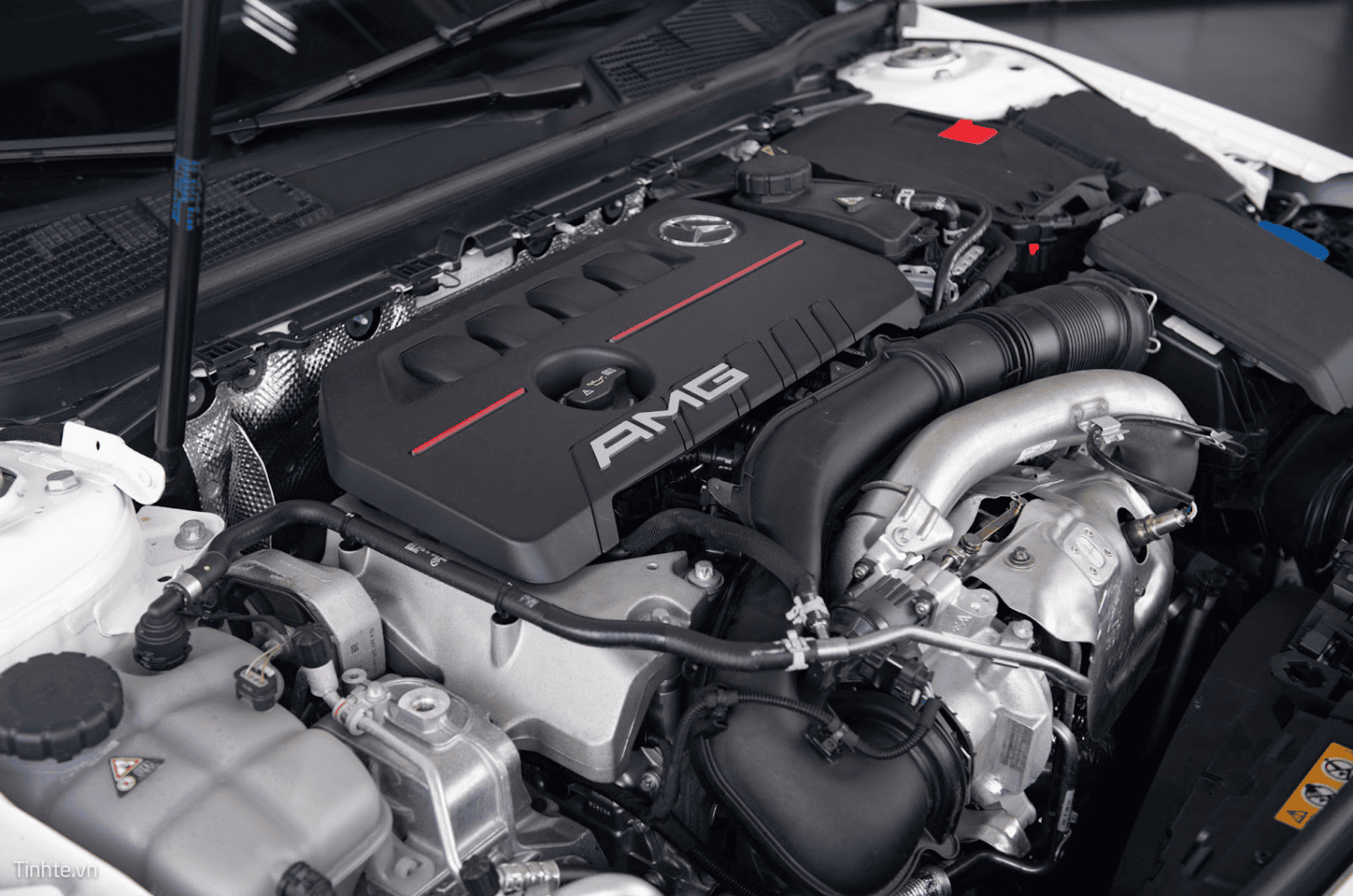
While Camtronic is mainly used to change Valve Lift in standard 4-cylinder engines (M270, M274), it is used for a different function in Mercedes-AMG V8 engines (M177).
In AMG vehicles, the CAMTRONIC system is part of the Cylinder Deactivation system.
- When this V8 engine is driving slowly or under low load, it completely deactivates 4 out of the 8 cylinders (e.g., cylinders 2, 3, 5, and 8).
- In these deactivated cylinders, CAMTRONIC controls the valves using a part known as the "Zero Cam." As a result, the valves do not open. The spark plugs and fuel supply are also stopped.
- At this moment, the engine operates as an efficient 4-cylinder engine. When needed, it instantly switches back to 8 cylinders.
This allows an AMG vehicle to offer high performance as well as good fuel efficiency when required.
Potential Problems with the CAMTRONIC System
Although CAMTRONIC technology is advanced and reliable, like any complex technical system, there are common issues that can arise over time or due to lack of maintenance.
1. Actuator Failure
The main component of the system is the electronic Actuator that moves the camshaft pieces. Issues occur when the electromagnets (solenoids) or mechanical parts inside this actuator fail.
- Symptoms: Check Engine Light (CEL) turns on, Rough Idling, or Poor Acceleration. Diagnostics may show Camshaft Positioning error codes (DTCs) like P0011 or P0014.
2. Switching Mechanism Errors
The mechanical process of shifting cam lobes might not happen correctly. Since this complex mechanism often uses engine oil pressure, neglected oil changes or using low-quality oil can cause blockages or sticking.
- Symptoms: Loss of Power at specific RPMs, clicking or tapping noises, and increased engine vibrations, especially at idle.
3. VVT Solenoids/Oil Control Valves Issues
Since CAMTRONIC is part of the VVT (Variable Valve Timing) system, the solenoids controlling camshaft timing can get damaged or clogged due to dirty oil.
- Symptoms: Poor Fuel Economy and the engine running out of control or stalling.
4. VVT Phaser Issues
The VVT phasers (sprockets) on the front of the camshaft can wear out over time or fail to hold oil pressure correctly.
- Symptoms: Hearing a Rattling Noise during a Cold Start. This should normally stop within a few seconds as oil pressure builds up, but if it happens constantly, there is a problem.
How to Minimize Issues
The best way to protect a complex system like CAMTRONIC is Proper Maintenance.
- Correct Engine Oil: Use only top-quality engine oil recommended by Mercedes-Benz (e.g., MB 229.5 or MB 229.51) with the specific viscosity.
- Regular Oil Changes: Change the oil and filter regularly, before or exactly at the manufacturer-recommended intervals. Clean oil is the lifeblood of the CAMTRONIC system.
- Original Spare Parts: If any repair is needed, use only Original Mercedes-Benz or high-quality OEM spare parts.
If you suspect a problem with the CAMTRONIC system, it is important to refer it to a Mercedes-Benz specialist service, as the system is extremely complex.

எழுதியவர்
Nisaga Sandaru
A versatile and highly experienced professional, currently an Automobile undergraduate at the University of Jaffna, with strong technical expertise grounded in hands-on work as a technician with SriLankan Airlines Ground Support Equipment (GSE). Holding an Automobile NVQ Level 3 qualification, along with specialized certifications in Vehicle ECU Programming and Diagnosis, and extensive experience in arc welding and vehicle body painting, and well equipped to handle complex automotive, diagnostic, and fabrication-related tasks with a high level of competence.