What is Regenerative Braking?

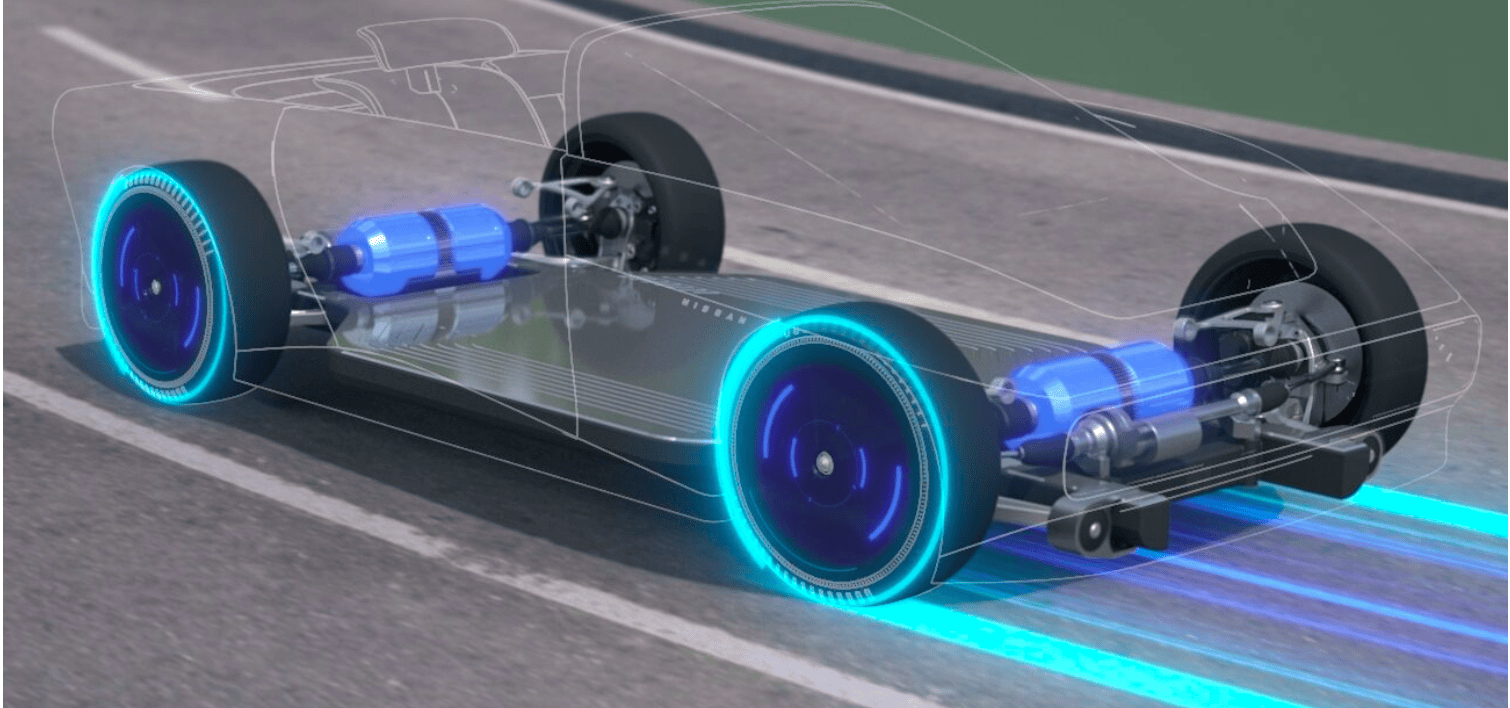
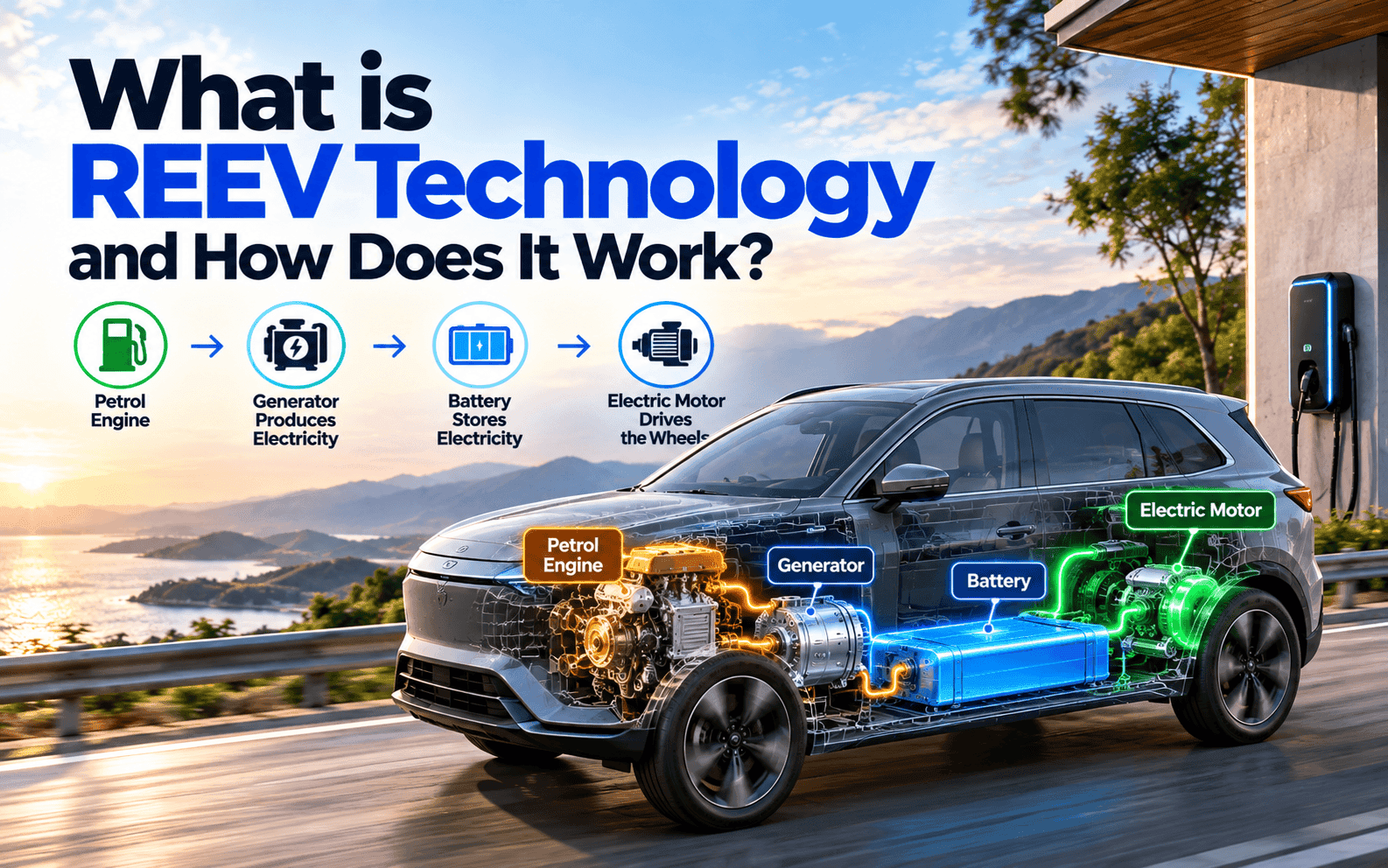
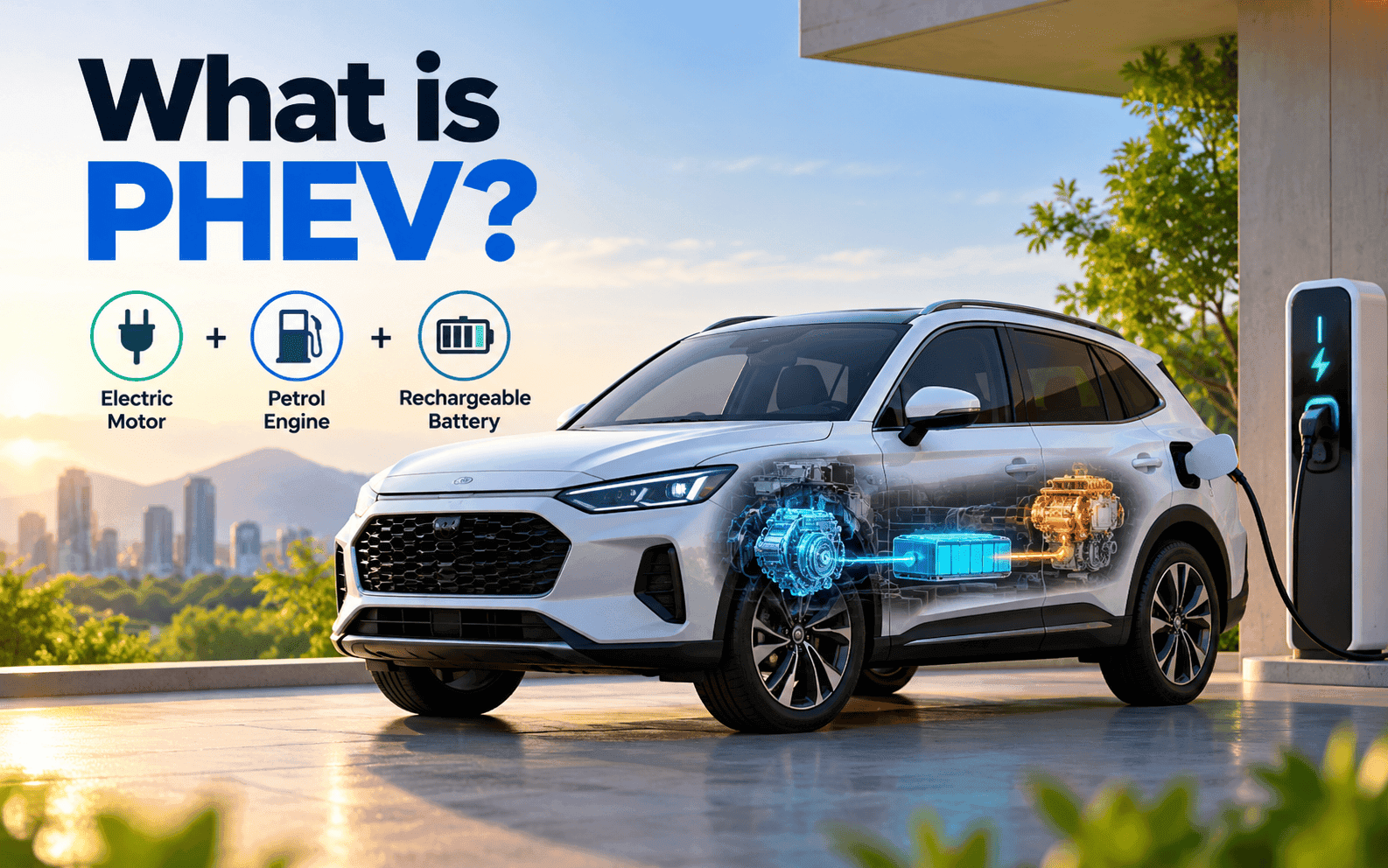
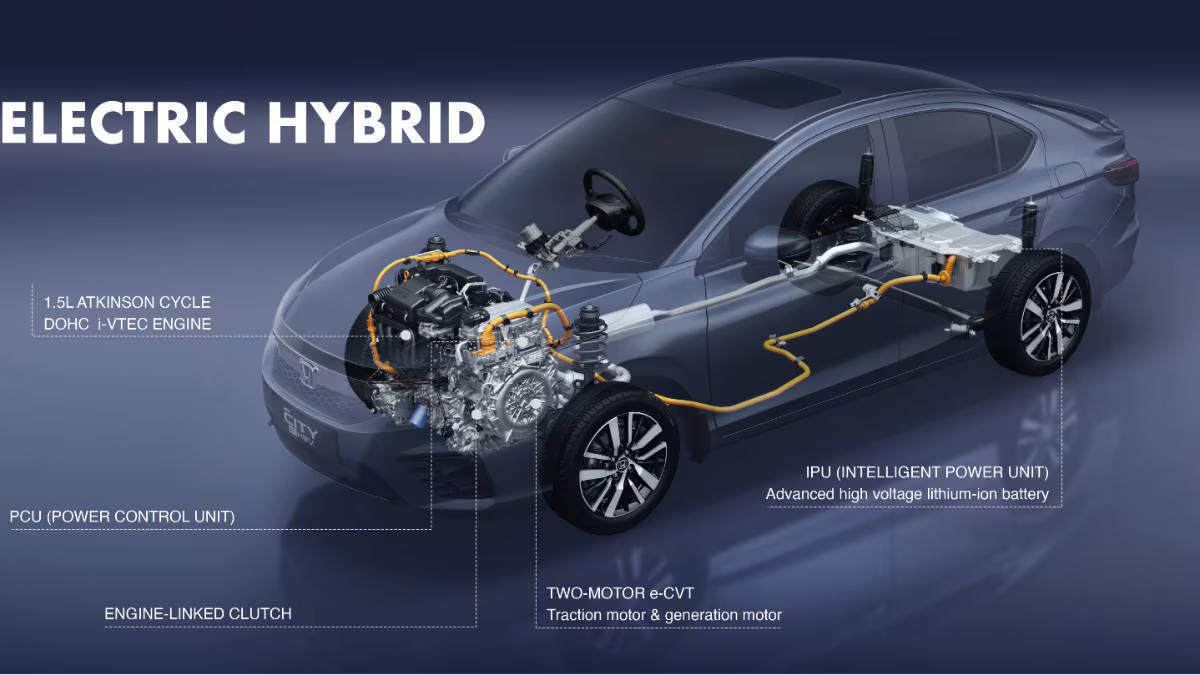
Regenerative Braking is a truly amazing technology found in modern Electric Vehicles (EV) and Hybrid vehicles. Simply put, it is the process of converting the energy usually wasted when a vehicle slows down or stops back into electricity to charge the battery.
In a standard vehicle, when we brake, the friction between the brake pads and the discs converts Kinetic Energy into heat, which is released into the environment. A huge amount of energy is wasted here. However, in a Regenerative Braking system, something different happens. The moment you press the brake pedal or take your foot off the accelerator, the motor driving the vehicle starts acting as a "Generator".
How the Process Works
Technically speaking, when the motor operates in the reverse direction, it generates electricity while controlling the wheel speed. This generated electricity is sent back to the vehicle's main battery system to charge it. Because of this, the distance (Range) the vehicle can travel continuously can be increased. Especially on city roads where stopping and starting is frequent, this method can save a significant amount of fuel or electricity.
Let's Look at Some Advantages
- Increased Battery Life and Efficiency: Since the battery charges while the vehicle is running, efficiency is higher.
- Increased Durability of Brake Pads: Since the motor helps stop the vehicle, the standard brake system is used less. Therefore, brake pads do not wear out quickly.
- Eco-friendliness: Since it minimizes energy wastage, this is considered a very green technology.
However, there are instances where a vehicle cannot be stopped completely and instantly using only Regenerative Braking. Therefore, in every vehicle, this system works together with the standard Friction Brakes.
When you press the brakes very hard or try to avoid an accident, the standard brake system activates to stop the vehicle.
Does It Work If the Battery Is 100% Charged?
This is an important fact many people don't know. When your vehicle's battery is fully (100%) charged, this Regenerative Braking system does not function at its maximum. This is because there is no space in the battery to store the generated electricity. At such times, you have to rely on standard Friction Brakes to stop the vehicle. This works well again once the battery charge drops.
Are There Any Disadvantages?
There aren't really any big disadvantages, but for someone driving an electric vehicle for the first time, the vehicle slowing down suddenly instead of coasting when taking the foot off the accelerator might be a slightly strange experience. However, you get used to it after driving for a few days.
Regenerative Braking and One-Pedal Driving
Let's see how to get the maximum use out of your electric vehicle's battery using Regenerative Braking and One-Pedal Driving.
Vehicle manufacturers have introduced various Driving Modes and technical methods for this. Here are several main ways to increase battery efficiency:
Selecting Regenerative Levels (Regen Modes)
Many EVs (e.g., Hyundai, Kia, Nissan) have Paddles behind the steering wheel. These can control the "intensity" of Regenerative Braking.
- Low/Level 1: Here, when you take your foot off the accelerator, the vehicle coasts for a long distance. This is very efficient when driving on Highways.
- High/Level 3: Here, the vehicle brakes hard as soon as you take your foot off the accelerator. You can recover the maximum amount of electricity to the battery during City driving or when going downhill.
Using 'Eco' Mode
When the vehicle's Eco Mode is activated, it controls the electricity going to the motor and automatically adjusts the Regenerative Braking system to a maximum level. This prevents the battery from draining quickly and adds more energy to the battery with every braking event.
Anticipatory Driving
This is the most important thing. If you identify in advance that a traffic light ahead is red, take your foot off the accelerator early instead of waiting until the last moment to brake hard. Then, while the vehicle slows down slowly, the battery charges. As long as you don't use the standard brake (Friction brake), every such deceleration is a gain for the battery.
Advantage When Going Downhill
When going down a hill in a normal vehicle, you ride the brakes. Then this energy is wasted as heat. But in an EV, if you go down a hill with Regenerative Braking set to the maximum level, you will see that while the vehicle speed is controlled, the battery charge percentage increases. Sometimes, by the time you finish descending a hill, the battery can recharge by 2% - 5%.
When the Battery is Hot (Battery Pre-conditioning)
In extremely cold weather or when the battery is extremely hot, the efficiency of this system can decrease. Therefore, maintaining the battery at the correct temperature (Pre-conditioning) via the vehicle's system allows you to reap the maximum benefits of Regenerative Braking.
Tip: To increase your vehicle's battery Range, use High Regen or One-Pedal Mode in the city. When traveling long distances (Highway), use Low Regen according to need and let the vehicle Coast.

எழுதியவர்
Nisaga Sandaru
A versatile and highly experienced professional, currently an Automobile undergraduate at the University of Jaffna, with strong technical expertise grounded in hands-on work as a technician with SriLankan Airlines Ground Support Equipment (GSE). Holding an Automobile NVQ Level 3 qualification, along with specialized certifications in Vehicle ECU Programming and Diagnosis, and extensive experience in arc welding and vehicle body painting, and well equipped to handle complex automotive, diagnostic, and fabrication-related tasks with a high level of competence.