Solid-State Batteries You Must Know About

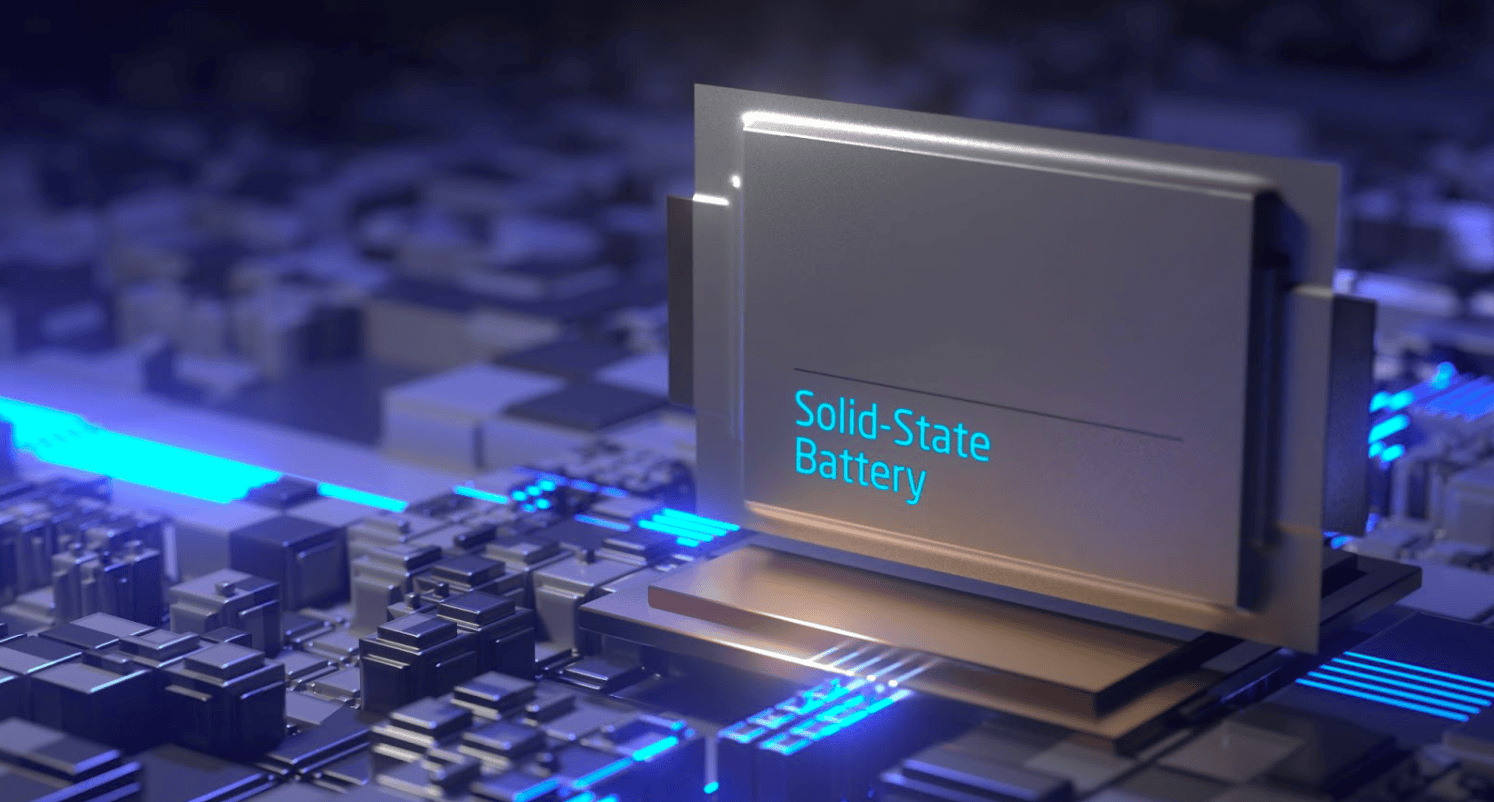
Solid-state batteries are a very important technology that can completely revolutionize our smartphones, laptops, and especially the Electric Vehicle (EV) sector in the future. Simply put, these are much safer and more efficient than the standard Lithium-ion batteries we currently use.
Here are several facts you must know about this technology.
Difference Between Standard Batteries and Solid-State Batteries
The Lithium-ion batteries we currently use contain a liquid substance called "Electrolyte" inside. When a battery operates, particles travel through this liquid. However, in Solid-state batteries, a solid material (Solid ceramic, glass, or polymer) is used instead of this liquid. Due to this change, space inside the battery is saved, and the battery's energy retention capacity also increases.
[Image of solid state battery vs lithium ion battery diagram]Why Are These Batteries So Important?
The main advantage of this technology is Safety. The liquid in standard batteries is highly flammable. If the battery overheats or an accident occurs, that liquid can cause the battery to explode. However, since Solid-state batteries have a solid material, the risk of catching fire is extremely low. Also, these can be charged very quickly (Fast Charging). It is believed that a task taking hours for a standard battery can be done in 10-15 minutes through these batteries.
Higher Capacity and Durability
Another special fact is Energy Density. This means if you take two batteries of the same size, a Solid-state battery can store about twice as much electricity as a standard battery. This is a huge advantage for electric vehicles because, with a single charge, those vehicles will be able to travel twice the distance they currently can. Also, the Lifespan of these batteries is much higher than standard batteries.
What Are the Current Challenges?
Although everything is good, there is a reason why this technology has not yet become widely available to us. That is the high cost of manufacturing them. According to current technology, the cost to build a Solid-state battery is high. Also, the factories required to manufacture these on a large scale are still developing around the world. Giant companies like Toyota and Samsung are already preparing to bring these batteries to the market by 2027-2028.
Solid-state batteries are an environmentally friendly and extremely safe battery technology that will make our lives easier in the future.
Importance for Electric Vehicles (EVs)
Solid-state battery technology is so important to the Electric Vehicle (EV) sector that it is referred to as the "Next Giant Revolution" in this field. It provides solutions to several main reasons why many people currently hesitate to buy EVs.
Its unique importance for electric vehicles can be explained in several points:
1. Doubling the Driving Range
The biggest problem EV users have is "Range Anxiety," or the fear of getting stranded if the battery runs out. The Energy Density of Solid-state batteries is very high. This means if a battery of this type is installed in the same size as the battery pack currently in a vehicle, it will be possible to travel twice the current distance (for example, more than 1000 km) on a single charge.
2. Ultra-fast Charging
Even the best current EV takes from 30 minutes to several hours to fully charge. However, the specialty of Solid-state batteries is the ability to fully charge the battery in a very short time, like 10-15 minutes, similar to the time it takes to pump fuel into a petrol vehicle. This makes EV usage extremely convenient.
3. Elimination of Fire Risk
We know that sometimes we hear news about EV batteries overheating and catching fire. The reason for this is the liquid Electrolyte in Lithium-ion batteries. But since Solid-state batteries do not have flammable liquids and can withstand high heat, the Safety of vehicles remains at a maximum level. Because of this, vehicle manufacturers can also reduce the weight of complex Cooling systems required to cool the battery.
4. Saving Battery Weight and Space
Generally, the heaviest part of an EV is the battery. Since Solid-state batteries are smaller and lighter, the vehicle's weight decreases. When a vehicle's weight decreases, its efficiency automatically increases, and designers also get the opportunity to create more space inside the vehicle.
Companies like Toyota have already stated that their future vehicles with Solid-state batteries will be able to charge in 10 minutes and travel about 1200 km.

எழுதியவர்
Nisaga Sandaru
A versatile and highly experienced professional, currently an Automobile undergraduate at the University of Jaffna, with strong technical expertise grounded in hands-on work as a technician with SriLankan Airlines Ground Support Equipment (GSE). Holding an Automobile NVQ Level 3 qualification, along with specialized certifications in Vehicle ECU Programming and Diagnosis, and extensive experience in arc welding and vehicle body painting, and well equipped to handle complex automotive, diagnostic, and fabrication-related tasks with a high level of competence.