EV and BMS

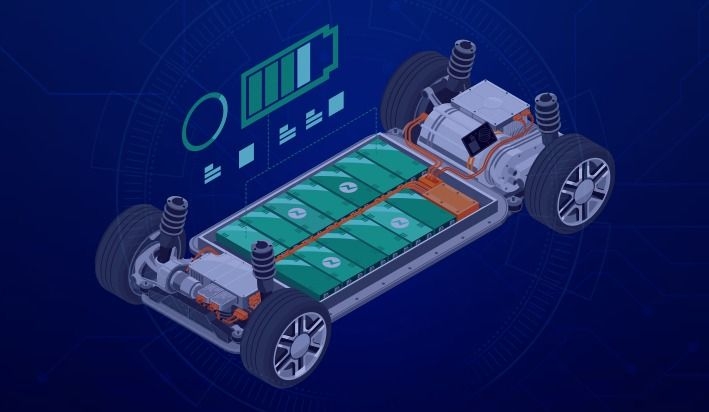
Electric Vehicles (EV) are a hot topic these days all over the world, including Sri Lanka. When talking about an electric vehicle, there is one crucial component we cannot forget, often referred to as the "brain" of the vehicle: the BMS, or Battery Management System. Let's discuss this simply today.
What exactly is an EV?
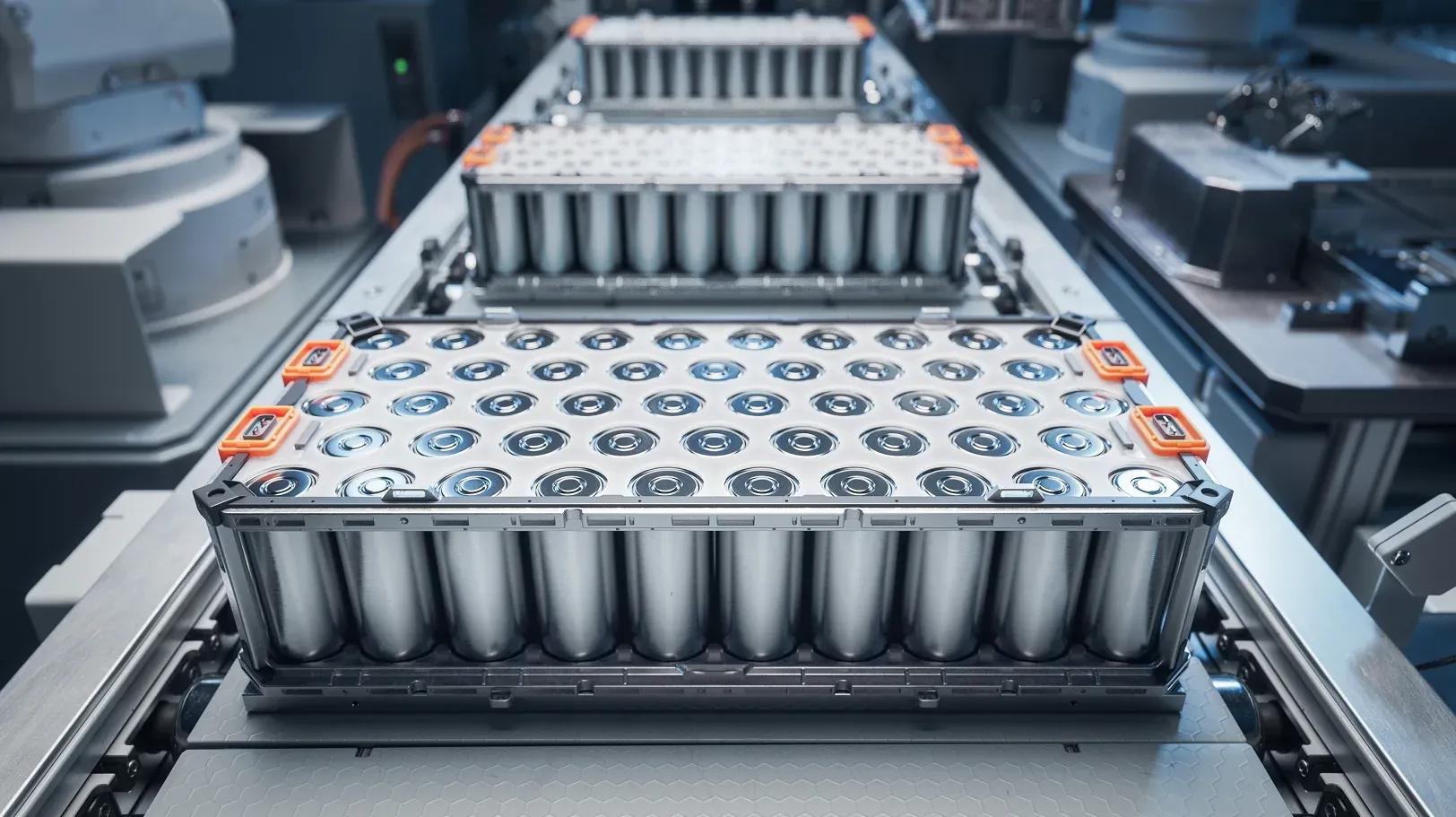
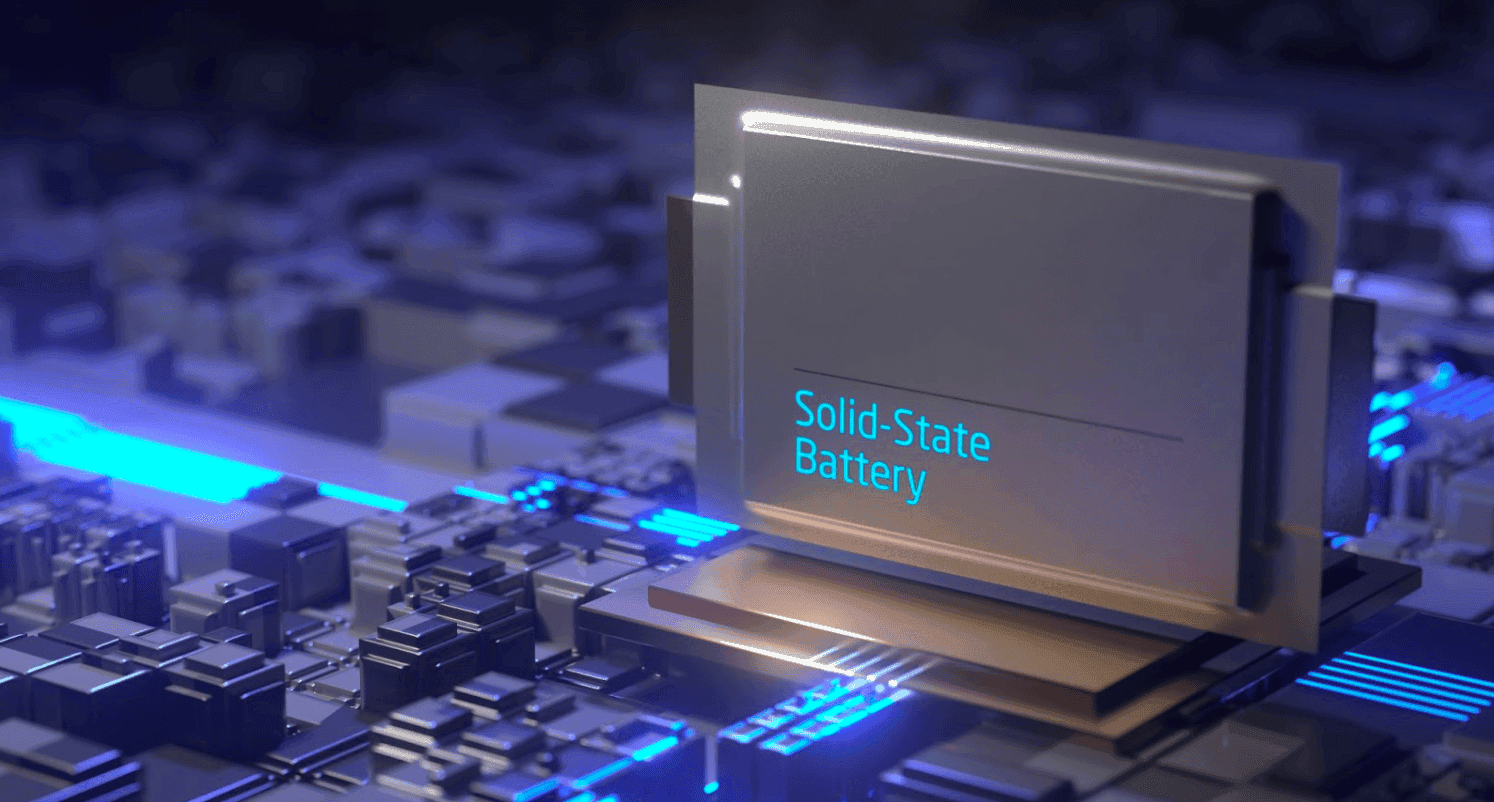
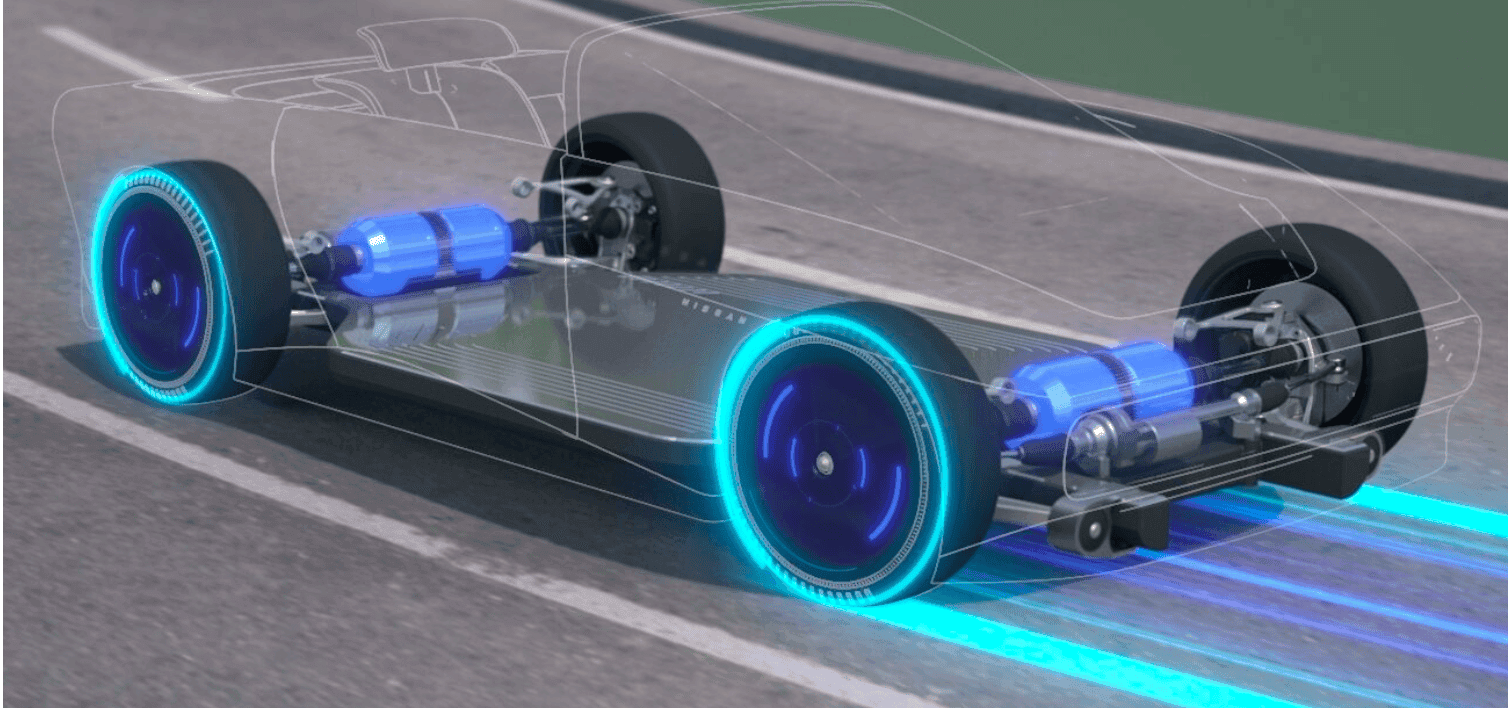
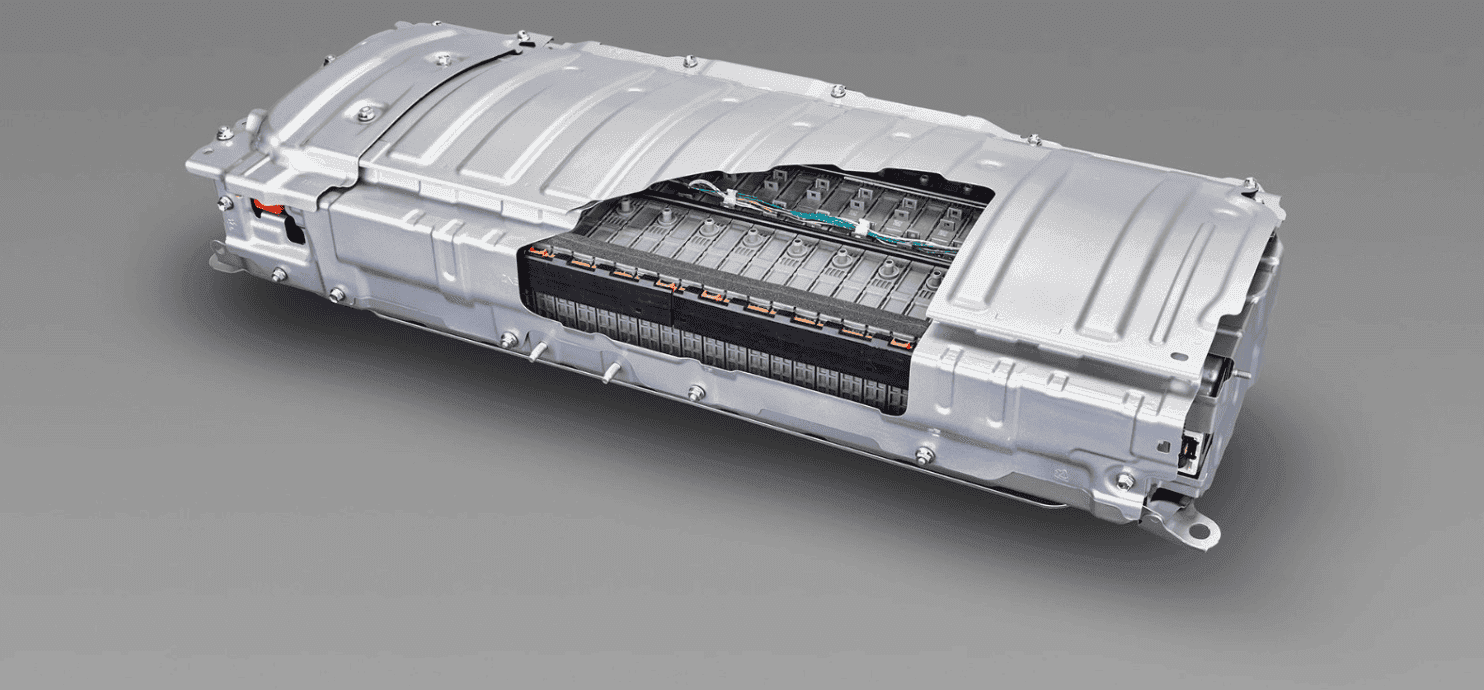
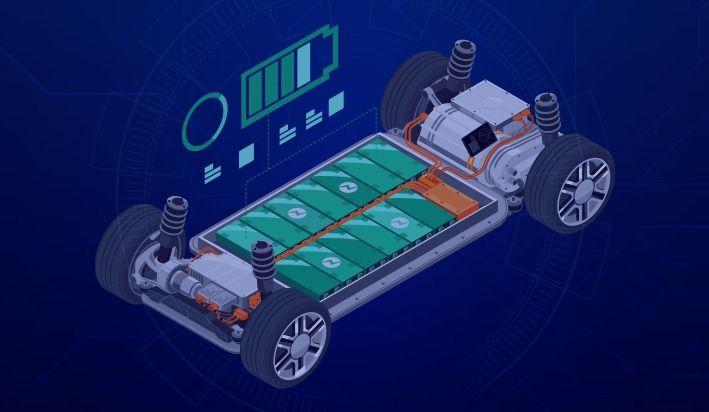
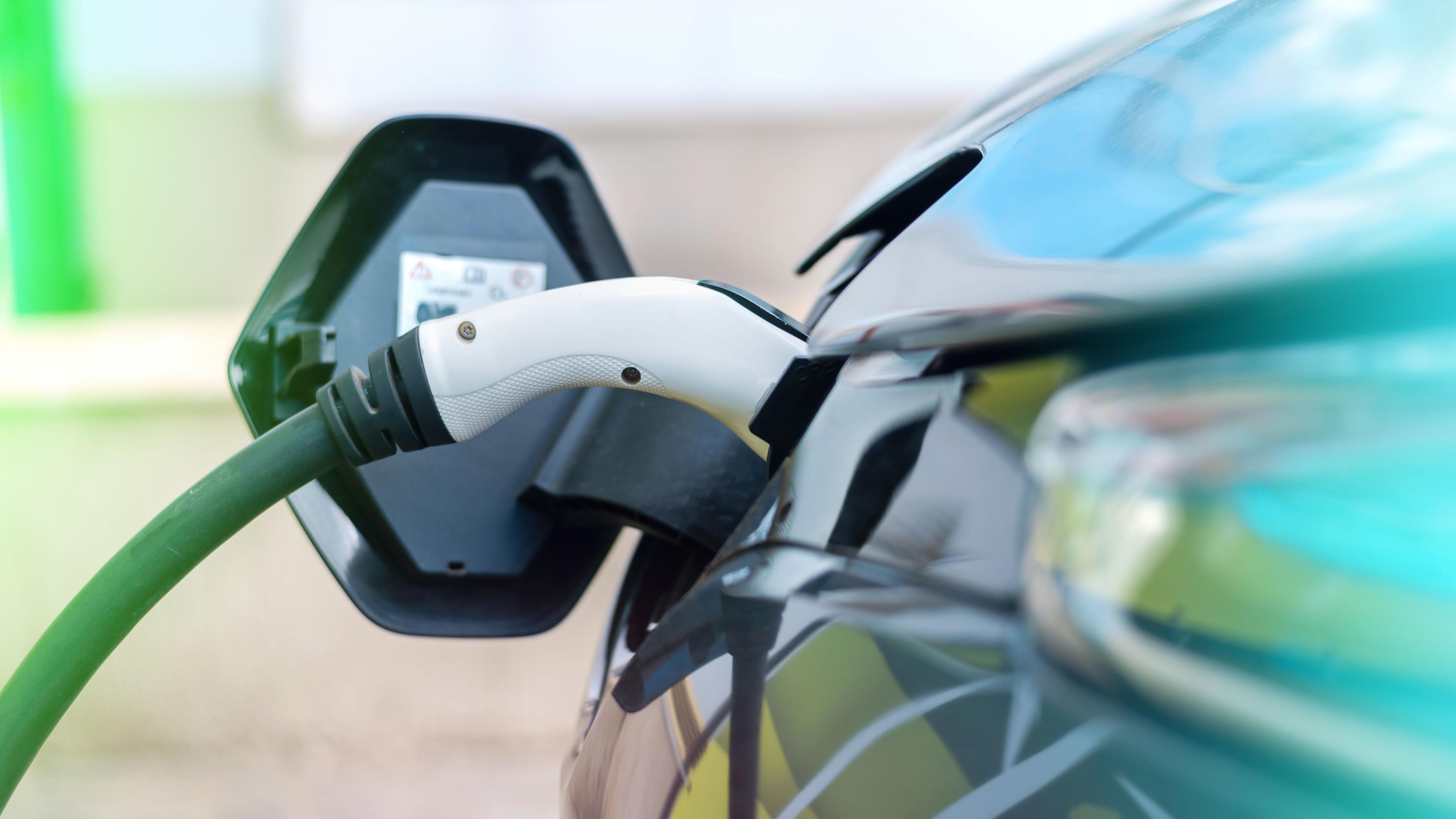
Simply put, instead of the fuel tank found in a regular vehicle, an EV has a large Battery Pack. The electricity from this battery spins the vehicle's motor and powers the wheels. Since no smoke is emitted from the vehicle, the harm to the environment is minimal. However, this battery pack is something slightly more complex and sensitive than we might think.
What is this BMS?
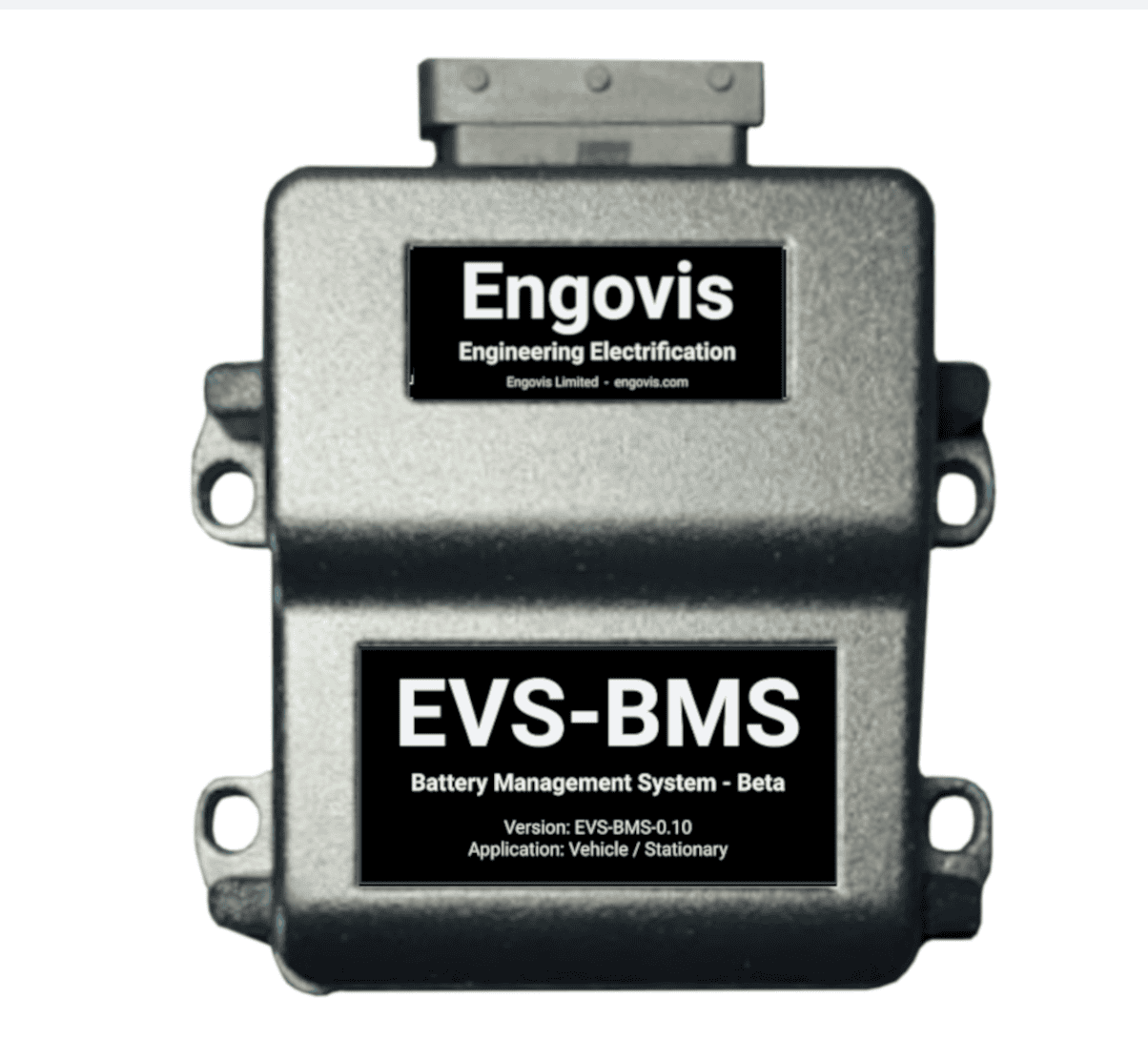
You might know that an EV battery is made up of thousands of small battery Cells combined. Someone needs to check every second if every one of these cells is working properly, how their heating is, and how the electricity flows to them. The electronic system that does that job is called the BMS (Battery Management System).
The Main Tasks Performed by the BMS
The role of the BMS can be divided into several parts:
- Protection: The BMS works to prevent the battery from Overheating, Overcharging, or draining completely to zero (Deep Discharging). If the battery shows signs of danger, it can immediately disconnect the power.
- Cell Balancing: In a battery pack, if one cell charges more and another charges less, the battery's lifespan can decrease. The BMS maintains the electricity in every cell at an equal level.
- Monitoring: The BMS accurately calculates the "Range" (how many more kilometers you can go) and the battery percentage shown on the dashboard while you are driving.
Why is the BMS Important?
About 40% of the cost of an electric vehicle goes into the battery. So, to use that expensive battery for many years, it needs to be maintained correctly. Without a BMS, there is even a possibility of the battery exploding or catching fire. Therefore, the BMS is indispensable for the vehicle's safety as well as yours.
In short, if the battery is the heart of an EV, the BMS is the brain that decides the speed and method at which that heart should beat.
Common Problems with EV Batteries and BMS
Like any technological tool, Electric Vehicles (EVs) can develop various faults over time. Let's talk about several major problems that can arise, especially related to the battery and the BMS.
Battery Degradation
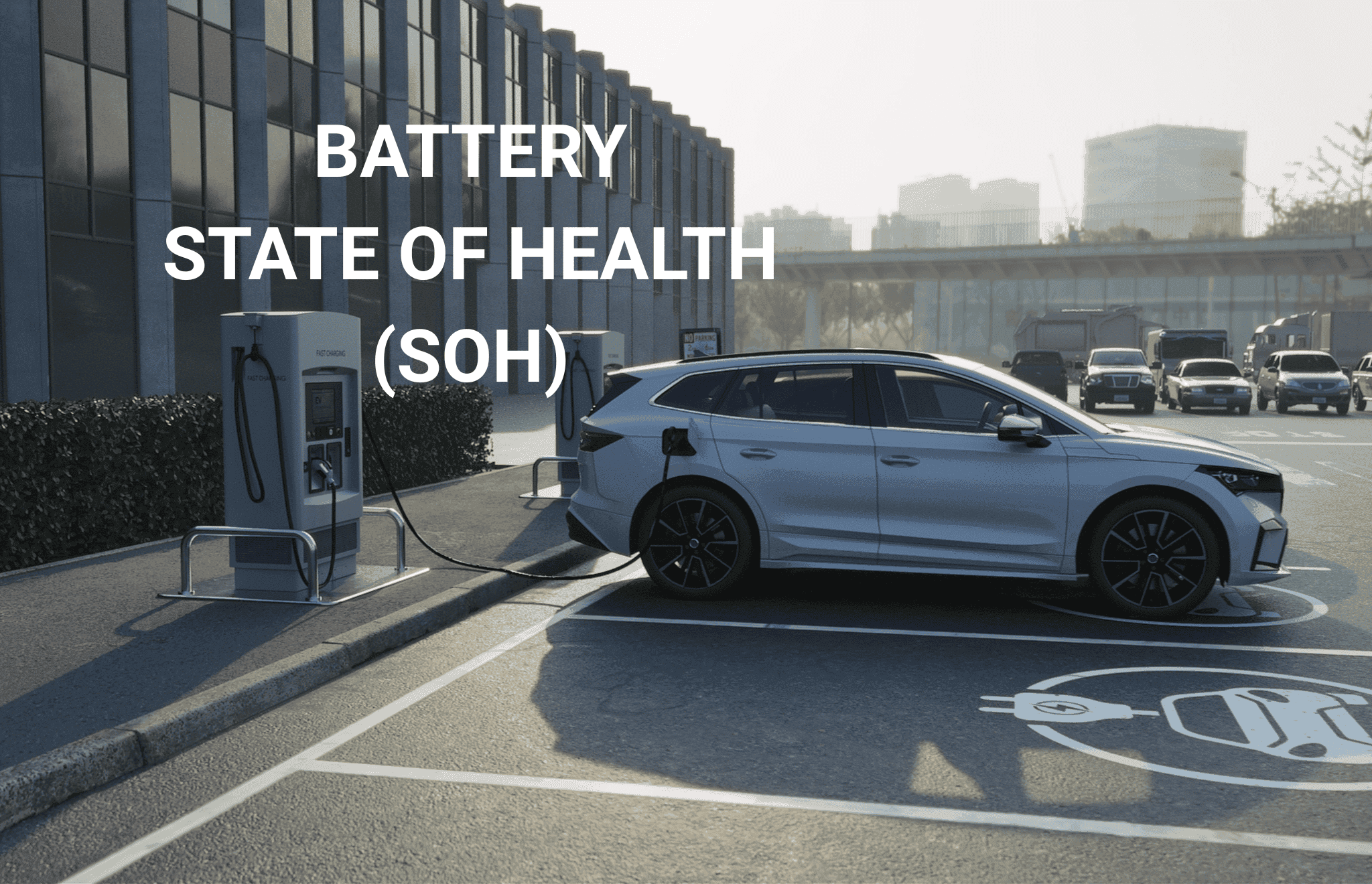
Just like a normal phone battery life decreases over time, an EV battery also weakens with time. We call this a reduction in SOH (State of Health). The reasons for this include frequent use of Fast Charging, parking the vehicle in excessively hot places, and frequently letting the battery drain to 0%.
As a result, the distance you could travel previously (Range) might gradually decrease.
Cell Imbalance
As we discussed earlier, there are thousands of cells inside a battery pack. Sometimes, one or a few cells might charge or discharge faster than others. When this happens, the BMS cannot make correct decisions about the battery. There is a possibility of a Sudden shutdown of the vehicle even when the dashboard shows 20% battery remaining.
BMS Sensor/Software Failures
The BMS is an electronic circuit. If faults occur in its Sensors, incorrect data is sent to the vehicle's computer. Due to incorrect temperature readings, the vehicle might go into "Turtle Mode" (a state of very low speed) even when the battery is not hot. Or, charging issues (Charging errors) might arise.
Thermal Management Issues
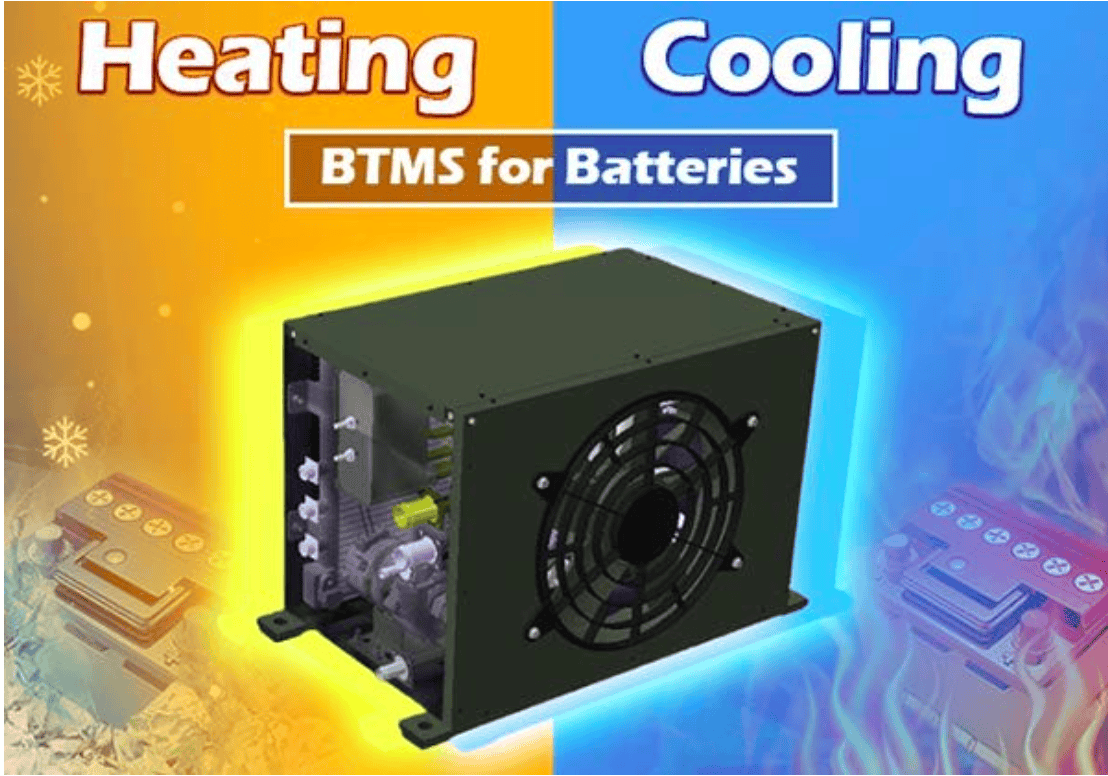
Most EVs have systems using Coolant (fluids) or air to keep the battery cool. If there is a Coolant leak or if Cooling Fans do not work, the battery heats up quickly. This can rapidly reduce the battery's lifespan and, in severe cases, cause the battery to catch fire.
Wiring & Connection Issues
Due to vibrations while driving and rust (Corrosion), wires connecting battery cells can become loose or break.
Here, the Internal Resistance of the battery pack increases, and the battery starts to heat up.
How to Avoid These Faults?
- Try to maintain the battery level between 20% and 80% at all times.
- Do not park the vehicle in excessively hot places.
- Charge the battery to 100% once every few months (This helps the BMS with Cell Balancing).
- Perform vehicle Software Updates as required.

எழுதியவர்
Nisaga Sandaru
A versatile and highly experienced professional, currently an Automobile undergraduate at the University of Jaffna, with strong technical expertise grounded in hands-on work as a technician with SriLankan Airlines Ground Support Equipment (GSE). Holding an Automobile NVQ Level 3 qualification, along with specialized certifications in Vehicle ECU Programming and Diagnosis, and extensive experience in arc welding and vehicle body painting, and well equipped to handle complex automotive, diagnostic, and fabrication-related tasks with a high level of competence.