Can Vehicles Be Modified?

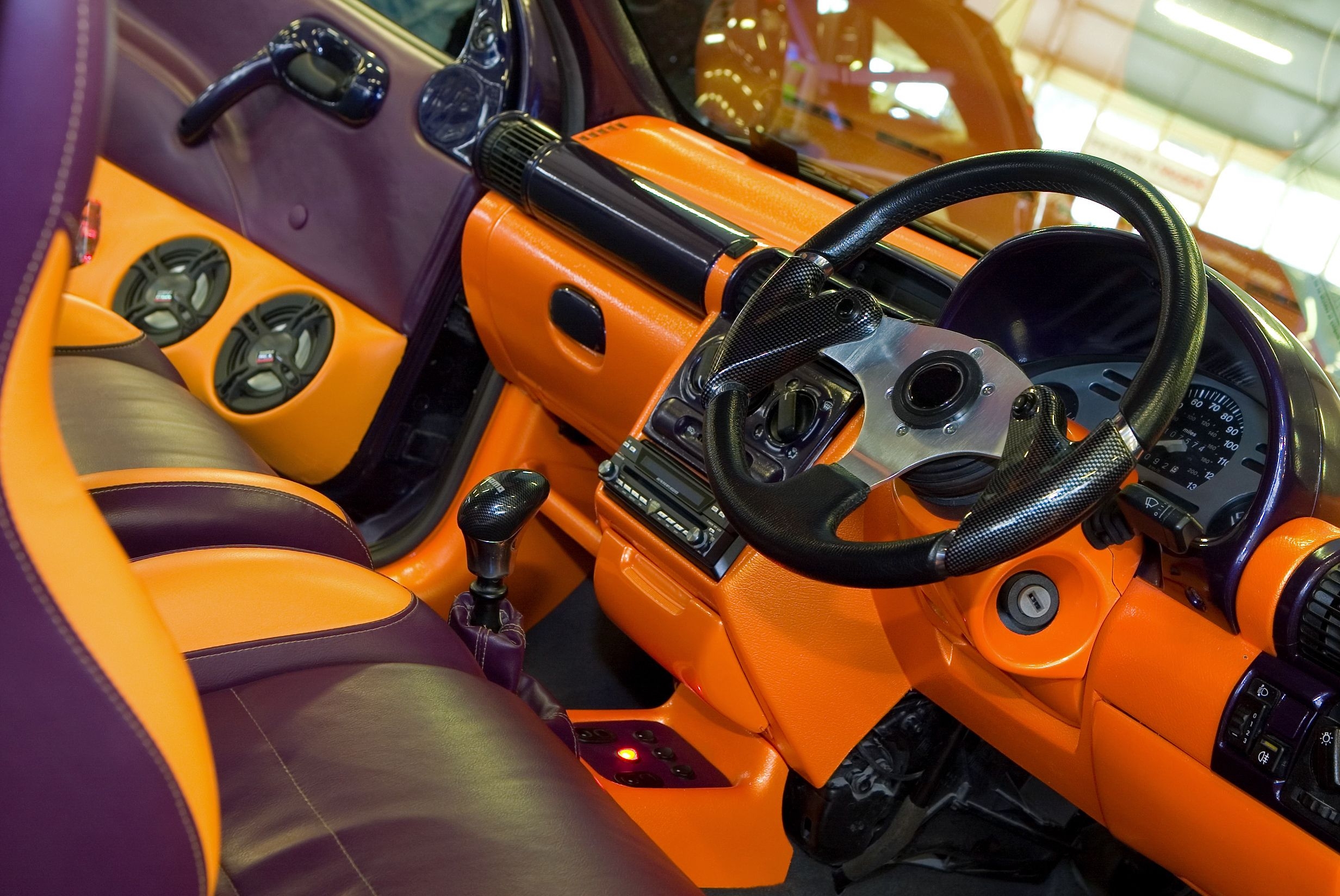
Many people dream of owning a vehicle. However, with the current situation in Sri Lanka, buying a brand-new vehicle can be financially challenging. As a result, many buyers turn to second-hand vehicles. Often, these vehicles are modified by adding new parts, stickers, or accessories. But this raises an important question: is vehicle modification legal? Today, MotorGuide explains what you need to know.
First, Legal Permission
Before making any modifications, it is essential to obtain legal permission. According to Section 19 of the Motor Vehicles Act, specific rules define how a vehicle can be modified. Any modification must first receive prior approval from the Commissioner of Motor Vehicles.
These laws exist to ensure the safety of both the passengers inside the vehicle and other road users. Modifying a vehicle without approval can lead to legal complications.
Types of Vehicle Modification
Vehicle modifications generally fall into two main categories:
1. Performance Modifications
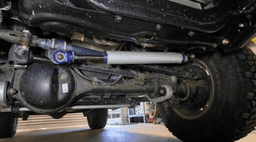
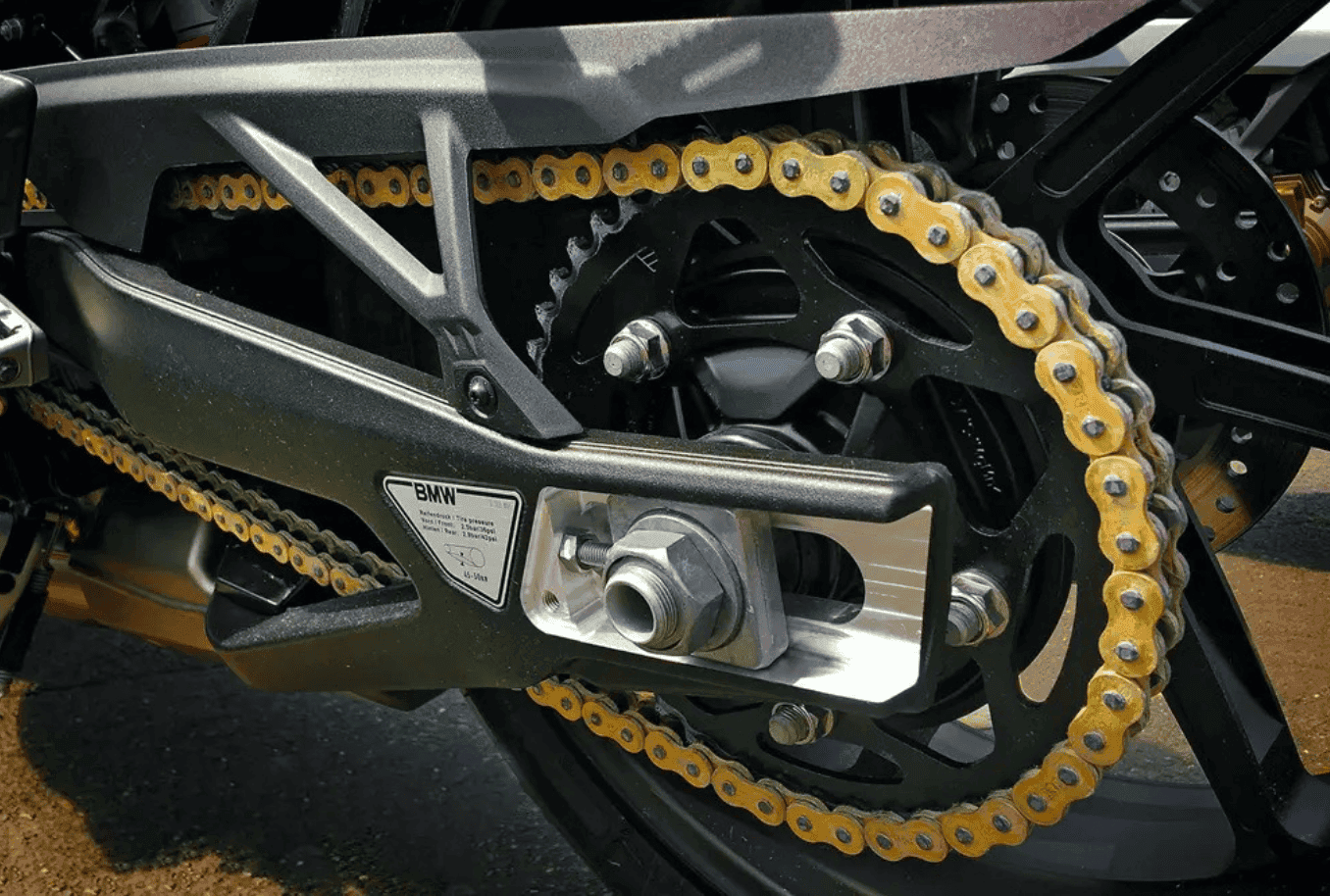
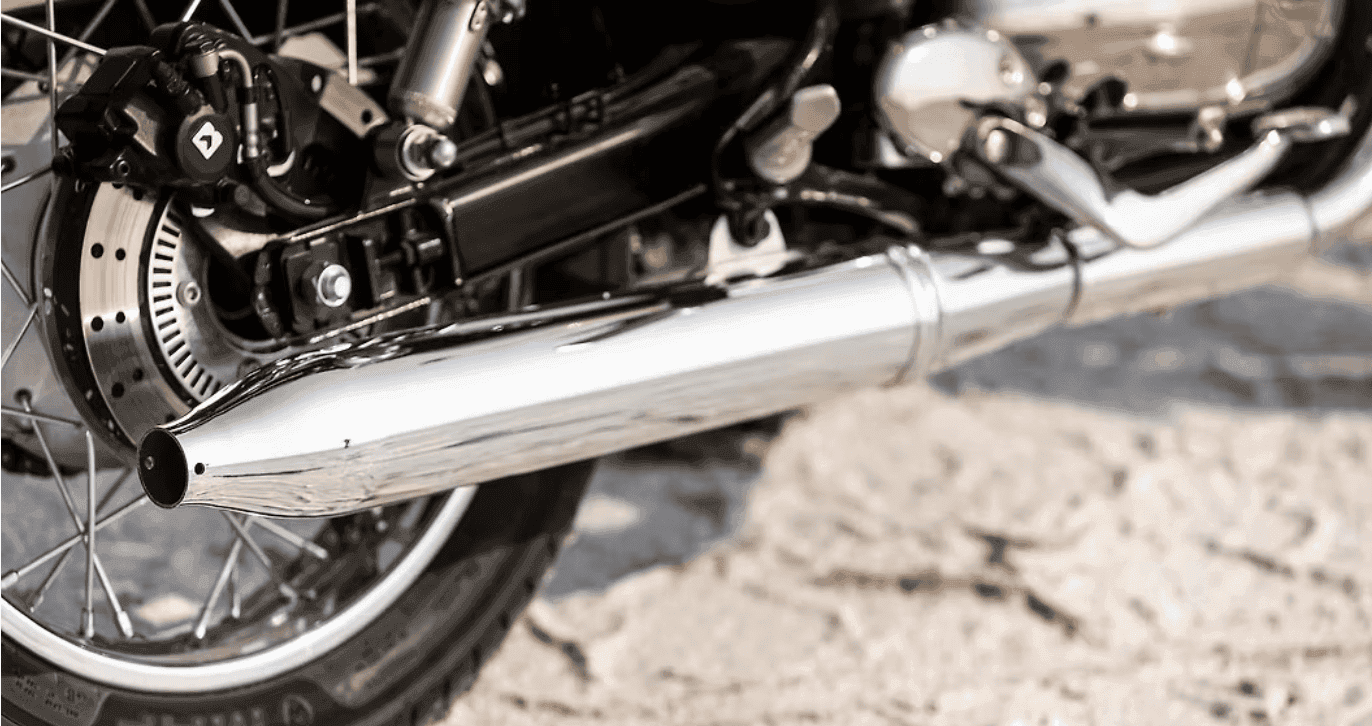
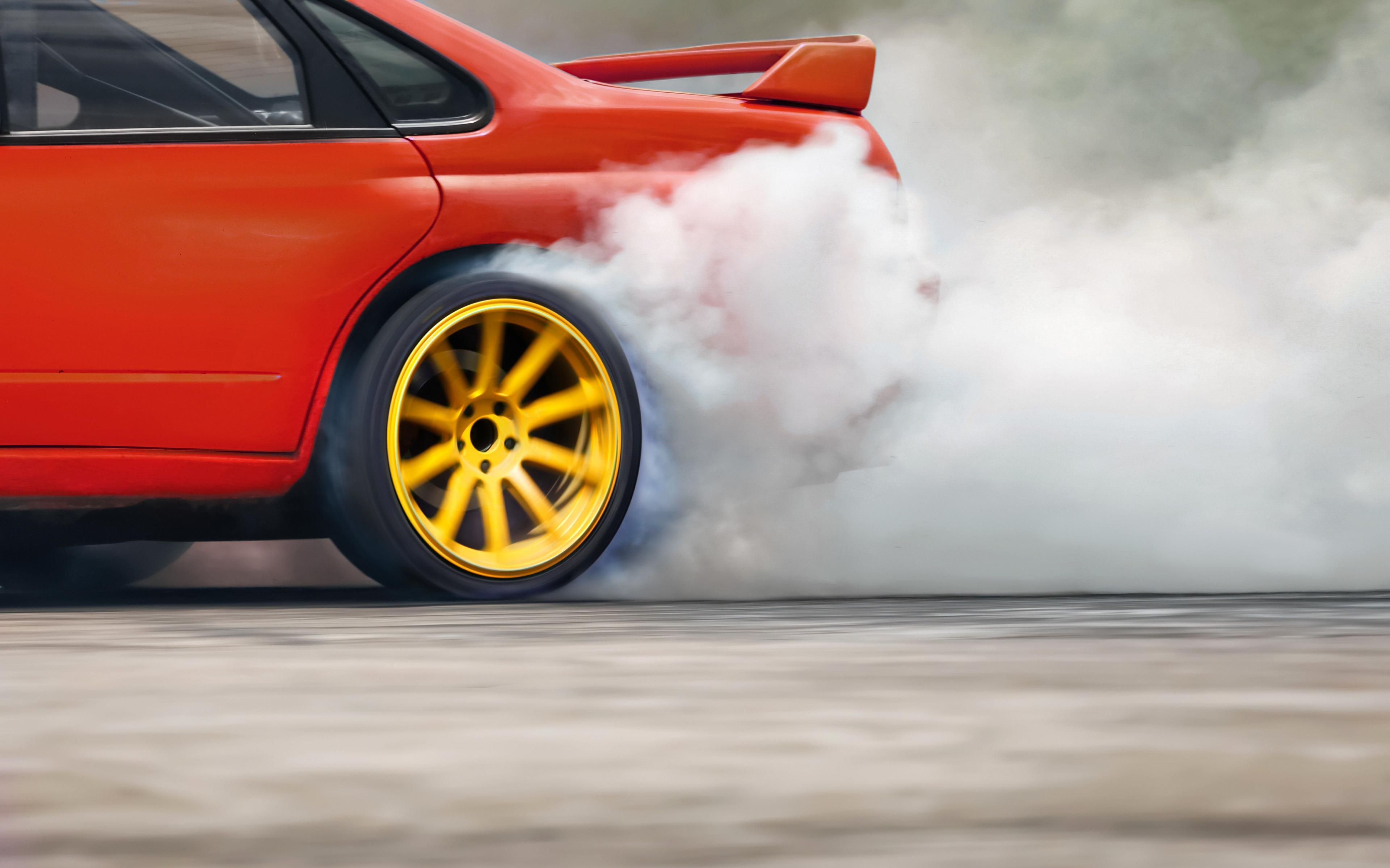
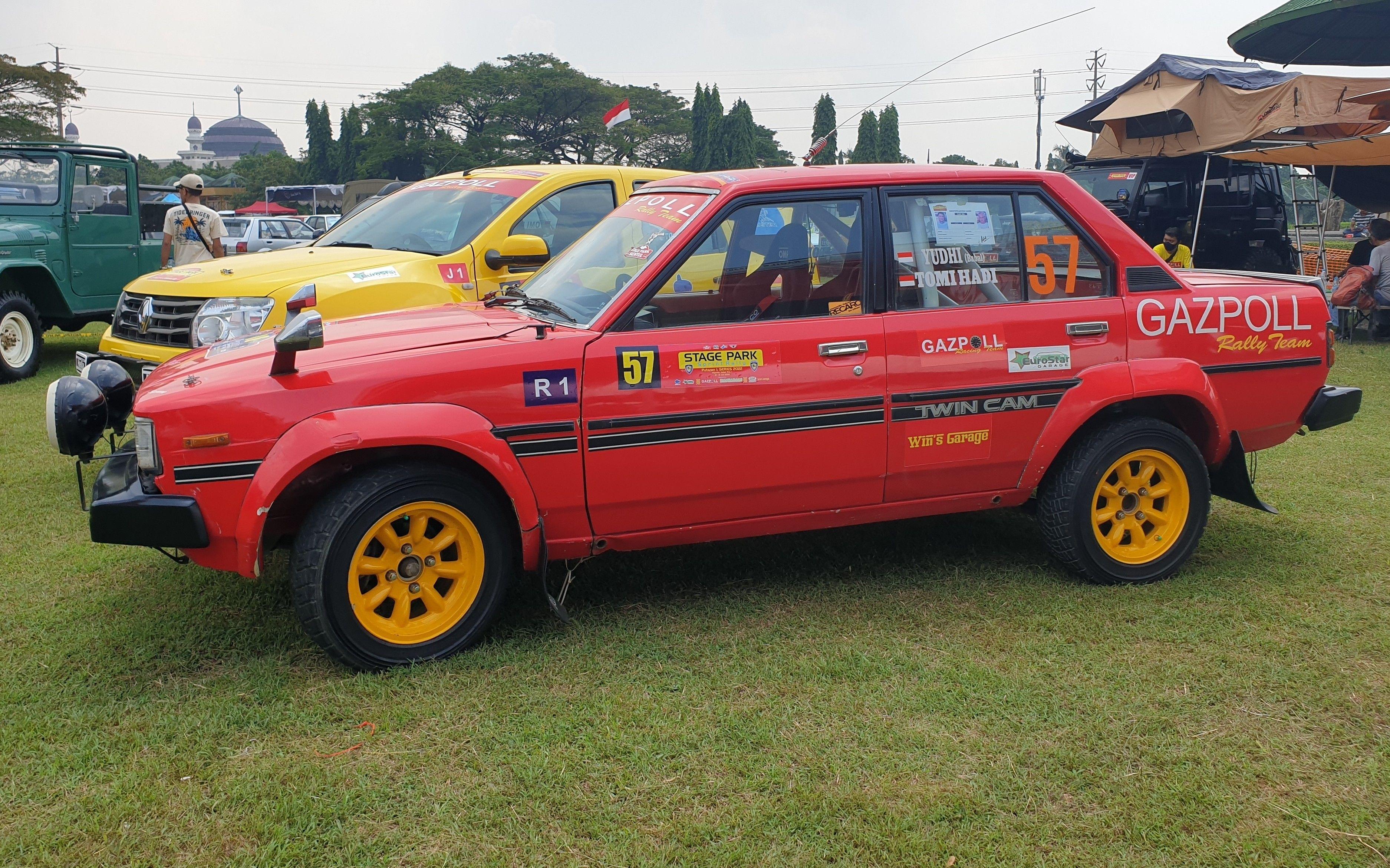
This type of modification improves the performance of the vehicle. Examples include upgrading the engine, exhaust system, or suspension for better speed, handling, or fuel efficiency. However, performance modifications should only be carried out by experts with proper technical knowledge, as incorrect upgrades can compromise safety.
2. Outlook Modifications
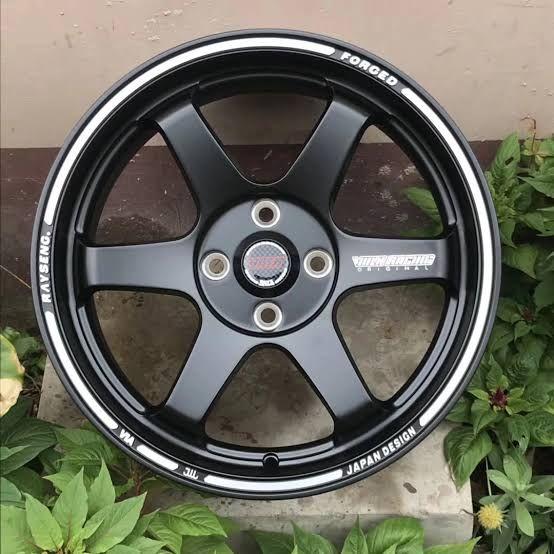
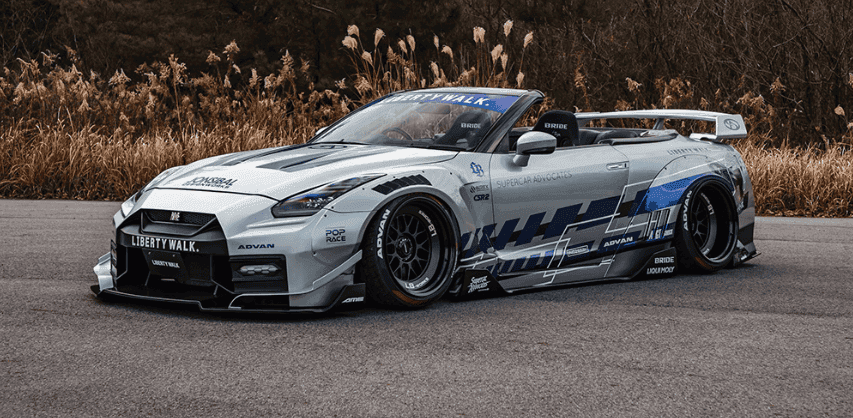
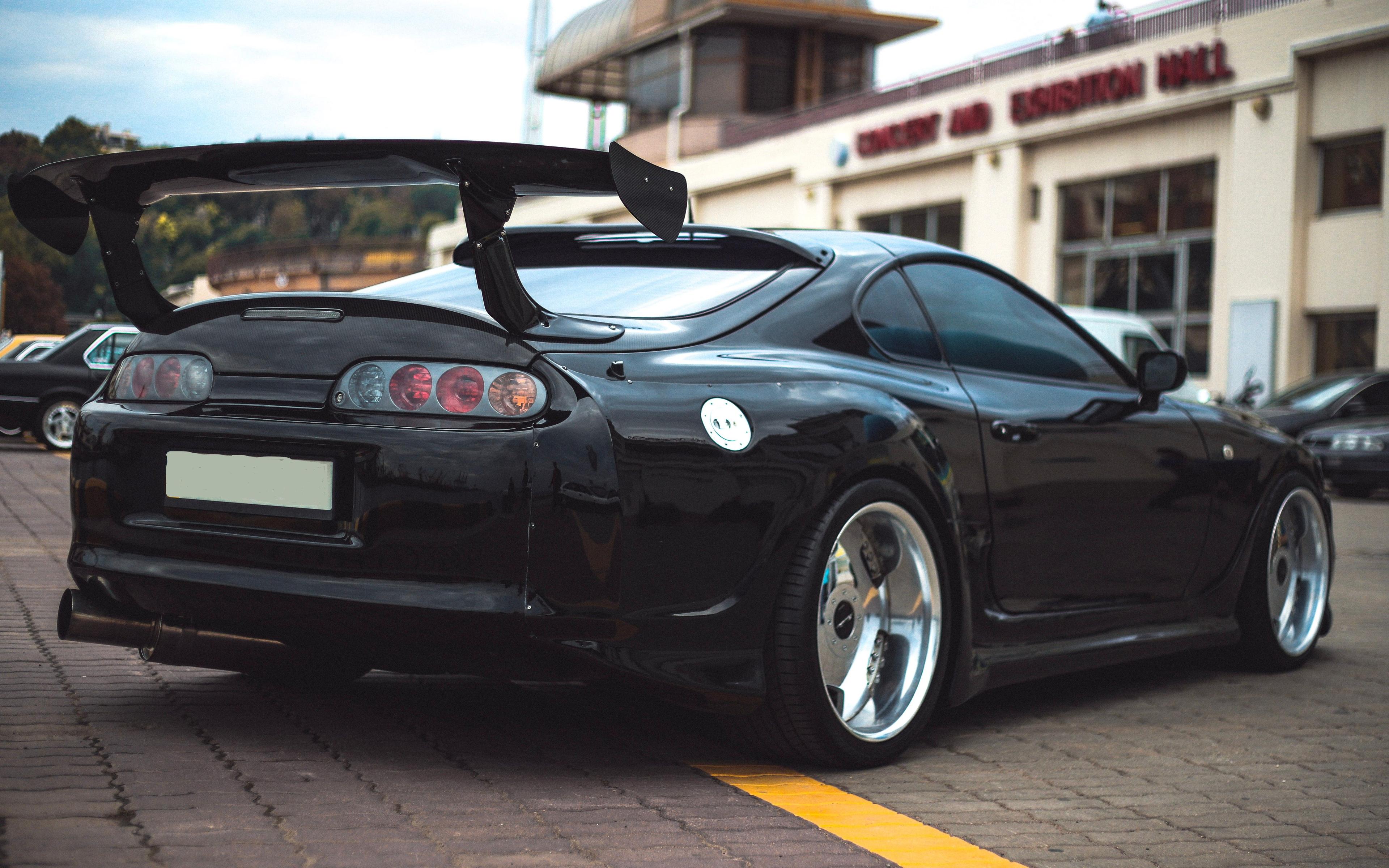
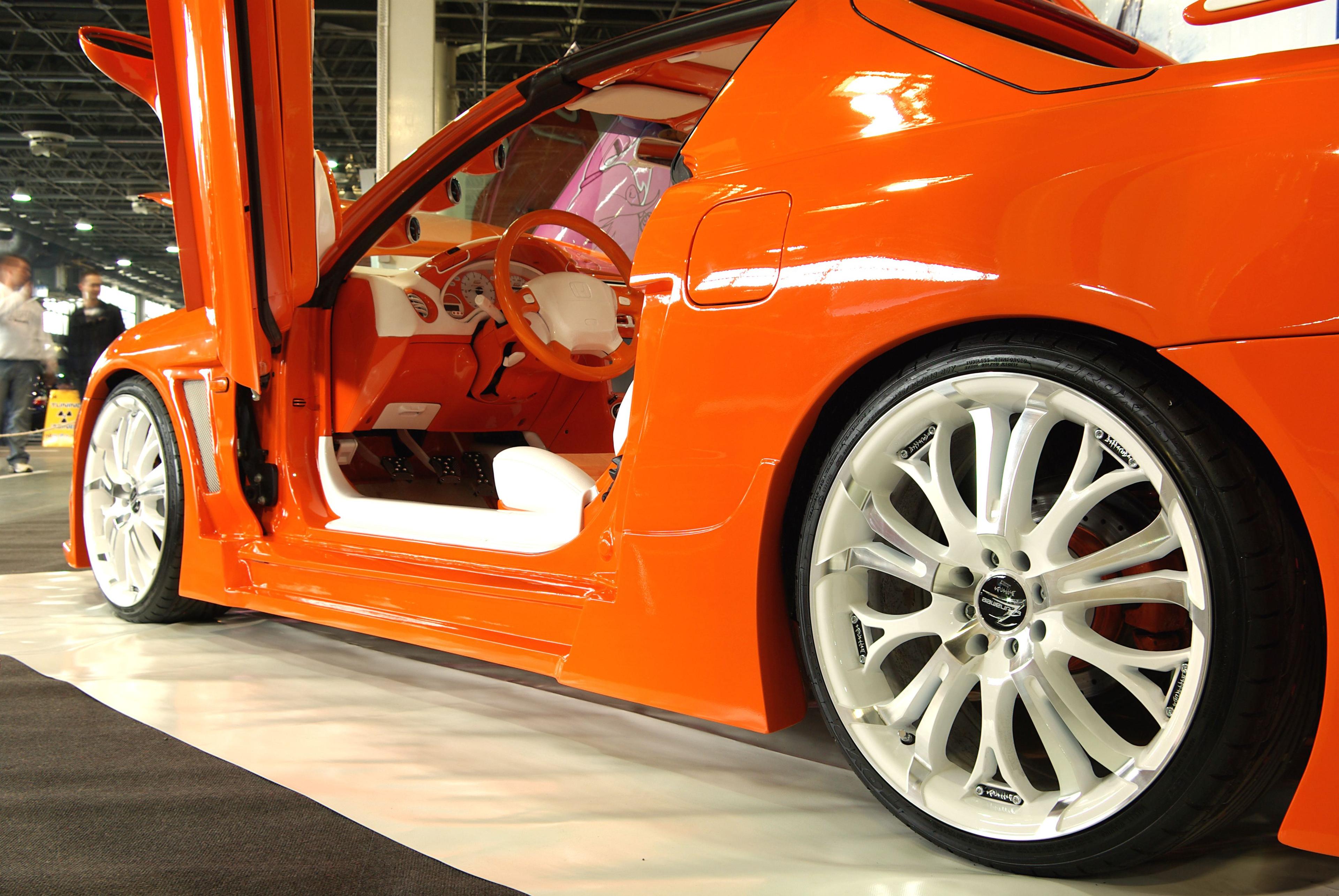
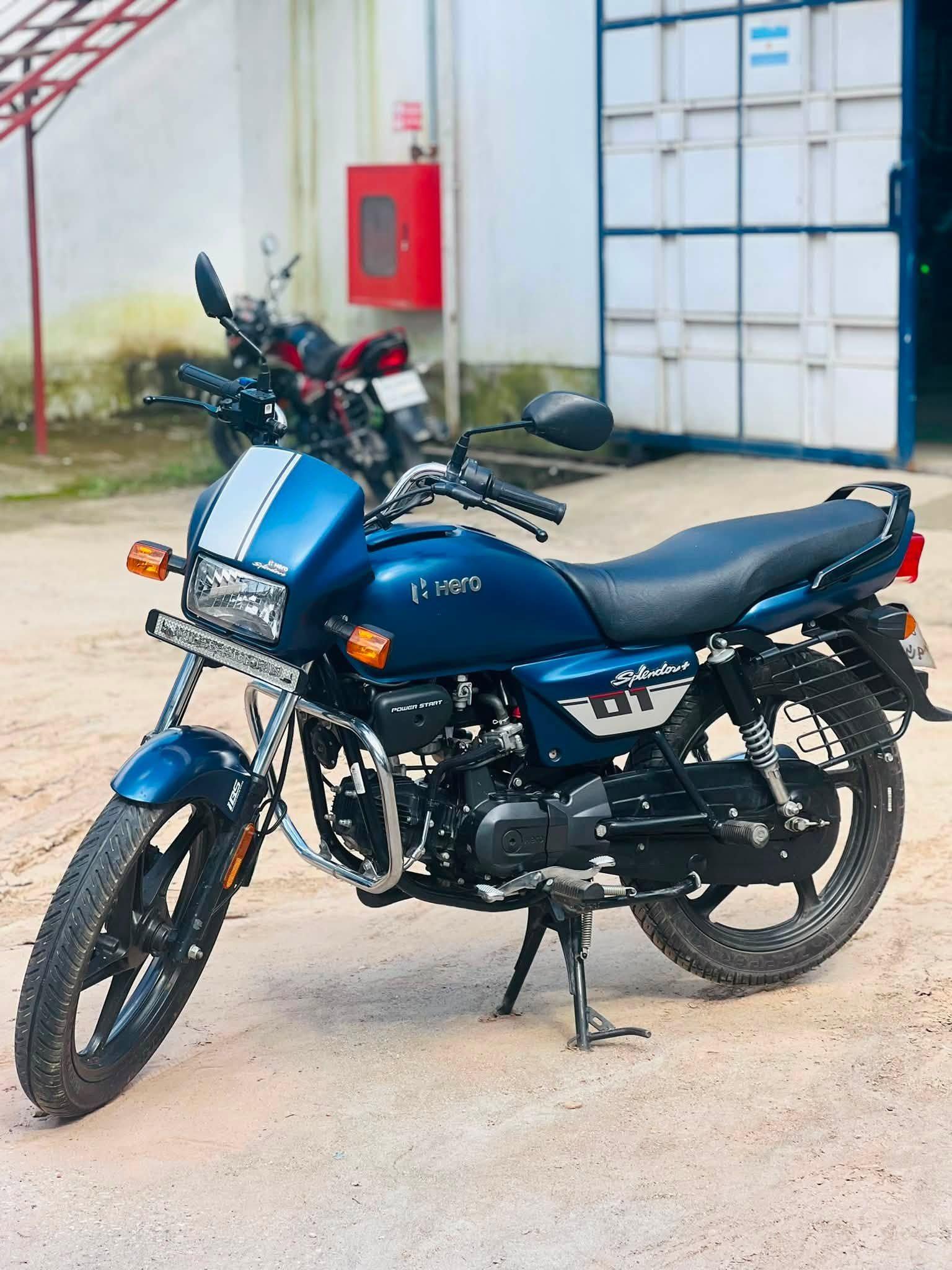
These modifications change the external appearance of the vehicle. Examples include adding stickers, body kits, spoilers, or alloy wheels. While these changes may enhance the look of the vehicle, they should be done carefully and legally—without compromising road safety or violating regulations.
Will the Beauty Be Lost?
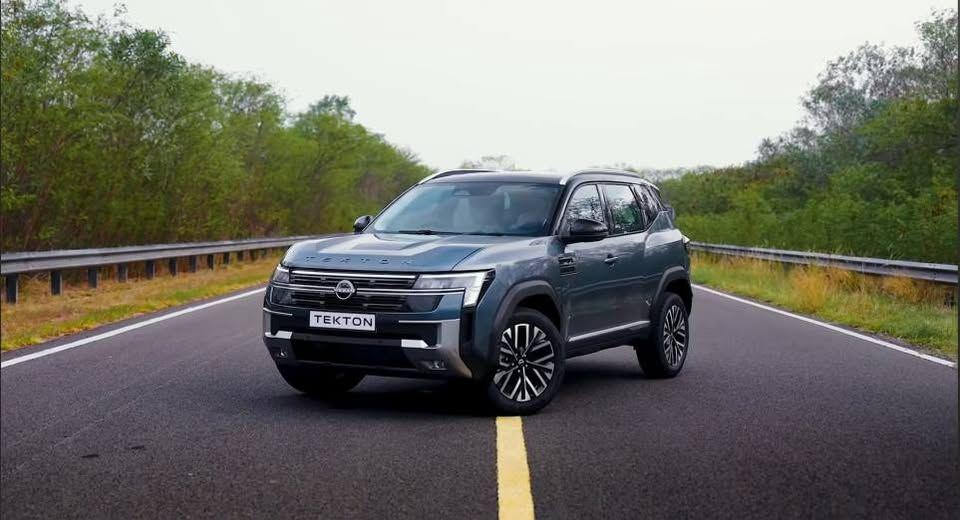
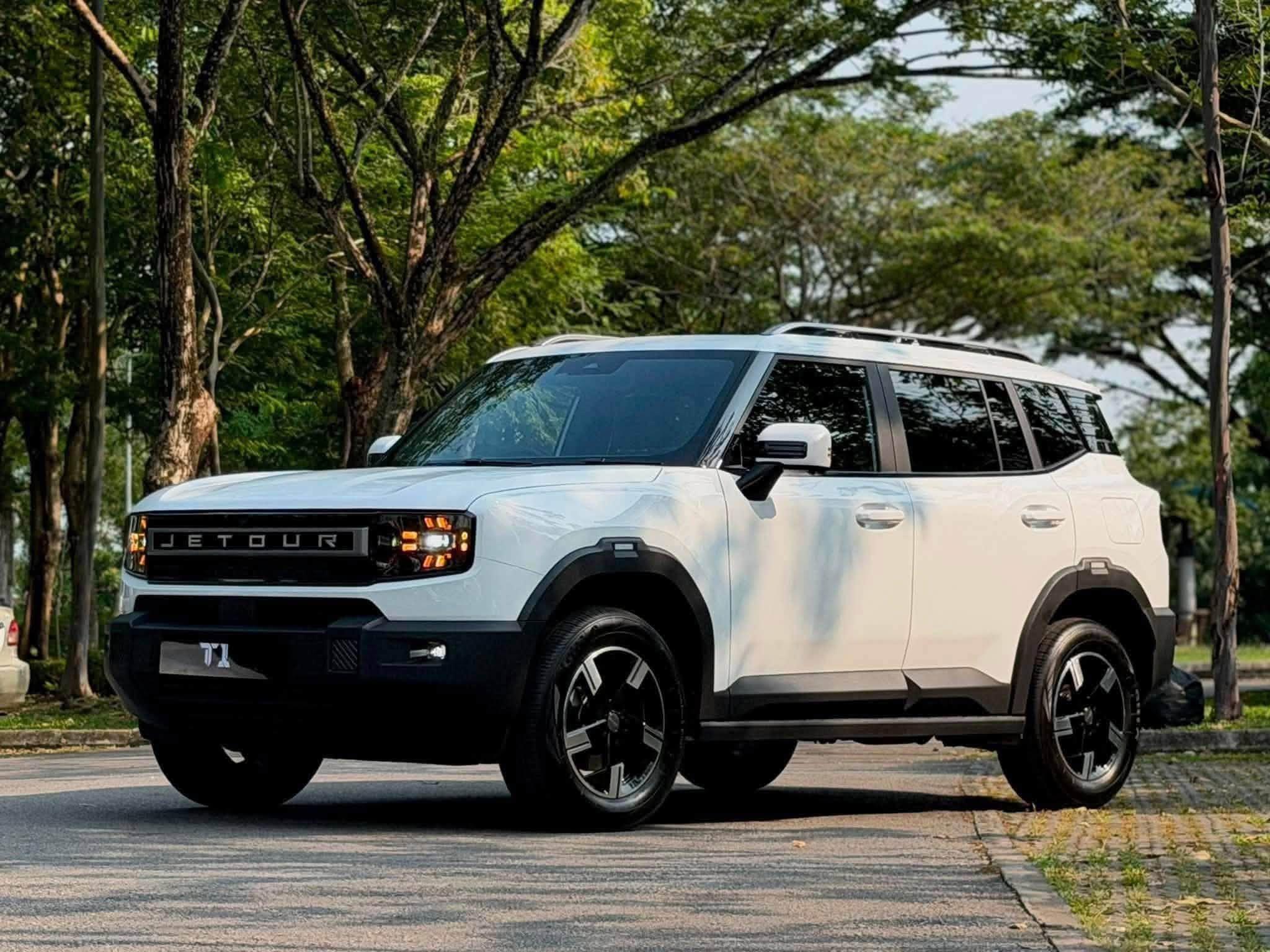
Many people modify vehicles to make them stand out or for personal satisfaction. However, improper or excessive modifications can ruin the beauty of a vehicle instead of enhancing it. For example, adding bulky accessories to hatchbacks or sedans to give them an SUV-like look can distort the vehicle’s original design.
The key is to modify vehicles practically and tastefully. For off-road vehicles, certain modifications may improve functionality, but for everyday cars, less is often more.
In conclusion, you cannot modify a vehicle at will. Legal permission and thoughtful planning are required. Keep in mind that selling a heavily modified vehicle may also be difficult, as you need to find a buyer who shares the same preferences.
So, before modifying your vehicle, think twice—make sure it’s done legally, safely, and in a way that truly adds value rather than taking it away.
FAQs About Vehicle Modification
Is it legal to modify a vehicle in Sri Lanka?
Yes, but only with prior approval from the Commissioner of Motor Vehicles under Section 19 of the Motor Vehicles Act.
What modifications are common?
Common modifications include performance upgrades (engine, suspension) and outlook changes (stickers, alloy wheels, body kits). Both require caution and approval.
Can modifications affect resale value?
Yes. While some buyers may appreciate modifications, others may prefer original vehicles. Over-modification can make it harder to resell.

எழுதியவர்
Nipuna Marasinghe