How to Check if Your Seat Belts are Working Properly?

Today at Motor Guide, we are going to talk about a very important component for your vehicle's safety: how to check if your seat belt is working properly. It is the number one safety device designed to save our lives when driving. Many people think a seat belt is just a strap, but it is actually a complex mechanism. As professionals in this field, we know that this system must activate in a fraction of a millisecond during an emergency, and any flaw in it is a serious matter that could lead to loss of life. Therefore, today we will discuss a few methods you can use at home to check if your vehicle's seat belt system is functioning correctly.
The Retraction Test
First, let's look at the basic functionality of this system. A seat belt primarily works with two main components: the extending and retracting mechanism, and the locking mechanism that holds the belt tight during an accident. If there is a problem with either of these, that seat belt has failed.
First, sit in the vehicle and pull the seat belt slowly. As you pull, it should come out smoothly without getting stuck. Also, when you release the seat belt, it should retract smoothly without any hesitation. If it gets stuck halfway without retracting properly, there might be a problem with its internal spring, or dust and debris might be blocking the belt's path.
The Locking Test (Tug Test)
Next, the most important thing we need to check is the tension test. While the vehicle is parked, pull the seat belt sharply and suddenly. You need to pull the belt as fast as your body would be thrown forward in an accident. When you pull it like this, the belt should lock instantly. This means the belt coming out should stop abruptly.
If it continues to come out without locking like this, the locking mechanism in that seat belt is impaired. This is a very dangerous situation because if it fails to work during an accident, you won't be able to control your body, and you could hit the windshield or the steering wheel.
Inspecting the Physical Condition (Webbing)
Another thing is the physical condition of the belt (webbing). Look closely along the belt to see if it is cut, frayed, or severely crushed anywhere.
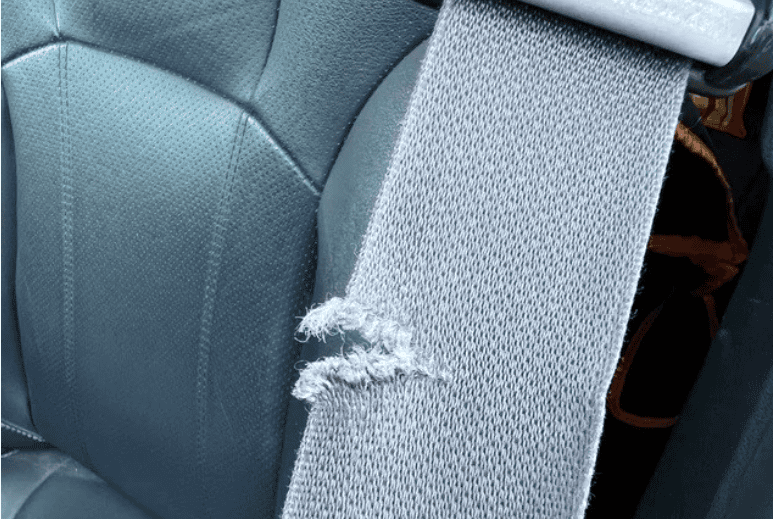
Prolonged exposure to sunlight can also degrade this belt. If the belt is damaged anywhere when you pull it out to inspect, it must absolutely be replaced. Because it won't be able to withstand the extreme pressure exerted during an accident, there is a high chance of the belt tearing at that damaged spot.
Checking the Buckle
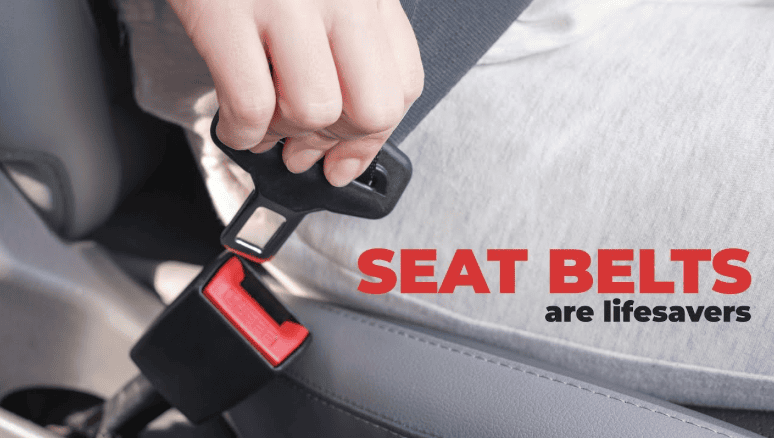
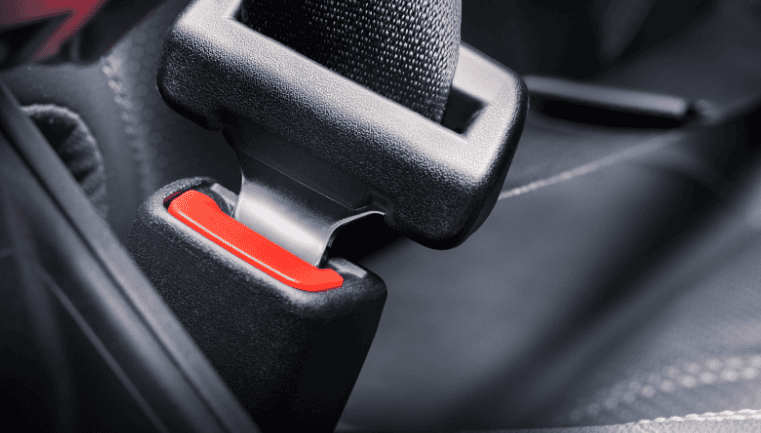
Also, you need to check the buckle, or the part where the belt fastens. When you insert the belt into it, it should lock securely with a sharp 'click' sound. If it comes off easily after being inserted, or if it gets stuck and won't release when you press the button, that is also a serious defect.
Rear Belts and Airbag Integration
Finally, do not forget about the seat belts in the back seat and the middle seat. Since many people do not use these frequently, they can get covered in dust and jammed with dirt. If your vehicle has an airbag system, the proper functioning of the seat belt is directly connected to the airbag's safety. If the seat belt doesn't lock firmly, even if the airbag deploys, your body might hit it at the wrong angle.
Therefore, do these checks regularly. If there is any defect, get it repaired or replaced by a professional technician. Never ignore these things. If there is any abnormal sound from the seat belt system or if it does not fasten properly, you must pay attention to it immediately. Safety should always be the priority.
Motor Guide's Final Advice
Motor Guide's advice is that the seat belt is the cheapest and most important investment to secure your life when driving a vehicle. Just as the vehicle runs smoothly, this system must also function perfectly to save you in an accident. Therefore, make it a habit to inspect your seat belts like this at least once a month.
And don't forget to always stay tuned with Motor Guide to learn more valuable information like this about modern vehicles and technology!
எழுதியவர்
Nisaga Sandaru
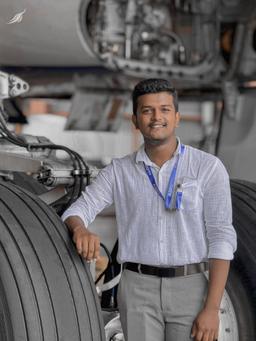
A versatile and highly experienced professional, currently an Automobile undergraduate at the University of Jaffna, with strong technical expertise grounded in hands-on work as a technician with SriLankan Airlines Ground Support Equipment (GSE). Holding an Automobile NVQ Level 3 qualification, along with specialized certifications in Vehicle ECU Programming and Diagnosis, and extensive experience in arc welding and vehicle body painting, and well equipped to handle complex automotive, diagnostic, and fabrication-related tasks with a high level of competence.