What Is PHEV Technology and How Does It Work?

Today at MotorGuide, we're going to explore an automotive technology that combines the benefits of a conventional combustion engine with the efficiency of electric driving. As the automotive industry continues moving towards electrification, Plug-in Hybrid Electric Vehicles, commonly known as PHEVs, are becoming an increasingly interesting option for drivers.
We all know that conventional hybrid vehicles use a combination of a petrol engine and an electric motor to improve fuel efficiency. However, most regular hybrids cannot be charged directly from an external electricity supply.
This is where PHEVs are different. They allow drivers to charge their vehicles using an external power source, much like a fully electric vehicle, while still having a conventional engine available for longer journeys.
So, how exactly does PHEV technology work? What are its main advantages and disadvantages, and how does it compare with conventional hybrid and fully electric vehicles? Let's take a closer look.
What Is a PHEV?
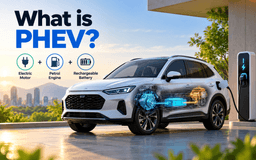
PHEV stands for Plug-in Hybrid Electric Vehicle.
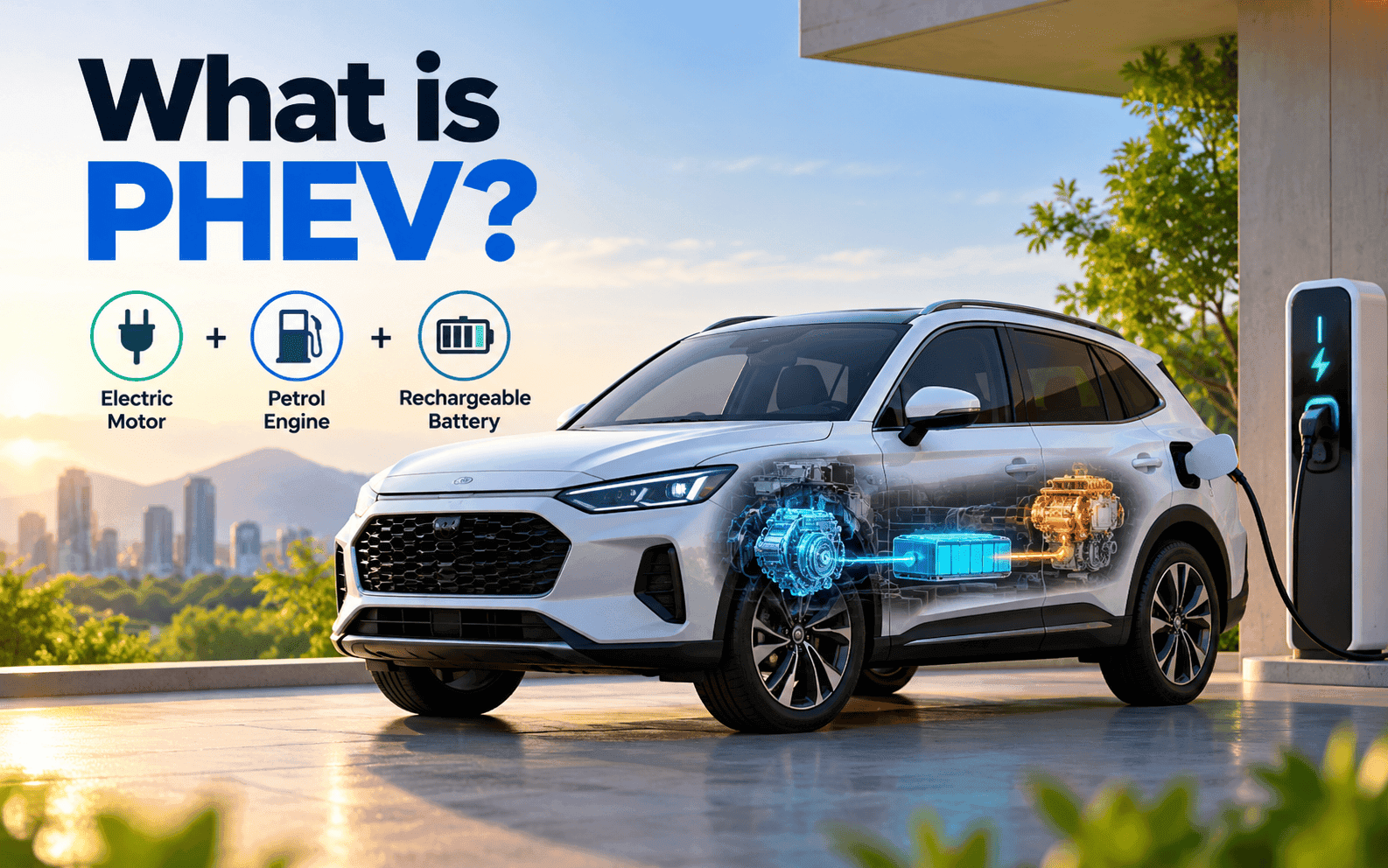
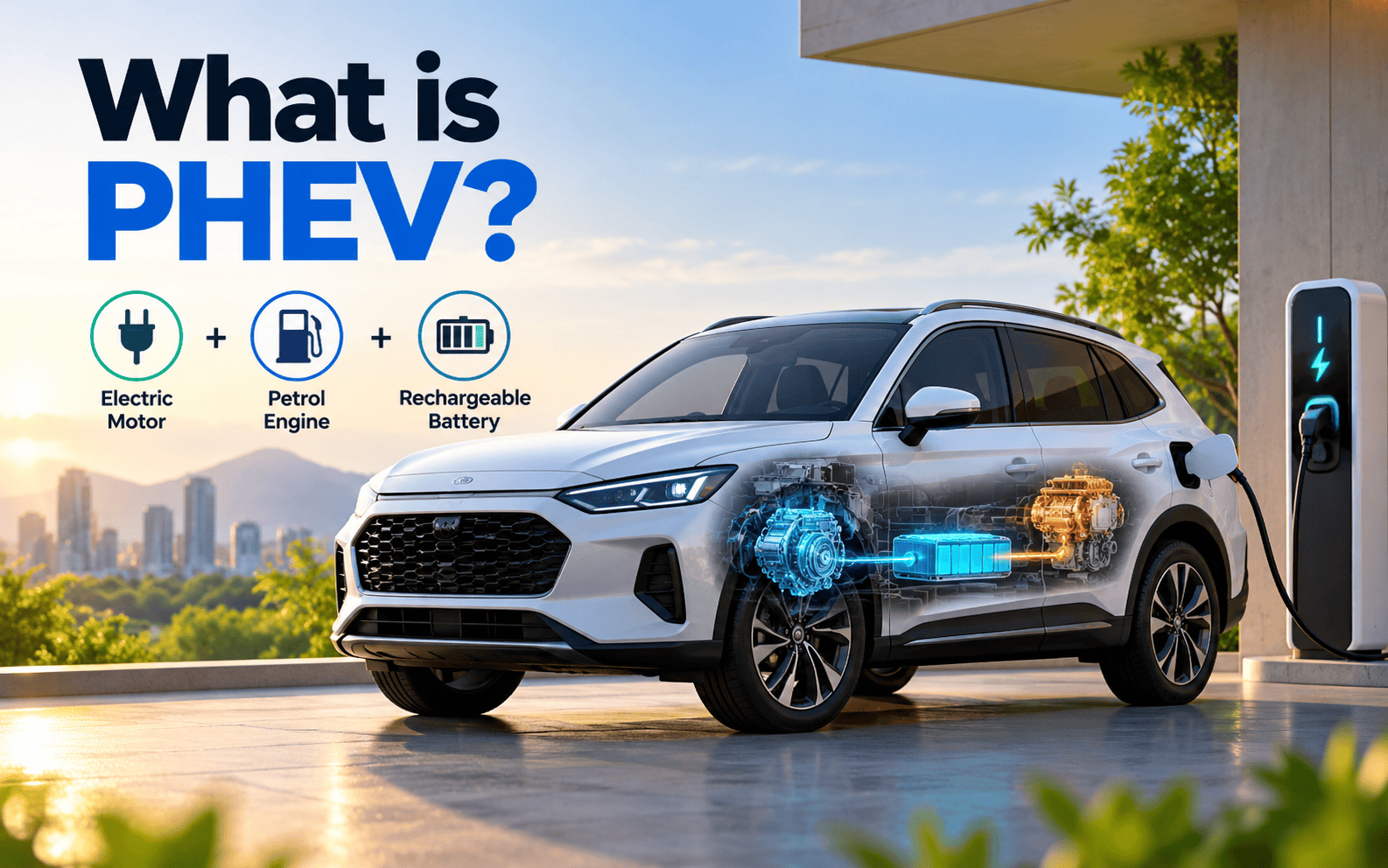
In simple terms, a PHEV combines an internal combustion engine with one or more electric motors and a rechargeable battery that can be charged using an external power supply.
You can think of it as a bridge between a conventional hybrid and a fully electric vehicle.
Well-known vehicles such as the Mitsubishi Outlander PHEV, Toyota RAV4 Plug-in Hybrid, Honda Clarity Plug-in Hybrid, and BMW 330e have demonstrated how this technology can be used in everyday driving.
One of the biggest advantages of a PHEV is that it can complete many shorter journeys using electricity alone, depending on battery charge, vehicle design, and driving conditions.
For longer journeys, the petrol engine can operate alongside or instead of the electric motor, allowing the vehicle to continue travelling without depending entirely on public charging stations.
This makes PHEVs particularly attractive to drivers who want the convenience of electric driving for daily commutes but still need the flexibility of a conventional vehicle for long-distance travel.
How Does a PHEV System Work?
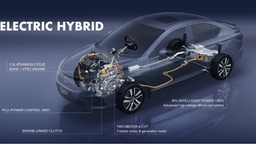
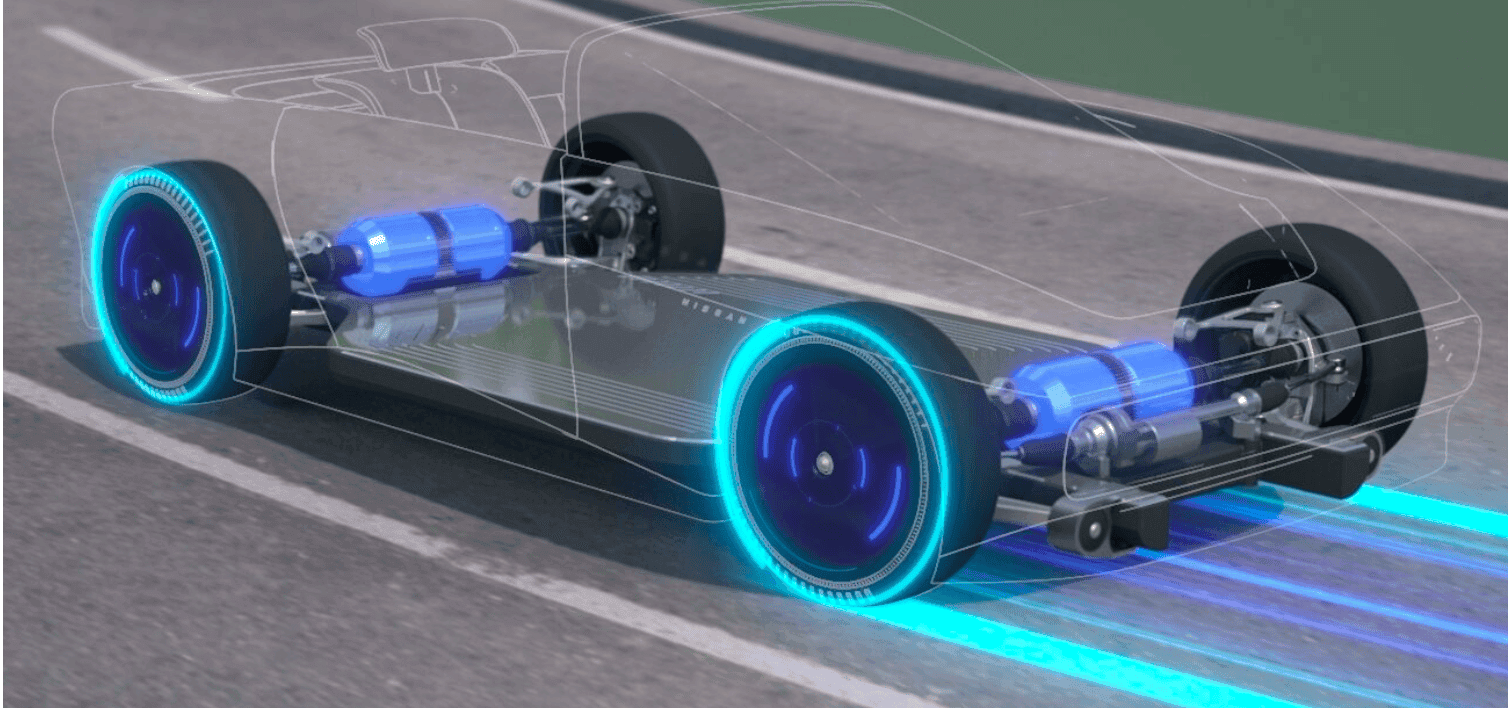
A typical PHEV powertrain consists of several important components working together.
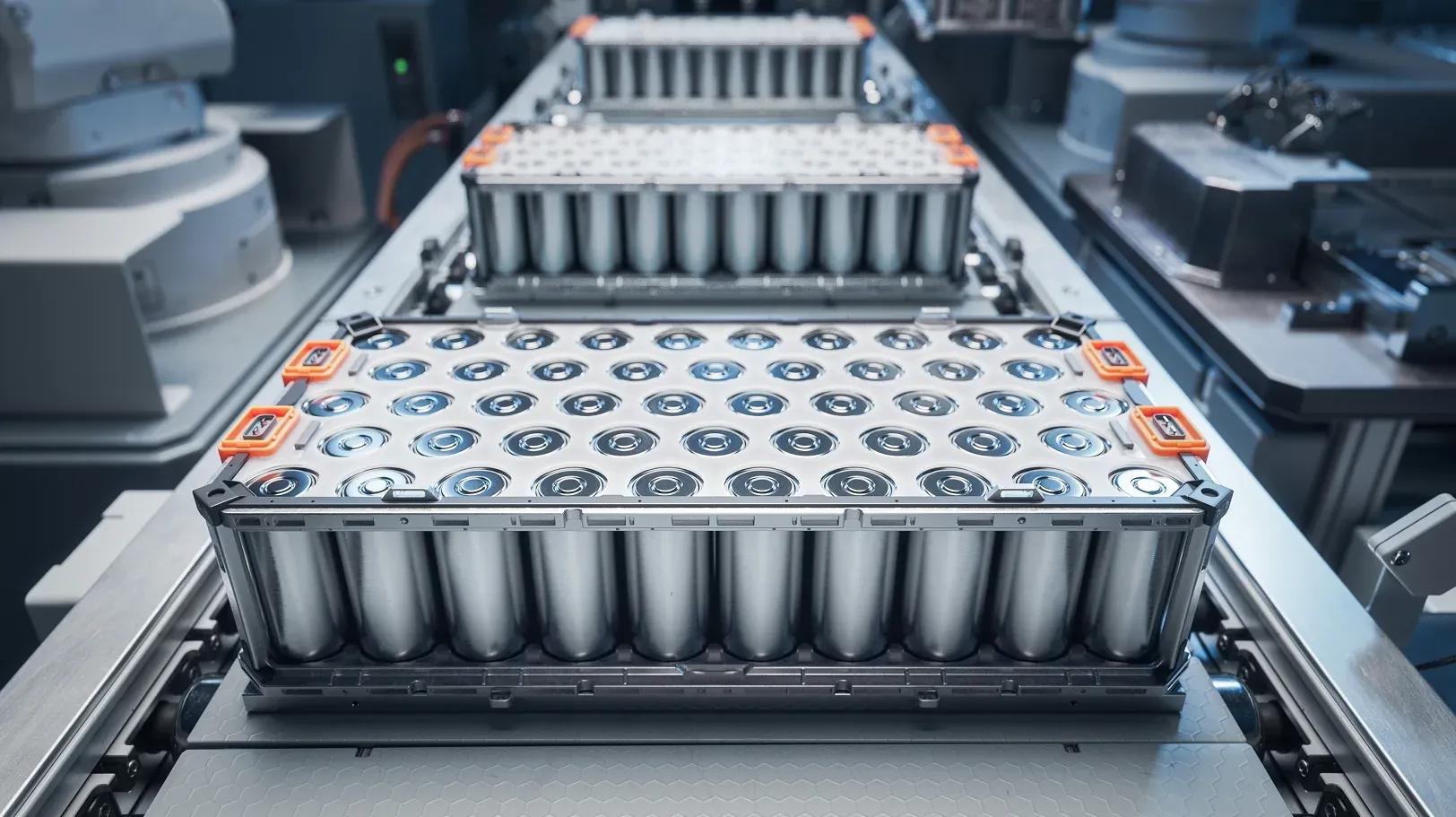
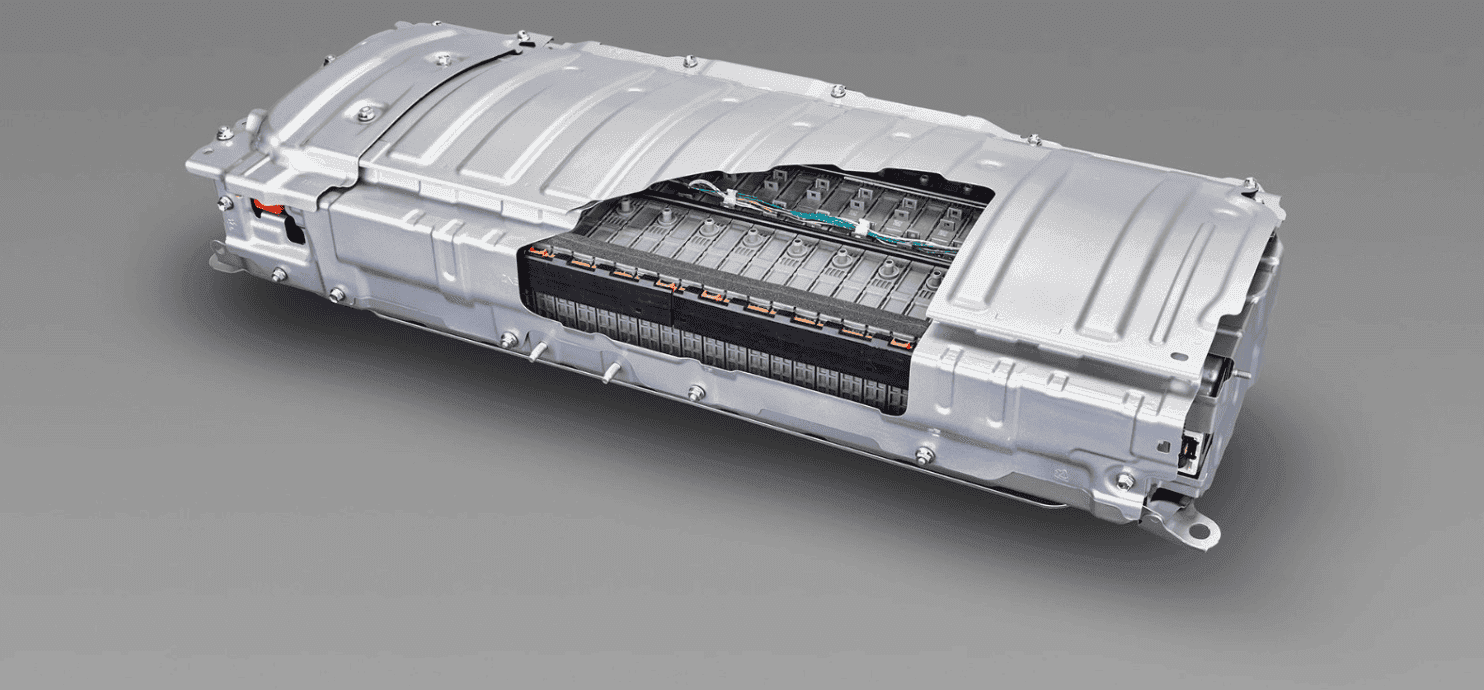
These include an internal combustion engine, one or more electric motors, a high-voltage lithium-ion battery pack, a power control unit, and an onboard charger that allows the battery to receive electricity from an external source.
Compared with conventional hybrid vehicles, PHEVs generally use significantly larger battery packs.
For example, while some traditional hybrid vehicles use batteries with capacities of around 1 to 2 kWh, many PHEVs use larger battery packs ranging from approximately 8 kWh to over 20 kWh. Some newer models have even greater battery capacities.
This additional battery capacity allows the vehicle to travel longer distances using electric power alone.
Depending on the manufacturer and model, PHEVs may offer different driving modes that allow the driver or the vehicle's computer system to manage how electricity and fuel are used.
Let's look at four common operating modes found in PHEV systems.
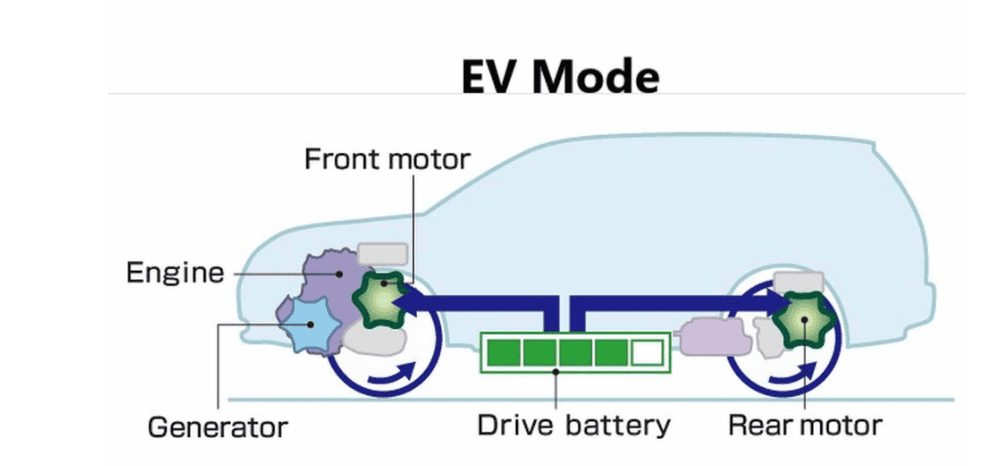
1. All-Electric Mode (EV Mode)
One of the most useful features of a PHEV is its ability to operate in All-Electric Mode.
When the high-voltage battery has sufficient charge, the vehicle can use its electric motor to drive the wheels without relying on the combustion engine under suitable conditions.
In this mode, the driving experience can feel similar to that of a fully electric vehicle, with smooth acceleration, quiet operation, and no fuel consumption while the engine remains switched off.
Many PHEVs can travel approximately 40 to 80 kilometres on electric power alone, although the actual range varies considerably depending on the model, battery capacity, driving style, terrain, and climate control usage.
Some newer plug-in hybrids offer even longer electric driving ranges.
For drivers in Sri Lanka who travel relatively short distances to work, shopping centres, or other daily destinations, this electric range may be sufficient for much of their everyday driving.
If the vehicle is charged regularly at home or at work, it may be possible to complete many daily journeys without using much petrol.
However, the combustion engine may still start in certain situations, including strong acceleration, low battery charge, or specific operating conditions, even when EV Mode has been selected.
2. Hybrid Mode (HEV Mode)
The second important operating mode is Hybrid Mode, also known as HEV Mode on some vehicles.
When the battery reaches a predetermined lower charge level, the system can automatically switch to hybrid operation.
In this mode, the combustion engine and electric motor work together to provide the power required to drive the vehicle.
Depending on the hybrid system's design, the engine may drive the wheels mechanically, generate electricity, or operate in combination with the electric motor.
The system continuously adjusts how power is supplied to improve efficiency and maintain driving performance.
Another important feature is Regenerative Braking, which allows the electric motor to recover some of the vehicle's kinetic energy during deceleration and braking.
Instead of losing all this energy as heat through the conventional brakes, part of it is converted into electricity and stored in the battery.
This helps improve overall energy efficiency.
One of the biggest practical advantages of Hybrid Mode is that drivers can continue their journeys even when the available electric driving range has been used.
As long as there is sufficient fuel and the vehicle is operating normally, the combustion engine can support continued driving without requiring an immediate external battery recharge.
This makes PHEVs convenient for long-distance travel, especially in areas where public EV charging infrastructure is limited.
3. Battery Hold Mode
Some PHEVs also provide a feature commonly known as Battery Hold Mode.
This function allows the driver to preserve much of the battery's remaining charge for later use.
For example, imagine travelling on a highway before entering a busy city. You may prefer to use the combustion engine for the highway journey and save the available battery charge for electric driving in urban traffic.
By selecting Battery Hold Mode, the system aims to maintain the battery's charge near a selected level while using the engine and hybrid system to provide the necessary driving power.
However, the battery charge may still fluctuate depending on driving conditions, acceleration demands, and the vehicle's power management strategy.
The exact operation and availability of Battery Hold Mode vary between manufacturers and models.
4. Battery Charge Mode
Another feature available in certain PHEVs is Battery Charge Mode.
In this mode, the combustion engine is used to generate electricity and increase the battery's state of charge while the vehicle is operating.
For example, some PHEV systems can charge the battery towards a specified level, such as approximately 80%, depending on the vehicle's settings and operating conditions.
This can be useful when the driver wants to reserve electric power for a later part of the journey.
However, charging the battery using the combustion engine requires additional fuel.
Therefore, Battery Charge Mode is generally less energy-efficient than charging the vehicle directly from an external electricity supply.
For everyday use, regular plug-in charging is usually the better way to take advantage of a PHEV's electric driving capabilities.
How Do You Charge a PHEV?
Unlike conventional hybrid vehicles, PHEVs can be connected to an external electricity supply to recharge their high-voltage batteries.
There are three main charging approaches, although the available options depend on the vehicle's charging system and specifications.
1. Level 1 Charging
Level 1 Charging refers to charging through a suitable standard household electrical supply using an approved portable charging unit.
In Sri Lanka, some vehicles can be charged using a compatible 230V household electrical connection, provided the socket, wiring, earthing, protective devices, and charging equipment meet the required safety standards.
Because the available charging power is relatively low, charging a PHEV battery can take several hours.
Depending on battery capacity and charging power, a full charge may take approximately 8 to 12 hours in some cases, although smaller batteries or higher-power household connections may require less time.
It is important not to use damaged sockets, unsuitable extension cables, or unapproved charging equipment.
2. Level 2 AC Charging
Level 2 AC Charging uses dedicated charging equipment, such as a wall-mounted home charger or a compatible public AC charging station.
These chargers may be rated at approximately 7 kW, 11 kW, or 22 kW, depending on the installation and electrical supply.
However, the actual charging speed is limited by the vehicle's onboard charger as well as the charging station.
Many PHEVs accept lower AC charging power than fully electric vehicles, so connecting a PHEV to a 22 kW charger does not necessarily mean it will charge at 22 kW.
Depending on the vehicle's battery size and onboard charging capacity, a full charge may take approximately 2 to 5 hours, although actual charging times vary.
For drivers who can install a suitable home wallbox, this can be a convenient way to recharge the vehicle regularly.
3. DC Fast Charging
DC Fast Charging is another charging option, but it is not available on every PHEV.
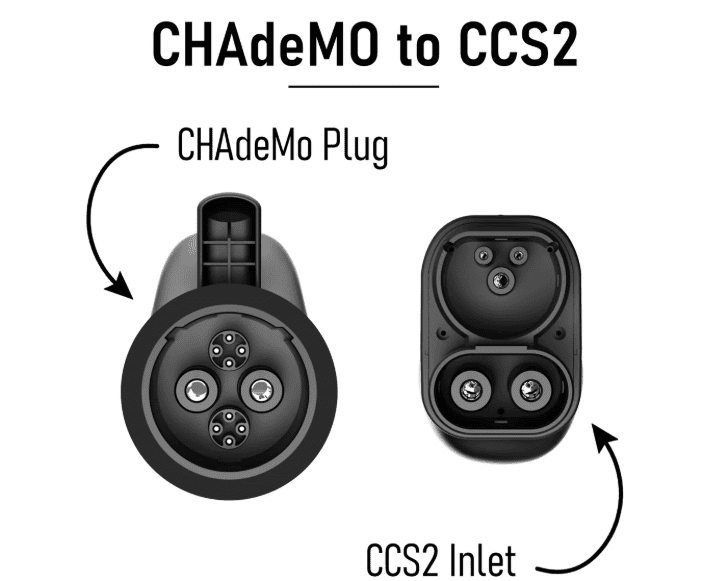
Some plug-in hybrid models, including certain versions of the Mitsubishi Outlander PHEV, support DC fast charging through compatible charging connectors.
Depending on the vehicle and market, these may include connectors such as CHAdeMO or CCS.
On supported vehicles, DC fast charging can recharge a substantial portion of the battery in a relatively short time.
For example, certain PHEVs may be able to reach approximately 80% battery charge in around 25 to 40 minutes under suitable conditions.
However, charging times depend on the battery's capacity, temperature, initial charge level, charging station capability, and the manufacturer's charging limits.
Before using a public fast charger, owners should confirm that their PHEV supports DC charging and uses a compatible connector.
What Are the Main Advantages of a PHEV?
One of the biggest advantages of owning a PHEV is the potential to reduce petrol or diesel consumption.
If you regularly charge your vehicle at home or at work and most of your daily journeys fall within its electric driving range, you may be able to complete much of your driving using electricity.
Depending on your driving habits and charging routine, this can significantly reduce fuel consumption and running costs.
Some drivers may achieve fuel savings of 80% or more compared with their previous petrol-only driving, but this is not guaranteed and depends on the vehicle, electricity prices, fuel prices, and the proportion of kilometres driven electrically.
Another advantage is responsive acceleration.
Electric motors can produce strong torque at low speeds, helping PHEVs deliver smooth and quick acceleration when the driver presses the accelerator.
This can make city driving more comfortable, particularly when moving away from traffic lights or accelerating in slow-moving traffic.
PHEVs also help reduce concerns about running out of battery charge during longer journeys.
Unlike a fully electric vehicle, a PHEV can continue operating using its combustion engine after the available electric-only range has been used.
This provides added flexibility for drivers who frequently travel long distances or visit areas where charging stations are limited.
What Are the Disadvantages of a PHEV?
Although PHEVs offer several benefits, they also come with some disadvantages that buyers should consider.
One of the main drawbacks is additional vehicle weight.
Because a PHEV combines a combustion engine, fuel system, electric motors, and a relatively large battery pack, it can be heavier than an equivalent conventional petrol vehicle.
Depending on the model, the additional weight may be substantial, sometimes reaching approximately 200 to 300 kilograms or more compared with a comparable non-plug-in version.
This additional weight can affect efficiency, particularly when the battery is not regularly charged from an external source.
If a PHEV is driven mainly using its combustion engine without taking advantage of electric charging, its fuel economy may be less impressive than expected.
In some cases, an uncharged PHEV may consume more fuel than a lighter conventional hybrid or another comparable vehicle.
Another consideration is maintenance complexity.
Since PHEVs contain both combustion-engine components and high-voltage electrical systems, they require appropriate servicing and specialised knowledge.
Although electric driving can reduce the use of certain mechanical components, the vehicle still has an engine, cooling systems, electrical equipment, and other parts that require periodic inspection and maintenance.
Long-term repair costs can also depend on battery condition, component availability, and the complexity of the hybrid system.
Therefore, buyers should consider their daily driving distance, charging access, and expected ownership costs before choosing a PHEV.
Important Maintenance Tips for PHEV Owners
At MotorGuide, our advice is that if you own a Plug-in Hybrid Electric Vehicle, you should pay special attention to its high-voltage battery, inverter, charging system, and other electrical components.
Always follow the manufacturer's recommended maintenance schedule and have high-voltage components inspected or repaired only by appropriately trained technicians.
When charging your PHEV at home, use charging equipment and cables approved for your vehicle.
Make sure the household electrical installation is suitable for the charging load and has the necessary electrical protection.
Poor-quality cables, damaged sockets, unsuitable adapters, and incorrect charging installations can cause overheating, electrical faults, and potentially serious safety hazards.
Battery health is another important consideration.
Owners should follow the manufacturer's recommendations regarding battery charging, storage, cooling, and maintenance to help preserve the battery's long-term performance.
Where supported, monitoring the battery's State of Health (SOH) through approved diagnostic methods can also help identify potential battery deterioration.
Most importantly, regularly charging the vehicle from a suitable external electricity supply is essential if you want to enjoy the fuel-saving advantages of a PHEV.
When used appropriately, a plug-in hybrid can offer an appealing balance between electric driving, long-distance flexibility, and everyday practicality.
For drivers who can charge regularly and whose daily journeys are mostly within the vehicle's electric range, PHEV technology can be a practical alternative to both conventional hybrids and fully electric vehicles.
Stay connected with MotorGuide for more useful information about modern automotive technologies, hybrid and electric vehicles, vehicle maintenance, and everything you need to know about the world of vehicles.

எழுதியவர்
Nisaga Sandaru
A versatile and highly experienced professional, currently an Automobile undergraduate at the University of Jaffna, with strong technical expertise grounded in hands-on work as a technician with SriLankan Airlines Ground Support Equipment (GSE). Holding an Automobile NVQ Level 3 qualification, along with specialized certifications in Vehicle ECU Programming and Diagnosis, and extensive experience in arc welding and vehicle body painting, and well equipped to handle complex automotive, diagnostic, and fabrication-related tasks with a high level of competence.