What Is REEV Technology and How Does It Work?

Today at MotorGuide, we're going to explore an interesting automotive technology that combines electric driving with the flexibility of a petrol-powered generator. As the world continues moving towards electric mobility, one of the biggest concerns for many drivers is range anxiety, the fear of running out of battery power during a journey.
We all know that fully electric vehicles can be convenient for everyday driving. However, longer journeys sometimes require careful planning around charging stations, available charging speeds, and battery range.
This is where REEV technology comes into the picture. By combining an electric drivetrain with an onboard range-extending generator, these vehicles offer an alternative way to travel longer distances without relying entirely on external charging stations.
So, what exactly is REEV technology? How does it work, what are its main advantages and disadvantages, and how is it different from conventional hybrid vehicles? Let's take a closer look.
What Is REEV Technology?
REEV stands for Range Extended Electric Vehicle, also commonly referred to as a Range Extender Electric Vehicle or Extended-Range Electric Vehicle (EREV).
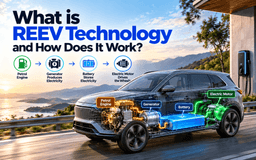
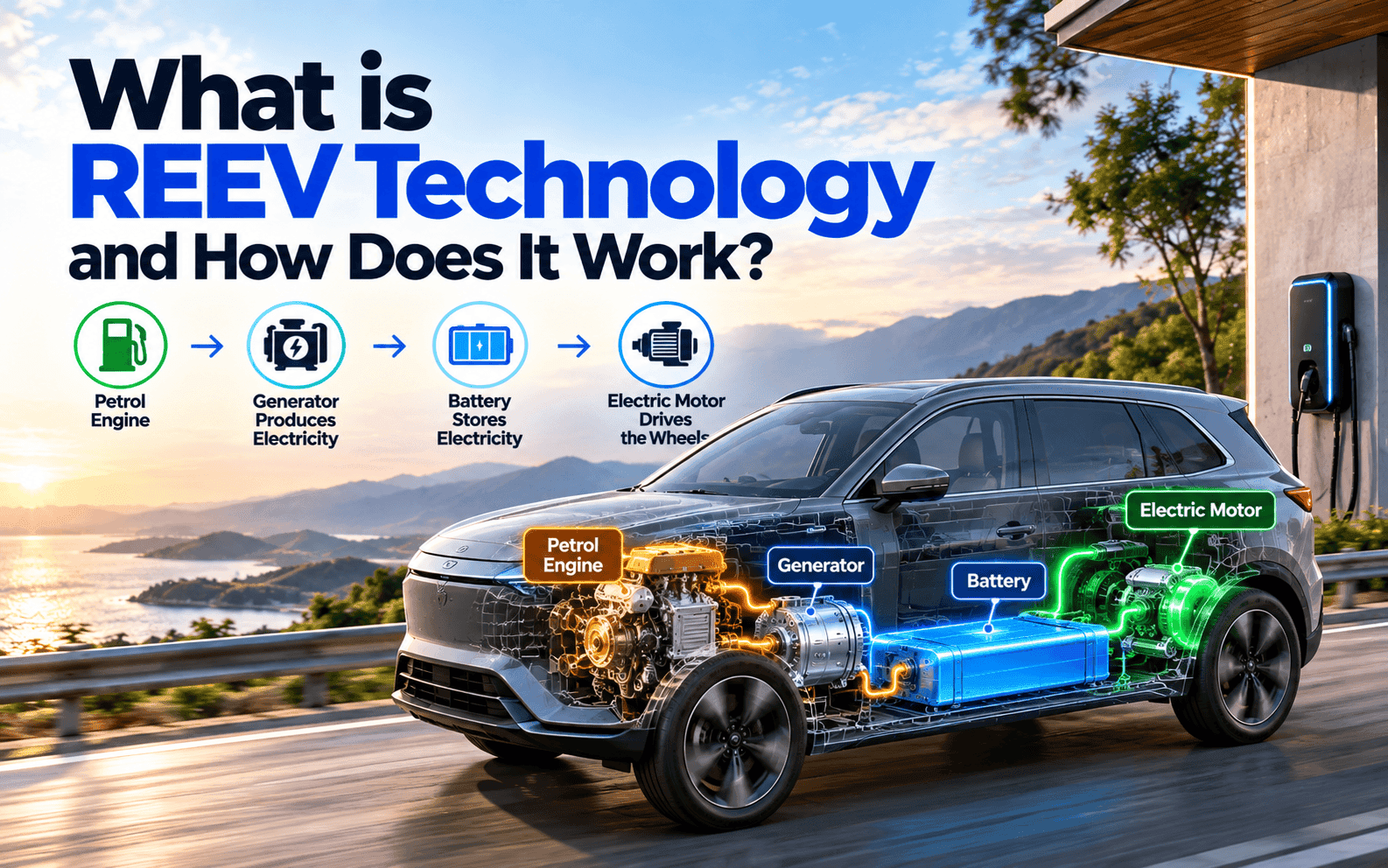
In simple terms, a REEV is a vehicle in which the wheels are driven by an electric motor, while an onboard combustion engine acts as a generator to provide additional electrical energy when needed.
Unlike many conventional hybrid or plug-in hybrid systems, the combustion engine in a typical REEV does not mechanically drive the wheels.
Instead, its main purpose is to generate electricity that supports the electric drivetrain and helps maintain the battery's charge during longer journeys.
One well-known example is the BMW i3 Range Extender, which used a small petrol engine to generate electricity when the battery reached a low charge level.
More recently, Chinese manufacturers such as Li Auto have introduced extended-range electric SUVs that combine relatively large batteries with petrol-powered range extenders.
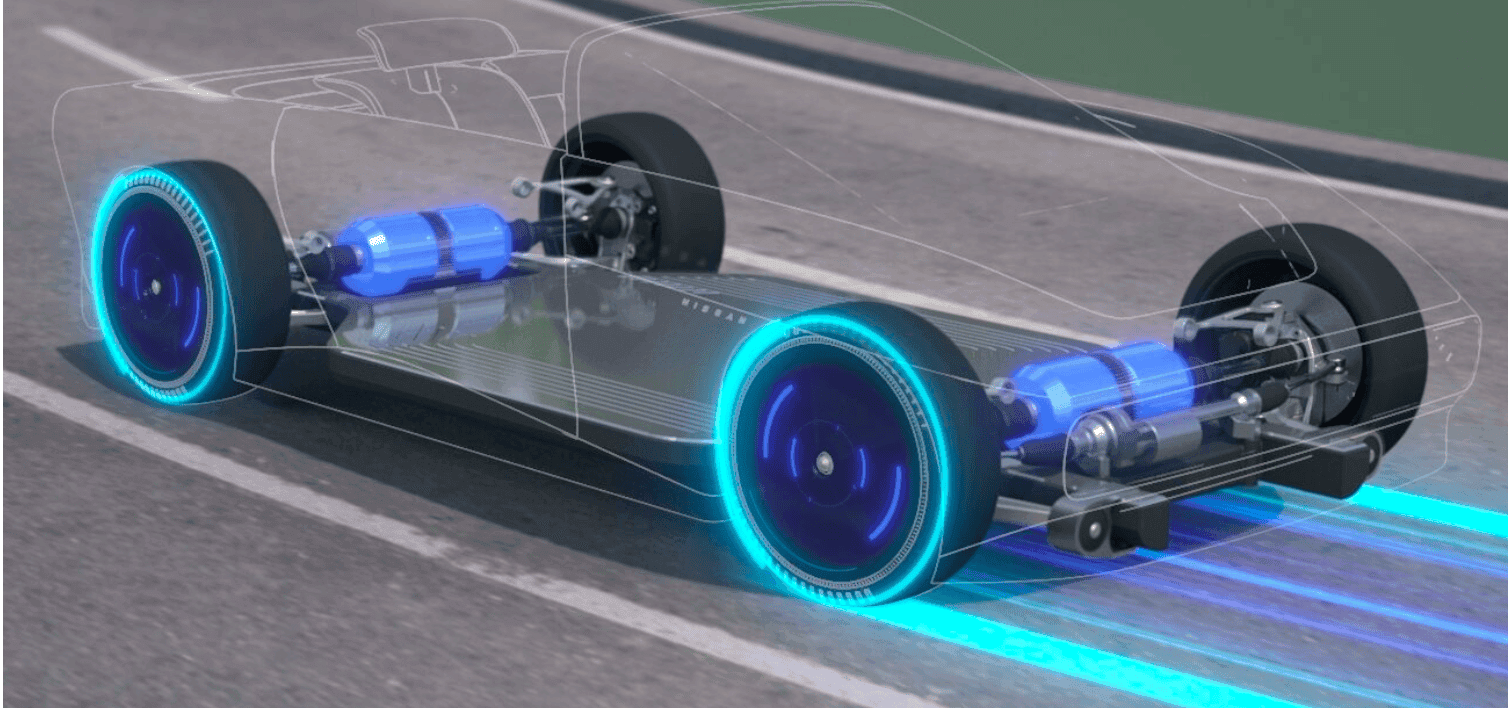
Nissan's e-POWER technology also uses a petrol engine to generate electricity while an electric motor drives the wheels. However, Nissan e-POWER vehicles are generally classified as series hybrids rather than plug-in REEVs because they are not designed for external battery charging.
This difference is important when comparing the technologies.
How Does a REEV System Work?
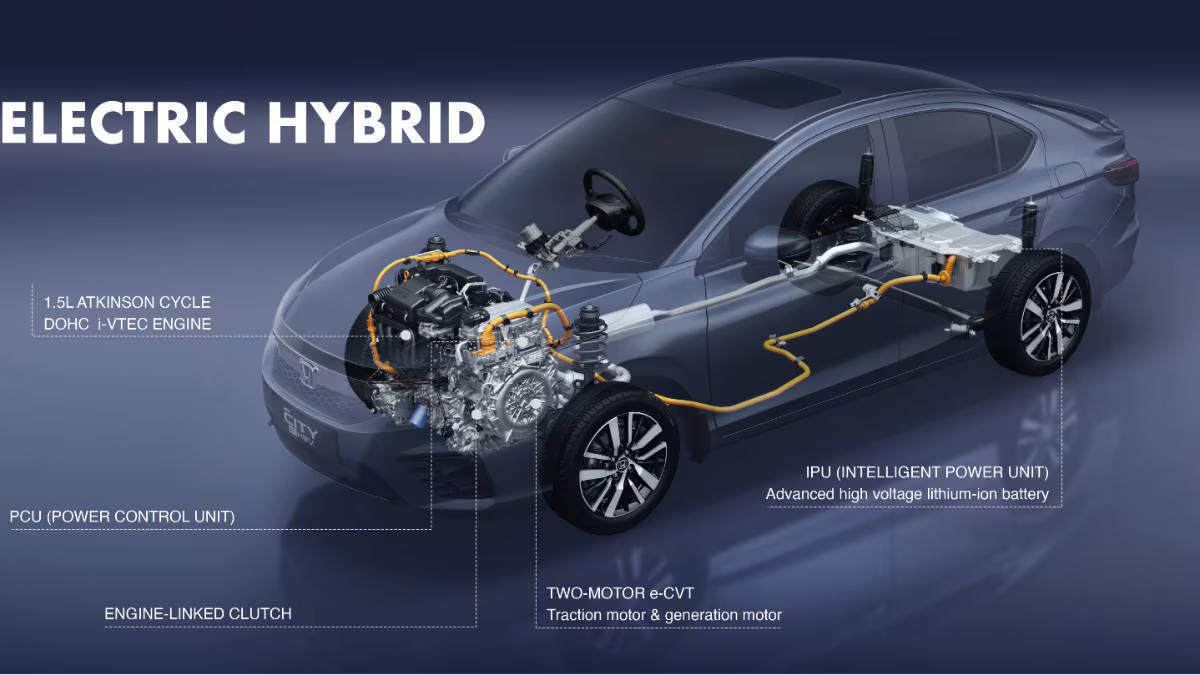
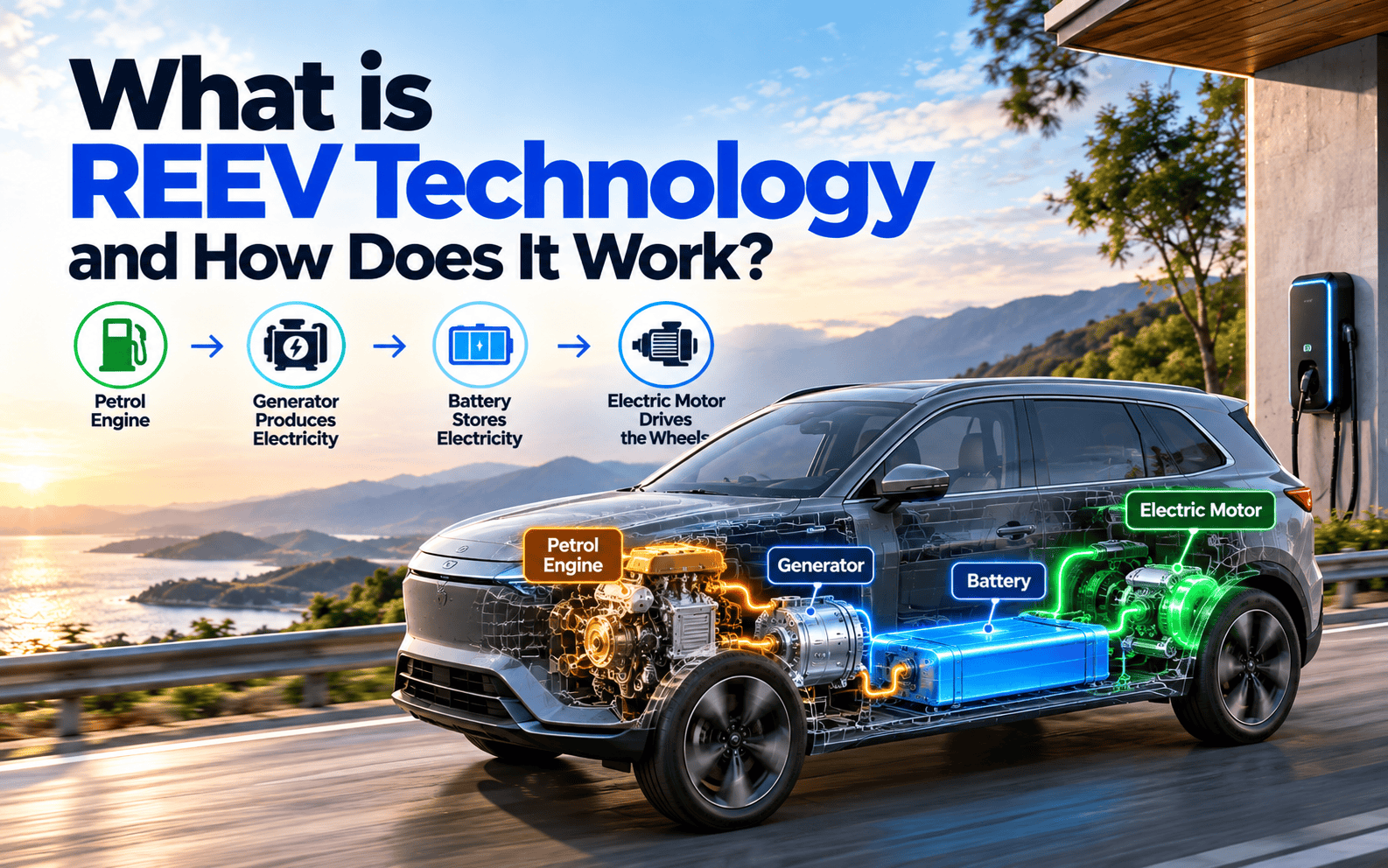
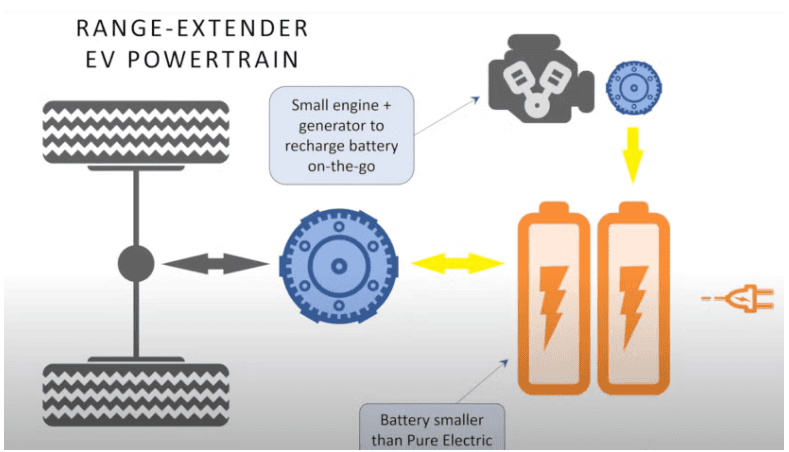
A typical REEV powertrain contains several important components working together.
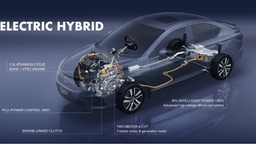
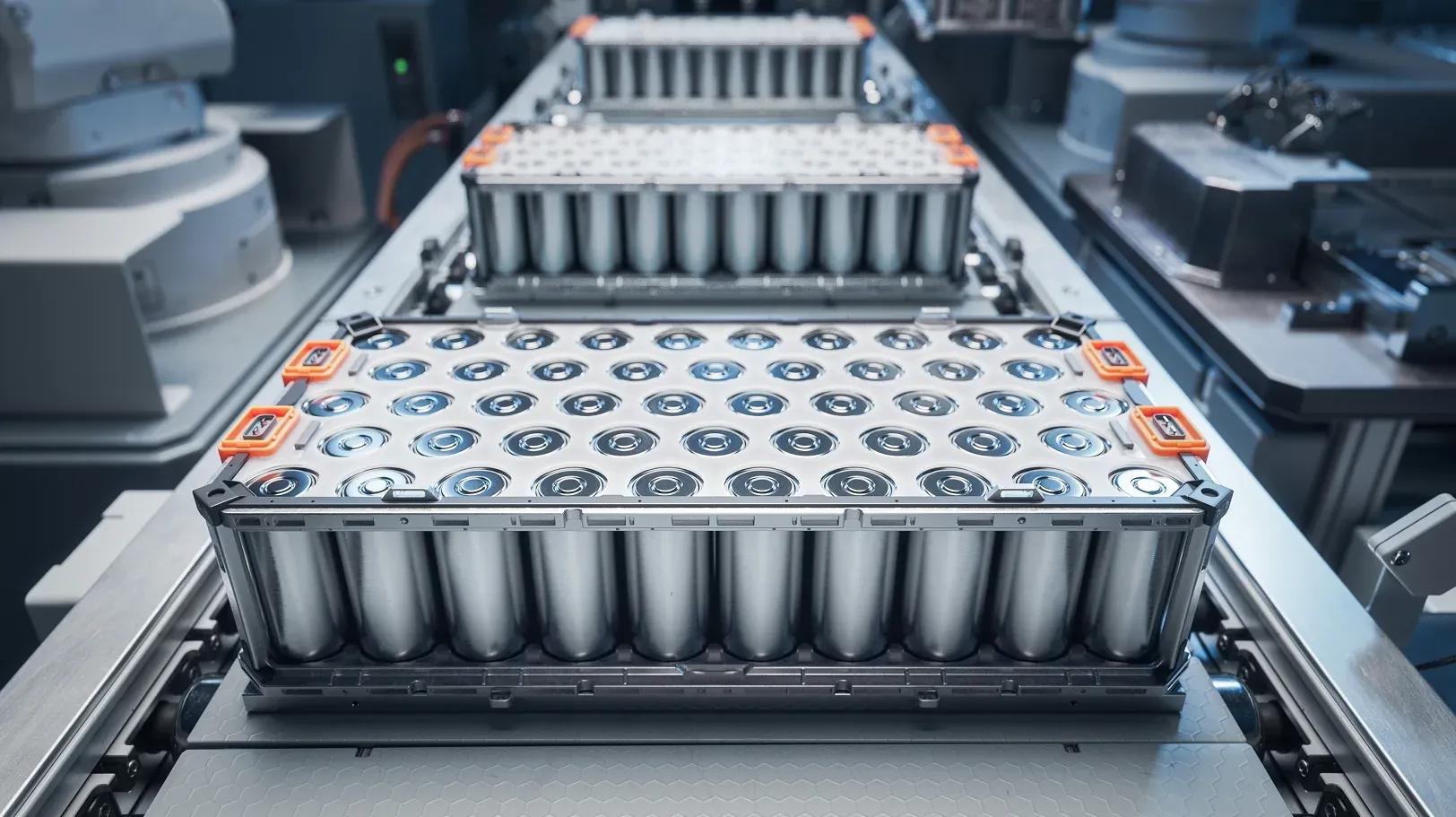
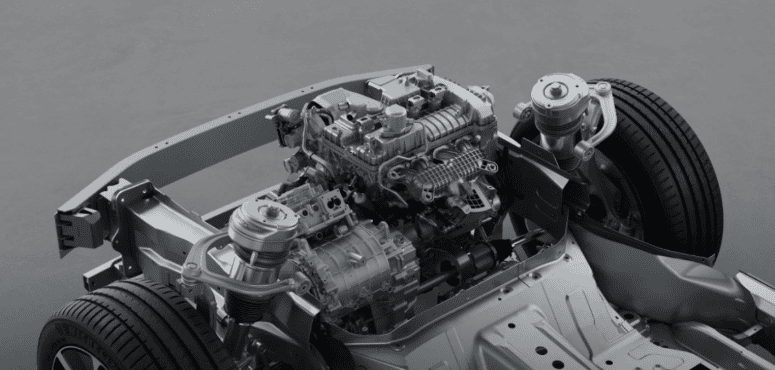
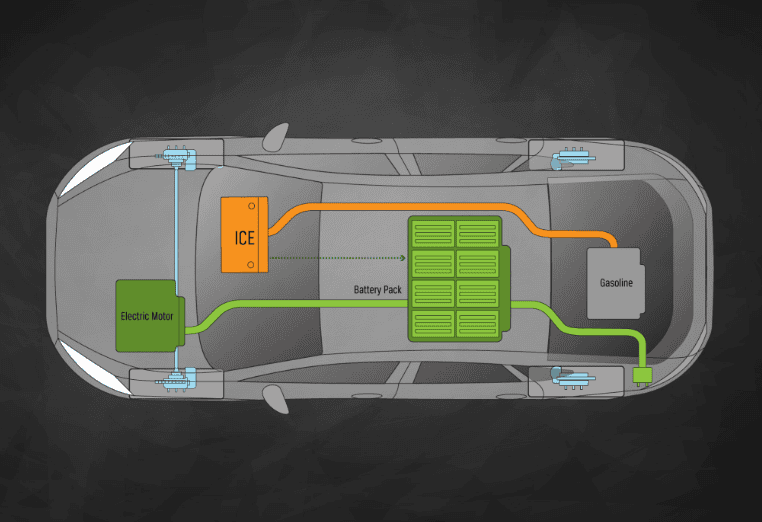
These include a petrol-powered internal combustion engine, an electrical generator, a high-voltage lithium-ion battery pack, a power control unit, and one or more electric traction motors.
In plug-in REEVs, the vehicle also includes charging equipment that allows the battery to receive electricity from an external power source.
The main difference between this system and a conventional petrol vehicle is how the wheels receive power.
In a conventional car, the combustion engine sends mechanical power through the transmission to the wheels.
In a typical REEV, the electric motor drives the wheels, while the petrol engine operates separately as an electricity generator.
This allows the vehicle to deliver an electric driving experience while using petrol as an additional onboard energy source when required.
The system can operate in different ways depending on battery charge, driving conditions, and the vehicle manufacturer's control strategy.
1. Pure EV Mode
The first important operating mode is Pure EV Mode.
When the high-voltage battery has sufficient charge, the vehicle can operate entirely using electricity stored in the battery.
In this mode, the combustion engine remains switched off, and the electric motor provides the power required to drive the wheels.
As a result, the vehicle offers smooth and quiet acceleration similar to that of a conventional battery electric vehicle.
Many modern plug-in REEVs are designed to complete daily journeys using electric power alone.
Depending on the battery capacity, model, and testing standard, some REEVs can travel approximately 100 to 200 kilometres on electric power, while certain newer models claim even longer ranges.
However, electric range varies significantly between vehicles. For example, older BMW i3 Range Extender models and newer Li Auto SUVs have different battery capacities and electric driving ranges.
Actual distance also depends on traffic conditions, driving speed, terrain, air conditioning usage, and driving habits.
For drivers whose daily journeys fall within the vehicle's electric range, regular charging at home or at work can make it possible to complete many trips without using petrol.
2. Range Extension Mode
The second important operating mode is Range Extension Mode.
When the battery charge falls to a predetermined level, the system can automatically start the onboard petrol engine.
However, unlike a conventional petrol vehicle, the engine does not send mechanical power directly to the wheels.
Instead, it drives a generator that converts mechanical energy into electricity.
The electricity produced is managed by the vehicle's power control system and may be supplied to the traction motor, used to support battery charge, or distributed between these functions according to operating conditions.
This allows the electric motor to continue driving the vehicle even when the battery's available stored energy has been reduced.
Because the engine is not mechanically connected to the wheels, its operating speed can be managed independently of the vehicle's road speed.
This gives engineers more flexibility to operate the engine within relatively efficient RPM ranges.
However, the engine does not necessarily run at one fixed RPM all the time. Its speed and output can change according to electricity demand, battery charge, and system design.
Another important feature is Regenerative Braking.
When the vehicle slows down or the driver applies the brakes, the traction motor can operate as a generator to recover some of the vehicle's kinetic energy.
This recovered energy is stored in the battery and can be used again during acceleration.
One of the biggest practical benefits of Range Extension Mode is that the vehicle can continue travelling without immediately stopping at an external charging station.
As long as sufficient fuel is available and the system can maintain the required electrical output, the onboard generator can extend the vehicle's usable driving range.
However, this does not mean the vehicle can travel indefinitely without stopping. The total range depends on fuel capacity, battery charge, driving conditions, and the generator's power output.
What Are the Advantages of REEV Technology?
One of the main advantages of REEV technology is its ability to combine electric driving with additional long-distance flexibility.
For short journeys, a plug-in REEV can use electricity stored in its battery, potentially reducing petrol consumption and local exhaust emissions.
When the available electric range is used up, the petrol-powered generator can provide additional energy to support the electric drivetrain.
This can be particularly useful for drivers who regularly travel between cities or through areas with limited charging infrastructure.
Another advantage is responsive acceleration.
Because the wheels are driven by electric motors, REEVs can provide strong torque from low speeds.
This allows for smooth acceleration and quick throttle response, similar to what drivers experience in battery electric vehicles.
REEV technology can also reduce some of the concerns associated with battery range.
Instead of depending exclusively on available charging stations, drivers have an additional source of onboard electrical energy.
However, range anxiety is not necessarily eliminated completely, especially when fuel availability, battery condition, and demanding driving conditions are considered.
Is a REEV More Fuel-Efficient Than a Conventional Vehicle?
REEVs have the potential to reduce petrol consumption significantly when they are charged regularly and used mainly for electric driving.
Since the combustion engine is not directly connected to the wheels, it can operate under conditions selected by the vehicle's energy management system.
This may allow the engine to avoid some inefficient operating conditions commonly experienced during urban driving.
However, the process of generating electricity from petrol and then using that electricity to power an electric motor involves energy conversion losses.
Therefore, a REEV is not automatically more fuel-efficient than every conventional hybrid or petrol vehicle.
Actual fuel economy depends on how often the vehicle is externally charged, how frequently the range extender operates, vehicle weight, driving speed, and the efficiency of the complete powertrain.
For drivers who regularly charge the battery and make shorter journeys, REEV technology can offer substantial fuel savings.
On the other hand, drivers who frequently operate the vehicle with a depleted battery may experience higher petrol consumption than expected.
What Are the Disadvantages of REEV Technology?
Although REEVs provide several benefits, there are also some disadvantages to consider.
One of the main drawbacks is additional vehicle weight.
A typical REEV carries a high-voltage battery, electric motors, and electronic control systems, along with a petrol engine, fuel tank, generator, and related components.
This combination can make the vehicle heavier and more mechanically complex than a comparable battery electric vehicle.
The additional components may also increase manufacturing costs and influence the vehicle's overall efficiency.
Another disadvantage is maintenance complexity.
Unlike fully electric vehicles, REEVs still contain a combustion engine that requires periodic maintenance.
Depending on the vehicle, owners may need to replace engine oil, oil filters, air filters, spark plugs, and other engine-related components according to the manufacturer's service schedule.
The vehicle's high-voltage battery, inverter, generator, and cooling systems also require appropriate inspection and care.
As a result, long-term servicing and repair costs may be higher than those of a comparable fully electric vehicle, although actual costs depend on the model, usage, and reliability of its components.
How to Maintain a REEV Properly
At MotorGuide, our advice is that if you own a Range Extended Electric Vehicle, you should pay close attention to the condition of both its electrical system and petrol-powered range extender.
High-voltage components, including the battery, inverter, and associated electrical systems, should be inspected and repaired only by appropriately trained technicians.
Owners should also follow the manufacturer's recommended charging and battery maintenance procedures.
Another important consideration is the condition of the petrol engine and its fuel supply.
In vehicles used mainly for electric driving, the range extender may remain inactive for extended periods.
If petrol stays in the fuel tank for a long time, its quality may gradually deteriorate, depending on fuel composition, storage conditions, and the manufacturer's recommendations.
Some REEVs include automatic engine maintenance or fuel maintenance functions designed to operate the combustion engine periodically and help maintain system reliability.
If your vehicle has such a feature, avoid interrupting the process unnecessarily and follow the instructions provided in the owner's manual.
It is also important to monitor battery health and have any warning messages or unusual operating behaviour checked promptly.
One of the best ways to take advantage of REEV technology is to charge the battery regularly whenever suitable charging facilities are available.
This helps maximise electric driving, reduce unnecessary petrol consumption, and make better use of the vehicle's energy management system.
Overall, REEV technology offers an interesting combination of electric motor performance and the convenience of an onboard generator for extended journeys.
For drivers who want an electric driving experience but also require flexibility for longer trips, a plug-in REEV can be a practical option, provided its operating characteristics and maintenance requirements suit their needs.
Stay connected with MotorGuide for more useful information about modern automotive technologies, electric and hybrid vehicles, vehicle maintenance, and everything you need to know about the future of transportation.

எழுதியவர்
Nisaga Sandaru
A versatile and highly experienced professional, currently an Automobile undergraduate at the University of Jaffna, with strong technical expertise grounded in hands-on work as a technician with SriLankan Airlines Ground Support Equipment (GSE). Holding an Automobile NVQ Level 3 qualification, along with specialized certifications in Vehicle ECU Programming and Diagnosis, and extensive experience in arc welding and vehicle body painting, and well equipped to handle complex automotive, diagnostic, and fabrication-related tasks with a high level of competence.