Tire Profiles: What Many People Overlook

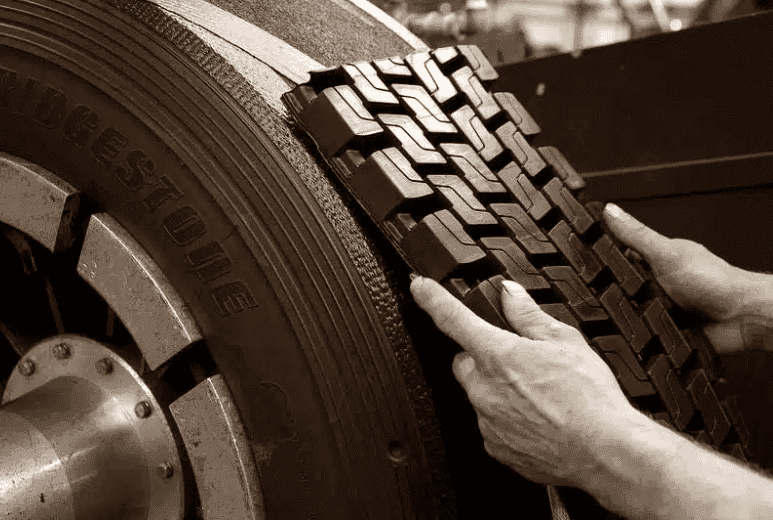
Today at Motor Guide, we are going to discuss a component that directly affects the safety and longevity of a vehicle, yet is often completely overlooked by many drivers: Tire Profiles. When buying a tire, most people only look at the brand and the price. However, there is a massive story hidden inside that line of numbers printed on the side of the tire. As professionals in this field, one thing we constantly see is people using tires with the wrong profile, which damages the vehicle's suspension system and drastically increases fuel consumption. Therefore, let's learn exactly how this works today.
Understanding the Numbers: Aspect Ratio
When we talk about a tire's profile, it mainly involves the tire's width, height, and the size of the rim. For example, if we take a number like 195/65 R15, the '195' represents the width of the tire in millimeters. The '65' is what we call the tire profile, or the 'Aspect Ratio'. Many people mistakenly believe that 65 is also a millimeter measurement. That is exactly where the error occurs. This number is actually a percentage. It means that the height of the tire's sidewall is 65% of the tire's width. When this height changes, the entire driving dynamic of the vehicle changes completely.
Low Profile vs. High Profile Tires
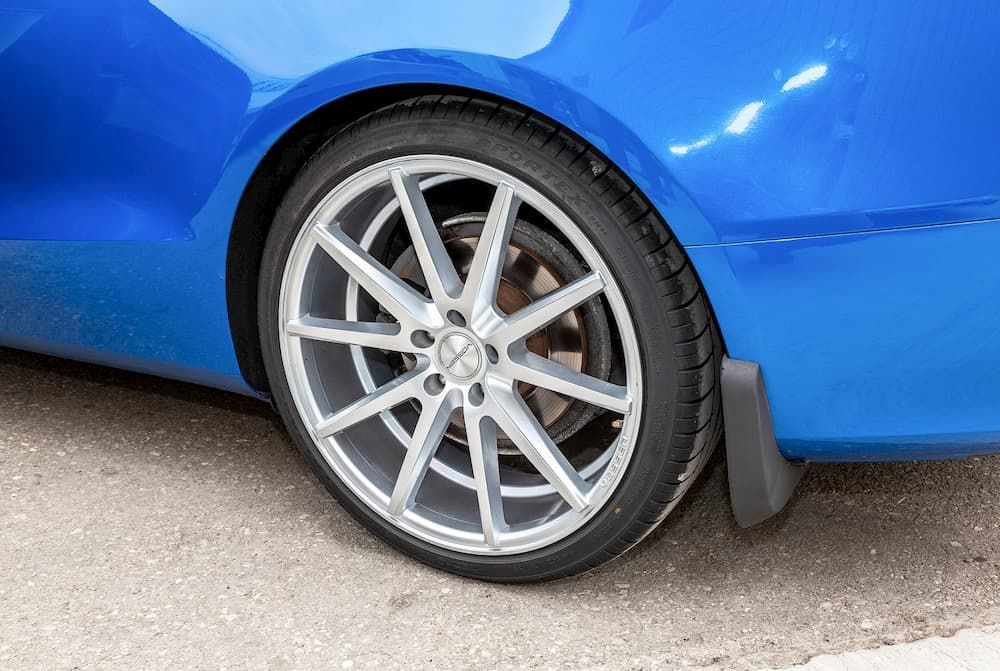
Now let's look at the difference between Low Profile and High Profile tires. Generally, a Low Profile tire refers to a tire where that percentage is below 50. These are mostly seen on sports cars and vehicles aiming for a modern, aggressive look.
The main advantage of a low profile tire is its stability when cornering. Because the sidewall of the tire is short, the tire does not flex or roll when taking a bend. This makes it very easy for the driver to control the vehicle at high speeds. However, there is a flip side to this. Because the tire height is low, the vibrations from road bumps and potholes are directly transmitted to the vehicle. This reduces ride comfort and significantly increases the chances of damaging your rims.
On the other hand, if we take High Profile tires—meaning those with values like 60, 65, or 70—these are primarily designed for comfort. As industry experts, we like to think of these as an 'Air Cushion'. Because there is a larger volume of air inside the tire, the harshness of the road is barely felt inside the cabin. These tires are highly suitable for roads with potholes, much like what we have in Sri Lanka. However, when taking a corner at high speeds, the vehicle might feel like it's swaying slightly, as the taller sidewall tends to flex. Therefore, choosing the correct profile based on your vehicle's purpose is incredibly important.
The Impact on the Speedometer
Another critical factor is the impact changing the tire profile has on your vehicle's Speedometer. Many people think that installing larger rims with low profile tires only changes the appearance. But, if the tire's Overall Diameter changes, the speed displayed on your speedometer will be incorrect. For example, while the gauge shows you are traveling at 100kmph, the vehicle might actually be traveling at 105kmph. This can also feed incorrect data to the vehicle's transmission system and safety systems like ABS. Always try to use a value as close as possible to the manufacturer's recommended tire profile.
Load Index, Width, and Mechanical Stress
When discussing tire profiles, we cannot forget about the Load Index and Speed Rating. These are indicated by the letters following the profile value. As professionals in this field, we have seen some people install excessively wide tires simply to make the vehicle look better. What happens then is that it puts a massive strain on the vehicle's engine, which inevitably increases fuel consumption. Furthermore, the added pressure on the Steering Rack can lead to heavy and costly repairs over time.
Prioritizing Safety and Age
When selecting a tire, prioritize safety and mechanical compatibility over mere appearance. Do not forget to check the Date of Manufacture printed on the sidewall. No matter what profile the tire has, if it is more than five years old, the quality of the rubber has degraded. Consider putting tires on your vehicle as an investment. It is much more cost-effective to do the right thing from the beginning than to choose the wrong profile and damage your vehicle's components later.
Motor Guide's Final Advice
Finally, our advice at Motor Guide is this: a tire profile is not just a number; it is the primary factor that determines your vehicle's balance and handling. Always adhere to the manufacturer's recommended size, which is usually listed on the driver's side door jamb or in the User Manual. If you are installing a new set of rims, ensure you adjust the profile so that the overall height of the tire remains unchanged. Also, by simply checking your tire pressure at least once a week, you can significantly extend the lifespan of your tire's profile. And don't forget to always stay tuned with Motor Guide to learn more valuable information like this about modern vehicles and technology!

எழுதியவர்
Nisaga Sandaru
A versatile and highly experienced professional, currently an Automobile undergraduate at the University of Jaffna, with strong technical expertise grounded in hands-on work as a technician with SriLankan Airlines Ground Support Equipment (GSE). Holding an Automobile NVQ Level 3 qualification, along with specialized certifications in Vehicle ECU Programming and Diagnosis, and extensive experience in arc welding and vehicle body painting, and well equipped to handle complex automotive, diagnostic, and fabrication-related tasks with a high level of competence.