What Exactly is a DPF Unit?

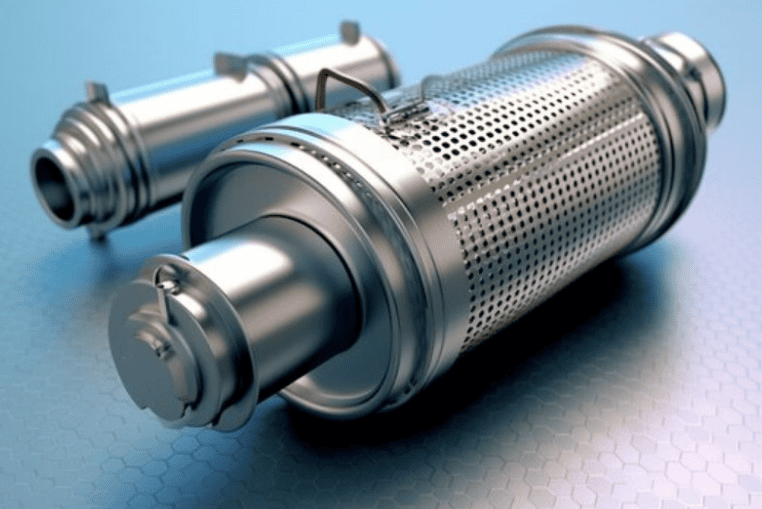
Today at Motor Guide, we are discussing a highly crucial and specialized component that is extremely important for everyone currently using modern diesel vehicles in Sri Lanka, especially those who constantly worry about the faults associated with these vehicles. That is the Diesel Particulate Filter, or as we all briefly call it, the DPF Unit. Because many people do not know exactly what this device is, they fall into immense fear and confusion the moment a related signal or warning light appears on the vehicle's dashboard.
As modern vehicle technology rapidly advances day by day, new laws and standards have been introduced worldwide to minimize environmental pollution. It is in compliance with those strict regulations that the DPF unit became a mandatory component in modern diesel vehicles. Specifically, you will invariably see this system inside the exhaust layout of every diesel vehicle manufactured under high international environmental standards like Euro 4, Euro 5, and Euro 6.
The Function of a DPF
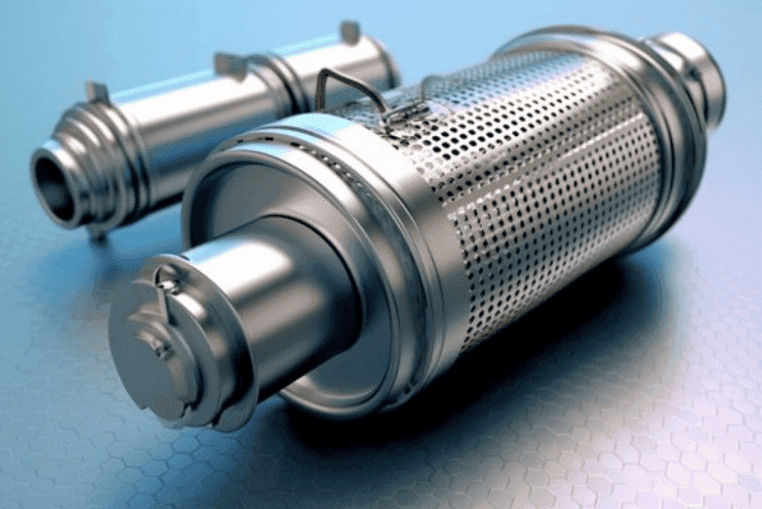
Simply put, this is a very unique strainer or filter fitted right in the middle of the vehicle's exhaust system. When fuel burns in a diesel engine, the thick black smoke emitted contains a massive amount of solid carbon particles (soot). If these carbon particles are released directly into the atmosphere, they cause severe damage to the human respiratory system and contribute to deadly diseases like cancer.
The primary function of this filter is to trap and hold that black smoke and harmful carbon particles before they can be released into the atmosphere. Inside this device is a honeycomb-shaped structure with microscopic pores, made of materials like ceramic or cordierite. While the gases coming from the engine can easily pass through these pores and exit, the solid carbon particles cannot. They get trapped and embedded in the walls of this filter. To put it simply, it works just like a strainer we use at home, but its operation is far more complex.
The Regeneration Process
As professionals in this field, one thing we constantly see and experience is that the carbon particles accumulating inside this filter cannot just be stored there forever. Over time, this filter can get completely filled with soot and block up entirely. Because of that, a brilliant technology has been integrated into this system to clean itself automatically. We call this the Regeneration Process. There are two main methods at work here.
Passive Regeneration
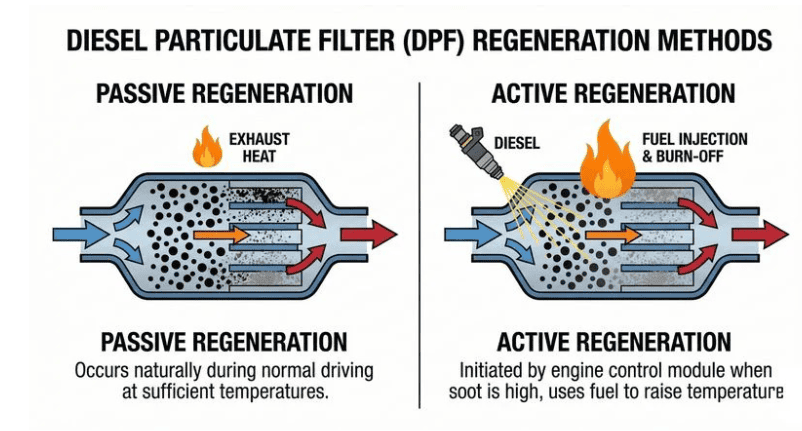
The first method is called Passive Regeneration. This happens when you drive your vehicle on an expressway or on a long journey continuously at high speeds; the temperature inside the exhaust system reaches an extremely high level, around 500 to 550 degrees Celsius. Due to that intense heat, all the carbon particles trapped inside the filter naturally burn away. They are converted into ash and expelled as an invisible, fine mist. Here, the driver doesn't have to do anything; this self-cleaning happens seamlessly while the vehicle is driving normally.
Active Regeneration
However, not everyone drives on the highway every day. Many people in Sri Lanka use their vehicles in urban areas for very short trips and sit in heavy traffic. During such times, the exhaust temperature does not rise high enough to burn off the carbon. When that happens, the vehicle's computer system, the ECU, initiates the second method. This is called Active Regeneration.
Here, the pressure sensors located on both sides of the filter detect that the carbon level has reached a certain capacity—say, about 40% to 50% full. Instantly, extra fuel is injected into the engine cylinders even after the normal combustion stroke. That raw, extra fuel goes straight into the exhaust system, burns there, artificially creates massive heat, and scorches the accumulated carbon away. During this time, you might notice the vehicle's RPM increasing slightly, and you can feel the engine emitting more heat than usual. Fuel economy might also temporarily drop.
Common Causes of DPF Failure
The biggest problems arise when this process does not happen properly. As industry experts, we see that the most common mistake is constantly driving only short distances. Even if an active regeneration starts, the vehicle is stopped and the engine is turned off before it can finish. When this happens repeatedly, the filter eventually gets permanently blocked.
Additionally, the quality of diesel in Sri Lanka, meaning the high sulfur content, heavily impacts this. When high-sulfur fuel burns, the amount of carbon particles produced is exceptionally high. Furthermore, if there is a fault in the vehicle's EGR valve or if fuel is leaking from the injectors, the engine produces abnormal amounts of black smoke. In such cases, an unmanageable amount of carbon accumulates, blocking the DPF very quickly.
The Importance of Correct Engine Oil
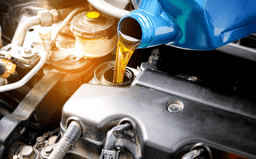
Another highly critical factor is the type of engine oil used. Vehicles with DPFs must strictly use Low SAPS (low sulfated ash, phosphorus, and sulfur) engine oils. If you use standard diesel engine oil instead, the ash created when that oil burns will completely destroy this filter in a very short time. Why? Because while the system can burn off carbon, it cannot burn off or remove the ash generated by wrong oils. That ash gets permanently lodged inside the filter.
Symptoms of a Blocked DPF
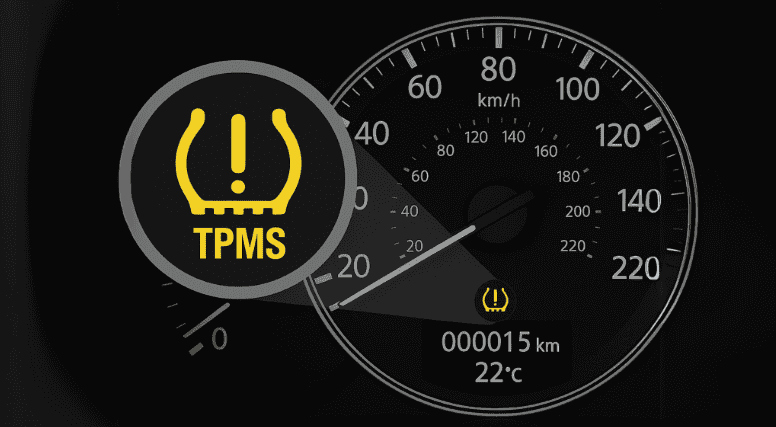
There are several symptoms a vehicle shows when its DPF is blocked. First, the DPF warning symbol or the Check Engine light will illuminate on the dashboard. Following that, the vehicle's pickup—the ability to accelerate—is completely lost. The vehicle goes into a safety mode called "Limp Mode" to prevent further damage to the engine and this system. You might hear strange, rough noises from the engine, and fuel consumption will spike. Sometimes, excessively hot smoke might billow from the exhaust. In some cases, the pressure sensors themselves can fail, sending wrong data to the ECU, which drops the pickup and triggers lights even if the DPF is fine.
When this happens, many people go to a garage, hook up a scanner, and perform a Forced Regeneration. Alternatively, they remove the filter and wash it with specialized chemicals. However, this is not a permanent fix. If the filter is completely choked with ash, even washing it won't clean it.
The Danger of "DPF Deletes"
The biggest mistake some people in Sri Lanka make today when the DPF starts causing trouble is cutting it open, removing the inner ceramic core, and deleting it from the computer system—known as a "DPF Delete." As professionals in this field, we do not condone this under any circumstances. If you do this, the vehicle will start emitting excessive black smoke, and it will fail the emission test (Eco Test).
Not only that, because the engine's back-pressure is completely altered, severe damage can occur to the engine valves and the turbocharger in the long run. The resale value of the vehicle will also plummet. Therefore, we constantly remind everyone not to destroy such valuable technological systems for the sake of temporary savings and convenience.
Motor Guide's Final Advice
Motor Guide's advice is this: if you are using a modern diesel vehicle equipped with a DPF unit, you must be very mindful of how to maintain it. Make it a habit to drive the vehicle on an expressway or a traffic-free road at least once a week for about 20 to 30 minutes continuously, keeping the RPM above 2500 in 3rd or 4th gear. This allows the system to clean itself naturally.
Also, do not be stingy when changing engine oil; strictly use only the manufacturer-recommended Low SAPS oil, such as ACEA C3 standard oils. The moment the DPF light appears on the dashboard, do not ignore it; immediately visit a qualified technician and get it checked. By doing so, you can protect this expensive component without incurring massive costs.
And don't forget to always stay tuned with Motor Guide to learn more valuable information like this about modern vehicles and technology!

எழுதியவர்
Nisaga Sandaru
A versatile and highly experienced professional, currently an Automobile undergraduate at the University of Jaffna, with strong technical expertise grounded in hands-on work as a technician with SriLankan Airlines Ground Support Equipment (GSE). Holding an Automobile NVQ Level 3 qualification, along with specialized certifications in Vehicle ECU Programming and Diagnosis, and extensive experience in arc welding and vehicle body painting, and well equipped to handle complex automotive, diagnostic, and fabrication-related tasks with a high level of competence.