The Island-wide Integrated Traffic Management Center (TMC) in 2026

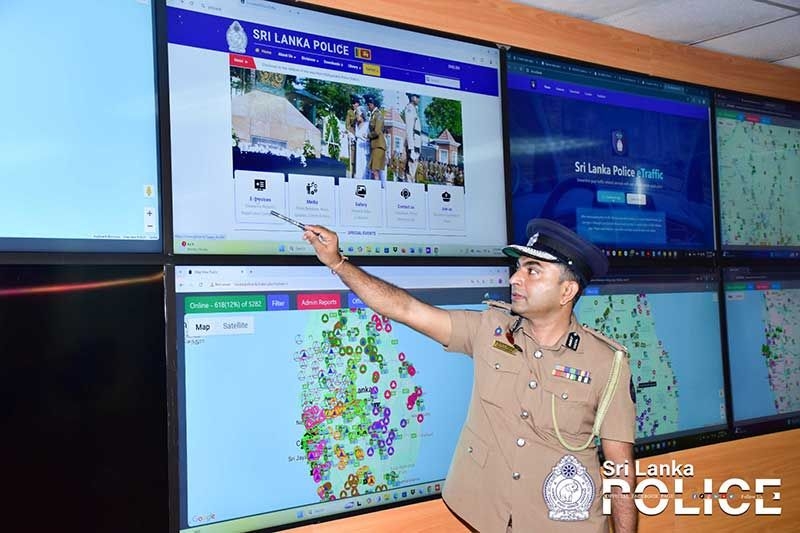
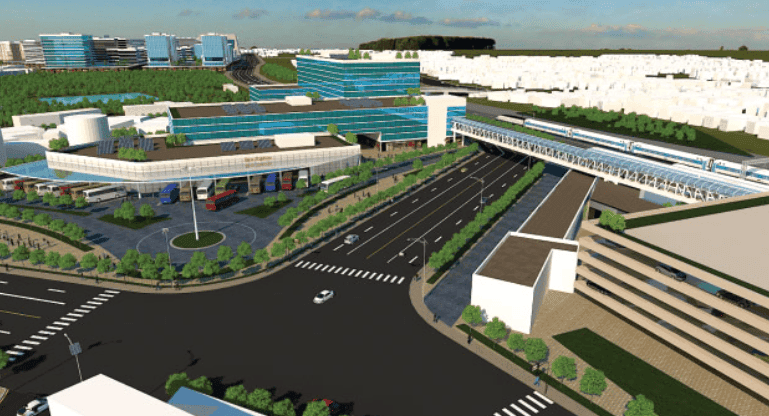
Today at Motor Guide, we are discussing the Integrated Traffic Management Center (TMC) operating island-wide in 2026. This can truly be described as the most massive technological leap in Sri Lanka's transportation system. This system has been designed to minimize the heavy traffic congestion, accidents, and the time we used to waste loitering on the roads for so long. As professionals in this field, we know that successful results can only be achieved when technology and management are correctly integrated.
The Central Nervous System of Our Roads
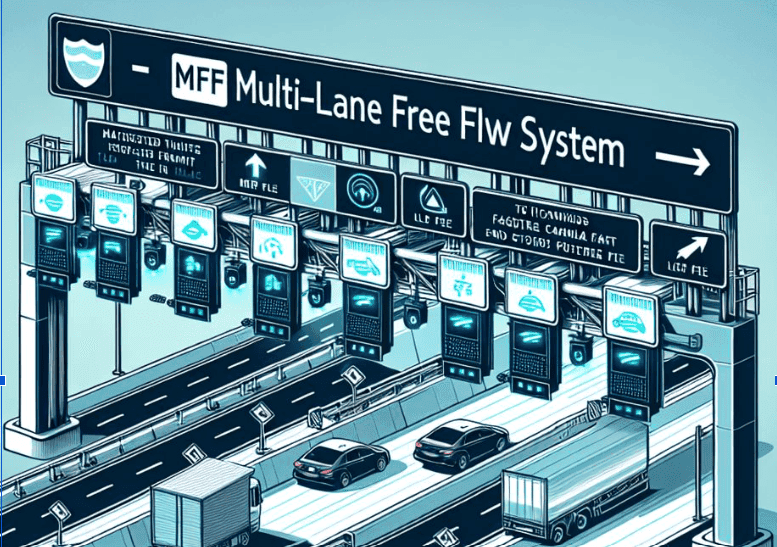
This center is not just a place where people stare at a few cameras. It is the "central nervous system" of all the roads in Sri Lanka. Thousands of IoT (Internet of Things) Sensors connected via the internet and Artificial Intelligence (AI) feed data to this center. For example, the moment a line of vehicles forms on a road, the system can calculate its length and the speed of the vehicles, and automatically control the traffic lights.
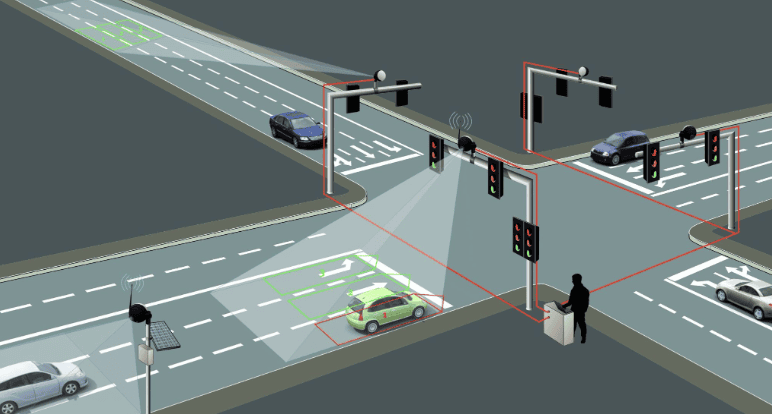
This means the old system—where the red light stays on while there are no vehicles on one side and a massive queue on the other—has now been completely eliminated. By 2026, all major cities and expressways across the island are fully connected to this center.
Accident Management and Alternative Routes
As individuals in this industry, we have observed how difficult it is to manage the congestion caused by a road accident. But now, through the TMC, the moment an accident occurs, it is instantly identified. While simultaneously notifying the nearest hospital and police, the system uses digital signboards to instruct other approaching vehicles to use alternative routes. Because of this, the time pointlessly spent on the road is significantly saved.
Integration with Public Transport and Emergency Services
Another factor is the integration of the public transport service into this same system. The routes and timings of buses and trains are accurately monitored through this center. Passengers can use their mobile phones to see exactly how many minutes it will take for the next bus to arrive. As professionals in this field, we believe that to reduce the number of private vehicles hitting the road, having a reliable public transport information system like this is an absolute must. Additionally, a mechanism is now in place where this center automatically clears the path to give priority to emergency service vehicles, such as ambulances.
Big Data Analytics and Future Planning
From a technical perspective, massive Big Data Analytics takes place here. By studying vehicle flow patterns during different time periods of the day, this system has the capability to predict potential traffic jams well in advance. This enables the government to make accurate decisions regarding where new roads and bridges need to be built in the future. We all know that simply widening roads alone cannot reduce traffic congestion. A highly intelligent control system like this is essential for that.
Automated Law Enforcement
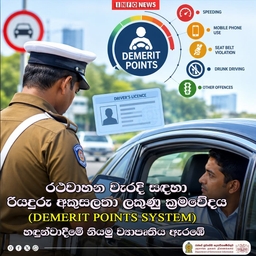
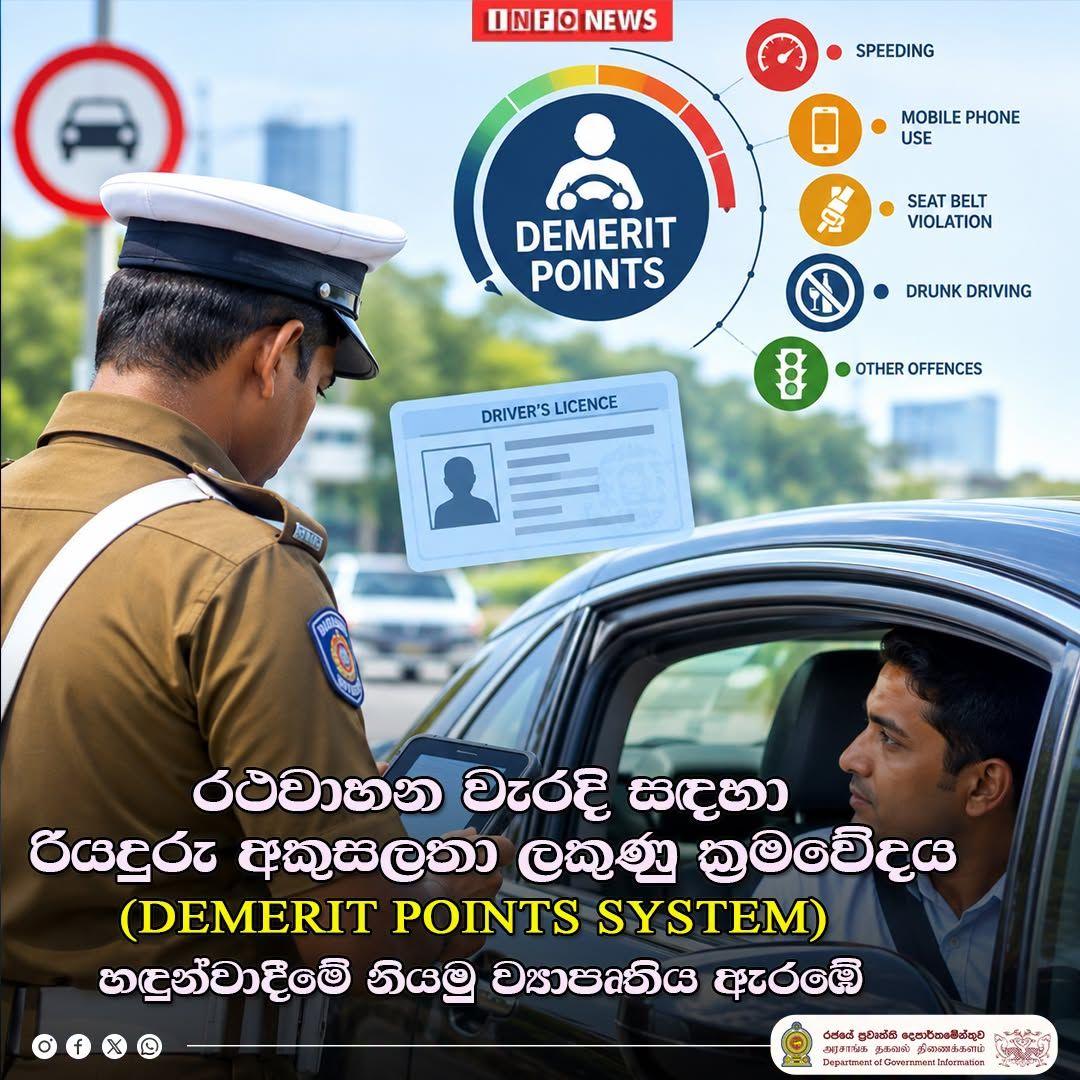
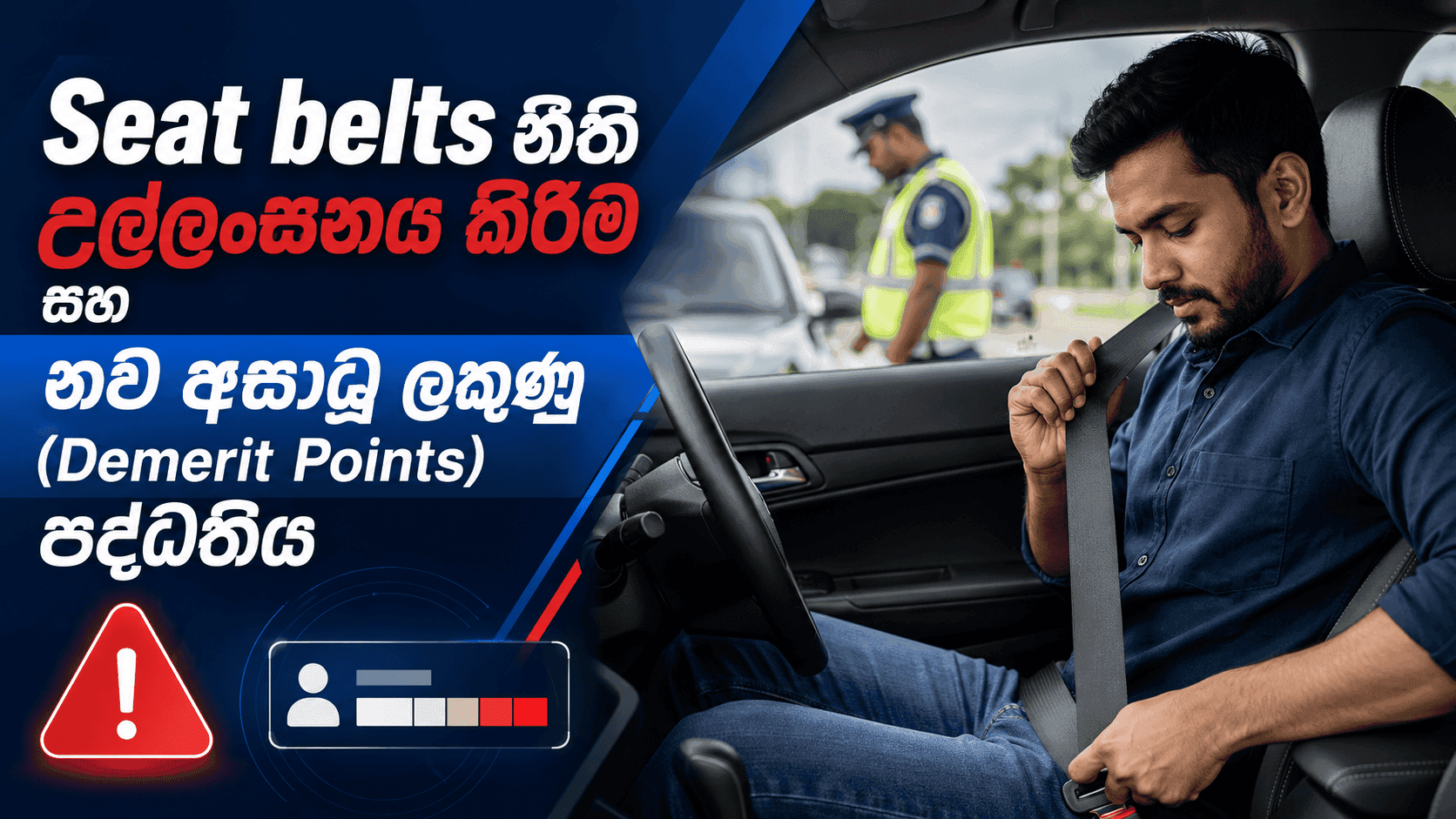
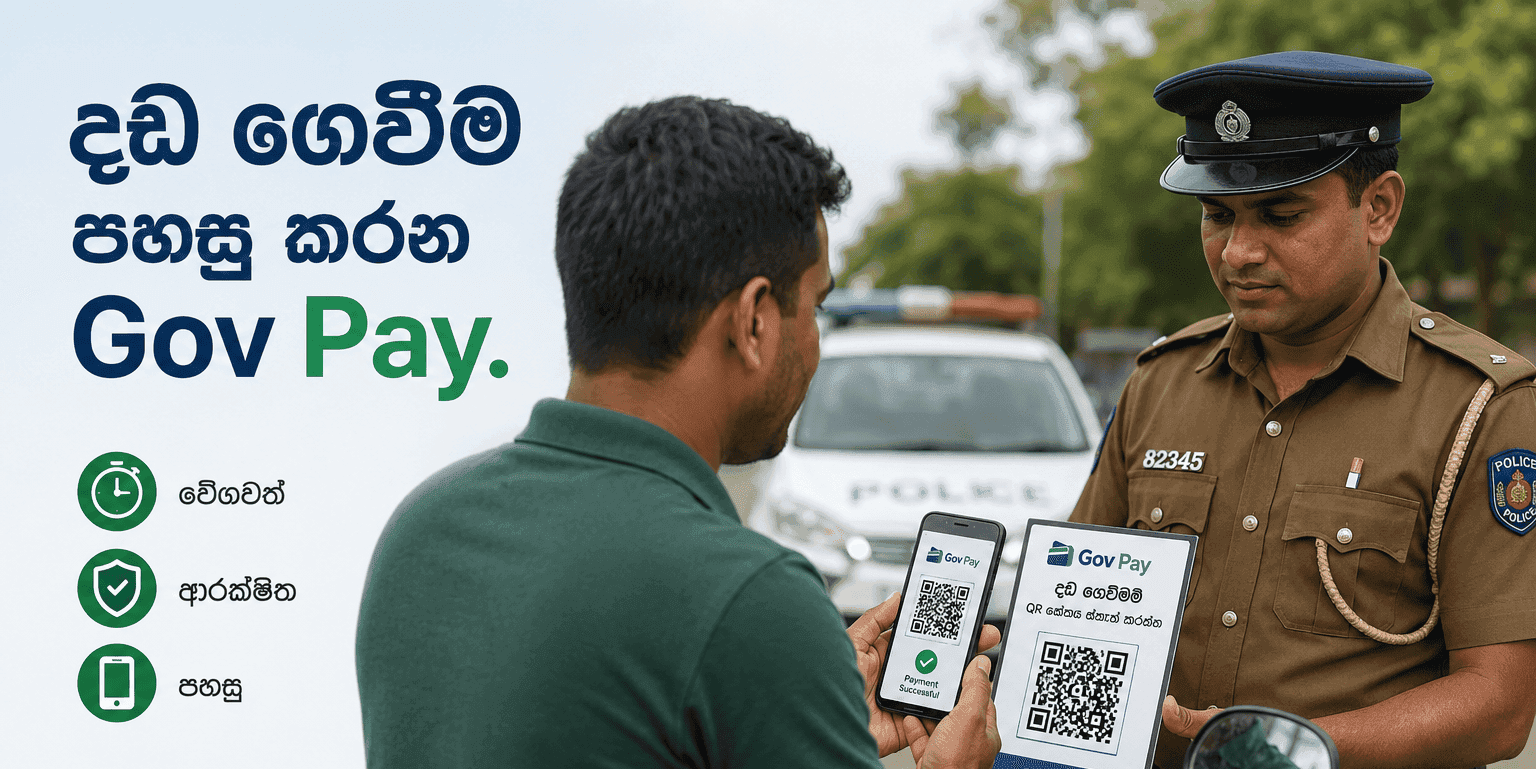
Enforcing the law has also become much easier now. This TMC is linked to identifying those who violate traffic laws and automatically issuing e-tickets to speeding vehicles. However, the primary goal here isn't just to issue fines, but to instill discipline in drivers and ensure road safety. The biggest difference is that human intervention is minimized, and the law is executed fairly through technology.
Economic Impact and Motor Guide's Advice
Finally, it must be said that this Integrated Traffic Management Center is a massive pillar of strength for the country's economy. If we calculate the fuel and time wasted annually due to traffic congestion in terms of money, it is colossal. By minimizing that waste, we have achieved a highly efficient transportation system in 2026. As drivers, you must also provide your support to maintain this and reap maximum benefits from it. A developed country is born where road discipline and technology intersect.
Motor Guide's ultimate advice is that as drivers, you too must adapt to new technology while modern systems like this are in operation. Specifically, adhere to the instructions provided by digital signboards on the road and mobile apps. By paying attention to the alternative routes suggested by the system, you can save both your time and fuel. Always remember that technology exists for our convenience, not to be a hindrance.
எழுதியவர்
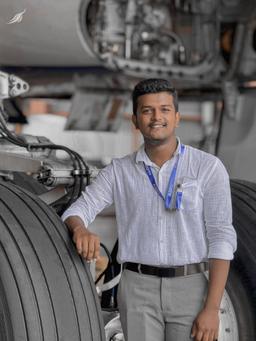
Nisaga Sandaru
A versatile and highly experienced professional, currently an Automobile undergraduate at the University of Jaffna, with strong technical expertise grounded in hands-on work as a technician with SriLankan Airlines Ground Support Equipment (GSE). Holding an Automobile NVQ Level 3 qualification, along with specialized certifications in Vehicle ECU Programming and Diagnosis, and extensive experience in arc welding and vehicle body painting, and well equipped to handle complex automotive, diagnostic, and fabrication-related tasks with a high level of competence.